Can You Choose Which Gorilla Family to Trek in Rwanda? The Ultimate Guide to Gorilla Family Selection
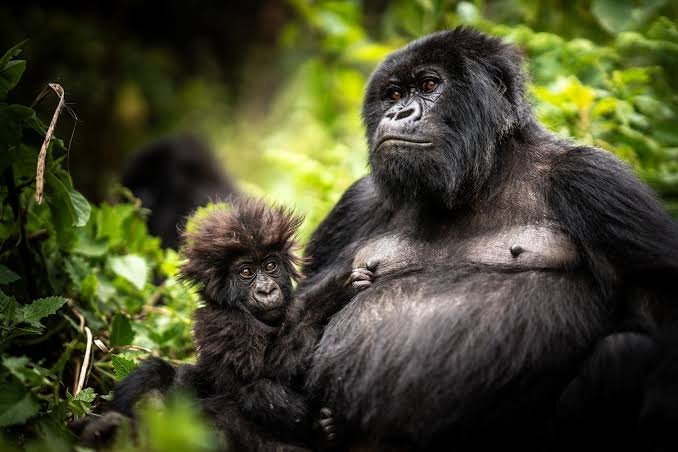
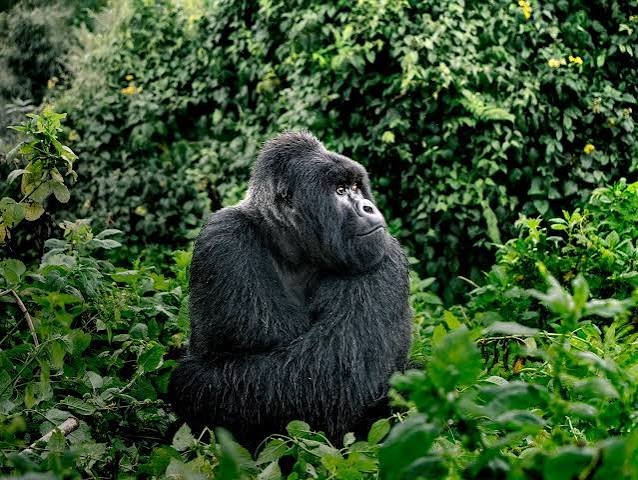
One of the most exciting moments of planning a Rwanda gorilla trekking safari is imagining the mountain gorilla family you will encounter in the spectacular forests of Volcanoes National Park. Perhaps you dream of watching a magnificent silverback resting among bamboo vegetation, observing playful juveniles interacting with one another, or witnessing a mother carefully holding her newborn infant. As you research the famous gorilla families living in Rwanda’s Virunga Mountains, you may begin wondering: Can You Choose Which Gorilla Family to Trek in Rwanda?
The simple answer is that you can request a preferred gorilla family, but you cannot normally guarantee which family you will trek. Mountain gorilla family allocation is managed by the park authorities at Volcanoes National Park, usually during the morning briefing at Kinigi. Officials consider the gorillas’ current locations, visitors’ physical fitness, available trekking spaces, conservation requirements, and the practical conditions of the day.
Unlike booking a particular hotel room or selecting a safari vehicle, choosing a gorilla family involves wild animals that move freely throughout their natural habitat. A family that was relatively accessible yesterday might move higher into the volcanic mountains overnight, while another group may settle closer to an established trekking trail. Because of these changing circumstances, final allocation must remain flexible.
Rwanda’s official tourism authority confirms that visitors gather at Volcanoes National Park headquarters in Kinigi at approximately 7:00 a.m. and are allocated a gorilla family on the day of their trek, with fitness levels taken into consideration.
Understanding how this process works can help you plan a better gorilla trekking experience. Whether you prefer an easier trek, want to photograph silverbacks, hope to see a family with infants, or are interested in historically famous groups such as Susa, Sabyinyo, Amahoro, and Kwitonda, communicating your preferences beforehand can be helpful.
In this comprehensive guide, we explain Can You Choose Which Gorilla Family to Trek in Rwanda?, how the allocation system works, which gorilla families are available, what affects your assignment, and how to improve your chances of receiving a suitable trekking experience. You will also learn about gorilla permits, trekking difficulty, the best accommodation locations, important conservation regulations, and how to arrange your Rwanda gorilla safari with Nextgen Safaris.
Can You Choose Which Gorilla Family to Trek in Rwanda?
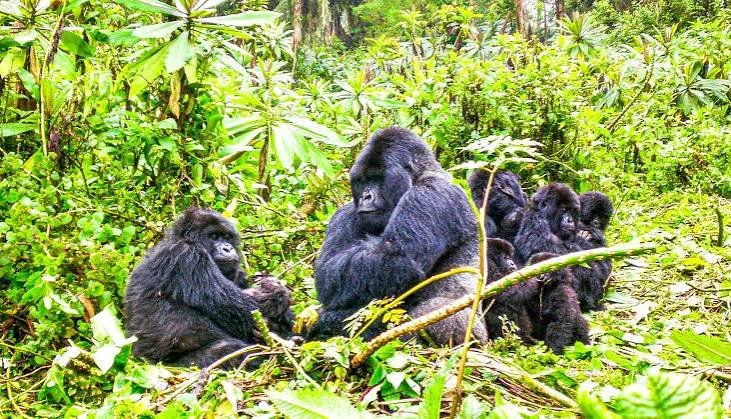
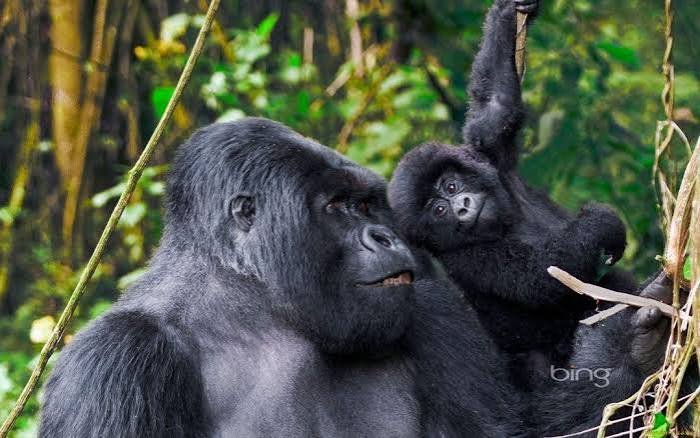
Visitors can express preferences for particular mountain gorilla families, but the official allocation process does not normally provide guaranteed advance selection of a named family. Rwanda’s mountain gorillas are protected wild animals, and their movements, accessibility, and social circumstances influence which families can be visited each day.
For example, you may have read that Sabyinyo has historically been among the more accessible families or that Susa has a remarkable conservation history. You might therefore prefer one of these families for physical or personal reasons.
Your safari operator can communicate such preferences, and you can raise them during the morning briefing. However, the final decision is made by the park allocation team.
There are several important reasons for this approach. First, gorilla families move naturally in search of food and suitable resting areas. Second, individual groups have visitor limits to minimize human disturbance. Third, the physical abilities of tourists differ, meaning one family may be more appropriate for a particular group than another.
The objective of the allocation system is not simply to distribute visitors across the park. It is to organize responsible wildlife encounters while considering the welfare of mountain gorillas and the safety of tourists.
Instead of expecting complete control over which gorilla family you visit, focus on communicating your interests and physical capabilities. This approach offers the best opportunity for an enjoyable experience without unrealistic expectations.
How Are Gorilla Families Allocated in Volcanoes National Park?
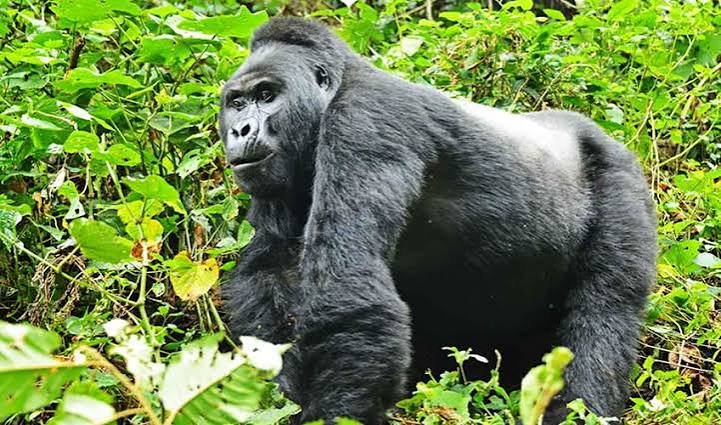
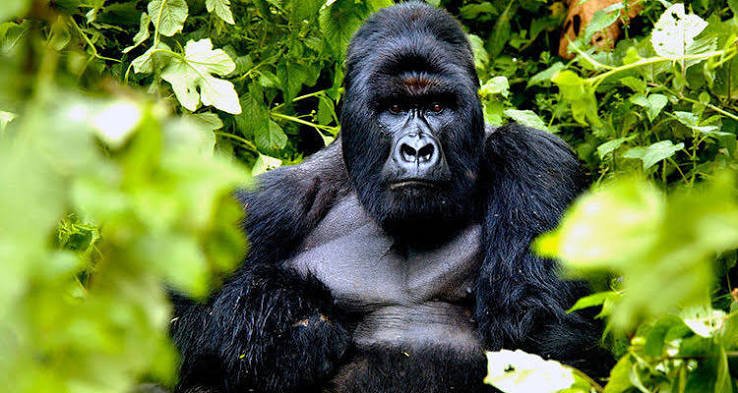
The allocation of gorilla trekking families takes place during the morning registration and briefing at Kinigi, near the entrance to Volcanoes National Park.
Visitors arrive with valid trekking permits and identification documents, while park officials coordinate the day’s gorilla trekking groups. Professional trackers provide information about gorilla locations, allowing the authorities to consider the expected hiking conditions.
Fitness is one of the explicitly recognized allocation considerations. A visitor who has difficulty walking long distances may be considered for a more accessible route, while experienced hikers may be comfortable with a family located deeper in the forest.
The authorities must also respect the number of trekking permits available for each habituated family. Rwanda allows a maximum of eight visitors per group, making the allocation process particularly important.
Once the groups have been organized, the guides introduce visitors to their assigned families and explain the expected trek. You may hear about the family’s historical background, previous dominant silverbacks, and the type of terrain through which you will walk.
You then travel toward the appropriate starting point before continuing on foot with the authorized guiding team.
Although the process is carefully organized, the actual hiking conditions can still change because mountain gorillas do not remain in fixed locations.
Can You Request a Particular Gorilla Family Before Your Trek?
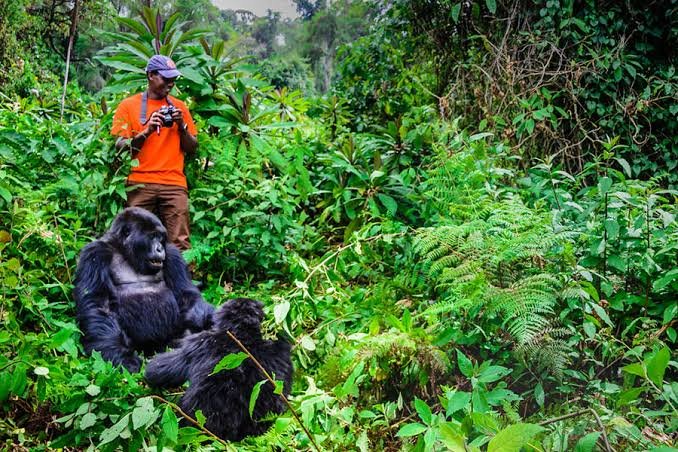
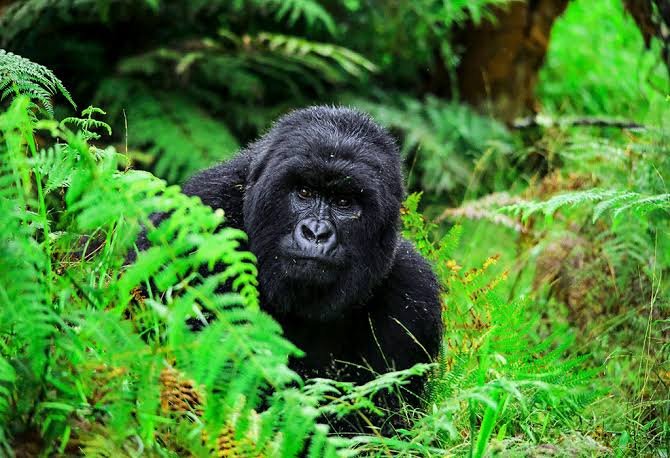
Yes. You can tell your safari operator that you have a preferred gorilla family or a particular type of encounter in mind.
For instance, a photographer may wish to visit a group historically associated with several silverbacks. A traveler interested in family relationships may hope for an opportunity to observe infants and juveniles. Another visitor may prioritize a relatively accessible trek because of age, fitness, or mobility concerns.
Communicating these interests before arriving at the park helps your safari organizer understand what matters to you.
However, a request should not be confused with a confirmed reservation for that family.
There is no reliable way to guarantee that a particular family will be accessible, available for tourism, or assigned to your group on the day.
Your safari organizer can explain the allocation procedures and communicate relevant requirements, but cannot override the park authorities’ decisions.
For travelers with physical limitations, the most useful information is often an accurate explanation of walking ability rather than the name of a preferred group.
If your main priority is an enjoyable, manageable trek, tell your operator how long you can comfortably walk and whether steep climbs or descents present difficulties.
Susa Gorilla Family: A Remarkable Conservation History
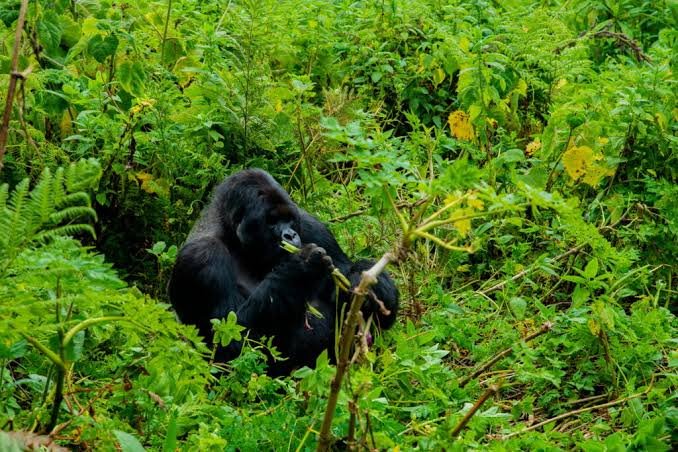
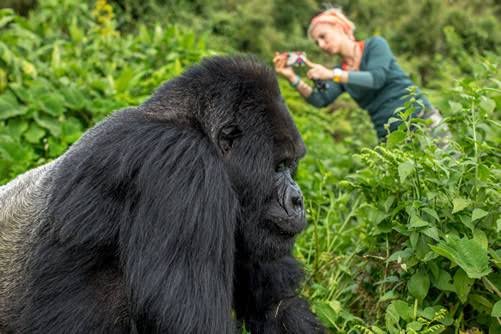
Susa is among the most historically recognizable mountain gorilla families in Rwanda. Its lineage is associated with the research tradition established by Dian Fossey and subsequent monitoring of mountain gorillas in the Virunga Mountains.
The family has experienced important social changes over time, including the development of separate gorilla groups.
Historically, Susa has been associated with the slopes of Mount Karisimbi, where mountainous terrain can make trekking demanding.
This history makes the group particularly interesting to wildlife enthusiasts who want to learn about long-term gorilla conservation and family relationships.
However, it is not appropriate to assume that Susa will always require a particularly long hike. Gorillas change location, and the difficulty of reaching them varies.
If you are interested in visiting Susa, communicate your preference while remaining flexible about the final allocation.
Can You Choose a Gorilla Family With Baby Gorillas in Rwanda?


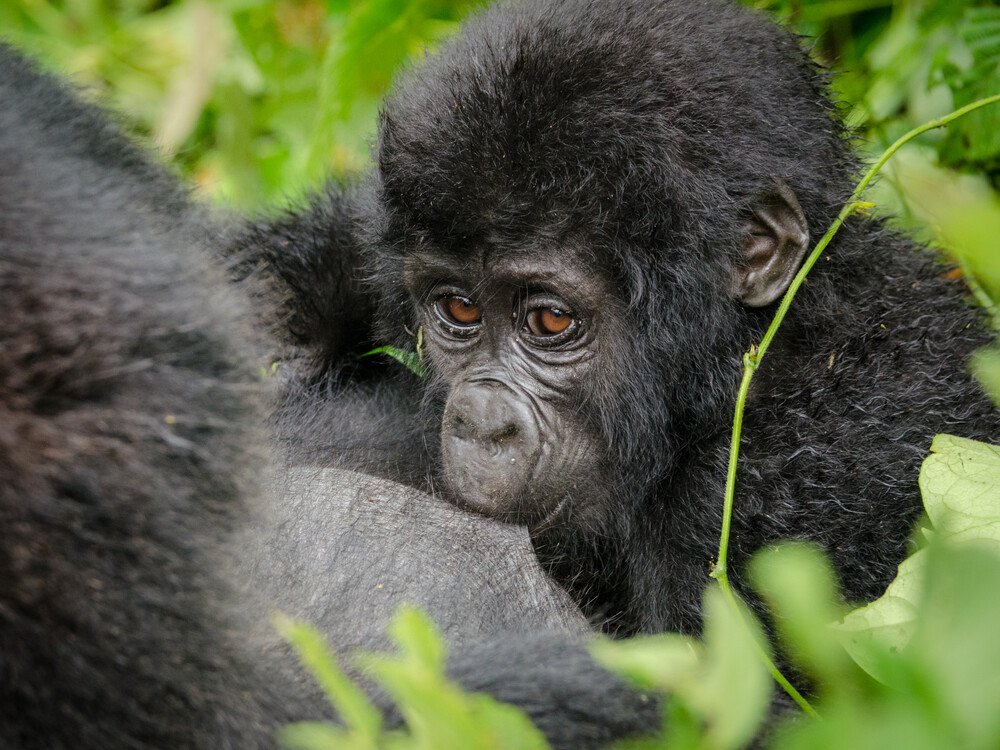
For many visitors, one of the most heartwarming parts of mountain gorilla trekking is observing mothers caring for infants and young gorillas playing within their families.
If seeing baby gorillas is especially important to you, you can communicate that interest before your trekking day.
However, there is no guarantee that the park will assign you a family containing infants, or that the infants will be visible during your encounter.
Gorilla families change naturally through births, deaths, social transfers, and family divisions.
Even if your assigned group includes several young gorillas, thick vegetation may conceal some individuals.
Mother gorillas also spend considerable time holding and protecting their infants, which can make them difficult to photograph.
Rather than making baby gorilla sightings the sole measure of success, approach your safari as an opportunity to appreciate the entire family.
The interactions between adults, silverbacks, juveniles, and infants can all create unforgettable moments.
Can Experienced Hikers Request a More Challenging Gorilla Trek?


Yes. Travelers who enjoy mountain hiking and are comfortable with physically demanding routes may communicate that preference.
A more challenging trek can introduce visitors to spectacular volcanic scenery, dense mountain vegetation, and sections of forest that are less accessible from the usual starting points.
However, a difficult trek does not necessarily provide a better gorilla encounter.
You may spend several hours walking before locating a family that is resting quietly, while another group on an easier route may encounter equally fascinating wildlife behavior.
Likewise, the park authorities cannot guarantee a strenuous route merely because you request one.
The allocation process must consider the actual location of gorillas, guide arrangements, visitor numbers, and operational conditions.
Your priority should be to enjoy the overall wildlife experience rather than judging its quality by the number of hours spent hiking.
Can Couples and Families Trek the Same Gorilla Group?

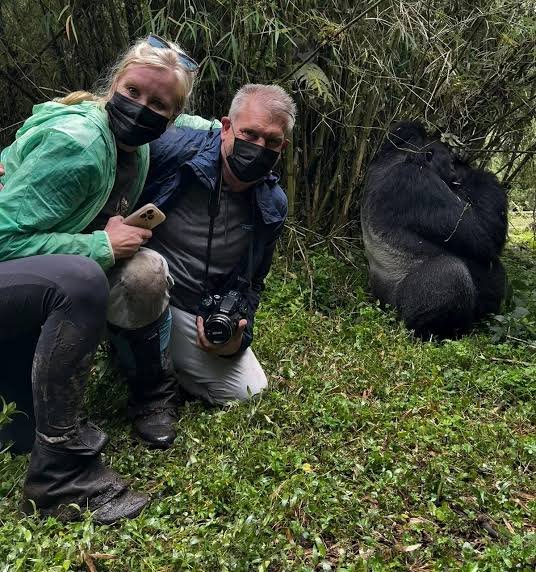
Couples, friends, and families traveling together often wish to experience mountain gorilla trekking as one group.
This is a reasonable preference to communicate to your safari operator and the park allocation team.
Rwanda limits standard trekking groups to a maximum of eight tourists, so parties within that limit may be considered for allocation together.
However, remaining together depends on the park’s operational decisions, visitor fitness levels, and the number of permits associated with the day’s arrangements.
A couple may have similar physical abilities, making joint allocation relatively straightforward.
A family group that includes members with significantly different mobility levels may require additional discussion so the most appropriate trekking arrangement can be considered.
Large groups exceeding eight visitors cannot all participate in one standard trekking group.
If remaining together is especially important, explain this before booking and reconfirm the request during registration.
Does Booking a Luxury Gorilla Safari Allow You to Choose a Family?
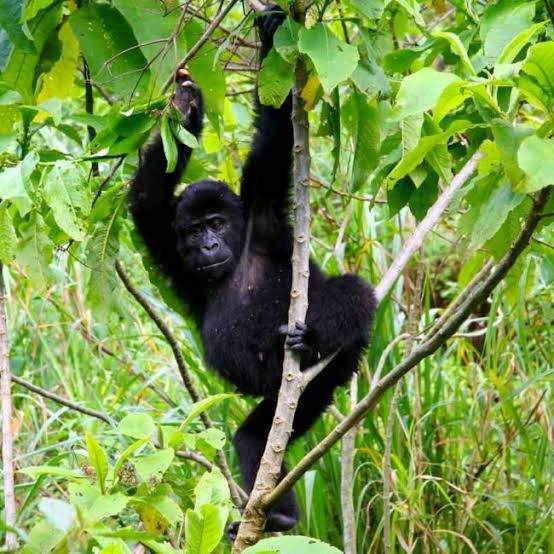
Luxury gorilla trekking packages can provide excellent accommodation, private transportation, personalized service, and carefully arranged logistics.
However, booking an exclusive lodge or paying for a premium safari does not automatically give visitors the right to select a particular gorilla family.
Park conservation rules and allocation procedures apply to all standard permit holders.
A traveler staying at a luxury lodge near Volcanoes National Park must still attend the official briefing and follow the park’s visitor regulations.
Luxury arrangements may make your overall safari more comfortable, particularly through well-organized transfers and accommodation close to the trekking headquarters.
Your safari organizer can also help communicate preferences and physical requirements.
Nevertheless, the final family allocation remains a park authority decision.
The value of a luxury gorilla safari lies in the quality of the complete journey rather than special privileges to approach or select wild animals.
When Do You Find Out Which Gorilla Family You Will Visit?
You normally discover your assigned family during the morning briefing at Kinigi.
The official visitor reporting time is 7:00 a.m., according to Rwanda Development Board’s published booking requirements.
After checking arrangements and organizing visitors, the guiding team explains which gorilla family each group will attempt to reach.
You may then receive information about the family’s background, approximate location, and the terrain expected along the route.
This briefing is an excellent opportunity to ask questions.
For example, you may wish to know whether the trail is steep, whether porter assistance is available, or whether the walk is likely to be particularly demanding.
It is important to arrive on time because late arrival can interfere with the park’s allocation and departure procedures.
Staying near Kinigi or Musanze the previous night can make the morning considerably more comfortable.
How Do Trackers Know Where the Gorilla Families Are?
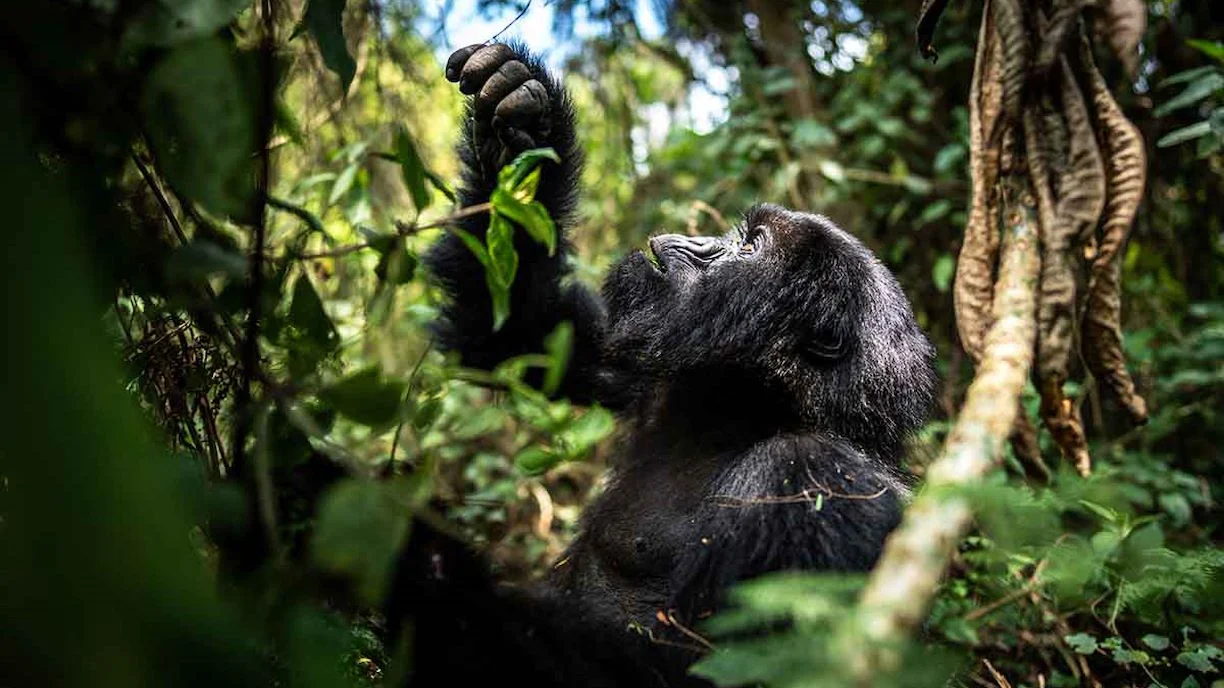
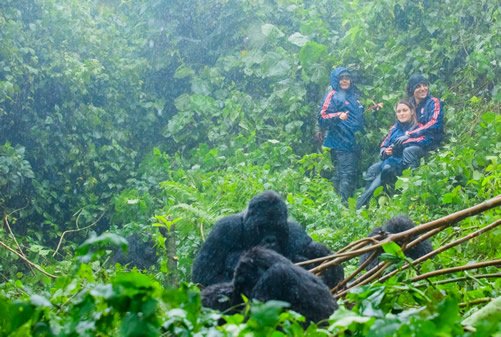
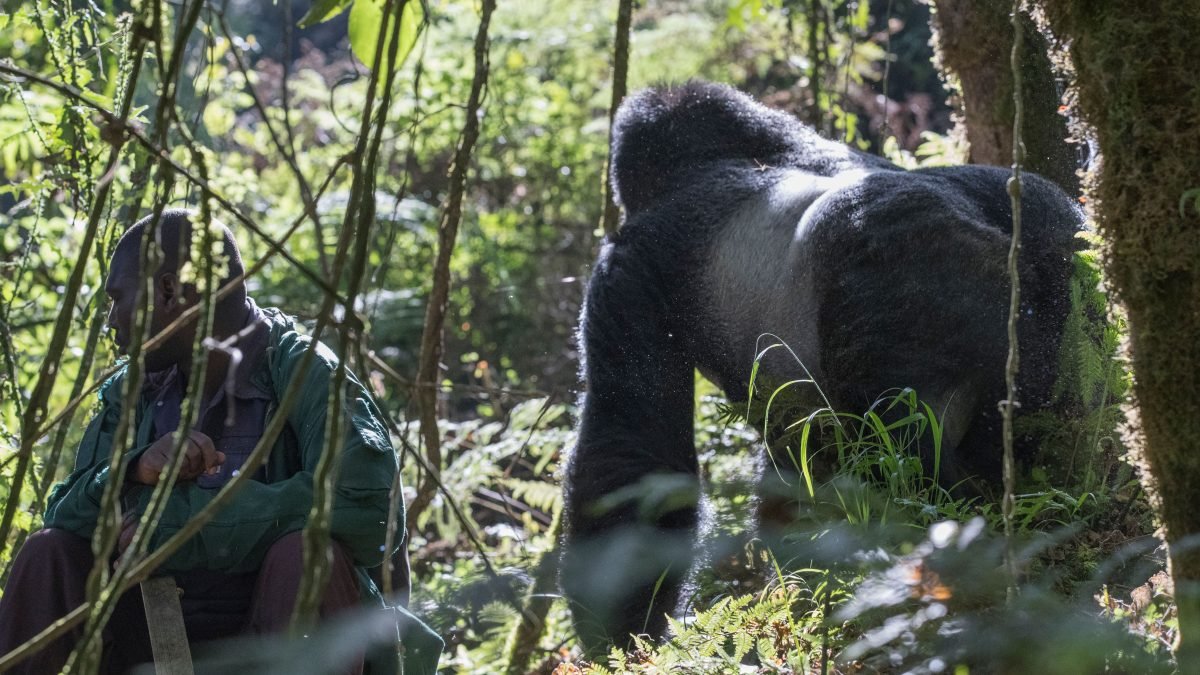
Professional gorilla trackers monitor habituated families and help the guiding teams establish their approximate locations.
These personnel are familiar with the forest landscape and may identify gorilla movements through direct observations, feeding evidence, tracks, nesting areas, and other environmental signs.
Because gorillas travel naturally, the trackers’ knowledge helps park authorities organize trekking assignments and guide visitors toward the families.
However, trackers cannot control where gorillas choose to move.
An animal group may change location between observations, resulting in a longer walk or a different route.
This uncertainty is part of observing wildlife in a natural environment.
It is also why no travel operator should guarantee that a specific gorilla family will always be accessible in a particular area.
Professional monitoring improves the organization of the experience but cannot eliminate the unpredictability of wild animals.
How Long Does It Take to Reach Your Assigned Gorilla Family?
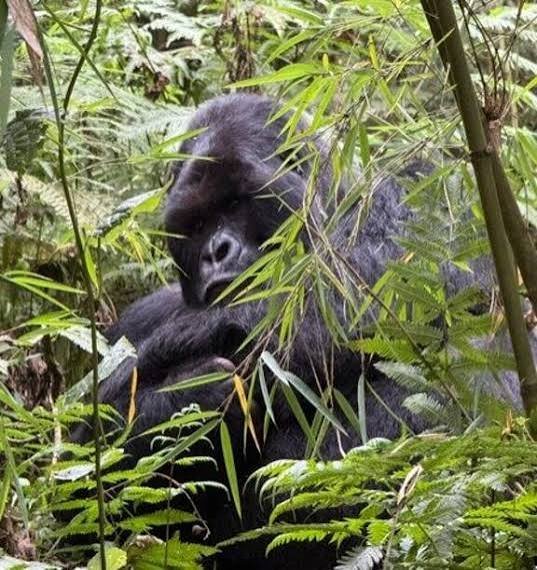

The hiking duration varies according to the gorillas’ location, weather conditions, route difficulty, and the group’s walking pace.
Some families may be reached after a relatively short walk, while others require several hours of hiking through mountain vegetation.
Rwanda Development Board notes that hikes can range from relatively short walks to four hours or more in some circumstances, with the return journey requiring additional time.
Once your group reaches the gorillas, the standard viewing period is limited to one hour.
The time spent hiking is separate from the authorized observation period.
For this reason, travelers should keep the trekking day flexible and avoid scheduling important departures immediately afterward.
A gorilla trekking itinerary should allow enough time for the forest experience and the return transfer without unnecessary pressure.
What Are the Rules for Visiting Your Assigned Gorilla Family?


Rwanda’s gorilla trekking rules are designed to minimize disturbance and protect mountain gorillas from the transmission of human diseases.
The official booking guidance specifies a minimum viewing distance of seven metres, a maximum observation period of one hour, and a limit of eight visitors per group. Park guides may require greater separation when conservation circumstances demand it.
Visitors must also avoid flash photography, keep their voices low, and refrain from sudden movements that might frighten the animals.
People suffering from contagious illnesses may be denied access to protect gorilla health.
Whether your group is famous, relatively large, or historically associated with a particular silverback, conservation and visitor safety remain the priorities.
What Is the Best Strategy for Getting a Suitable Gorilla Family?
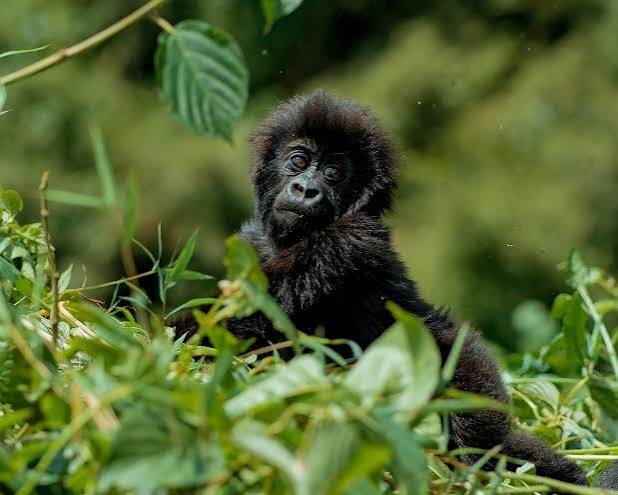
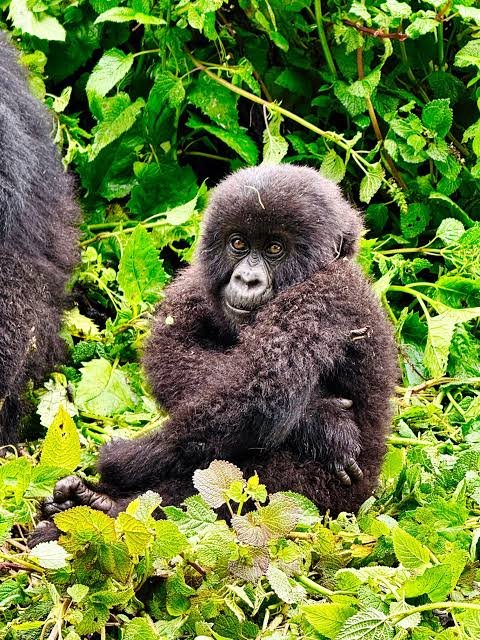
Rather than trying to guarantee a named family, concentrate on identifying the conditions that will make your trek enjoyable.
First, consider your physical ability honestly. If you have difficulty walking on steep terrain, communicate this before your arrival. If you enjoy challenging hikes, you can express that preference too.
Second, think about what you hope to experience. You may be interested in photographing gorilla families, observing infants, or learning about conservation history.
Third, book your permit and accommodation well in advance, especially when traveling during busy periods.
Finally, remain flexible. The family you originally wanted may be difficult to reach, while another group may offer a wonderful encounter.
Remember that the most rewarding gorilla trekking experiences are not necessarily associated with famous family names.
The opportunity to observe wild mountain gorillas in their natural habitat is what makes the adventure extraordinary.
Book Your Rwanda Gorilla Trekking Safari With Nextgen Safaris
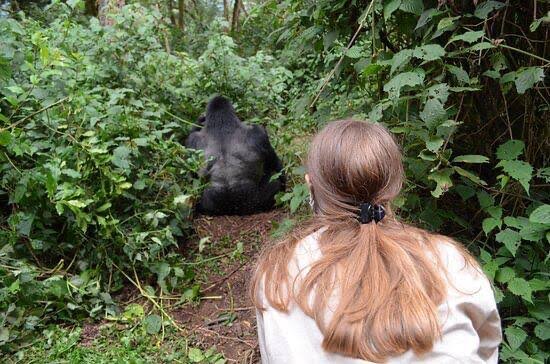
Imagine arriving at the beautiful Virunga Mountains, surrounded by mist-covered volcanic peaks and lush mountain vegetation, before setting out with experienced guides in search of a wild mountain gorilla family. Whether you encounter a magnificent silverback, a mother caring for her infant, or playful young gorillas exploring the forest, the experience can become one of the most memorable moments of your African safari.
Nextgen Safaris organizes personalized Rwanda gorilla trekking holidays designed around your travel dates, accommodation preferences, fitness considerations, and broader safari interests.
Your itinerary can include private transfers from Kigali, carefully selected accommodation near Volcanoes National Park, gorilla trekking permit arrangements, and additional experiences such as golden monkey trekking and cultural excursions.
If you prefer an easier trek, are interested in a particular gorilla family, or hope to enjoy a photography-focused encounter, you can communicate those preferences during the planning process. Nextgen Safaris can help relay relevant requests, while making clear that official gorilla-family allocation remains the responsibility of the park authorities.
Understanding Can You Choose Which Gorilla Family to Trek in Rwanda? helps travelers prepare realistically for one of Africa’s most extraordinary wildlife encounters.
Although you can communicate preferences for a particular family, an easier trekking route, or opportunities to observe young gorillas, the final assignment is normally made during the morning briefing at Volcanoes National Park headquarters in Kinigi.
Whether you are allocated a famous gorilla family or another habituated group, you will have the opportunity to observe remarkable wild primates in one of Africa’s most beautiful protected landscapes.
You may not be able to choose exactly which gorilla family you will trek in Rwanda, but every properly managed encounter offers the extraordinary privilege of witnessing mountain gorillas living freely in their natural home.