Mountain Gorilla Families – Understanding the Social World of Africa’s Gentle Giants
Mountain gorilla families represent one of the most remarkable examples of social organisation in the natural world. Unlike many wildlife species that spend most of their lives alone or only come together temporarily for breeding or survival purposes, mountain gorillas live within closely connected family groups built on strong relationships, cooperation, protection, and generations of shared experiences. Each family develops its own identity through the individual gorillas that make up the group, creating a unique social structure that changes naturally over time.
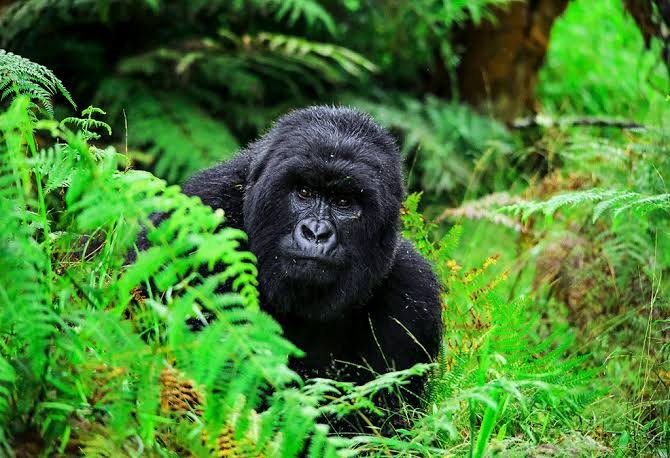
For travellers interested in mountain gorillas, understanding their family life provides a much deeper appreciation of the trekking experience. Seeing a mountain gorilla in the forest is already a rare and unforgettable wildlife encounter, but understanding the relationships behind that sighting transforms the experience completely. A visitor is not simply observing a large primate sitting among vegetation. They are witnessing a complex society where individuals communicate, form emotional bonds, care for younger members, establish leadership roles, and maintain relationships that can continue for many years.
Mountain gorilla families demonstrate many characteristics that make them fascinating to researchers and visitors alike. They show cooperation, social learning, maternal care, leadership, communication, and emotional connections. Their lives are shaped by the same fundamental needs that influence many social species: finding food, protecting young, maintaining relationships, and ensuring the survival of future generations.
Every mountain gorilla family has its own story. Some groups have existed for many decades and have been closely studied by conservationists. Others have developed more recently as young males establish new groups or as existing families naturally divide. The history of each family is shaped by births, deaths, leadership changes, movements, and the relationships between individual gorillas.
This constant development makes mountain gorilla families living examples of natural evolution. They are not fixed groups that remain unchanged year after year. Instead, they are dynamic societies that continue to adapt according to environmental conditions and social circumstances.
Mountain gorilla families are found within two major ecosystems in East Africa: the Virunga Massif and Uganda’s Bwindi Impenetrable Forest. The Virunga Massif extends across Rwanda, Uganda, and the Democratic Republic of Congo, creating one of the most important mountain gorilla habitats in the world. Within this volcanic landscape, gorillas move through forests, bamboo zones, and high-altitude vegetation areas where they find the food and shelter necessary for survival.
The forests of these regions provide more than just a home for mountain gorillas. They are the foundation of their entire social system. The availability of vegetation influences where families travel, how far they move each day, and how they interact with their environment. The protection of these habitats is therefore directly connected to the survival of every gorilla family.
The survival of mountain gorilla families represents one of the greatest achievements in modern conservation. Historically, these animals faced severe challenges, including habitat destruction, human encroachment, illegal activities, and the risks associated with their small population size. Their survival was never guaranteed.
Through decades of conservation work, however, mountain gorillas have experienced a more hopeful future. Scientists, conservation organisations, governments, park authorities, veterinarians, trackers, and local communities have worked together to protect these animals and their habitats.


One of the most important aspects of mountain gorilla conservation has been the understanding of individual families. Researchers do not simply count gorillas as numbers within a population. They study individual animals, learn their histories, monitor their health, and understand their relationships.
This detailed approach allows conservation teams to identify changes within families. They can record when infants are born, when individuals transfer between groups, when a silverback becomes a leader, or when a family divides into separate groups.
The ability to follow individual gorillas throughout their lives has provided scientists with valuable information about mountain gorilla behaviour and social development.
Understanding mountain gorilla families requires looking beyond the traditional image of the powerful silverback. While the silverback is often the most recognisable member of the group because of his size and leadership role, every individual contributes to the success of the family.
A family cannot survive through the actions of one gorilla alone. The strength of mountain gorilla society comes from cooperation between all members.
The silverback provides protection, guidance, and stability, but females play an equally important role by raising infants, maintaining relationships, and contributing to the continuation of the group. Juveniles bring energy and learning into the family through play and exploration. Older males develop social skills that prepare them for future roles.
Each gorilla has a place within the group, and the relationships between individuals create the foundation of family life.
The Meaning of Family Among Mountain Gorillas
The concept of family among mountain gorillas is based on close social connections rather than simply biological relationships. Members of a group spend most of their lives together, travelling, feeding, resting, and communicating as a unit.
A mountain gorilla family is usually formed around a dominant silverback and several females with their offspring. However, the structure can vary considerably depending on the history and development of the group.


Some families contain only a few individuals, while others grow into large groups with many members from different generations. The size of a family does not determine its importance. A small group can have equally strong relationships and an equally fascinating history.
The bonds between family members are maintained through daily interactions. Grooming, resting close together, vocal communication, and physical contact all strengthen relationships within the group.
These behaviours help create trust and stability. For young gorillas especially, being part of a secure family environment is essential for learning and development.
The family provides protection, knowledge, and social guidance. Young gorillas learn where to find food, how to interact with others, and how to behave within their society by observing older members.
This transfer of knowledge between generations is one of the most important aspects of mountain gorilla family life.
The Emotional Connections Within Gorilla Families
One of the most fascinating discoveries about mountain gorillas is the strength of their emotional relationships. Researchers have observed behaviours that demonstrate attachment, affection, and social awareness among individuals.
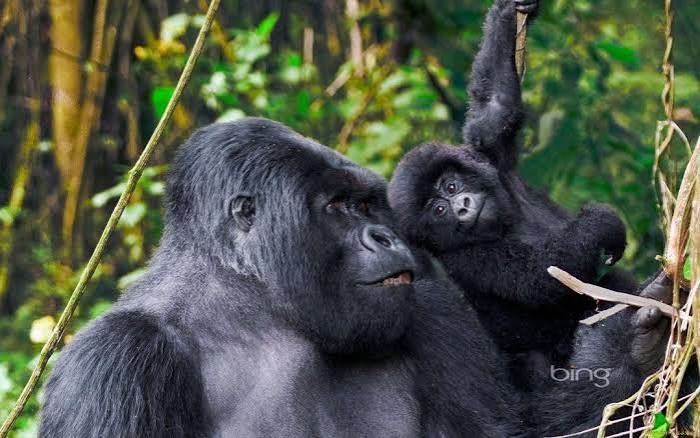
Mothers form extremely strong bonds with their infants. They carry them, protect them, comfort them, and remain close during their early development. These relationships are essential because young gorillas depend heavily on maternal care for survival.
The connection between mother and infant is one of the most powerful examples of family bonding in the animal world.
However, emotional relationships extend beyond mothers and offspring. Other family members may interact with infants, juveniles may develop friendships through play, and adults may maintain long-term social connections.
These relationships demonstrate that mountain gorilla families are not simply organised around survival needs. They are also built around companionship and social connection.
Mountain Gorilla Families as Learning Communities
A mountain gorilla family functions as a place of learning. Young gorillas are not born knowing how to survive independently. They must learn from their environment and from other members of their group.
Juveniles spend years observing adults and developing important skills. They learn which plants to eat, how to move through the forest, how to communicate, and how to interact socially.
Play is one of the most important learning activities. When juveniles wrestle, chase each other, or climb trees, they are developing physical abilities and practising behaviours that will be important later in life.
Through play, they learn boundaries, cooperation, and social communication.
Older members of the family serve as teachers, even without deliberate instruction. Young gorillas learn simply by watching and participating in daily family activities.
This transfer of knowledge ensures that each generation is prepared to continue the family’s survival.
Communication Within Mountain Gorilla Families
Communication is essential for maintaining relationships within mountain gorilla families. Gorillas use a combination of sounds, body language, facial expressions, and physical interactions to communicate with one another.
Different vocalisations can express different messages, including warnings, reassurance, excitement, or contact between individuals.
Body language is also extremely important. A silverback may use posture and movement to communicate authority, while younger gorillas may use playful gestures to encourage interaction.
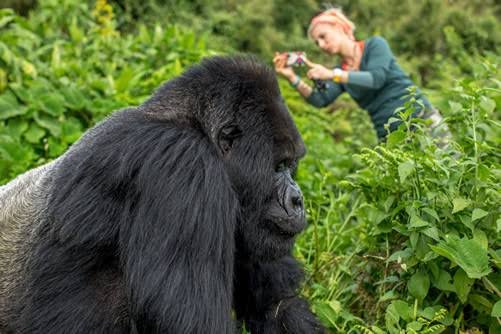
Physical contact strengthens social bonds. Grooming, touching, and resting close together help maintain relationships and reduce tension within the group.
Visitors observing mountain gorilla families often notice how much communication occurs even when the animals appear quiet. A simple movement, glance, or sound can carry meaning between individuals.
This complex communication system is one of the reasons mountain gorillas are considered among the most socially intelligent mammals.
The Changing Nature of Mountain Gorilla Families
Although mountain gorilla families are built on strong relationships, they are constantly changing. New individuals are born, older gorillas pass away, and social structures develop over time.
A family that exists today may look different several years from now.
Young males eventually mature and may leave their birth group to establish their own families. Females may transfer between groups, contributing to genetic diversity. Leadership may change when a dominant silverback becomes older or another male takes over.
These changes are natural and important for the long-term survival of mountain gorilla populations.
The ability of families to adapt and develop demonstrates the resilience of these animals.
Why Mountain Gorilla Families Matter for Conservation
Protecting mountain gorilla families is about more than preserving a species. It is about protecting entire social communities that have developed over generations.
Every family represents a unique collection of individuals, relationships, and histories. Losing a family member affects the structure of the group. Losing a family would mean losing an entire social unit with its own knowledge and identity.
This is why conservation efforts focus heavily on monitoring individual gorillas and understanding family dynamics.
The survival of mountain gorilla families depends on continued protection of their forests, responsible tourism, scientific research, and cooperation with communities living near protected areas.
When travellers visit responsibly, they contribute to a conservation system that helps ensure these families continue to exist for future generations.
Experiencing Mountain Gorilla Families Through Trekking
A mountain gorilla trekking experience offers a rare opportunity to witness these family structures directly.
When visitors enter the forest, they are not simply searching for an animal. They are entering the environment where mountain gorilla families live, interact, and raise their young.
The moment a family is found, visitors may observe many aspects of gorilla life. A silverback may be resting nearby, females may be feeding, juveniles may be playing, and infants may remain close to their mothers.
Every encounter is different because every family has its own personality and behaviour.
The experience creates a connection between people and wildlife that few other encounters can provide.
Seeing mountain gorilla families in their natural environment reminds visitors that conservation is not only about protecting animals from extinction. It is about preserving the relationships, behaviours, and natural systems that make these animals unique.
Mountain gorilla families are living examples of cooperation, resilience, and the importance of social bonds. Their continued survival represents hope for conservation and a reminder of the responsibility humans have to protect the natural world.
The Social Structure of Mountain Gorilla Families
Mountain gorilla families are organised around some of the strongest social bonds found among wild animals. Unlike many species where individuals come together only temporarily for reproduction or protection, mountain gorillas spend most of their lives within stable family groups where cooperation, trust, and long-term relationships are essential for survival. These groups function as closely connected communities where every individual has a role and where relationships between members influence the wellbeing of the entire family.
At the centre of most mountain gorilla families is the dominant silverback, a fully mature male recognised by the distinctive silver hair that develops across his back as he reaches adulthood. The silverback is often considered the leader of the group because he carries many important responsibilities that contribute to the stability and protection of the family.
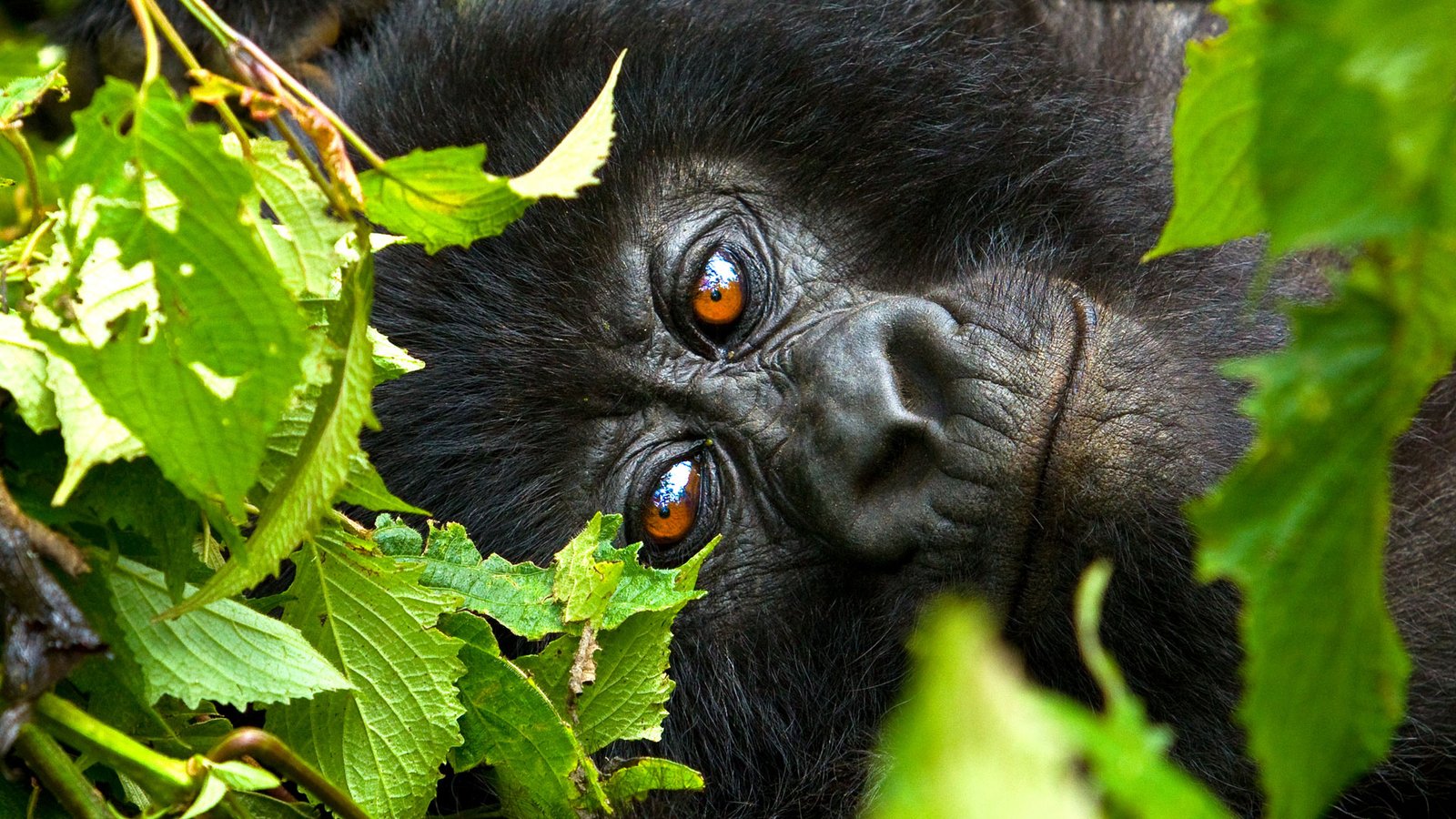
His role involves much more than physical strength. Although his large size and powerful body make him capable of defending the group, successful leadership requires experience, awareness, patience, and the ability to maintain social relationships. A silverback must understand the needs of the family, respond to environmental challenges, and make decisions that support the survival of all members.
One of his main responsibilities is guiding the movement of the group. Mountain gorillas spend much of their day searching for food because their diet consists mainly of leaves, shoots, stems, roots, and other vegetation. The silverback influences where the family travels, helping the group move between feeding areas while ensuring that younger and more vulnerable members remain protected.
The choice of resting locations is also important. After feeding, mountain gorillas need safe areas where they can rest, interact, and build temporary nests for sleeping. The silverback plays an important role in determining where the group settles, taking into consideration factors such as safety, available vegetation, and the movement of other gorilla groups.
Protection is another major responsibility of the dominant silverback. Although mountain gorillas are generally peaceful animals, conflicts can occur when unfamiliar groups meet or when another male approaches the family. In such situations, the silverback may use vocalisations, body posture, chest beating, and displays of strength to communicate his presence and discourage confrontation.
These displays are not always signs of aggression. In many cases, they are methods of communication designed to prevent unnecessary physical conflict. A confident silverback can often protect his family through his presence alone.
However, leadership among mountain gorillas is not based purely on dominance or physical power. A silverback must also maintain strong social relationships within the group. The females in the family play an important role in determining the stability of the group because they choose their social associations and contribute to the continuation of the family.
A silverback that provides protection, stability, and a safe environment is more likely to maintain strong relationships with females. These bonds influence the long-term success of the group because reproduction and family growth depend on healthy social connections.
This demonstrates that mountain gorilla society is built on cooperation rather than simple dominance. The silverback leads because he has earned the trust and acceptance of the group, not merely because he is the strongest individual.
The Members of a Mountain Gorilla Family
A mountain gorilla family usually contains several different categories of individuals, each contributing to the overall functioning of the group. Although the dominant silverback receives much attention, the family depends on the combined efforts and relationships of all its members.
Adult females are among the most important members of the group. They are responsible for reproduction and raising the next generation. Female gorillas form strong bonds with their infants and spend years providing care, protection, and guidance.
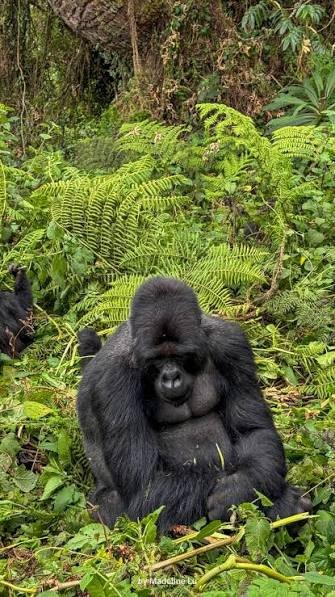

The relationship between mothers and young gorillas is one of the most important elements of mountain gorilla family life. Infants depend completely on their mothers during their early years, staying close for protection and learning essential behaviours through observation.
Adult females also contribute to the social stability of the family. Their relationships with other members help maintain harmony within the group. They communicate with other gorillas, participate in social interactions, and influence the overall atmosphere of the family.
Additional males may also be present within a gorilla family. These males may include younger individuals that have not yet established their own groups or other mature males that live alongside the dominant silverback.
Their presence can provide additional protection and contribute to the social complexity of the group. Some younger males remain within their birth families for several years while developing the physical and social skills required for adulthood.
Blackbacks, which are younger males that have not yet developed the full silver colouring of a mature male, represent an important stage in gorilla development. They learn by observing the dominant silverback and interacting with other members of the group.
Over time, some of these males may leave and begin independent lives. Eventually, they may establish their own families if they successfully form relationships with females.
Juveniles are among the most active members of mountain gorilla families. Their behaviour often reveals the intelligence and curiosity of these animals. Juveniles spend much of their time playing, exploring, and interacting with other members.
Although play may appear like simple entertainment, it is essential for development. Through play, young gorillas practise movement, communication, problem-solving, and social behaviour. These experiences prepare them for adulthood and help them understand their place within the family.
Infants represent the future of every mountain gorilla family. Their survival is essential because mountain gorillas reproduce slowly, and each new generation contributes significantly to population growth.
Infants remain closely connected to their mothers during the earliest stages of life. They are carried through the forest, protected from danger, and gradually introduced to other family members.
Watching an infant interact with a mother or explore the environment provides one of the clearest examples of the emotional connections that exist within mountain gorilla societies.
Family Relationships and Cooperation
The strength of mountain gorilla families comes from cooperation between individuals. Members of the group depend on each other for protection, learning, companionship, and survival.
A family travelling through the forest moves as a coordinated unit. Individuals communicate through sounds, gestures, and body movements to maintain contact and understand one another.
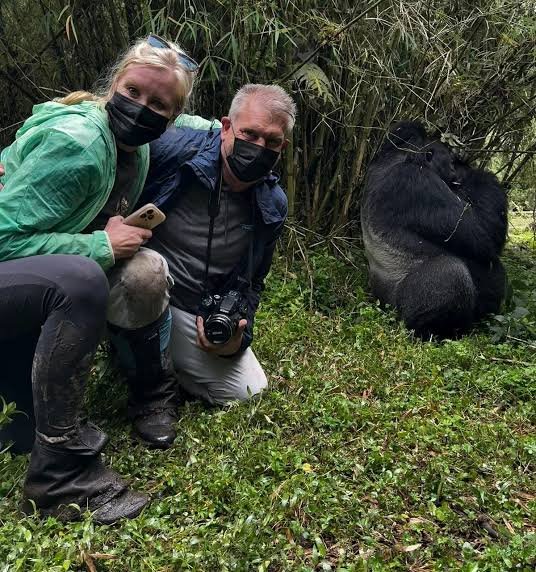
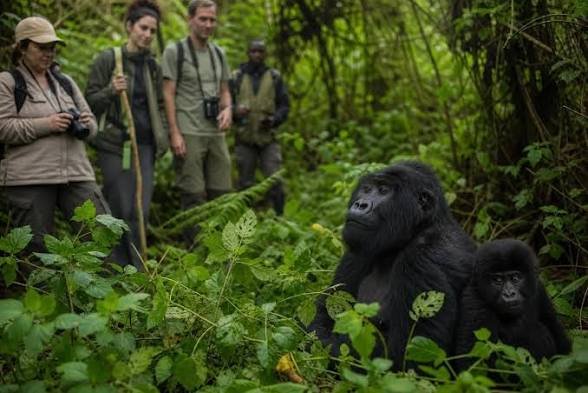
Social grooming is another important behaviour that strengthens relationships. Gorillas may spend time cleaning one another’s fur, reinforcing trust and reducing tension between individuals.
Resting together also plays an important role in maintaining family bonds. During periods of rest, members often remain close to one another, allowing social relationships to continue developing.
These behaviours demonstrate that mountain gorilla families are not simply groups that stay together because of necessity. They actively maintain relationships that provide emotional and social benefits.
The close connections within these families are particularly important for young gorillas. Growing up within a stable group allows them to learn from multiple individuals and develop the skills needed for adulthood.
How Mountain Gorilla Families Change Over Time
Although mountain gorilla families are often stable for many years, they are not permanent structures. They continue to change through natural events such as births, deaths, maturity, and changes in leadership.
Births add new members and strengthen the future of the family. Each infant represents another generation and contributes to the continuation of the group.
As young gorillas grow older, their roles gradually change. Juveniles become independent, young males develop strength and confidence, and females may eventually move between groups.
Leadership transitions are also a natural part of mountain gorilla society. A dominant silverback may lead a family for many years, but eventually another male may take over due to age, competition, or natural changes.
When leadership changes occur, the structure of the family may also change. The new leader may influence movement patterns, social relationships, and interactions within the group.
These changes are not signs of instability. They are part of the natural development of mountain gorilla societies.
The Importance of Social Bonds in Survival
The social structure of mountain gorilla families plays a critical role in their survival. Living together provides advantages that individuals would not have alone.
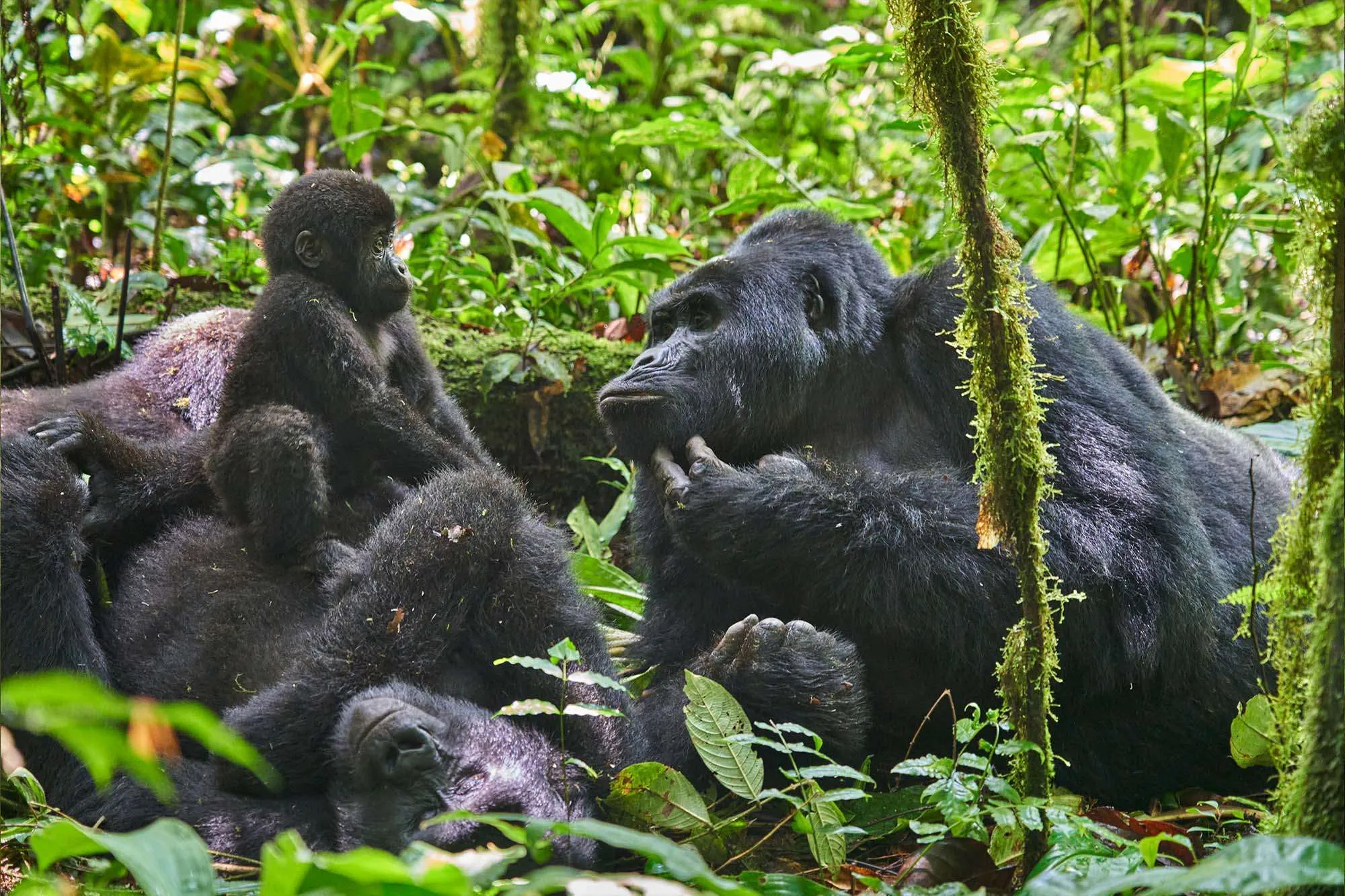
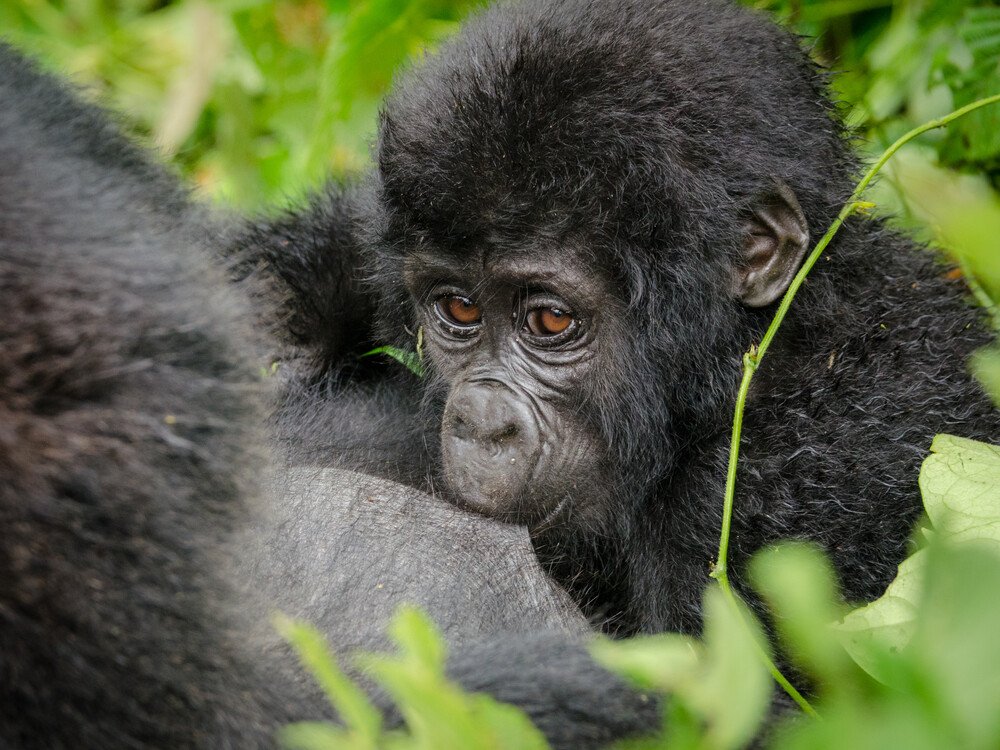
A family group offers protection against threats, assistance in raising young, and opportunities for learning. Younger gorillas benefit from the knowledge and experience of older members, while adults benefit from cooperation within the group.
The strength of these relationships is one reason mountain gorillas have been able to survive despite historical challenges.
For conservationists, understanding these social structures is extremely important. Protecting mountain gorillas requires more than protecting individual animals. It requires protecting the family systems that allow them to reproduce, learn, and survive.
Researchers therefore monitor not only population numbers but also relationships between individuals, leadership patterns, births, and family development.
Experiencing Mountain Gorilla Family Social Structure During Trekking
One of the most rewarding aspects of mountain gorilla trekking is witnessing these social relationships directly. Visitors entering the forest are not simply observing animals; they are seeing a living family system in action.
A trek may reveal a silverback calmly watching over the group, females caring for young, juveniles playing, and different members interacting naturally.
Every encounter provides a different view of mountain gorilla society because each family has its own personality and history.
Understanding the social structure behind the encounter makes the experience much more meaningful. Instead of seeing individual animals, visitors begin to recognise a community of connected beings with relationships, responsibilities, and shared experiences.
Mountain gorilla families demonstrate that survival is not only about strength. It is about cooperation, trust, and the powerful bonds that connect individuals across generations. Their social world remains one of the most fascinating examples of family life in the natural world.
The Role of the Silverback in a Gorilla Family
The silverback is often the most recognisable and impressive member of a mountain gorilla family. During a gorilla trekking experience, visitors are naturally drawn to this powerful male because of his enormous size, commanding presence, and unique appearance. A fully mature silverback develops a distinctive area of silver-grey hair across his back and shoulders, a feature that appears as he reaches adulthood and gives him the name “silverback.”
His physical appearance reflects years of growth and maturity. A silverback has broad shoulders, a large chest, powerful arms, and a muscular body that allows him to move through dense forest environments with strength and confidence. However, the true importance of a silverback extends far beyond his size. His role within the family is based on leadership, protection, experience, and maintaining strong social relationships.
A dominant silverback is the central figure that helps maintain stability within the gorilla family. He acts as a protector, guide, decision-maker, and social anchor for the group. The survival and wellbeing of the family depend heavily on his ability to create a safe environment where females can raise infants and younger gorillas can develop.
Unlike the common image of a dominant male that controls a group through aggression, mountain gorilla leadership is much more complex. A successful silverback does not simply rely on physical strength. He must demonstrate patience, awareness, confidence, and the ability to maintain relationships with other members of the family.
His leadership is developed over many years of experience. A mature silverback understands the environment, recognises potential dangers, and knows how to respond to different situations. His knowledge helps the family navigate the challenges of life in the forest.
The Silverback as the Protector of the Family
One of the most important responsibilities of a silverback is protecting the family. Although mountain gorillas are generally peaceful animals and have few natural predators, their social groups can still face challenges from other gorilla families, unfamiliar males, and changes within their environment.
A silverback constantly monitors what is happening around the group. He listens to sounds in the forest, observes movements, and positions himself in ways that allow him to respond quickly if necessary.
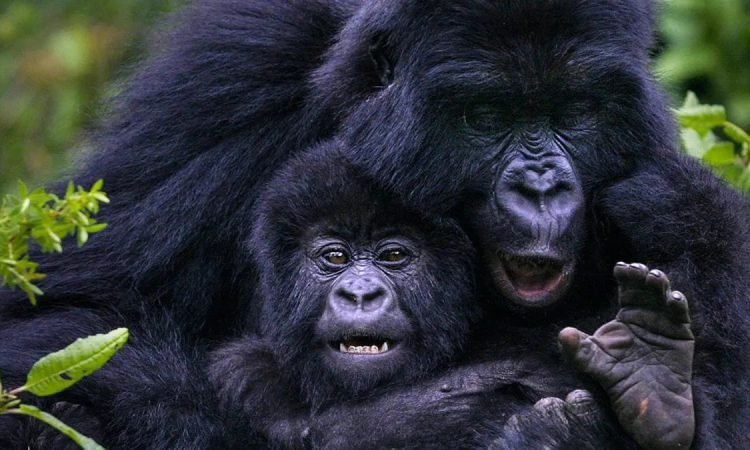
When another gorilla group approaches, or when a lone male comes close, the silverback may display his strength through vocalisations, chest beating, standing upright, moving aggressively, or making powerful gestures. These behaviours communicate confidence and are often intended to prevent serious conflict.
The purpose of these displays is not always to start a fight. In many situations, the silverback is attempting to demonstrate that his family is protected and that confrontation is unnecessary.
This ability to manage threats through communication shows the intelligence of mountain gorillas. Their social interactions are not based only on physical competition but also on understanding, signalling, and decision-making.
A silverback’s protective role is especially important for infants and younger gorillas. Young members of the family are vulnerable because they lack the strength and experience of adults. The presence of a strong and stable silverback allows mothers to raise their offspring in a safer environment.
When danger appears, the silverback often places himself between the threat and the rest of the family. His size and confidence discourage potential challenges and provide reassurance to other members.
This protective behaviour demonstrates that leadership within gorilla families involves responsibility rather than simply dominance.
The Silverback as the Leader and Decision-Maker
The daily movement of a mountain gorilla family is strongly influenced by the dominant silverback. He helps determine where the group travels, where it feeds, and where it rests.
Mountain gorillas spend a significant part of each day feeding because their diet consists mainly of vegetation. They move through the forest searching for suitable plants, leaves, shoots, stems, and other available food sources.
The silverback helps guide these movements by leading the group through different areas of the forest. His experience allows him to understand the environment and make decisions that benefit the entire family.
A family does not move randomly. Their movements are influenced by food availability, safety, weather conditions, and social circumstances. The silverback plays an important role in coordinating these decisions.
Resting areas are also important. After feeding, gorillas need safe locations where they can relax, interact, and conserve energy. The silverback helps determine where the family settles during these periods.
At night, each member constructs a temporary sleeping nest using vegetation. The location chosen by the family depends on factors such as safety, comfort, and environmental conditions.
Through these daily decisions, the silverback contributes to the overall survival and wellbeing of the group.
The Silverback and Social Stability
Beyond protection and movement, one of the most important roles of a silverback is maintaining social stability within the family.
Mountain gorilla groups contain individuals with different personalities, ages, and relationships. Like any social community, disagreements and tensions can occur. The silverback helps maintain order by controlling conflicts and ensuring that relationships remain balanced.
His presence creates a sense of security among other members. Females, juveniles, and younger males know that the group has a leader capable of responding to challenges.
A calm and confident silverback often creates a peaceful atmosphere within the family. Visitors frequently observe that despite their enormous size, these animals spend much of their time quietly feeding, resting, and interacting rather than displaying aggression.
The peaceful behaviour of silverbacks is one of the most surprising discoveries for many travellers. People often expect these powerful animals to behave aggressively because of their size and strength. However, most encounters reveal a very different picture.
A silverback may sit calmly while surrounded by females and young gorillas. He may spend long periods eating vegetation, resting beneath trees, or simply observing his surroundings.
These quiet moments often provide the clearest understanding of his true character. His strength is not demonstrated through constant aggression but through his ability to maintain peace and protect his family.
The Silverback’s Relationship with Female Gorillas
The relationship between a silverback and the females within his family is essential for the stability and future of the group.
Female gorillas play a central role in choosing their social relationships. A silverback must provide security, stability, and protection to maintain strong bonds within the family.
A successful leader creates an environment where females can safely raise their young and where the group can continue growing.
The relationship between the silverback and females is not simply about reproduction. It involves trust and social connection. Females remain close to males who provide protection and stability.
These relationships influence the structure and development of the family over many years.
When a silverback successfully maintains strong bonds with females, the group becomes more stable and has greater chances of producing future generations.
The Silverback and Young Gorillas
One of the most fascinating aspects of silverback behaviour is their relationship with younger members of the family.
Although mothers provide the majority of infant care, the silverback plays an important role in creating a secure environment where young gorillas can grow.
Young gorillas learn by observing all members of the group, including the silverback. They watch his behaviour, follow his movements, and develop an understanding of social rules within the family.
Juveniles often interact with the silverback through play. They may approach him, climb near him, or move around him while exploring their environment.
A patient silverback often tolerates this behaviour, allowing young gorillas to develop confidence and social skills.
These interactions reveal the gentle side of mountain gorilla leadership. Despite their enormous strength, silverbacks can display patience and tolerance toward younger family members.
The Silverback During a Gorilla Trekking Experience
For many visitors, seeing a silverback is the highlight of a mountain gorilla trek. The moment when a traveller encounters this powerful animal in the forest is often unforgettable.
However, the most meaningful encounters are not always dramatic. Some of the most memorable moments occur when the silverback is simply behaving naturally.
A visitor may observe a silverback peacefully feeding among vegetation, resting while other family members move around him, or watching over juveniles playing nearby.
These moments provide a rare opportunity to see mountain gorillas as they truly are.
The experience is powerful because visitors are witnessing a real family interaction rather than a performance. The silverback is not acting for observers. He is simply continuing his normal role within the group.
This creates a deeper connection between humans and wildlife.
Silverbacks and Conservation Importance
Understanding the role of silverbacks is also important for mountain gorilla conservation. Researchers monitor dominant males because their leadership influences the survival and development of entire families.
The health, behaviour, and social position of silverbacks provide valuable information about the condition of gorilla populations.
When a dominant male dies or leadership changes, conservation teams closely observe how the family responds. These transitions can affect group movements, relationships, and future development.
By studying silverbacks, researchers gain insight into the complex social systems that allow mountain gorillas to survive.
The True Meaning of a Silverback’s Strength
The strength of a silverback should not only be measured by physical power. His greatest strength comes from his ability to protect, guide, and maintain relationships within the family.
A silverback represents leadership, responsibility, and stability. He ensures that younger generations have the opportunity to grow, learn, and continue the family line.
For travellers experiencing mountain gorilla trekking, observing a silverback offers more than a wildlife sighting. It provides a glimpse into one of nature’s most fascinating examples of family leadership.
Behind the impressive size and powerful appearance is an animal whose life is defined by care, responsibility, and connection. The silverback is not simply the strongest gorilla in the forest; he is the foundation upon which the entire family depends.
The Importance of Female Mountain Gorillas
Female mountain gorillas are among the most important members of every gorilla family. While the dominant silverback often receives the greatest attention because of his impressive size and leadership role, the survival and future of every mountain gorilla group depend heavily on the females. They are responsible for reproduction, raising the next generation, maintaining important social relationships, and contributing to the stability of the entire family.
A mountain gorilla family cannot continue without healthy and successful females. They represent the connection between generations because they give birth to infants, protect young gorillas during their most vulnerable years, and pass knowledge and social behaviours from one generation to the next. Their role is not simply biological; it is also social and emotional.
Female mountain gorillas help create the strong family bonds that define gorilla societies. Their interactions with other members influence the peaceful functioning of the group, and their relationships with silverbacks, juveniles, and other females contribute to the overall stability of the family.
Although they may not always be the most visually dominant individuals during a gorilla trekking experience, females are essential to understanding the true structure and success of mountain gorilla families.
Female Gorillas and Reproduction
The most important contribution of female mountain gorillas is their role in reproduction. Because mountain gorillas reproduce slowly, every birth is extremely valuable for the future of the species.
A female gorilla invests significant time and energy into raising each infant. Unlike many smaller mammals that can produce many offspring in a short period, mountain gorillas usually have long intervals between births. This means that the survival of each young gorilla has a major impact on population growth.
The process of raising an infant requires years of dedication. A mother gorilla provides constant care during the earliest stages of life, ensuring that her infant receives protection, nutrition, warmth, and guidance.
The close relationship between mother and infant begins immediately after birth. Newborn gorillas depend almost completely on their mothers for survival. They cling tightly to their mother’s body as she moves through the forest, feeds, rests, and interacts with other family members.
As the infant grows stronger, the mother gradually allows more independence. The young gorilla begins exploring the environment, interacting with other members of the family, and developing the skills necessary for later life.
This slow process of development demonstrates the importance of maternal care within mountain gorilla societies.
The Strong Bond Between Mother and Infant
The relationship between a female mountain gorilla and her infant is one of the most powerful examples of family connection in the animal world. Mothers provide not only physical care but also emotional security that helps young gorillas develop confidence and social skills.
During the early months and years of life, an infant remains extremely close to its mother. The mother carries the infant through the forest, protects it from danger, and responds to its needs.
She teaches the infant how to behave within the family by providing an example through her own actions. Young gorillas learn how to communicate, move, feed, and interact by watching their mothers and other adults.
The bond continues even as the infant becomes more independent. Older juveniles may still remain close to their mothers while exploring their surroundings and learning from the wider family.
For visitors on a mountain gorilla trek, observing this relationship can be one of the most emotional parts of the experience. Seeing a mother gently care for her young reveals the intelligence, patience, and affection that exist within gorilla societies.
These moments also challenge outdated ideas that animals are driven only by instinct. Mountain gorilla mothers demonstrate complex behaviours based on attachment, protection, and social awareness.
Female Gorillas as Teachers of the Next Generation
Female mountain gorillas play a major role in teaching young members of the family. Although infants learn from many individuals, mothers are their first and most important source of knowledge.
Young gorillas do not automatically understand how to survive in the forest. They must learn which plants are suitable for feeding, how to move safely through different environments, how to communicate with others, and how to behave socially.
Much of this learning happens through observation. A young gorilla watches its mother closely and gradually copies her behaviour.
When the mother moves through the forest, the infant learns how to travel. When she feeds, the young gorilla learns which vegetation is suitable. When she interacts with other family members, the infant begins understanding social relationships.
This transfer of knowledge between generations is essential because mountain gorillas depend on learned behaviours as much as natural instincts.
Every female that successfully raises an infant contributes to preserving the knowledge and traditions of the family.
Female Gorillas and Family Stability
Female mountain gorillas contribute significantly to maintaining harmony within the family. Although the silverback provides leadership and protection, females help create many of the social connections that hold the group together.
Females form relationships with other members through regular interaction, communication, and shared activities. These connections reduce tension and encourage cooperation within the group.
A stable family is not created only by the presence of a dominant male. It depends on the relationships between all individuals, including females.
Female gorillas often spend time together, especially when raising young. Their social interactions help create a supportive environment where infants and juveniles can develop safely.
The presence of multiple females with different experiences also benefits the group. Older females may provide social knowledge, while younger females contribute to the future growth of the family.
Together, they create a balanced social structure.
Female Gorilla Movements Between Families
One of the most fascinating aspects of female mountain gorilla behaviour is their ability to move between different families. Unlike some animal species where females remain permanently within their birth groups, female mountain gorillas may transfer between groups during their lives.
This movement plays an important role in maintaining genetic diversity within the population.
When females join different families, they introduce new genetic connections that help prevent isolated populations. This strengthens the overall health and resilience of mountain gorilla communities.
Female transfers can happen for different reasons, including social relationships, reproductive opportunities, and natural changes within groups.
A female joining a new family must establish relationships with unfamiliar individuals. She must adapt to a new social environment, interact with a different silverback, and become accepted by other members.
This process demonstrates the social intelligence and adaptability of mountain gorillas.
Females are not passive members of the family. Their movements influence the development of groups and contribute directly to the future of the species.
The Role of Females in Genetic Diversity
Genetic diversity is essential for the long-term survival of any species. When populations become too isolated, there is a greater risk of reduced genetic health.
Female mountain gorillas contribute to maintaining diversity by moving between families and creating connections between different groups.
Each female carries unique genetic information that she passes to future generations. By joining different families, females help strengthen the overall population.
This role is especially important for endangered species such as mountain gorillas, where population numbers remain limited and conservation efforts must focus on maintaining healthy breeding populations.
Protecting female gorillas is therefore one of the most important priorities in mountain gorilla conservation.
Female Gorillas and Social Communication
Female mountain gorillas are active participants in family communication. They use vocalisations, facial expressions, body movements, and physical contact to interact with other members.
Communication helps females maintain relationships, express emotions, and coordinate activities within the group.
A mother may communicate with her infant through gentle sounds and physical contact. Females may interact with one another through grooming and resting together.
These behaviours strengthen relationships and create a sense of belonging within the family.
Researchers have observed that gorilla communication is highly complex. Individuals can recognise one another, respond to social situations, and maintain long-term relationships.
Female gorillas play a major role in this communication network.
Female Gorillas and the Experience of Gorilla Trekking
For many visitors, seeing a female mountain gorilla during a trek provides some of the most memorable moments of the experience.
While the silverback may initially attract attention because of his size, females often reveal the emotional heart of the family.
Watching a mother care for an infant, observing females feeding together, or seeing interactions between different members provides a deeper understanding of gorilla life.
These moments show that mountain gorilla families are built on relationships rather than simply survival.
A visitor who takes time to observe females often discovers the true complexity of gorilla society. They see mothers protecting their young, adults communicating, and individuals contributing to the peaceful functioning of the group.
Female Gorillas and Conservation Success
The protection of female mountain gorillas is central to conservation success. Without healthy females producing and raising young, population recovery would not be possible.
Conservation teams monitor female gorillas carefully, recording births, reproductive health, movements, and family relationships.
Every successful birth represents progress in protecting the species.
Female gorillas also demonstrate why conservation must focus on entire ecosystems rather than individual animals. They need safe habitats where they can feed, reproduce, and raise their young without disturbance.
Protecting forests, supporting responsible tourism, reducing disease risks, and working with local communities all contribute to creating conditions where female gorillas can thrive.
The Unsung Heroes of Mountain Gorilla Families
Female mountain gorillas may not always receive the same attention as silverbacks, but their contribution to family life is equally important. They are mothers, teachers, caregivers, and social connectors within their communities.
They represent the future of mountain gorilla populations and ensure that knowledge, relationships, and family traditions continue across generations.
A mountain gorilla family is only successful because every member plays a role, and females are at the centre of this success.
Their patience, strength, and dedication demonstrate the remarkable complexity of gorilla societies. Understanding the importance of female mountain gorillas allows visitors and conservation supporters to appreciate these animals not only as endangered wildlife but as intelligent, caring, and deeply social beings.
Protecting female gorillas means protecting the future of entire mountain gorilla families. Their survival ensures that future generations will continue to experience the extraordinary beauty of these gentle giants living freely in Africa’s ancient forests.
Infants and the Future of Mountain Gorilla Families
Mountain gorilla infants represent the future of their families and the continued survival of one of the world’s most remarkable endangered species. Every birth within a mountain gorilla group is a significant event because these animals reproduce slowly, and the development of each new individual requires years of care, protection, and learning before they become independent members of the family.
Unlike many other mammals that produce several offspring over short periods, mountain gorillas invest enormous time and energy into raising each infant. A mother usually focuses on caring for one young gorilla at a time, providing constant attention throughout the early stages of life. This slow reproductive process means that every infant carries great importance for conservation efforts and the long-term stability of mountain gorilla populations.
A newborn gorilla does not simply represent another member of the group. It represents the continuation of generations of mountain gorilla families. The birth of an infant means that the knowledge, relationships, and social traditions of the family can continue into the future.
The first years of an infant’s life are completely dependent on the mother. From the moment of birth, the infant relies on her for warmth, protection, transportation, and nourishment. The mother carries the young gorilla close to her body as she moves through the forest, feeds, rests, and interacts with other members of the family.
This close relationship allows the infant to feel secure while developing physically and socially. The mother becomes the infant’s first teacher, introducing it to the environment and gradually helping it understand how to survive within the family group.
During these early stages, the infant develops strength and coordination through constant interaction with its mother and surroundings. Simple movements such as holding onto the mother, climbing, reaching, and exploring nearby vegetation are important steps in physical development.
As the infant grows stronger, it begins spending more time observing other members of the family. Although the mother remains the most important figure, the wider group also contributes to the infant’s learning and development.
The Early Development of Mountain Gorilla Infants
The early life of a mountain gorilla infant is a period of rapid learning and discovery. Unlike humans, gorillas are born with some natural abilities, but many important behaviours must be learned through observation and experience.
Young gorillas spend much of their time watching adults. They observe how family members move through the forest, communicate with one another, find food, and respond to different situations.
This process of learning is essential because mountain gorilla survival depends not only on physical strength but also on knowledge passed between generations.
An infant learns which plants are suitable for feeding by observing older gorillas. It learns how to interact socially by watching communication between family members. It learns where to move and how to behave by following the example of adults.
This gradual development ensures that young gorillas are prepared for independence later in life.
The learning process is not rushed. Mountain gorillas have a long childhood compared to many other animals, allowing them enough time to develop the physical and social skills required for adulthood.
This extended period of development is one reason why family bonds are so important. Young gorillas need years of support before they can survive independently.
The Mother-Infant Bond
The relationship between a mother and infant mountain gorilla is one of the strongest and most emotional connections within the family.
A mother provides constant protection during the most vulnerable stage of her infant’s life. She carries the young gorilla, keeps it close during movement through the forest, and responds carefully to its needs.
The infant learns to trust its mother and depends on her presence for security.
Even as the infant begins exploring its environment, the mother remains nearby. She allows the young gorilla to become more independent while ensuring that it remains safe.
This balance between protection and independence is essential for healthy development. The mother does not prevent exploration; instead, she provides a safe environment where learning can take place.
The bond between mother and infant can continue for several years. Older juveniles may still interact closely with their mothers even after they become more independent, demonstrating the long-lasting nature of gorilla family relationships.
Infants Learning Through Observation
One of the most fascinating aspects of mountain gorilla development is how much young gorillas learn simply by watching others.
An infant may spend long periods observing the behaviour of adults before attempting new activities itself. Through observation, it gradually understands the rules of family life.
For example, young gorillas learn communication by watching how adults use sounds, facial expressions, and body movements. They learn social boundaries by observing interactions between older individuals.
They also learn feeding behaviours by watching adults select and consume different plants.
This type of learning shows the intelligence of mountain gorillas. Their survival depends on memory, observation, and the ability to understand complex social situations.
The family therefore functions as a classroom where young gorillas gain the knowledge required for adulthood.
The Role of Other Family Members in Raising Infants
Although mothers provide the majority of infant care, raising young gorillas is not only the responsibility of one individual. The entire family contributes to creating a safe and supportive environment.
The presence of a dominant silverback provides protection and stability. His role allows mothers to raise infants with reduced risk from external threats.
Juveniles may also interact with infants, helping them become familiar with social behaviours from an early age. Older gorillas contribute to the social environment where young individuals learn how to communicate and interact.
This cooperative family structure demonstrates the importance of social connections among mountain gorillas.
Young gorillas benefit from growing up surrounded by different personalities and experiences. Each member of the group contributes something valuable to their development.
Play and Development Among Young Gorillas
As infants become older, play becomes one of the most important parts of their development. Young gorillas spend considerable time exploring, climbing, wrestling, and interacting with other juveniles.
Although play may appear like simple enjoyment, it serves many important purposes.
Through play, young gorillas develop strength, balance, coordination, and confidence. They learn how to control their movements and understand physical boundaries.
Play also teaches social skills. Juveniles learn how to communicate, cooperate, compete fairly, and recognise the reactions of others.
These lessons are essential because adult gorillas depend heavily on social relationships.
A young gorilla that learns appropriate behaviour through play becomes better prepared to participate successfully within the family as it matures.
Infants as a Sign of Conservation Success
Every mountain gorilla infant represents a positive sign for conservation. Because these animals have historically faced serious threats, successful births demonstrate that protection efforts are creating conditions where families can grow.
Conservation teams carefully monitor infants from the moment they are identified. Researchers record their development, health, family relationships, and progress through different stages of life.
These observations provide valuable information about the wellbeing of the population.
The survival of infants also shows the importance of protecting entire family groups rather than focusing only on individual animals. A healthy population requires successful reproduction, strong family structures, and safe habitats.
The Emotional Experience of Seeing Gorilla Infants During Trekking
For visitors participating in mountain gorilla trekking, seeing an infant is often one of the most unforgettable moments of the experience.
A small gorilla clinging to its mother, carefully exploring its surroundings, or interacting with other family members creates a powerful emotional connection.
These moments reveal the similarities between humans and gorillas. The care, curiosity, and affection displayed by gorilla families remind visitors that these animals share many social characteristics with people.
However, it is important to remember that visitors are observing a wild family in its natural environment. The infant is not performing for humans; it is simply living its normal life.
This authenticity is what makes the experience so meaningful.
Challenges Facing Mountain Gorilla Infants
Although conservation has improved the future of mountain gorillas, infants remain vulnerable during their early years.
Young gorillas face challenges related to health, environmental changes, and the need for constant protection. Their survival depends heavily on the care provided by mothers and the stability of the family.
This is why protecting adult females, maintaining healthy habitats, and monitoring family groups remain essential.
The survival of infants is directly connected to the survival of the species.
The Future Generations of Mountain Gorilla Families
Every infant born into a mountain gorilla family carries the possibility of continuing a story that has existed for generations. As young gorillas grow, they become future mothers, fathers, leaders, and members of their communities.
Some young males may eventually leave their birth groups and establish new families. Some females may transfer between groups and contribute to genetic diversity. Others may remain within existing families and strengthen their social structure.
Each individual plays a role in shaping the future of mountain gorilla populations.
The protection of infants today determines the strength of future generations.
Why Infant Gorillas Matter in Conservation
Mountain gorilla infants remind the world why conservation efforts are necessary. Protecting these animals is not only about preventing extinction; it is about preserving living communities with complex relationships and generations of history.
Every infant represents hope. It represents successful protection, healthy family relationships, and the possibility that mountain gorillas will continue thriving in their natural forests.
The sight of an infant growing safely within a family group is one of the clearest signs that conservation is working.
For travellers, researchers, and conservation supporters, mountain gorilla infants provide a powerful reminder that every individual matters. Behind every young gorilla is a family, a history, and a future that deserves protection.
Juvenile Gorillas and Learning Through Play
Juvenile mountain gorillas are among the most active, curious, and fascinating members of a gorilla family. Their playful behaviour often creates some of the most memorable moments during a mountain gorilla trekking experience, but their activities represent much more than simple entertainment. Play is a vital part of their development, helping young gorillas build physical abilities, understand social relationships, develop confidence, and prepare for the responsibilities they will eventually have as adults.
The early years of a juvenile gorilla’s life are a period of continuous learning. After becoming more independent from their mothers, young gorillas begin exploring their surroundings with greater confidence. They spend increasing amounts of time interacting with other juveniles, observing adults, and testing their own abilities within the safety of the family group.
A mountain gorilla family provides the perfect environment for this learning process. Young gorillas are surrounded by experienced individuals who demonstrate feeding techniques, communication methods, social behaviour, and survival skills. Through observation and participation, juveniles gradually understand how their society functions.
Play is one of the most important ways they gain this knowledge.
The Importance of Play in Juvenile Gorilla Development
For juvenile mountain gorillas, play serves many important purposes. It helps them develop physically, socially, and emotionally while preparing them for adult life within the family.
When young gorillas wrestle, chase each other, climb plants, or engage in playful movements, they are strengthening their muscles and improving coordination. These physical skills are essential because adult mountain gorillas must navigate challenging forest environments, climb through vegetation, and move efficiently across uneven terrain.
A young gorilla that regularly practises movement through play becomes better prepared for the physical demands of adulthood.
Play also allows juveniles to understand their own strength. are powerful animals, even when young, and learning how to control their movements is extremely important. Through interaction with other juveniles, they discover appropriate levels of force and learn how to recognise when play should continue or stop.
These experiences help prevent unnecessary conflict later in life.
Social Learning Through Interaction
One of the most important functions of play is teaching social skills. Mountain gorillas are highly social animals, and successful participation within the family requires understanding communication, cooperation, and relationships.
During play, juveniles learn how to interact with others. They discover how to approach another gorilla, how to respond to signals, and how to maintain positive relationships.
A young gorilla that invites another individual to play must understand social cues. It must recognise whether another gorilla is interested, whether an interaction is becoming too intense, or whether it is time to stop.
These lessons are essential because adult gorilla life depends heavily on social cooperation.
Through playful interactions, juveniles learn the foundations of communication that will guide them throughout their lives.
Wrestling and Physical Games
Wrestling is one of the most common forms of play among juvenile mountain gorillas. Young gorillas may grab, roll, chase, and push one another while moving through the forest.
Although these activities appear energetic and sometimes rough, they are carefully controlled. Juveniles learn important boundaries through these interactions.
Wrestling helps develop strength and agility while also teaching patience and cooperation. A young gorilla must understand how to challenge another individual without causing harm.
These games also allow juveniles to practise behaviours they may use later in adulthood. Young males, in particular, begin developing physical confidence and learning how strength is used within social interactions.
However, juvenile play is not simply preparation for competition. It also strengthens friendships and creates social bonds between individuals.
Climbing and Exploring the Forest
Mountain gorilla juveniles are naturally curious and often spend time exploring their surroundings. They climb vegetation, investigate objects, and move through different parts of the forest.
This exploration is important because it allows young gorillas to become familiar with their environment.
The forest is not just a place where gorillas live; it is a complex landscape containing food sources, resting areas, pathways, and potential dangers. Young gorillas gradually learn how to move safely through this environment by following adults and experimenting during play.
Climbing helps improve balance, coordination, and confidence. These abilities become increasingly important as gorillas grow larger and stronger.
Exploration also encourages curiosity, which is an important part of learning. Juveniles develop an understanding of their surroundings through direct experience.
Copying Adult Behaviour
One of the most fascinating aspects of juvenile gorilla development is their tendency to imitate adults. Young gorillas spend a great deal of time watching older members of the family and attempting to copy what they observe.
A juvenile may imitate a silverback’s posture, follow adults during feeding, or practise behaviours used by older individuals.
This imitation is a natural learning process. Young gorillas do not immediately understand all aspects of family life, but through repeated observation they gradually develop the skills needed for adulthood.
A juvenile watching its mother feed is learning which plants are suitable. A young male observing the silverback is learning about leadership behaviour. A juvenile interacting with other family members is learning social communication.
The entire family contributes to the education of young gorillas.
The Role of Mothers During Juvenile Development
Although juveniles become more independent as they grow, mothers continue to play an important role in their development.
The transition from infant to juvenile is gradual. A young gorilla may spend more time away from its mother, but she remains an important source of security and guidance.
Mothers provide reassurance when juveniles encounter unfamiliar situations. They also continue teaching through their own behaviour.
A juvenile that grows up with strong maternal support is more likely to develop confidence and healthy social skills.
The mother’s influence continues long after the infant stage because early experiences shape the individual’s future behaviour.
Juveniles and the Silverback Relationship
The relationship between juvenile gorillas and the dominant silverback is another important part of family life.
Although the silverback’s primary role is protection and leadership, he also contributes to creating a secure environment where young gorillas can develop.
Juveniles often approach silverbacks with curiosity and confidence. They may play nearby, move around them, or seek attention from them.
A calm silverback often tolerates these interactions, allowing young gorillas to learn within the protection of the group.
This relationship demonstrates that silverbacks are not simply powerful defenders. They are also important social figures within the family.
Juveniles as a Connection Between Generations
Young gorillas play an important role in connecting different generations within a family. They interact with infants, adults, and older gorillas, creating relationships across the entire group.
They may play with younger infants while learning from adults. They observe older juveniles while gradually developing their own skills.
This movement between different age groups helps maintain the social energy of the family.
Juveniles represent the future of the group. They are the next generation that will eventually become adult females, silverbacks, and important members of mountain gorilla communities.
Their development is therefore essential for the long-term survival of each family.
The Intelligence and Personality of Juvenile Gorillas
One reason visitors find juvenile mountain gorillas so fascinating is their individual personalities. Like humans, young gorillas can display different characteristics.
Some juveniles may be extremely adventurous and constantly explore their surroundings. Others may be more cautious and prefer staying close to familiar family members.
Some may appear playful and energetic, while others may spend more time observing before joining activities.
These differences reveal the complexity of mountain gorilla behaviour. They are not identical animals following the same patterns. Each individual develops its own personality through genetics, experiences, and relationships.
Observing these personalities during trekking provides a deeper appreciation of gorillas as intelligent social beings.
Juvenile Gorillas During a Trekking Experience
For many visitors, encountering juvenile gorillas is one of the highlights of mountain gorilla trekking. Their curiosity and playful behaviour often create unforgettable memories.
A visitor may witness juveniles chasing each other through vegetation, climbing near their family members, or exploring the forest around them.
These moments provide a rare opportunity to see gorillas behaving naturally.
However, it is important to remember that visitors are guests in the gorillas’ environment. The juveniles are not performing for humans. Their behaviour is part of their normal development and daily life.
Responsible trekking allows visitors to observe these interactions without disturbing the family.
The Importance of Protecting Juvenile Gorillas
Protecting juvenile gorillas is essential for the future of mountain gorilla populations. Every young individual represents another generation that can continue the family line.
Conservation efforts focus on creating conditions where young gorillas can survive, grow, and eventually reproduce.
This requires protecting their habitat, monitoring family health, preventing disease transmission, and ensuring that tourism activities remain responsible.
The survival of juveniles is one of the clearest indicators of conservation success.
A family with healthy young gorillas represents hope for the future.
The Future of Mountain Gorilla Families
Juvenile gorillas are the future leaders, mothers, and protectors of mountain gorilla communities. The lessons they learn through play today will influence their roles within the family many years later.
A young gorilla wrestling with another juvenile is developing strength. A young gorilla observing adults is gaining knowledge. A curious explorer moving through vegetation is building confidence.
Every playful moment contributes to survival.
Understanding juvenile gorillas allows visitors to see mountain gorilla families as living communities rather than simply wildlife groups. These young individuals demonstrate the intelligence, curiosity, and emotional depth that make mountain gorillas among the most remarkable animals on Earth.
Their play represents learning, their curiosity represents development, and their survival represents hope for future generations of mountain gorilla families.
How Mountain Gorilla Families Are Formed
Mountain gorilla families are formed through complex natural social processes that develop over many years. Unlike animals that establish groups only temporarily for protection or reproduction, mountain gorilla families are long-term social communities built through relationships, trust, and cooperation. The formation of a new family is not a sudden event but a gradual process influenced by maturity, leadership, reproduction, and the social decisions of individual gorillas.
Every mountain gorilla family has a unique history. Some groups have existed for many years and have grown through multiple generations, while others are relatively new families created through natural changes within the population. These changes are essential because they allow mountain gorilla societies to continue adapting and developing.
The process of forming a new family usually begins with young male gorillas leaving their birth groups. During their early years, male gorillas grow up surrounded by their mothers, siblings, juveniles, and the dominant silverback. They spend this time learning the social behaviours, communication methods, and survival skills necessary for adulthood.
The birth family provides young males with protection and valuable experience. They observe the dominant silverback, interact with females and juveniles, and gradually develop the physical and social abilities required for independent life.
As males mature, however, some begin to seek independence. This transition is a natural part of mountain gorilla development and plays an important role in creating new family groups.
The Journey of Young Male Gorillas
Male mountain gorillas experience several stages of development before they can establish their own families. During their childhood and juvenile years, they remain closely connected to their birth group and learn through observation and interaction.
As they become older, young males begin showing signs of independence. Their bodies become larger, they develop greater confidence, and they start spending more time away from the main family group.
Some males eventually leave their birth family completely. These individuals may live alone for a period of time and are known as solitary males.
Life as a solitary male is an important stage in the development of many future silverbacks. During this period, the male gains experience, explores different areas of the forest, and develops the confidence needed to establish his own social group.
Being solitary does not mean that the male has failed. It is a natural stage that allows him to prepare for future leadership.
The Formation of a New Gorilla Family
Creating a new mountain gorilla family requires more than simply being a strong male. A potential silverback must develop social relationships and attract females that are willing to join him.
A male may spend years living independently before successfully forming a family. During this time, he learns how to navigate the forest, locate food sources, avoid threats, and interact with other gorillas.
When females join him, the foundation of a new family begins.
The relationship between the male and females is extremely important. Females choose whether to remain with a male based on factors such as protection, stability, and social relationships.
A successful silverback provides security and leadership, creating an environment where females can raise their young safely.
As females reproduce and infants are born, the group gradually develops into a stable family.
Over time, the family may grow as more individuals join or as new generations are born.
The Role of Females in Family Formation
Female mountain gorillas play a major role in the creation and development of new families. A male cannot establish a successful group without strong relationships with females.
Females may transfer between families during their lives, and these movements influence the formation and growth of different groups.
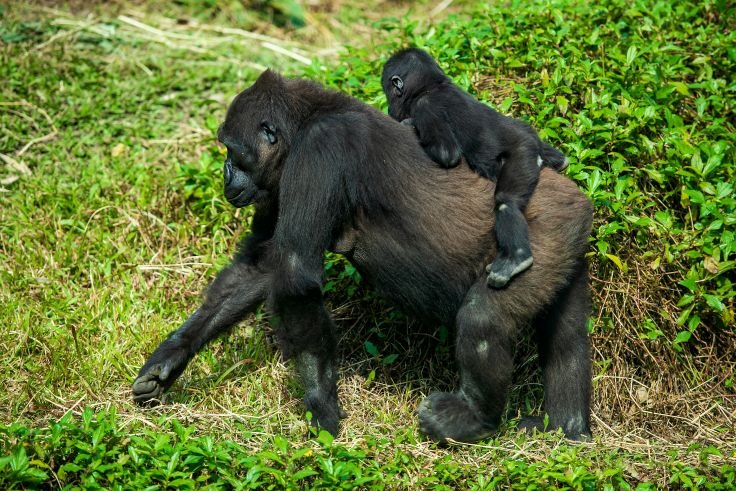
When a female joins a new family, she contributes to the future development of that group through reproduction and social interaction.
Female movements also help maintain genetic diversity within the mountain gorilla population. By joining different families, females create connections between groups and reduce the risks associated with isolated populations.
The decision of a female to remain within a family or move to another group is therefore an important part of mountain gorilla social development.
Leadership Changes Within Gorilla Families
Mountain gorilla families do not remain under the leadership of the same silverback forever. Leadership changes are a natural part of family development.
A dominant silverback may lead a group successfully for many years, providing stability and protection. However, as he becomes older, younger males may become capable of challenging for leadership.
Sometimes a younger silverback may gradually take over responsibility for the group. In other cases, a leadership change may happen after the death or decline of the previous leader.
When a new silverback becomes dominant, the family may experience changes in movement patterns, behaviour, and social relationships.
The new leader may establish different routines, influence interactions between members, and shape the future direction of the group.
These transitions are important because they allow families to continue developing naturally.
Natural Family Divisions
Another way mountain gorilla families develop is through natural division. Large groups may eventually separate into smaller families when social conditions change.
As younger males mature, competition and changing relationships can influence the structure of the group. A younger silverback may leave with some members and establish a new family elsewhere.
This process is not necessarily a sign of conflict. In many cases, it represents a healthy stage of population development.
Family division creates opportunities for new groups to form, increases genetic diversity, and allows the mountain gorilla population to expand naturally.
A family that divides successfully can create two independent groups that continue growing and reproducing.
The Importance of New Gorilla Families
The formation of new mountain gorilla families is extremely important for conservation. A growing population requires healthy social structures where individuals can reproduce, raise young, and establish new groups.
Every new family represents progress in the protection of mountain gorillas.
New groups provide additional opportunities for reproduction and reduce pressure on existing families. They also demonstrate that mountain gorillas are capable of adapting and maintaining natural social behaviours.
For conservation researchers, observing the formation of new families provides valuable information about gorilla society.
Scientists study how males establish leadership, how females choose groups, and how social relationships develop over time.
This knowledge helps improve conservation strategies and ensures that management decisions support natural gorilla behaviour.
The Role of Silverbacks in Creating New Families
Silverbacks are central figures in the formation of new gorilla families. Their ability to lead, protect, and maintain relationships determines whether a new group can successfully develop.
A potential silverback must demonstrate many qualities beyond strength. He needs patience, social awareness, and the ability to create trust among females.
A strong but aggressive male may not successfully establish a stable family. Long-term leadership depends on cooperation and social bonds.
This highlights an important aspect of mountain gorilla society: leadership is not only about power. It is about responsibility.
A successful silverback creates an environment where family members feel secure and where future generations can grow.
How Family Formation Supports Genetic Diversity
Genetic diversity is essential for the long-term survival of mountain gorillas. When populations become isolated, there is a greater risk of reduced genetic health.
The natural formation of new families helps maintain healthy population development.
Female transfers between groups, male dispersal, and the creation of new social units all contribute to genetic mixing.
These processes ensure that mountain gorilla populations remain stronger and more resilient.
Conservation teams closely monitor these changes because understanding family formation helps them protect the species more effectively.
The Importance of Monitoring Changing Gorilla Families
Because mountain gorilla families are constantly changing, ongoing monitoring is essential. Researchers and trackers follow groups over many years to understand their development.
They record births, deaths, leadership changes, movements, and relationships between individuals.
This information helps conservationists understand how families grow and how different events affect the wider population.
For visitors, this monitoring also improves the trekking experience. Guides and trackers can explain the history of the family being observed, helping travellers appreciate that they are meeting individuals with unique stories.
The Natural Evolution of Mountain Gorilla Families
The formation of mountain gorilla families demonstrates the remarkable adaptability of these animals. Their societies continue to develop through natural processes that have existed for generations.
A young male leaving his birth group, a solitary silverback searching for a future family, a female joining a new group, or a family dividing into two separate communities are all parts of the natural life cycle of mountain gorillas.
These processes ensure that mountain gorilla populations remain dynamic and capable of survival.
Understanding how families are formed allows visitors and conservation supporters to appreciate that mountain gorillas are not simply endangered animals needing protection. They are intelligent, social beings with complex lives, relationships, and communities.
Every new family represents hope. Every successful birth represents progress. Every stable group represents the continuation of one of the most extraordinary social systems in the natural world.
Mountain Gorilla Family Communication
Communication is one of the most important parts of gorilla family life. Mountain gorillas use sounds, body language, facial expressions, and physical interactions to communicate.
They produce different vocalisations for different situations. Some sounds help maintain contact between members, while others communicate warnings or emotional states.
Body language is equally important. A silverback may use posture and movement to demonstrate leadership or respond to another gorilla. Younger gorillas may use play signals to invite interaction.
Grooming is another important form of communication. By cleaning one another’s fur and spending time together, gorillas strengthen social relationships and reinforce trust within the family.
These behaviours demonstrate that mountain gorilla societies are highly complex.
Mountain Gorilla Families and Conservation
The protection of mountain gorilla families is one of the greatest conservation achievements in Africa. Their survival has been made possible through decades of cooperation between governments, conservation organisations, researchers, local communities, and responsible tourism operators.
Conservation efforts focus on protecting forest habitat, monitoring individual gorillas, preventing disease transmission, supporting veterinary care, and reducing threats from human activities.
Tourism has also played an important role by creating economic value connected with conservation. When visitors travel to see mountain gorillas responsibly, their presence supports systems that help protect these animals and their environment.
The continued survival of mountain gorilla families depends on maintaining a balance between tourism access and wildlife protection.
Tracking and Monitoring Gorilla Families
Scientists and trackers dedicate their lives to understanding mountain gorilla families. Their work involves following groups, idenMountain Gorilla Family Communication
Communication is one of the most important elements of mountain gorilla family life. The ability to exchange information, express emotions, maintain relationships, and respond to changes within the group allows these animals to live successfully within complex social communities. Mountain gorillas do not rely on a single method of communication; instead, they use a combination of vocalisations, body movements, facial expressions, physical contact, and behavioural signals to interact with one another.
Their communication system reflects the intelligence and social complexity of these remarkable animals. A mountain gorilla family is constantly communicating, even during quiet moments when individuals appear to be simply resting or feeding. Small movements, sounds, and interactions help maintain the connection between family members and ensure that the group functions as a coordinated unit.
For mountain gorillas living in dense forests, communication is especially important. Vegetation can make it difficult for individuals to see one another at all times, and family members may spread out while searching for food. Vocal communication allows them to remain connected and aware of each other’s locations.
The ability to communicate effectively helps prevent individuals from becoming separated and strengthens the social bonds that hold the family together.
Vocal Communication Among Mountain Gorillas
Mountain gorillas use a variety of sounds to communicate different messages within their families. These vocalisations can express emotions, maintain contact, signal warnings, and coordinate movement.
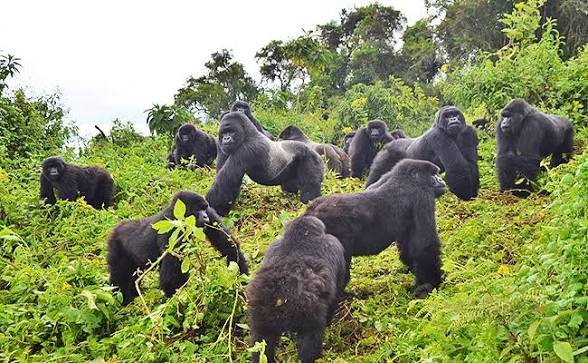
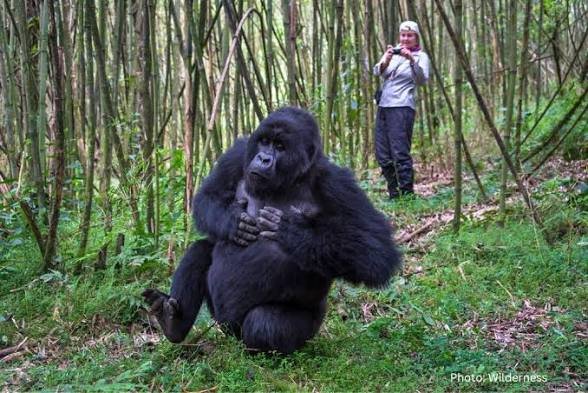
One of the most common reasons gorillas vocalise is to maintain contact with other members of the group. While feeding, individuals may move several metres apart as they search for vegetation. Soft calls help family members remain aware of each other’s positions and prevent separation.
Mothers and infants also use vocal communication to strengthen their bond. Young gorillas may make sounds to attract their mother’s attention, express discomfort, or seek reassurance. Mothers respond through sounds and physical contact, reinforcing the connection between them.
Silverbacks use vocalisations as part of their leadership role. They may communicate when the group should move, respond to unfamiliar sounds, or signal their awareness of potential challenges.
These vocalisations allow the silverback to influence the behaviour of the group without relying only on physical actions.
Communication Through Body Language
Body language is one of the most important forms of communication within mountain gorilla families. Because these animals live in close social groups, their movements and physical behaviours carry significant meaning.
A silverback may use posture to demonstrate confidence, leadership, or awareness. Standing upright, moving deliberately, or positioning himself between his family and another individual can communicate authority and protection.
However, body language is not limited to silverbacks. Every member of the family uses physical signals to communicate.
A juvenile may use playful movements to invite another gorilla to interact. A mother may adjust her position to protect an infant. Two adults may move closer together to reinforce a social relationship.
These behaviours allow gorillas to communicate without making sounds.
Understanding gorilla body language helps researchers and trackers interpret social situations within families. It provides valuable information about relationships, emotions, and group dynamics.
Facial Expressions and Emotional Communication
Mountain gorillas also communicate through facial expressions. Their faces are highly expressive and can reveal different emotional states and intentions.
Changes in facial expression can communicate curiosity, relaxation, discomfort, excitement, or social interest.
A young gorilla approaching another individual may display a playful expression before beginning interaction. A family member may show signs of tension through facial changes and body position.
These subtle signals help individuals understand each other and respond appropriately.
The ability to recognise and respond to facial expressions demonstrates the complexity of mountain gorilla social behaviour. It shows that communication is not only about survival but also about maintaining relationships.
Physical Contact and Social Bonding
Physical interaction plays a major role in communication among mountain gorilla families. Touch helps strengthen relationships and creates trust between individuals.
Grooming is one of the most important examples of physical communication. During grooming, one gorilla carefully cleans another’s fur, removing dirt and strengthening social connections.
Although grooming provides a practical benefit by helping maintain cleanliness, its social importance is equally significant. It allows individuals to spend time together, reinforce friendships, and reduce tension within the group.
Mothers use physical contact to comfort infants and provide security. Juveniles interact through play, wrestling, and gentle contact that helps them develop social skills.
Resting close together is another form of communication. By remaining physically near one another, gorillas reinforce their connection and demonstrate trust.
These interactions show that mountain gorilla communication is deeply connected with relationships.
Communication Between Mothers and Infants
The communication between mother and infant is among the most important relationships within a mountain gorilla family.
From birth, infants depend on their mothers for survival and gradually learn how to communicate through observation and interaction.
Mothers respond to their infants through touch, sounds, and movement. They recognise their young, understand their needs, and provide reassurance during uncertain situations.
Infants learn the foundations of communication by watching their mothers and other family members. They gradually understand different sounds, behaviours, and social signals.
This early learning period prepares them for successful participation in the wider family.
The strong communication bond between mothers and infants demonstrates the importance of social learning among mountain gorillas.
Juvenile Communication and Learning
Juvenile gorillas use communication as part of their learning process. Their playful interactions are filled with signals that help them understand social rules.
During play, juveniles communicate through movements, sounds, and expressions. They learn how to invite interaction, how to respond to others, and how to recognise boundaries.
These lessons are essential because adult gorilla society depends on cooperation and understanding.
A juvenile that learns effective communication becomes better prepared for adulthood. It develops the ability to form relationships, participate in family activities, and respond appropriately to different social situations.
Play is therefore not only physical exercise but also communication training.
The Role of Communication in Family Stability
Strong communication helps mountain gorilla families remain stable. Because groups contain individuals of different ages and personalities, effective communication is necessary for cooperation.
The family must coordinate movement through the forest, respond to environmental changes, maintain relationships, and manage conflicts.
Communication allows individuals to understand each other and reduces unnecessary tension.
The silverback uses communication to guide the group, while females and juveniles use it to maintain relationships and express their needs.
Without effective communication, the close social structure of mountain gorilla families would not be possible.
Mountain Gorilla Families and Conservation
The protection of mountain gorilla families represents one of the most important conservation achievements in Africa. Their survival is the result of decades of cooperation between governments, conservation organisations, researchers, veterinary teams, local communities, and responsible tourism operators.
Mountain gorillas once faced severe population decline due to habitat loss, human pressure, illegal activities, and other threats. Their continued survival demonstrates what can be achieved when conservation efforts focus on protecting both wildlife and the ecosystems they depend on.
The success of mountain gorilla conservation is not based on protecting individual animals alone. It requires protecting entire families, because these social groups represent the natural structure that allows gorillas to reproduce, learn, and survive.
Every family contains generations of knowledge, relationships, and social connections that are essential to the species.
Protecting Gorilla Habitats
One of the most important parts of mountain gorilla conservation is protecting their forest habitat. Mountain gorillas depend on healthy ecosystems where they can find food, shelter, and safe areas for raising their young.
Protected forests provide the space families need to move naturally and maintain their social structures.
Habitat protection also benefits many other species that share these ecosystems. The forests of the Virunga Massif and Bwindi are home to a wide variety of plants and animals, making gorilla conservation important for overall biodiversity.
Protecting these environments ensures that future generations of mountain gorilla families can continue to thrive.
Monitoring Individual Gorilla Families
A major part of conservation involves carefully monitoring individual gorillas and their families. Researchers and trackers follow groups over many years, recording important information about their health, behaviour, and development.
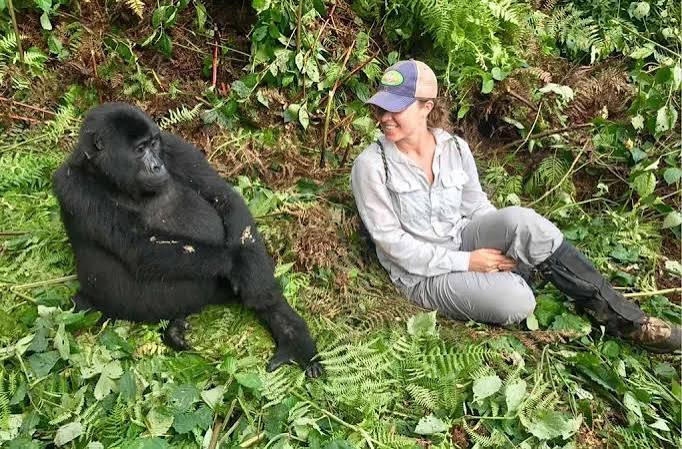

They identify individual gorillas through unique characteristics such as facial features, nose patterns, scars, and social relationships.
This detailed monitoring helps conservation teams understand how families change over time.
Researchers can record births, deaths, leadership transitions, movements between groups, and changes in family structure.
This information is essential for making informed conservation decisions.
Preventing Disease Risks
Disease prevention is another important part of protecting mountain gorilla families. Because gorillas share many biological similarities with humans, they can be vulnerable to certain illnesses.
Responsible tourism practices help reduce these risks by ensuring visitors follow guidelines designed to protect both gorillas and people.
Maintaining safe distances, avoiding visits when sick, and following park regulations are important measures that help protect family groups.
Conservation teams also monitor gorilla health carefully and provide veterinary support when necessary.
These efforts help ensure that families remain healthy and stable.
Veterinary Support and Gorilla Health
Veterinary care has played an important role in mountain gorilla conservation. Specialised teams monitor individuals and provide assistance when health problems arise.
Because each gorilla is known individually, veterinarians can identify changes in behaviour or physical condition and respond appropriately.
This individual-based approach allows conservation teams to provide targeted support while respecting the natural lives of the animals.
Healthy families are more capable of reproducing, raising young, and maintaining stable social structures.
The Role of Responsible Tourism
Tourism has become an important part of mountain gorilla conservation. When managed responsibly, gorilla trekking creates economic value that supports protection efforts and benefits communities living near protected areas.
Visitors who travel to see mountain gorillas contribute to systems that fund conservation activities, employment opportunities, and community development.
However, tourism must always be balanced with wildlife protection. The priority is ensuring that gorilla families remain healthy and that human presence does not negatively affect their natural behaviour.
Responsible tourism allows people to experience these incredible animals while supporting their survival.
The Future of Mountain Gorilla Families
The future of mountain gorilla families depends on continued commitment to conservation. Although significant progress has been achieved, these animals still require protection and careful management.
Maintaining healthy forests, supporting local communities, continuing research, and practising responsible tourism are all essential for ensuring that mountain gorilla families continue to survive.
Every family represents a conservation success story. Every infant born represents hope. Every social bond maintained demonstrates the resilience of these remarkable animals.
The survival of mountain gorilla families shows that conservation can succeed when people work together to protect wildlife and nature.
Their continued existence is not only important for biodiversity but also for future generations who will have the opportunity to understand and appreciate one of the most extraordinary social worlds on Earth.tifying individuals, recording births, monitoring health, and studying social relationships.
Experienced trackers can recognise individual gorillas through facial features, nose patterns, scars, size, and behaviour.
This detailed knowledge allows conservation teams to understand how families change over time.
For visitors, this information adds depth to the trekking experience. Instead of simply seeing a gorilla, they can learn about the individual animal’s history and role within the family.
The Experience of Visiting Mountain Gorilla Families
Encountering a mountain gorilla family in the wild is one of the most extraordinary wildlife experiences a person can have. Unlike visiting a traditional wildlife viewing area where animals may be observed from a distance, mountain gorilla trekking provides a rare opportunity to enter the natural world of one of Earth’s most fascinating social animals.
The experience begins long before visitors see the gorillas themselves. The journey takes place within ancient forests where every sound, movement, and change in the environment becomes part of the adventure. The forest is not simply a pathway to reach the gorillas; it is an essential part of understanding their lives.
Visitors enter the habitat knowing that they are guests in the gorillas’ environment. The purpose of the experience is not to disturb the animals or change their behaviour but to respectfully observe them as they continue their normal daily activities.
This understanding creates a different type of wildlife encounter. The focus is not on controlling the experience but on appreciating nature as it exists.
The journey through the forest requires patience, respect, and an open mind. Mountain gorillas do not follow schedules, and their movements are determined by their own needs. They may travel in search of food, rest in hidden areas, or move through thick vegetation depending on the conditions of the day.
This unpredictability is one of the reasons the experience feels so authentic. Visitors are not watching a planned performance. They are witnessing real animals living naturally.
The forest itself creates a powerful atmosphere. The changing landscapes, mist-covered mountains, dense vegetation, sounds of birds, and movement of the surrounding ecosystem all contribute to the feeling of entering a different world.
For many travellers, the trek becomes a personal journey as much as a wildlife adventure. The physical effort required to move through the forest creates a deeper appreciation for the moment when the gorillas are finally found.
The first sighting of a mountain gorilla family is often described as emotional and unforgettable. After following the guidance of experienced trackers through the forest, visitors suddenly find themselves in the presence of animals that they may have dreamed of seeing for many years.
The experience can create a powerful feeling of connection because the gorillas are not distant symbols of conservation. They are living beings with personalities, relationships, and individual stories.
A visitor may see a silverback calmly observing his family, females caring for infants, juveniles playing among vegetation, or several members resting together after feeding.
These moments reveal the true nature of mountain gorilla families. They show that these animals are not simply rare creatures to be protected but intelligent and social beings with complex lives.
Observing Natural Gorilla Family Behaviour
One of the most meaningful aspects of visiting mountain gorilla families is witnessing their natural behaviour.
The gorillas are not focused on visitors. They continue their normal routines, allowing people to observe authentic moments of family life.
A silverback may sit quietly while watching over the group. His calm presence demonstrates the responsibility of leadership rather than aggression.
Females may spend time caring for young gorillas, showing the strong maternal bonds that exist within these families.
Juveniles may chase one another, climb vegetation, and practise social behaviours through play.
Infants may remain close to their mothers, learning about their surroundings and developing the skills they will need as they grow.
Each of these moments provides insight into the social world of mountain gorillas.
Visitors often discover that the most memorable parts of the encounter are not necessarily dramatic events. A quiet interaction between family members, a curious look from a young gorilla, or the peaceful movement of the group through the forest can become the moments that remain in memory forever.
The Emotional Connection Between Humans and Gorillas
One of the reasons mountain gorilla encounters are so powerful is the sense of similarity visitors often feel with these animals.
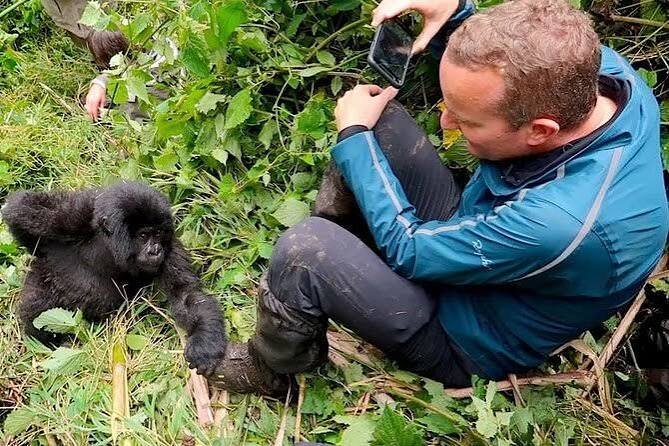
Mountain gorillas share many characteristics with humans. They form strong family relationships, care deeply for their young, communicate through complex signals, and display individual personalities.
Seeing these behaviours in the wild creates a deeper understanding of the importance of protecting them.
A visitor watching a mother carefully care for her infant may recognise familiar emotions of protection and attachment. Observing juveniles playing may reveal the same curiosity and energy seen in young children.
These similarities create a unique connection between people and wildlife.
However, the experience also highlights the differences between humans and gorillas. Visitors are reminded that these animals have their own environment, social systems, and natural behaviours that deserve respect.
The goal is not to make gorillas seem human but to appreciate them as intelligent creatures with their own unique way of life.
The Importance of Respect During a Gorilla Encounter
Respect is one of the most important principles of mountain gorilla trekking. Visitors are entering the home of wild animals, and responsible behaviour ensures that the experience remains safe for both humans and gorillas.
Gorilla families have become accustomed to carefully managed human presence through habituation processes, but they remain wild animals that deserve protection.
Following conservation guidelines helps reduce stress and protects the health of the gorillas.
Visitors are encouraged to observe quietly, avoid sudden movements, and allow the animals to behave naturally.
This respectful approach ensures that future generations can continue experiencing these incredible animals.
The most rewarding encounters happen when visitors understand that they are observers rather than participants in the gorillas’ world.
The Role of Trackers and Guides
Experienced trackers and guides play an essential role in the mountain gorilla experience. Their knowledge allows visitors to understand not only where the gorillas are but also the stories behind the families they encounter.
Trackers spend years studying individual gorillas and learning their behaviours, movements, and relationships.
They can recognise family members, identify important individuals, and explain the history of the group.
This knowledge transforms the experience from simply seeing animals into understanding a living community.
A guide may explain the relationship between a silverback and his family, describe the development of young gorillas, or share information about conservation efforts.
Their interpretation allows visitors to appreciate the complexity of mountain gorilla societies.
The Conservation Meaning Behind the Experience
Visiting mountain gorilla families is not only a personal adventure; it is also a connection to global conservation efforts.
Every trekking experience is linked to decades of work protecting these animals and their habitats.
The survival of mountain gorillas has been possible because of cooperation between conservationists, researchers, governments, local communities, and responsible tourism operators.
Visitors become part of this conservation story because responsible tourism helps create support for protecting gorillas and their forests.
The encounter provides a direct reminder that conservation produces real results.
Instead of only hearing about endangered species, visitors witness the success of protection efforts through the sight of thriving gorilla families.
The Importance of Community Support
The future of mountain gorilla families is closely connected to the wellbeing of communities living around protected forests.
Conservation cannot succeed without cooperation from local people. Communities that benefit from tourism and conservation initiatives have stronger incentives to protect wildlife habitats.
Supporting education, employment opportunities, healthcare initiatives, and sustainable development helps create a positive relationship between people and conservation.
When communities see the value of protecting gorillas, the future of these animals becomes more secure.
Mountain gorilla conservation is therefore not only about animals. It is about creating a balance where wildlife and people can coexist.
The Future of Mountain Gorilla Families
The future of mountain gorilla families depends on continued commitment to conservation. Although significant progress has been achieved, these animals remain vulnerable and require ongoing protection.
Their survival depends on maintaining healthy forests, preventing habitat loss, reducing disease risks, supporting research, and ensuring that tourism remains responsible.
Every mountain gorilla family represents a unique story of survival. Every silverback, female, juvenile, and infant contributes to the continuation of a species that has overcome enormous challenges.
The protection of these families requires looking beyond individual animals. It requires protecting the relationships, social structures, and environments that allow them to thrive.
A gorilla family is not simply a collection of animals. It is a community with history, traditions, and connections between generations.
The Importance of Continued Scientific Research
Scientific research remains essential for understanding and protecting mountain gorilla families.
Researchers continue studying behaviour, genetics, health, reproduction, and social development.
This information helps conservation teams make better decisions about habitat protection and population management.
Long-term research has revealed the complexity of gorilla societies and demonstrated how important individual relationships are.
By continuing to study these animals, conservationists can better understand their needs and respond to future challenges.
A Lasting Connection With Mountain Gorilla Families
The opportunity to witness a mountain gorilla family in its natural habitat creates memories that last a lifetime.
The experience is powerful because it offers something rare: a chance to observe another species living naturally within its own world.
It teaches visitors about family, cooperation, resilience, and the importance of protecting nature.
Mountain gorilla families remind humanity that wildlife conservation is not only about numbers and statistics. It is about protecting living communities, preserving relationships, and ensuring that future generations can experience the wonder of these extraordinary animals.
Their forests hold stories that have existed for thousands of years. Their families continue to grow, change, and survive. Protecting them means protecting one of the most remarkable examples of social life in the natural world.
The journey to see mountain gorilla families is therefore more than a wildlife adventure. It is an opportunity to understand another society, appreciate the importance of conservation, and connect with a species whose future depends on the choices people make today.