Mountain Gorilla Conservation in Rwanda: Protecting One of the World’s Greatest Wildlife Success Stories
Mountain gorilla conservation in Rwanda is one of the most remarkable examples of successful wildlife protection in the modern world. The journey of Rwanda’s mountain gorillas from a population facing severe threats to one of the most carefully protected wildlife populations on Earth demonstrates the power of long-term conservation commitment, scientific research, responsible tourism, and cooperation between people and nature.
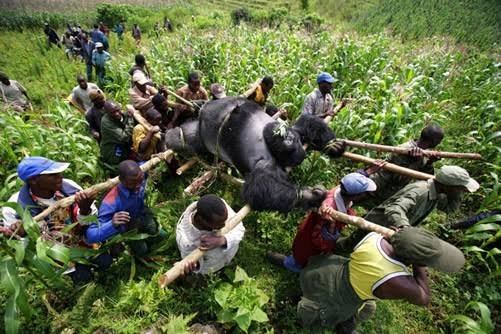
Rwanda is internationally recognized for protecting mountain gorillas within Volcanoes National Park, a spectacular protected area located in the northern part of the country within the Virunga Mountains. This ecosystem is one of only two places on Earth where mountain gorillas survive naturally. The Virunga Massif stretches across Rwanda, Uganda, and the Democratic Republic of Congo, creating a shared landscape that is essential for the survival of this endangered species. (Volcanoes National Park Rwanda)
The conservation of mountain gorillas in Rwanda is not only about protecting an animal species. It represents a much broader commitment to preserving forests, supporting local communities, advancing scientific knowledge, and creating a sustainable relationship between wildlife protection and human development.
Today, mountain gorilla conservation in Rwanda is considered a global example of how endangered species can recover when strong protection systems are established. The continued survival of these incredible primates is the result of decades of work by conservationists, researchers, rangers, veterinarians, government institutions, local communities, and responsible travellers who contribute through gorilla tourism.
The story of Rwanda’s mountain gorillas is a story of resilience. It shows that even species pushed close to extinction can recover when people choose to protect their habitats and invest in their future.
The Importance of Mountain Gorilla Conservation in Rwanda
Mountain gorillas are among the most endangered mammals in the world. Their survival depends on a very limited forest habitat located within the mountainous regions of Rwanda, Uganda, and the Democratic Republic of Congo. Unlike many wildlife species that can adapt to different environments, mountain gorillas have very specific ecological requirements that make habitat protection essential.
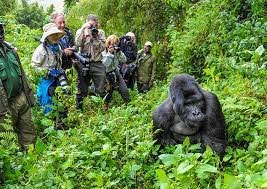
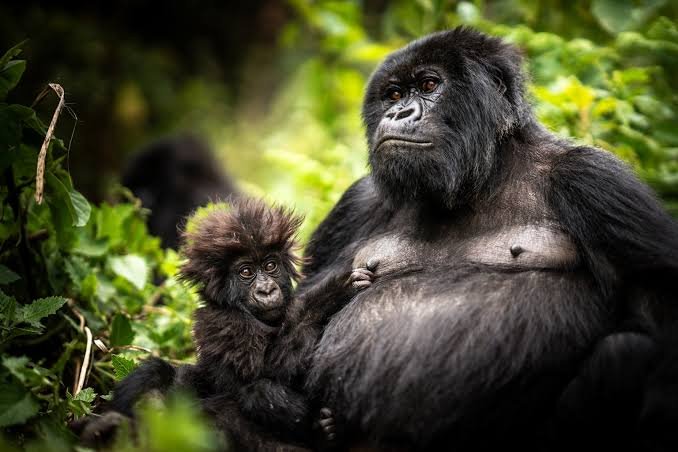
The mountain gorillas of Rwanda live within Volcanoes National Park, where the high-altitude forests of the Virunga Mountains provide everything they need for survival. The park’s bamboo forests, dense vegetation, volcanic soils, and mountain slopes create an environment where gorilla families can feed, move, rest, and raise their young.
Protecting mountain gorillas is important because these animals are a vital part of the ecosystem. As they move through the forest searching for food, they contribute to natural processes that support forest regeneration and biodiversity. By protecting gorillas, Rwanda is also protecting the wider environment that supports countless other plant and animal species.
The importance of mountain gorilla conservation extends beyond ecological value. These animals have become a symbol of hope for global conservation because their population has increased after decades of decline. Their recovery proves that carefully planned conservation programs can reverse the fate of endangered species. (World Wildlife Fund)
Mountain gorilla conservation in Rwanda also represents a connection between wildlife and people. The forests where gorillas live are surrounded by communities whose livelihoods are connected to the land. Successful conservation therefore requires protecting both the animals and the people who share the same environment.
The History of Mountain Gorilla Conservation in Rwanda
The conservation story of Rwanda’s mountain gorillas has not always been a story of success. For much of the twentieth century, these animals faced enormous challenges that threatened their survival.
Mountain gorilla populations declined because of habitat destruction, human expansion, illegal hunting, political instability, and disease risks. As human populations increased around forest areas, the available habitat for gorillas became increasingly limited.
During the 1970s and 1980s, conservationists became deeply concerned about the future of mountain gorillas. Their numbers had fallen to dangerously low levels, and many experts feared that the species could disappear completely without urgent intervention. (Volcanoes National Park)
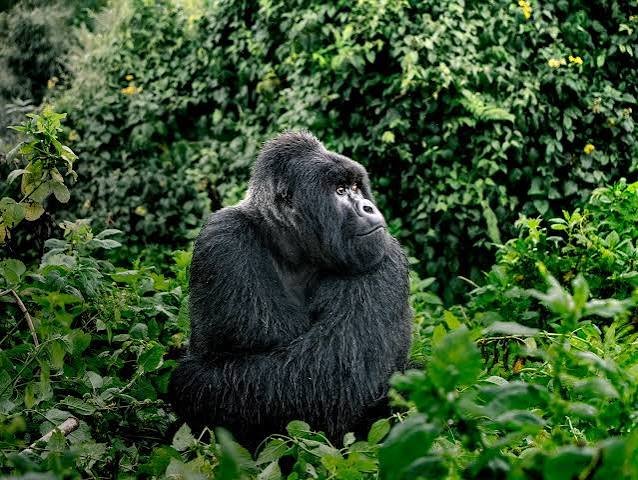
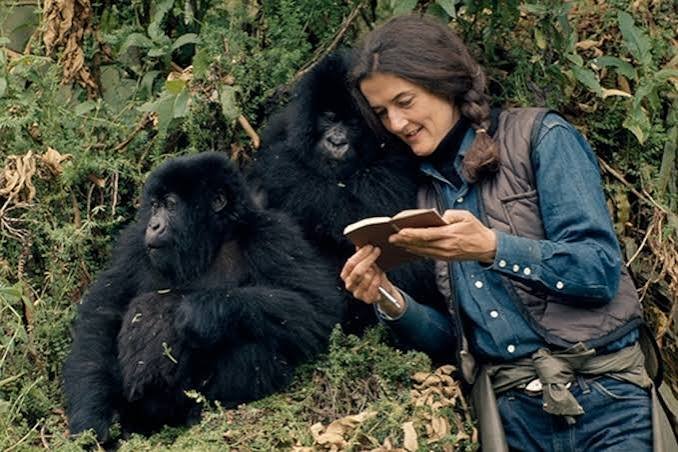
The work of conservation pioneers helped bring international attention to the challenges facing mountain gorillas. Researchers began studying gorilla behaviour, social structures, and habitat needs, creating a foundation for modern conservation strategies.
Volcanoes National Park became a centre for mountain gorilla research and protection. Conservation teams began developing methods to monitor individual gorillas, protect families, and understand the threats affecting their survival.
Over time, Rwanda strengthened its conservation approach by increasing protection within Volcanoes National Park, improving ranger operations, expanding scientific research, and developing responsible gorilla tourism.
The transformation from decline to recovery did not happen quickly. It required decades of dedication and cooperation. Every increase in gorilla numbers represents years of protection, monitoring, and investment.
Today, Rwanda’s mountain gorilla conservation program is viewed as one of the most successful wildlife recovery efforts in the world.
Volcanoes National Park: The Heart of Rwanda’s Gorilla Conservation
Volcanoes National Park is the centre of mountain gorilla conservation in Rwanda. Located in the northern region of the country, the park protects part of the Virunga volcanic ecosystem and provides a safe habitat for mountain gorilla families.
The park covers a unique landscape dominated by volcanic mountains, including Mount Karisimbi, Mount Bisoke, Mount Muhabura, Mount Gahinga, and Mount Sabyinyo. These mountains create a high-altitude environment with forests that support the survival of mountain gorillas.
The importance of Volcanoes National Park goes beyond its size. Although it is relatively small compared with many African national parks, it protects one of the most valuable wildlife populations on Earth.
The forests within the park provide essential resources for gorillas, including food plants, nesting materials, and shelter. Gorilla families move through different areas of the forest depending on food availability and social needs.
Protecting this habitat requires continuous management. Rangers patrol the forest daily, researchers monitor gorilla families, and conservation teams work to maintain the ecological health of the park.
The park also plays an important role in scientific research. Long-term studies conducted within Volcanoes National Park have provided some of the world’s most detailed information about mountain gorilla behaviour, reproduction, social relationships, and conservation needs.
The protection of Volcanoes National Park demonstrates that successful conservation requires more than simply creating a protected area. It requires active management, scientific understanding, and continuous commitment.
The Role of Rangers in Protecting Mountain Gorillas
Rangers are among the most important people involved in mountain gorilla conservation in Rwanda. Their daily work provides direct protection for gorilla families and the forests where they live.
Every morning, ranger teams enter Volcanoes National Park to monitor gorilla movements, locate family groups, check for possible threats, and collect information about the condition of individual animals.
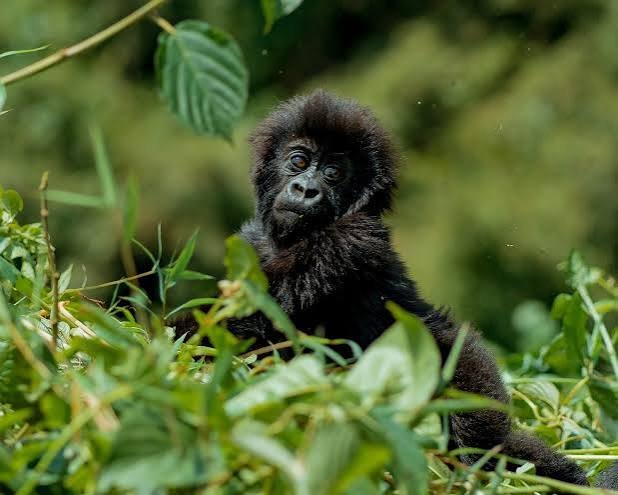
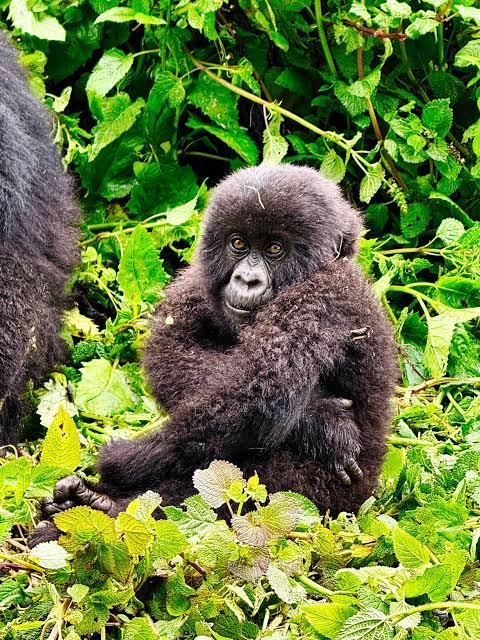
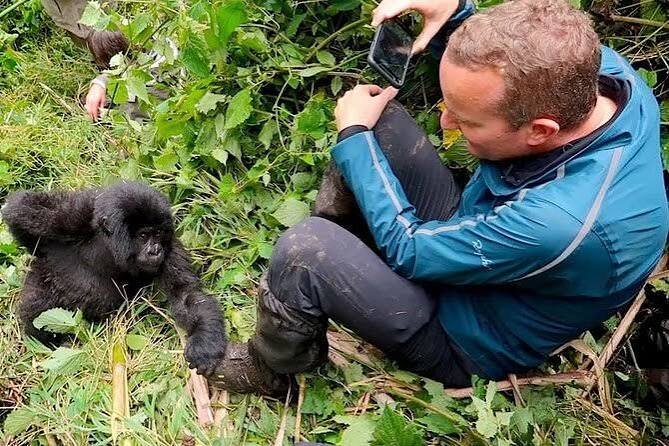
Their work involves navigating difficult mountainous terrain, dense vegetation, and unpredictable weather conditions. Despite these challenges, rangers maintain a constant presence in the forest because consistent protection is essential for gorilla survival. (Volcanoes National Park Rwanda)
One of the major responsibilities of rangers is preventing illegal activities within the park. They search for traps, monitor boundaries, and respond to any threats that could affect wildlife.
Although large-scale poaching has greatly reduced compared with previous decades, continued protection remains necessary. Conservation success can only continue if threats are identified and addressed quickly.
Rangers also contribute to scientific monitoring. Their daily observations provide valuable information about gorilla behaviour, family changes, health conditions, and population trends.
Many rangers develop deep knowledge of individual gorillas because they spend years following the same families. They can recognize individual animals, understand their personalities, and identify when something unusual occurs.
Their dedication represents one of the strongest foundations of Rwanda’s mountain gorilla conservation success.
Scientific Research and Gorilla Monitoring
Scientific research is one of the most important elements of mountain gorilla conservation in Rwanda. Understanding gorilla behaviour, health, and population changes allows conservation teams to make informed decisions.
Researchers monitor habituated gorilla families through daily observations. These long-term studies provide information about births, deaths, social relationships, movement patterns, and changes within groups.
Each mountain gorilla has unique physical characteristics that allow researchers to identify individuals. Nose patterns, facial features, scars, and body characteristics help scientists maintain detailed records of every known gorilla.
This individual identification system allows conservation teams to follow the life history of each animal. Researchers can understand how families change, how young gorillas develop, and how social structures evolve over time.
Scientific monitoring also supports veterinary care. Because mountain gorillas are closely related to humans, they are vulnerable to certain diseases. Researchers and veterinarians work together to monitor health conditions and reduce potential risks.
Modern conservation methods continue improving the ability to study mountain gorillas. New approaches, including advanced genetic techniques and improved biodiversity monitoring, are helping researchers better understand endangered species and their habitats. (AP News)
Research ensures that conservation decisions are based on evidence rather than assumptions. It provides the knowledge needed to protect mountain gorillas for future generations.
Veterinary Care and Health Protection for Rwanda’s Mountain Gorillas
Veterinary care is one of the most important components of mountain gorilla conservation in Rwanda. Because mountain gorillas share many biological similarities with humans, they can be affected by several diseases that also affect people. Protecting their health requires constant monitoring, preventive measures, and specialized veterinary support.
The relationship between humans and mountain gorillas has created both opportunities and challenges. On one hand, research and tourism have helped increase awareness and support for conservation. On the other hand, close biological similarities mean that diseases can potentially move between humans and gorillas.
Respiratory infections are considered one of the greatest health concerns for mountain gorillas. A simple illness that may be mild in humans could have serious consequences for a small population of endangered animals. This is why Rwanda has established strict guidelines for anyone entering gorilla habitats.
Visitors participating in gorilla trekking must follow health regulations designed to protect the animals. People who are sick are discouraged from entering the forest, and all visitors receive instructions on responsible behaviour around gorillas. Maintaining a safe distance and limiting physical contact are important measures that reduce health risks.
Wildlife veterinarians also monitor gorilla families regularly. They observe individuals for signs of illness, injury, or unusual behaviour. If a gorilla experiences a serious health problem, veterinary specialists can provide treatment while ensuring that intervention does not interfere with natural behaviours.
Veterinary teams also support conservation through research. Studying gorilla health helps scientists understand diseases affecting wild populations and develop better prevention strategies.
The combination of veterinary care, scientific monitoring, and responsible tourism has played an important role in maintaining healthy mountain gorilla populations in Rwanda.
Gorilla Habituation and Its Role in Conservation
Gorilla habituation is another important part of mountain gorilla conservation in Rwanda. Habituation is the gradual process through which wild gorillas become accustomed to the presence of humans while continuing to behave naturally.
This process is carefully managed and can take several years. The purpose is not to domesticate gorillas or change their behaviour, but rather to allow researchers, conservation teams, and limited visitors to observe them safely.
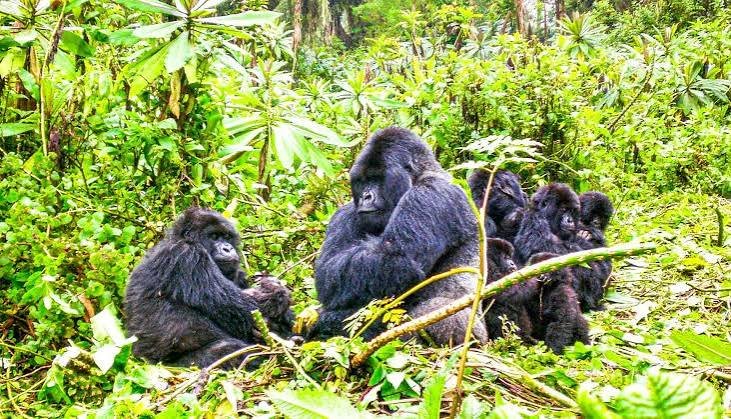
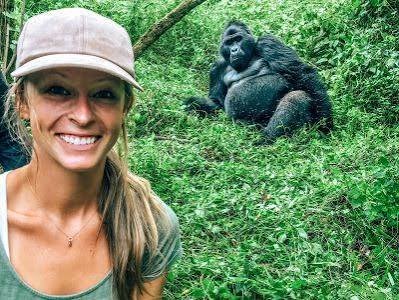
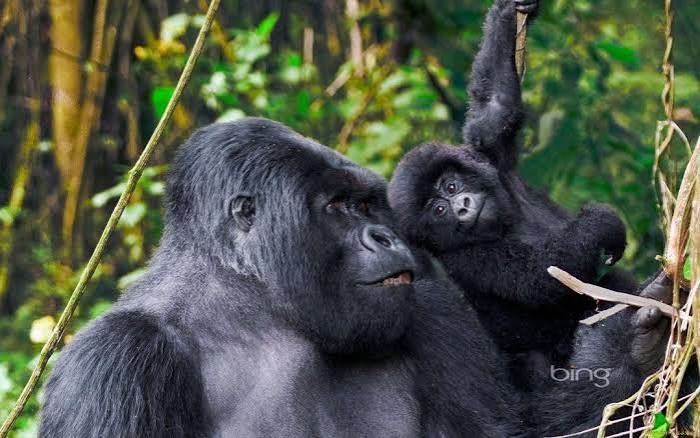
Before a gorilla family becomes available for tourism, experienced trackers and researchers spend significant time studying the group. They observe their reactions, social relationships, movements, and behaviour around humans.
The process requires patience because gorillas must remain comfortable and confident in their natural environment. Conservation teams carefully monitor whether human presence creates stress or affects normal activities.
Habituation provides several conservation benefits. It allows researchers to collect detailed information about gorilla behaviour and health. It also creates opportunities for carefully controlled tourism, which generates funding for conservation programs.
Without habituated gorilla families, much less would be known about mountain gorilla behaviour and population changes. Research conducted through habituated groups has contributed greatly to global understanding of these endangered primates.
However, habituation must always be balanced with protection. Not every gorilla group is habituated for tourism. Some remain protected for research purposes or to reduce human disturbance.
This careful approach ensures that tourism supports conservation rather than threatening the animals it aims to protect.
How Gorilla Trekking Supports Mountain Gorilla Conservation
Gorilla trekking has become one of the strongest pillars supporting mountain gorilla conservation in Rwanda. The opportunity to observe gorillas in their natural habitat attracts visitors from around the world and creates financial resources that directly support protection efforts.
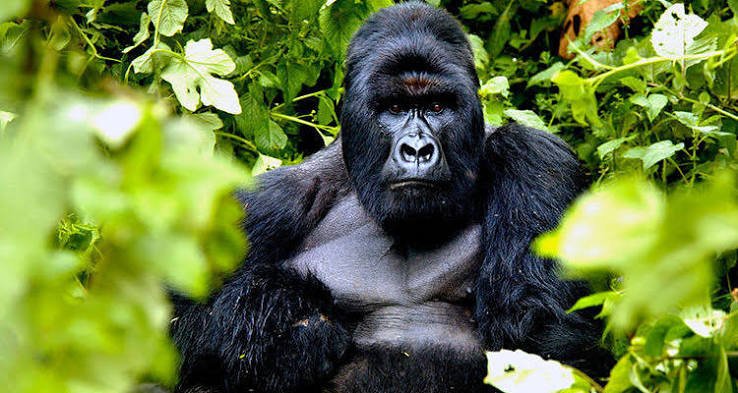
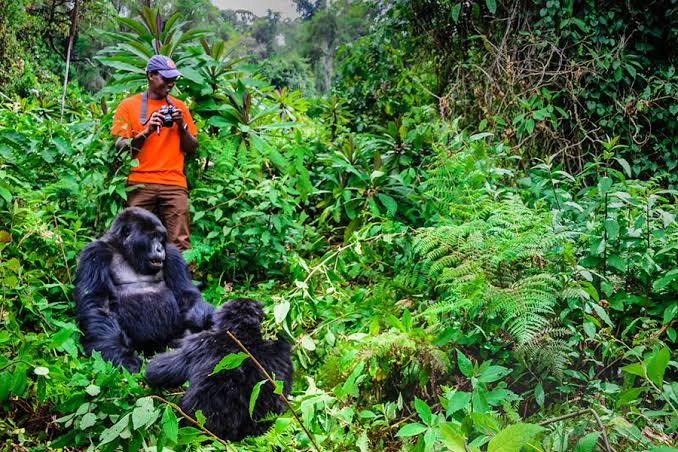
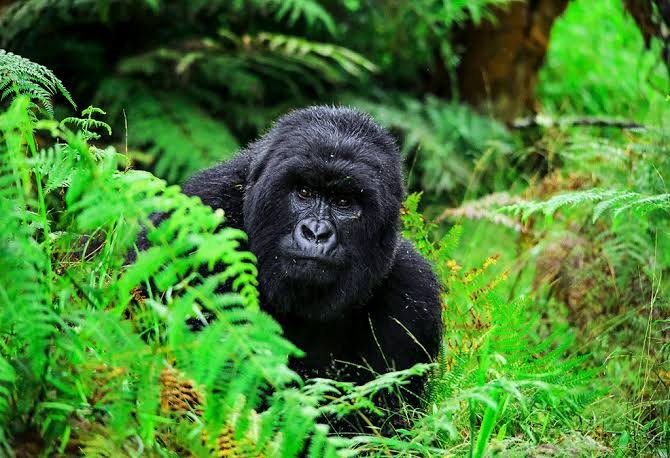
Unlike some forms of tourism that may have limited connections to conservation, gorilla trekking has a direct relationship with wildlife protection. The revenue generated from trekking permits contributes to maintaining Volcanoes National Park, supporting ranger activities, funding research, and protecting gorilla habitats.
The economic value of gorilla tourism creates a strong incentive to preserve mountain gorillas. By becoming an important source of income for Rwanda’s tourism sector, gorilla conservation has gained wider national support.
Visitors who travel to Rwanda for gorilla trekking also contribute to conservation awareness. Many people leave the experience with a stronger appreciation for endangered species and become supporters of wildlife protection.
The trekking experience itself is carefully controlled. Visitors are allowed limited time with gorilla families, and strict rules are followed to protect both humans and animals.
These regulations include maintaining a respectful distance, avoiding loud behaviour, not disturbing gorillas during feeding or resting, and following instructions from professional guides.
The success of Rwanda’s gorilla tourism model demonstrates that wildlife conservation and tourism can work together. When properly managed, tourism becomes a tool that protects endangered species rather than a threat to them.
Community Involvement in Rwanda’s Gorilla Conservation
One of the most important lessons from Rwanda’s mountain gorilla conservation story is that wildlife protection cannot succeed without community involvement.
The communities surrounding Volcanoes National Park live close to gorilla habitats and are directly connected to conservation efforts. Their support and participation are essential because conservation decisions affect both wildlife and human livelihoods.
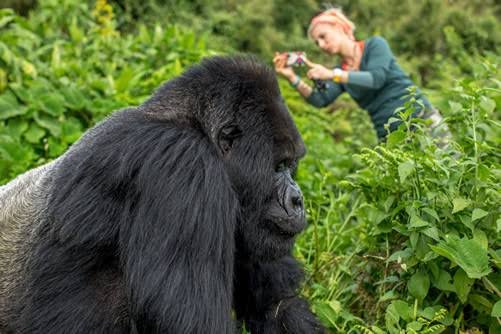


Historically, conservation challenges often occurred when local communities received limited benefits from protected areas. If people do not see value in protecting wildlife, conservation efforts can become difficult to maintain.
Rwanda has worked to create stronger relationships between communities and conservation through tourism benefits, employment opportunities, education programs, and development initiatives.
Gorilla tourism provides jobs for many people living near Volcanoes National Park. Local residents work as guides, trackers, conservation staff, lodge employees, drivers, and service providers supporting visitors.
These opportunities demonstrate the economic value of protecting mountain gorillas. When communities benefit from conservation, they become important partners in safeguarding wildlife.
Education also plays a significant role. Teaching younger generations about the importance of mountain gorillas helps create long-term support for conservation.
Community participation has transformed conservation from an activity managed only by authorities into a shared responsibility involving everyone connected to the ecosystem.
The Role of Government and Conservation Organizations
The success of mountain gorilla conservation in Rwanda has depended on cooperation between government institutions, conservation organizations, scientists, and local communities.
The Rwandan government has played an important role through protection of Volcanoes National Park, development of conservation policies, and support for sustainable tourism.
Effective conservation requires strong leadership and long-term planning. Protecting endangered species cannot be achieved through temporary projects; it requires continuous commitment.
Conservation organizations have also contributed significantly by supporting research, training, veterinary programs, and community initiatives.
Scientific organizations and conservation groups have helped improve understanding of gorilla behaviour, population dynamics, and environmental challenges.
International partnerships have also strengthened Rwanda’s conservation efforts by bringing together expertise, funding, and global awareness.
The cooperation between different organizations demonstrates that protecting mountain gorillas requires collective action. No single group can achieve conservation success alone.
Challenges Facing Mountain Gorilla Conservation in Rwanda
Although Rwanda has achieved remarkable success, mountain gorilla conservation continues to face challenges. Protecting an endangered species requires constant effort because new threats can emerge over time.
One of the greatest challenges is habitat protection. Mountain gorillas depend on forests, and their available habitat is limited. Rwanda’s growing human population creates pressure on land surrounding protected areas.
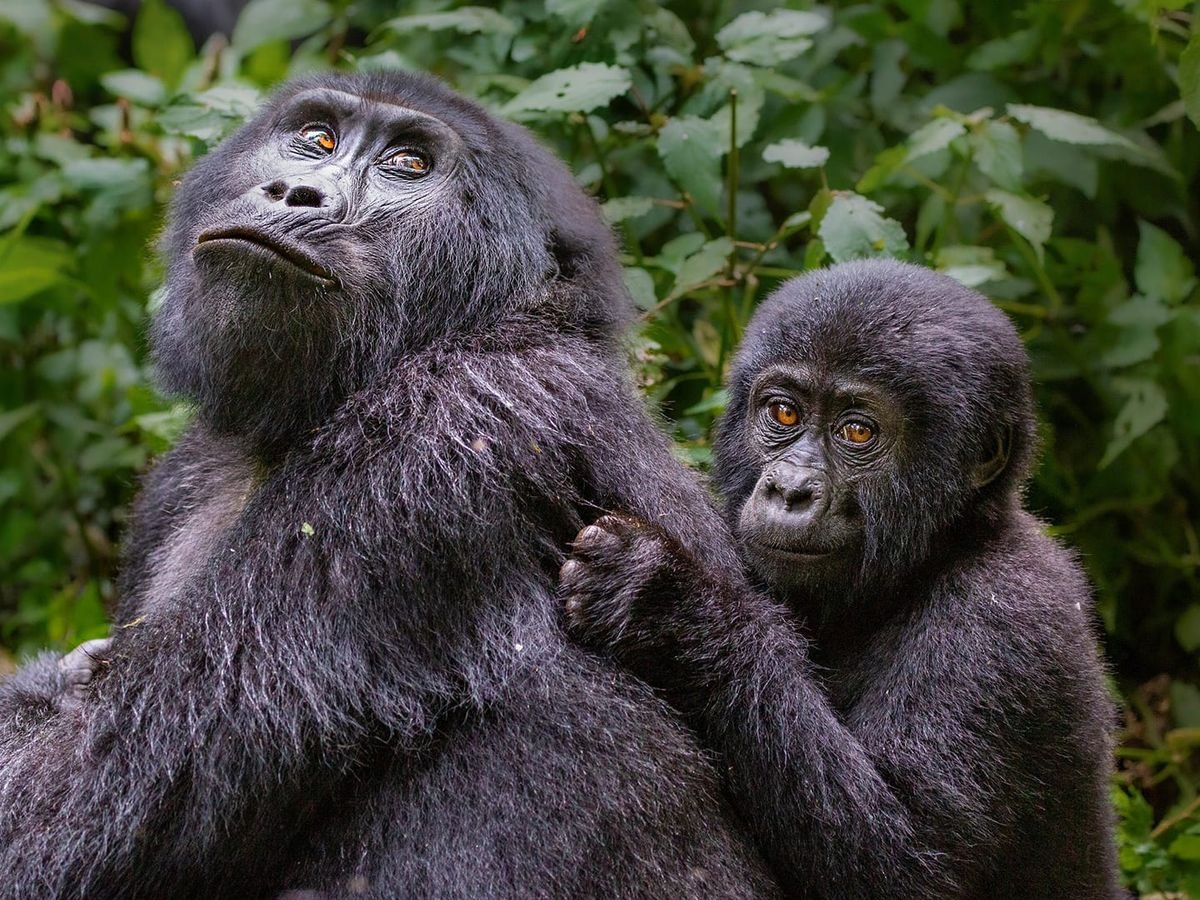
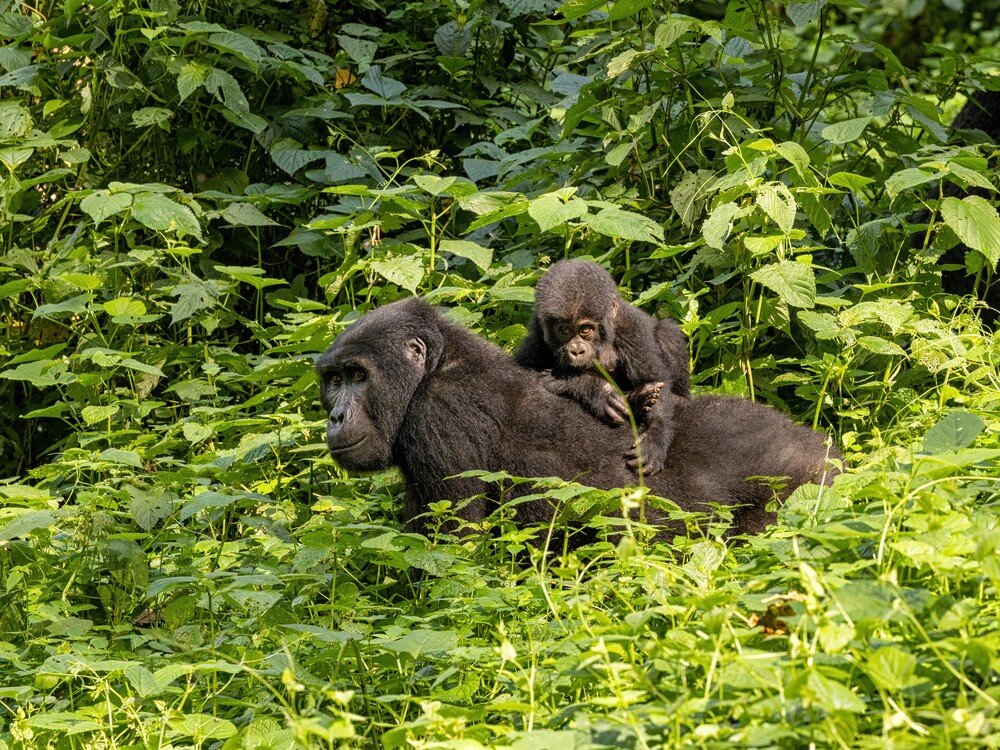
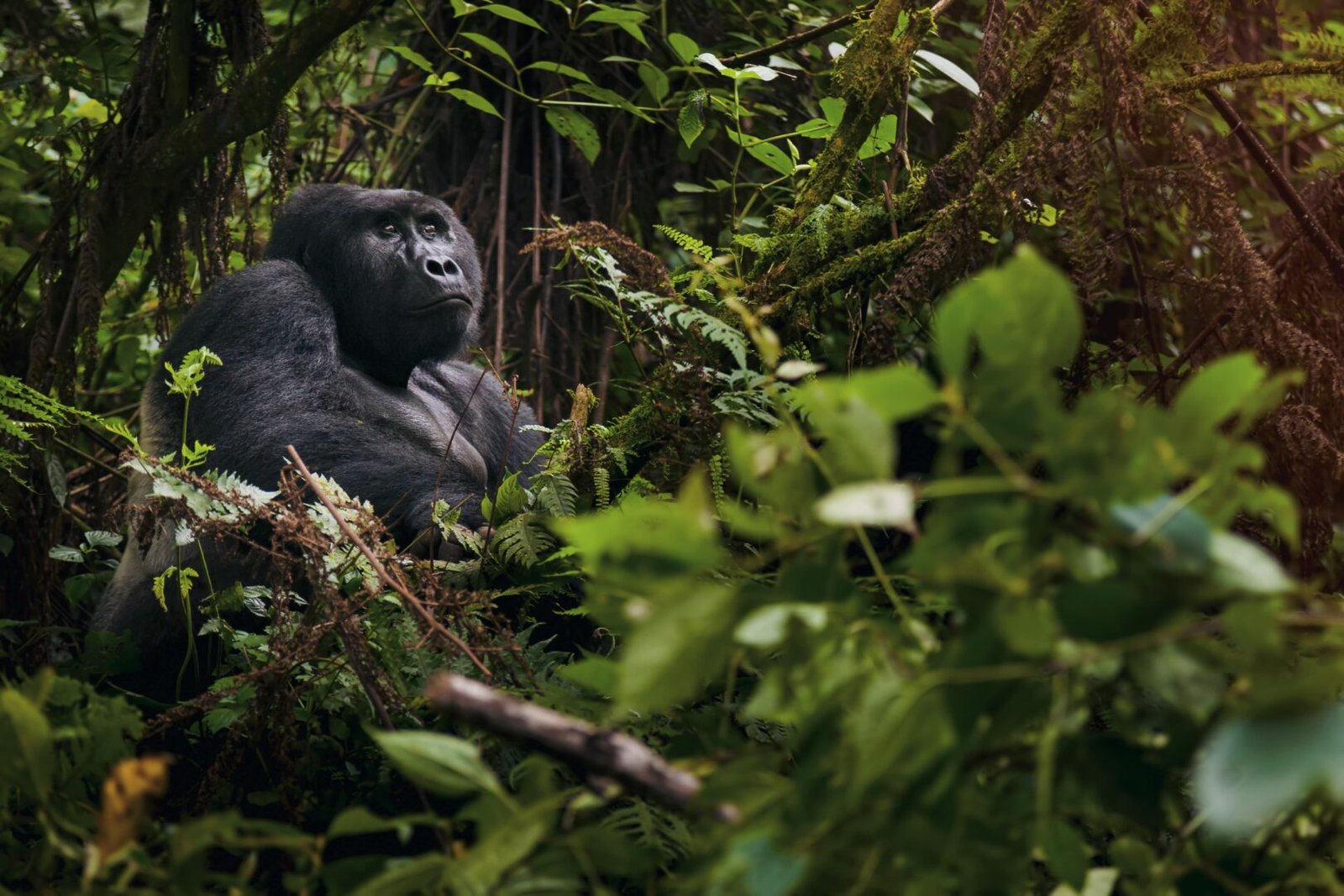
Maintaining a balance between human development and wildlife conservation remains essential. Communities need land for agriculture and livelihoods, while gorillas require protected forests for survival.
Another major challenge is disease. Because mountain gorillas are closely related to humans, they remain vulnerable to illnesses that can spread between species.
Climate change is also becoming an increasing concern. Changes in temperature, rainfall patterns, and vegetation could affect the ecosystems where mountain gorillas live.
Conservation teams continue studying these challenges and developing strategies to reduce their impact.
The continued success of Rwanda’s conservation model depends on the ability to adapt to new threats while maintaining the protection systems that have already proven successful.
Climate Change and the Future of Gorilla Habitats
Climate change represents one of the long-term challenges that could influence mountain gorilla conservation in Rwanda.
Mountain gorillas depend on specific forest conditions, and changes in climate can affect plant growth, food availability, and ecosystem stability.
Changes in rainfall patterns may influence vegetation within Volcanoes National Park. Since gorillas rely heavily on plants for food, changes in forest composition could affect their daily lives.
Scientists continue monitoring environmental changes within the Virunga ecosystem to understand how climate change may influence wildlife.
Protecting forests is one of the most important responses to climate challenges. Healthy forests provide greater resilience against environmental changes and support biodiversity.
Future conservation strategies will need to consider both immediate threats and long-term environmental changes.
The Future of Mountain Gorilla Conservation in Rwanda
The future of mountain gorilla conservation in Rwanda depends on maintaining the successful systems that have allowed these animals to recover.
The protection of Volcanoes National Park, continued scientific research, community involvement, and responsible tourism will remain central to conservation efforts.
Although mountain gorilla numbers have improved, these animals remain endangered. Continued protection is necessary to ensure that future generations can experience them in the wild.
The goal of conservation is not only increasing numbers but also creating a healthy ecosystem where gorillas can live naturally, reproduce successfully, and maintain their complex social structures.
Rwanda’s experience provides hope for wildlife conservation around the world. It shows that endangered species can recover when people work together with a shared commitment.
Mountain Gorilla Conservation in Rwanda as a Global Example
Mountain gorilla conservation in Rwanda has become a symbol of what is possible when conservation receives dedication, planning, and international support.
The survival of Rwanda’s mountain gorillas represents decades of work by people who believed that protecting nature was worth the effort.
Every gorilla family living in Volcanoes National Park represents a conservation achievement. Every infant born represents hope for the future. Every protected forest area represents a commitment to preserving biodiversity.
For travellers, visiting Rwanda’s mountain gorillas is not only an adventure but also a contribution to conservation. The experience allows people to witness the results of years of protection while supporting continued efforts.
Rwanda’s mountain gorilla conservation story proves that wildlife protection is possible when governments, communities, scientists, and travellers work together.
The future of these magnificent animals depends on continuing this commitment and ensuring that conservation remains a priority for generations to come.
Mountain gorilla conservation in Rwanda is more than the protection of an endangered species. It is a story of resilience, cooperation, scientific discovery, and hope. It represents one of the greatest examples of humanity working together to protect the natural world.