Rwanda Gorilla Trekking vs Uganda Gorilla Habituation: The Ultimate Guide to Choosing Africa’s Greatest Gorilla Experience
Few wildlife experiences on Earth can compare with standing only a few metres away from a wild mountain gorilla deep inside the ancient forests of East Africa. The moment a traveller enters the mist-covered mountains, follows fresh trails through thick vegetation, and finally comes face-to-face with a powerful silverback or a playful young gorilla is something that remains unforgettable for a lifetime.

For many travellers planning a primate adventure in Africa, the biggest decision is choosing between Rwanda Gorilla Trekking vs Uganda Gorilla Habituation. Both countries offer remarkable opportunities to encounter endangered mountain gorillas, both play a major role in gorilla conservation, and both provide access to some of the world’s most important rainforest ecosystems. However, the experiences are different in many ways, from the trekking environment and time spent with gorillas to accessibility, accommodation styles, pricing, and the overall feeling of the journey.
Rwanda has become one of Africa’s most recognised luxury gorilla destinations, attracting travellers who value comfort, convenience, excellent infrastructure, and a highly organised wildlife experience. Located only a short drive from Kigali, Volcanoes National Park provides one of the easiest mountain gorilla trekking experiences in Africa. Travellers can arrive in Rwanda, enjoy a comfortable transfer to Musanze, and begin their gorilla adventure without spending many hours on long internal journeys.
Uganda, on the other hand, offers a deeper wilderness experience through Bwindi Impenetrable National Park and Mgahinga Gorilla National Park. Uganda’s Gorilla Habituation Experience provides something completely unique because visitors spend extended time with a gorilla family that is still undergoing the habituation process. Instead of the traditional one-hour gorilla encounter, travellers can spend up to four hours observing gorillas while learning about conservation, research, and their natural behaviour.
The decision between Rwanda Gorilla Trekking and Uganda Gorilla Habituation is therefore not simply about choosing a destination. It is about choosing the type of adventure that matches your travel dreams. Some travellers want a seamless luxury experience where every detail is carefully organised. Others want a more immersive rainforest adventure where they feel connected to conservation efforts and spend more time understanding gorilla behaviour.
Both experiences are extraordinary. Both contribute directly to protecting mountain gorillas. Both create memories that last forever. However, understanding the differences between them helps travellers choose the experience that best matches their expectations.
Understanding Rwanda Gorilla Trekking: A Premium Mountain Gorilla Experience
Rwanda Gorilla Trekking takes place in Volcanoes National Park, one of Africa’s most famous primate destinations. Located in the northern province of Rwanda near Musanze, the park forms part of the greater Virunga Conservation Area, a unique volcanic ecosystem shared between Rwanda, Uganda, and the Democratic Republic of Congo.
The landscape of Volcanoes National Park creates a truly dramatic setting for a gorilla adventure. The park is dominated by the magnificent Virunga volcanoes, including Mount Karisimbi, Mount Bisoke, Mount Muhabura, Mount Gahinga, and Mount Sabyinyo. These ancient mountains rise above the surrounding countryside, creating the misty and mysterious environment that has made Rwanda famous among wildlife enthusiasts.
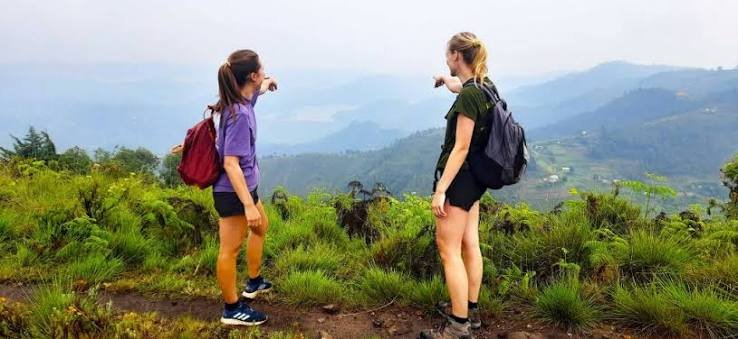
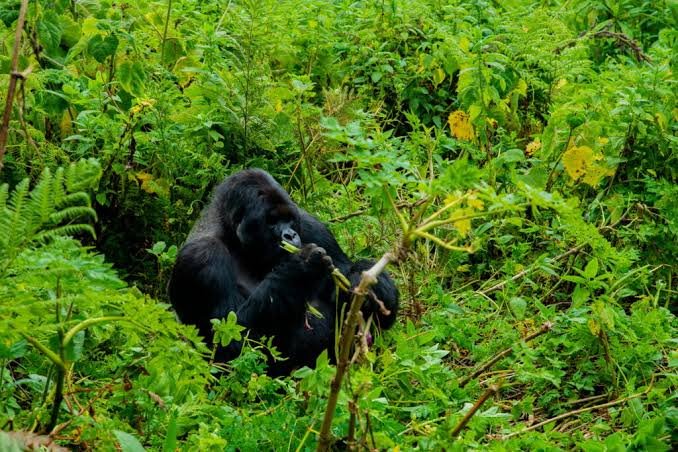

A typical Rwanda Gorilla Trekking experience begins early in the morning at the Volcanoes National Park headquarters. Travellers meet their guides, receive a detailed briefing about gorilla behaviour and trekking rules, and are assigned a gorilla family based on their fitness level and preferences. Experienced trackers enter the forest before visitors to locate the gorilla groups and monitor their movements.
The trek itself is part of the adventure. Depending on the location of the gorilla family, visitors may walk through bamboo forests, climb volcanic slopes, cross muddy trails, and experience the incredible biodiversity of the Virunga ecosystem. The anticipation builds with every step because no two gorilla treks are exactly the same. The forest changes daily, and the location of the gorillas depends on where they moved after spending the previous night.
When travellers finally encounter the gorillas, the experience is deeply emotional. Watching a dominant silverback sitting peacefully among his family, seeing mothers carrying their babies, or observing young gorillas playing in the trees creates a powerful connection between humans and wildlife. Despite their enormous size and strength, mountain gorillas display remarkable intelligence, emotions, and social relationships that closely resemble our own.
During Rwanda Gorilla Trekking, visitors are allowed to spend approximately one hour with the gorilla family. This may seem short, but the encounter is carefully managed to protect the animals while giving travellers an unforgettable opportunity to observe them in their natural environment.
The one-hour limit is designed around conservation principles. Mountain gorillas are wild animals, and maintaining their natural behaviour is one of the most important priorities of gorilla tourism. Limiting visitor time reduces stress on the animals while allowing conservation authorities to manage tourism sustainably.
Why Rwanda Gorilla Trekking Is Popular Among Luxury Travellers
One of the biggest reasons Rwanda has become a leading gorilla destination is the country’s ability to combine wildlife adventure with comfort and luxury. Rwanda has invested heavily in tourism infrastructure, creating a smooth travel experience from arrival to departure.

For international travellers, Kigali provides one of the most convenient gateways to mountain gorilla trekking in Africa. The capital city is modern, clean, and well connected with international flights. From Kigali, travellers can reach Volcanoes National Park in approximately two to three hours by road, meaning they can arrive in Rwanda and quickly begin their gorilla adventure.
This accessibility makes Rwanda particularly attractive for travellers who have limited time. A person visiting East Africa for business, a honeymoon, or a short holiday can combine Kigali exploration with a gorilla trek without needing a long domestic flight or several days of road travel.
The accommodation options around Volcanoes National Park also contribute to Rwanda’s premium reputation. Travellers can choose from luxury lodges offering exceptional service, beautiful mountain views, fine dining, wellness experiences, and personalised hospitality. The combination of a world-class lodge experience and a mountain gorilla encounter creates a safari journey that appeals strongly to honeymooners, luxury travellers, and visitors celebrating special occasions.
Rwanda Gorilla Trekking is also known for its excellent organisation. The trekking system is carefully managed, guides are highly trained, and conservation regulations are strictly followed. Many travellers appreciate the feeling that every part of their journey has been professionally arranged.
For visitors who want a comfortable, exclusive, and efficient gorilla experience, Rwanda provides one of the finest options in Africa.
Understanding Uganda Gorilla Habituation: A Deeper Conservation Experience
While Rwanda offers an incredible standard gorilla trekking experience, Uganda provides something different through the Gorilla Habituation Experience. This unique adventure takes place mainly in Bwindi Impenetrable National Park, a UNESCO World Heritage Site located in southwestern Uganda.
Bwindi is one of the oldest rainforests in Africa, estimated to be thousands of years old. Unlike the volcanic landscapes of Rwanda, Bwindi creates a true jungle atmosphere with thick vegetation, deep valleys, towering trees, and a feeling of complete wilderness.
The name “Impenetrable” reflects the forest’s dense nature. Walking through Bwindi is an adventure in itself. The trails pass through ancient rainforest, where travellers may hear birds calling from the canopy, spot colourful butterflies, and experience the incredible biodiversity of one of Africa’s most important ecosystems.
The Uganda Gorilla Habituation Experience is different from normal gorilla trekking because visitors join researchers, conservationists, and trackers while they spend time with a gorilla family that is gradually becoming comfortable with human presence.
Habituation is a slow and careful process. It can take several years before a gorilla family becomes fully habituated for regular tourism. During this period, conservation teams observe the gorillas, study their behaviour, and gradually help them become accustomed to limited human interaction without changing their natural way of life.
For travellers, this creates a much deeper experience. Instead of spending one hour with a fully habituated gorilla family, visitors can spend up to four hours following and observing the gorillas.
These additional hours provide more opportunities to understand gorilla behaviour. Travellers may watch how the family moves through the forest, how the silverback protects the group, how mothers interact with infants, and how different individuals communicate with each other.
The Uganda Gorilla Habituation Experience is therefore not simply a wildlife encounter. It is an educational and conservation-focused journey that allows travellers to understand the effort required to protect these endangered animals.
Rwanda Gorilla Trekking vs Uganda Gorilla Habituation: The Biggest Experience Differences
When comparing Rwanda Gorilla Trekking vs Uganda Gorilla Habituation, the biggest difference goes beyond the location or the price of the permit. The real distinction lies in the depth of interaction, the purpose of the experience, and the relationship between travellers and the gorillas they encounter. Although both adventures provide access to the endangered mountain gorillas of East Africa, they introduce visitors to these incredible animals from two very different conservation perspectives.
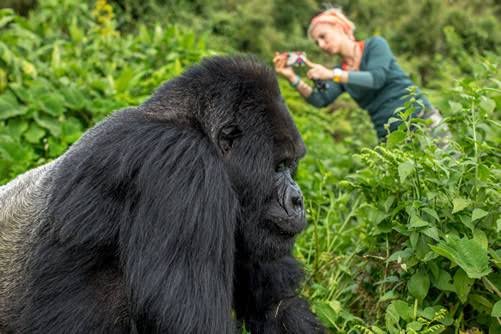
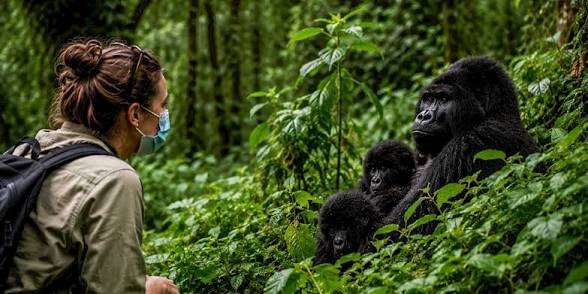
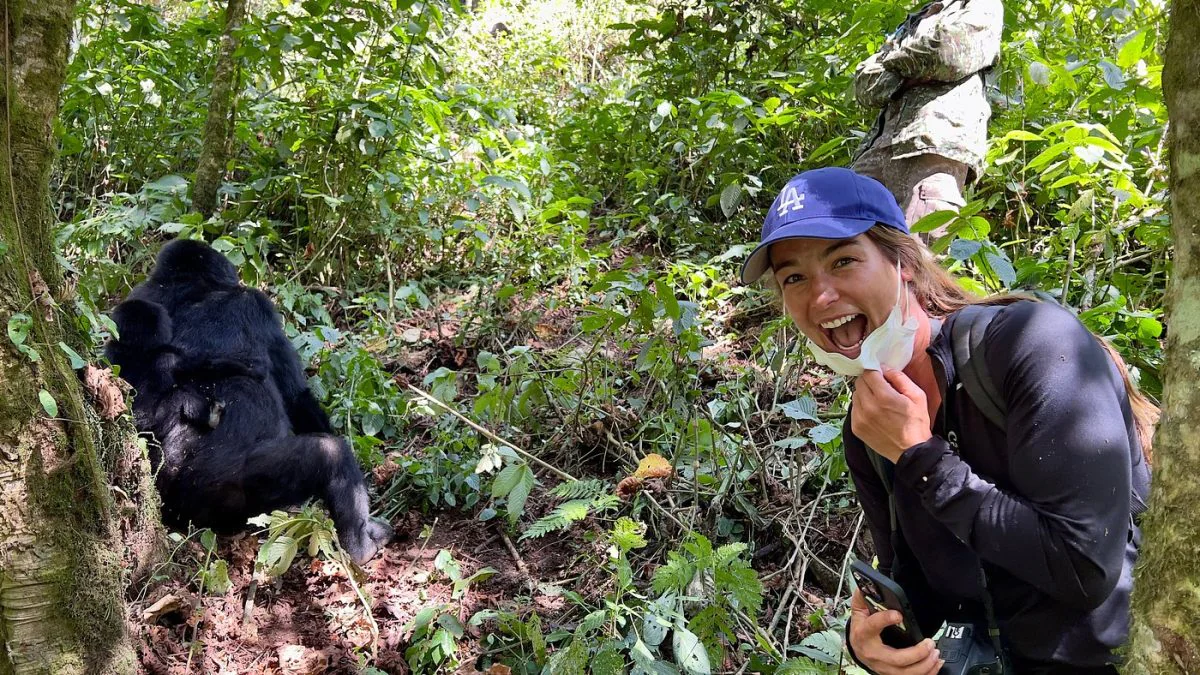
A mountain gorilla encounter is not simply about seeing a wild animal. It is about entering a carefully protected ecosystem where every movement, every interaction, and every moment spent with the gorillas is guided by strict conservation principles. Both Rwanda and Uganda have developed responsible tourism systems that allow travellers to experience gorillas while ensuring that these remarkable primates remain protected for future generations.
Rwanda Gorilla Trekking focuses on providing travellers with an unforgettable encounter with fully habituated gorilla families. These gorilla groups have undergone years of careful habituation, a gradual process where gorillas become comfortable with the presence of humans without changing their natural behaviours. The process does not make the gorillas tame or domesticated. Instead, it allows conservation teams and visitors to safely observe them while maintaining the respect and distance required for their protection.
During a Rwanda Gorilla Trekking adventure, travellers enter the misty forests of Volcanoes National Park in search of one of the park’s habituated gorilla families. The journey itself is an important part of the experience. Before reaching the gorillas, visitors walk through beautiful volcanic landscapes, bamboo forests, and mountain trails while guided by experienced trackers who understand the movements and behaviours of different gorilla groups.
The anticipation of finding the gorillas creates a unique emotional experience. Every trek is different because mountain gorillas move freely through their natural environment. One day a family may be close to the trekking starting point, while another day visitors may need to hike deeper into the forest. This unpredictability creates the feeling of a true wildlife adventure.
Once the gorilla family is located, travellers are allowed to spend approximately one hour observing them. Although this may seem like a short period, the encounter is often described as one of the most powerful wildlife experiences in the world. Within that hour, visitors may witness a silverback protecting his family, mothers caring for young infants, juveniles playing around the forest floor, and different members of the group communicating with each other.
The limited time is carefully designed to protect the gorillas. Mountain gorillas are highly intelligent and social animals, and responsible tourism requires maintaining a balance between allowing human observation and protecting their natural behaviour. The one-hour encounter ensures that gorilla families are not overwhelmed by prolonged human presence.
The Rwanda Gorilla Trekking experience is therefore centred around a magical introduction to the world of mountain gorillas. It allows travellers to witness these animals in their natural habitat while enjoying the comfort, organisation, and accessibility that Rwanda has become famous for.
Uganda Gorilla Habituation: A Deeper Conservation Journey
Uganda Gorilla Habituation provides a completely different perspective. Instead of visiting gorilla families that have already completed the habituation process, travellers participate in an experience connected directly to the ongoing conservation journey.
The Gorilla Habituation Experience takes place mainly in Bwindi Impenetrable National Park, an ancient rainforest ecosystem that provides one of the most important habitats for mountain gorillas. The experience allows visitors to spend extended time with a gorilla family that is still becoming accustomed to human presence.
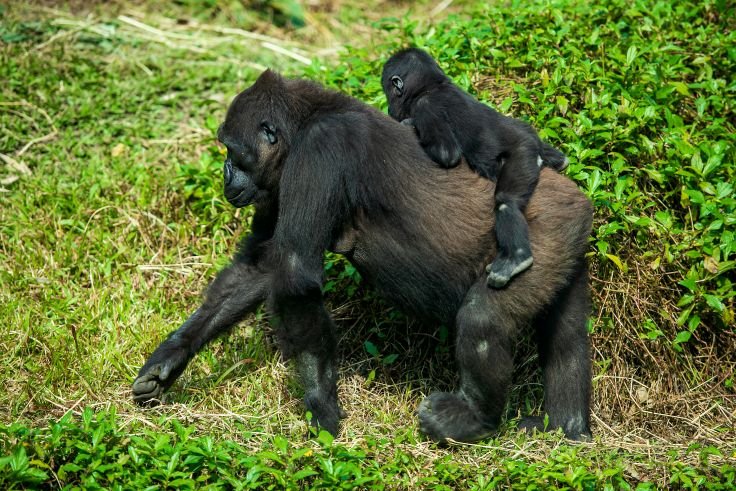
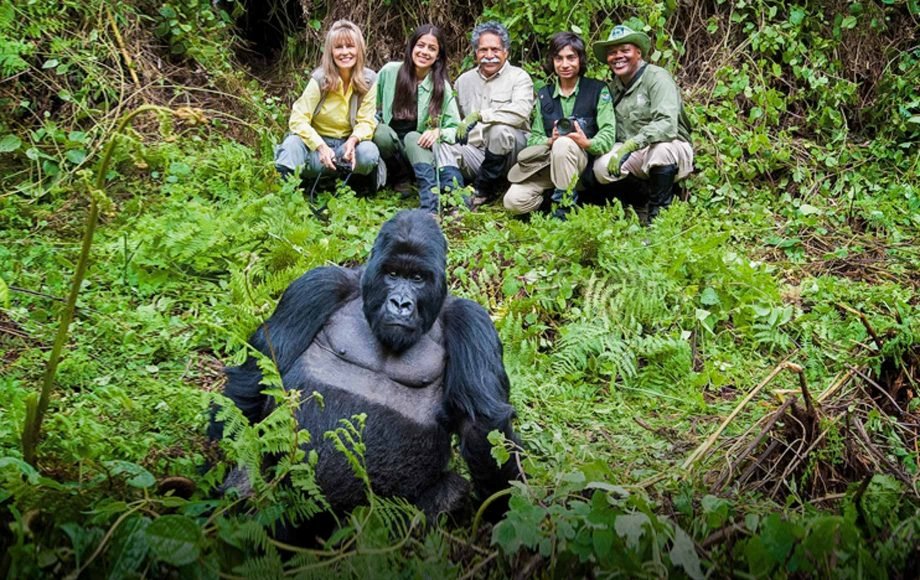
Unlike traditional gorilla trekking, where the focus is on locating a habituated family and observing their daily activities, gorilla habituation allows travellers to witness the process of understanding and protecting gorillas.
Visitors are accompanied by experienced guides, trackers, and sometimes researchers who monitor the gorilla family. These conservation specialists have an incredible understanding of gorilla behaviour, including individual personalities, family relationships, movement patterns, and social structures.
This creates a much more educational experience because travellers gain insight into how conservation teams work to protect mountain gorillas.
The additional time spent with the gorillas is the most significant difference. Uganda Gorilla Habituation allows visitors to spend up to four hours with the gorilla family. These extra hours provide opportunities to observe behaviours that may not always be visible during a shorter encounter.
Instead of only witnessing a single moment, travellers can follow the rhythm of gorilla life. They may watch the family move through the forest searching for food, observe how the silverback interacts with other members, see young gorillas developing their skills through play, and understand how different individuals contribute to the group.
This longer interaction creates a stronger connection between visitors and the gorillas because travellers have more time to appreciate their personalities and social relationships.
For example, during a one-hour gorilla trek, visitors may capture a beautiful image of a silverback resting beneath the trees. During a four-hour habituation experience, they may observe that same silverback moving through the forest, communicating with the family, protecting younger gorillas, and responding to changes in the environment.
The experience becomes less about simply seeing gorillas and more about understanding them.
The Difference in Emotional Connection
One of the greatest differences between Rwanda Gorilla Trekking and Uganda Gorilla Habituation is the emotional connection created during the encounter.
Rwanda Gorilla Trekking delivers a powerful first impression. The moment travellers enter the forest and meet a mountain gorilla for the first time is often overwhelming. The size, intelligence, and human-like behaviour of these animals create an immediate connection.
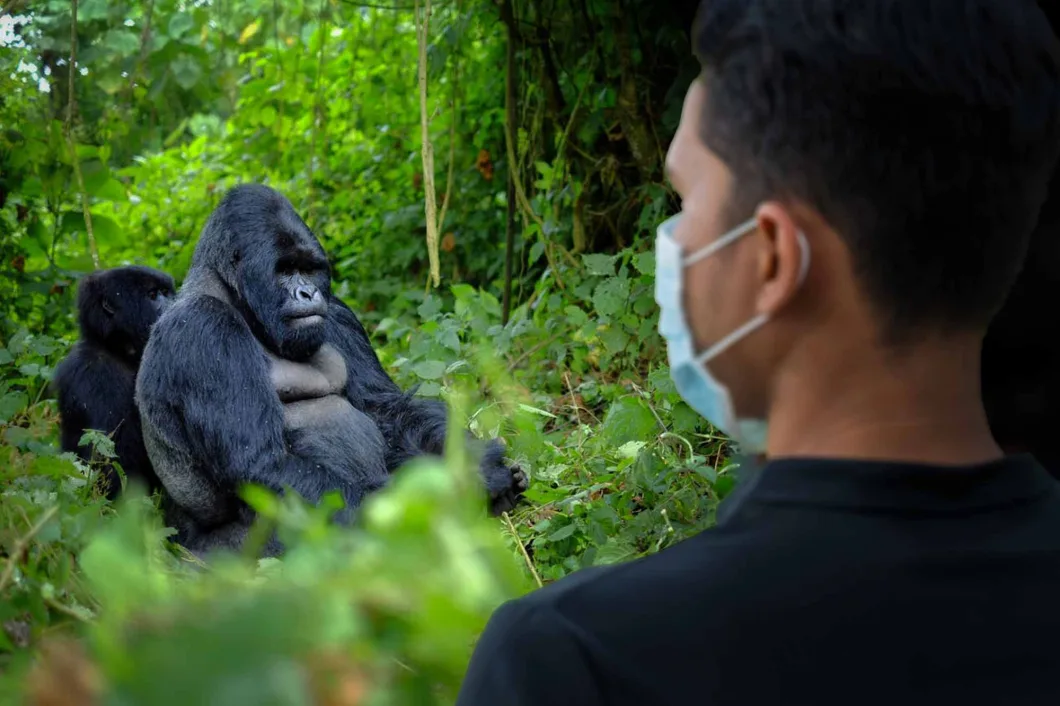
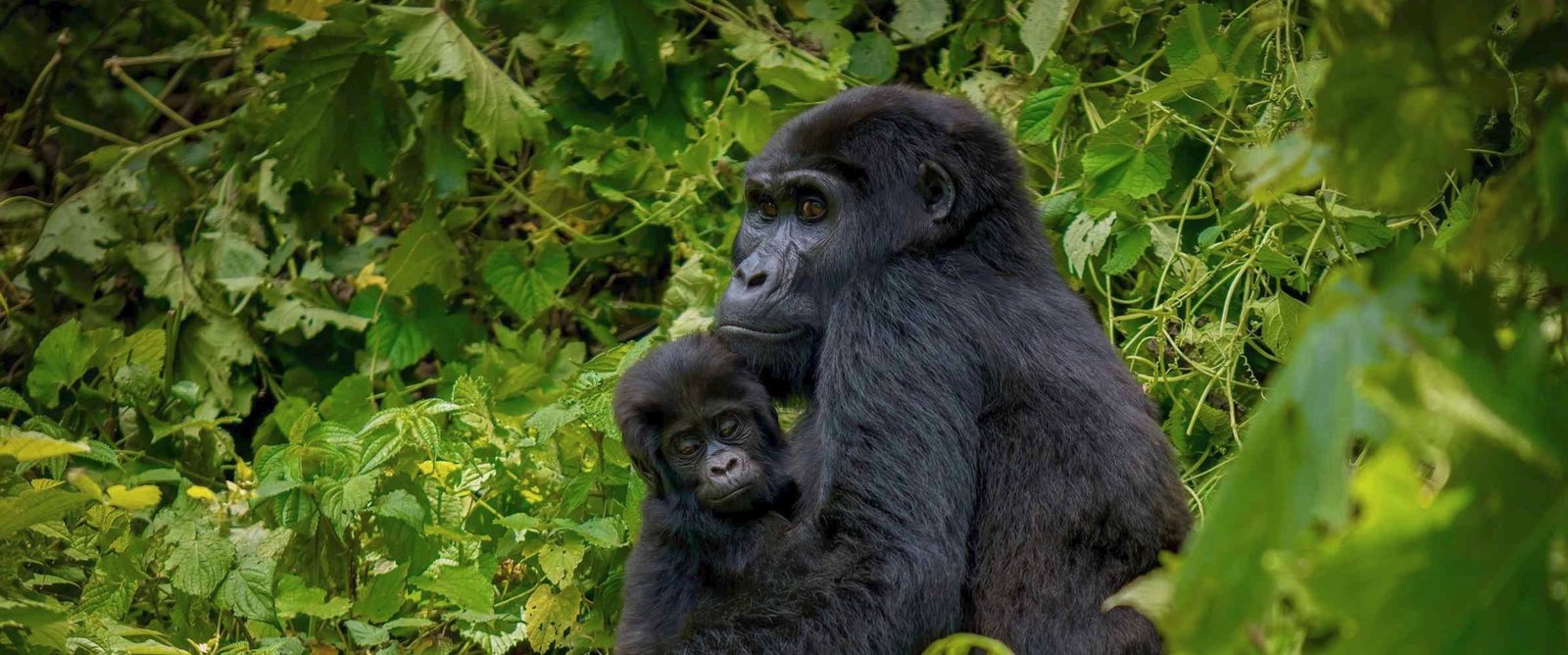
Many visitors describe the experience as humbling because they realise they are observing creatures that share many similarities with humans. The way gorillas care for their families, communicate with each other, and protect their young reminds visitors of the importance of protecting these endangered animals.
Uganda Gorilla Habituation creates a connection that develops over time. Because travellers spend longer with the gorillas, they begin noticing individual behaviours and personalities. The experience feels more like spending time with a family rather than simply visiting wildlife.
The extended duration allows visitors to appreciate the complexity of gorilla society. They begin to understand that every gorilla has a role within the group and that these animals have emotions, relationships, and individual characteristics.
For travellers who want a deeper understanding of gorillas, Uganda’s habituation experience provides a level of connection that is difficult to achieve in a shorter encounter.
Photography and Observation Opportunities
Photography is another major difference between Rwanda Gorilla Trekking and Uganda Gorilla Habituation.
Rwanda offers excellent photography opportunities because Volcanoes National Park provides a dramatic setting. The volcanic mountains, mist-covered forests, and green landscapes create beautiful backgrounds for wildlife photography.
Travellers can capture powerful portraits of gorillas, including close-up images of silverbacks, mothers with infants, and groups interacting in the forest. The organised nature of Rwanda’s trekking system also allows photographers to prepare carefully for the encounter.
Uganda Gorilla Habituation provides an advantage that every wildlife photographer values: time.
Wildlife photography depends heavily on patience. Animals do not always behave according to a schedule, and the best moments often happen unexpectedly.
The additional hours spent with gorillas in Uganda increase the chances of capturing unique behaviours. Photographers have more opportunities to observe changing light conditions, different positions, social interactions, and movement through the forest.
Instead of capturing only a portrait, photographers can tell a complete story through their images.
They can document the relationship between a silverback and his family, the playful nature of young gorillas, or the quiet moments when a gorilla rests peacefully in the rainforest.
For professional wildlife photographers, conservation storytellers, and travellers passionate about photography, Uganda Gorilla Habituation offers exceptional opportunities.
Convenience Versus Immersion: The True Difference
Ultimately, the choice between Rwanda Gorilla Trekking and Uganda Gorilla Habituation comes down to one important question:
Do you prefer convenience or deeper immersion?
Rwanda provides a refined, accessible, and comfortable gorilla experience. It is ideal for travellers who want to combine a world-class wildlife encounter with excellent infrastructure, luxury accommodation, and easier travel arrangements.
Uganda provides a longer, more immersive wilderness journey. It is ideal for travellers who want to spend more time with gorillas, understand conservation efforts, and experience the rainforest environment at a deeper level.
Neither experience is superior. They simply satisfy different travel dreams.
Rwanda allows you to discover mountain gorillas in a beautifully organised and premium setting.
Uganda allows you to become part of a longer conservation story where you witness the process of understanding and protecting these incredible animals.
For travellers choosing between Rwanda Gorilla Trekking vs Uganda Gorilla Habituation, the perfect choice depends on whether they want a breathtaking encounter or a deeper connection.
Rwanda provides a refined and accessible adventure.
Uganda provides a longer and more intimate wilderness journey.
Rwanda Volcanoes National Park vs Uganda Bwindi Impenetrable National Park
The landscapes where gorilla experiences take place are another major difference between Rwanda and Uganda.
Volcanoes National Park in Rwanda offers a dramatic mountain environment shaped by volcanic activity. The park’s famous volcanoes create spectacular scenery, with green slopes rising into the clouds and bamboo forests covering parts of the mountainsides.
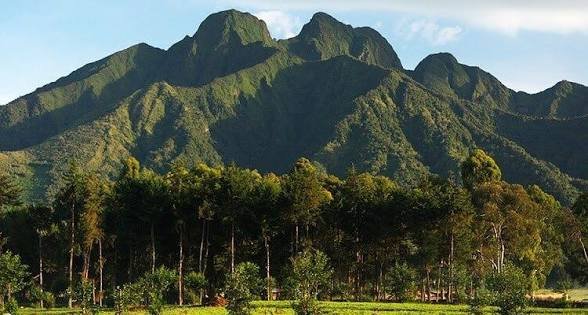
Many travellers describe trekking in Volcanoes National Park as walking through a mystical landscape. The combination of mist, volcanic mountains, and dense vegetation creates a unique atmosphere that feels almost untouched.
The terrain can still be challenging, especially when gorilla families move higher into the mountains. However, the trekking experience is generally considered more accessible because the park headquarters are close to the gorilla habitat and the infrastructure around the area is highly developed.
Bwindi Impenetrable National Park in Uganda provides a completely different feeling. Instead of volcanic slopes, travellers enter an ancient rainforest filled with thick vegetation, towering trees, and dramatic valleys.
Bwindi feels more remote and wild. The forest surrounds visitors with nature from every direction, creating the sensation of exploring a hidden world. The trails can be steep, muddy, and physically demanding, but many travellers consider this challenge part of what makes Uganda special.
The difference is not about one environment being better than the other. They simply offer different emotions.
Rwanda gives travellers the feeling of exploring the legendary volcanic home of mountain gorillas.
Uganda gives travellers the feeling of entering a deep African rainforest where adventure awaits around every corner.
Permit Cost Comparison Between Rwanda Gorilla Trekking and Uganda Gorilla Habituation
Cost is one of the major factors travellers consider when choosing between Rwanda and Uganda.
Rwanda Gorilla Trekking is positioned as a premium wildlife experience. The international gorilla trekking permit in Rwanda costs USD 1,500 per person. This permit provides access to Volcanoes National Park, the services of trained guides and trackers, and approximately one hour with a habituated gorilla family.
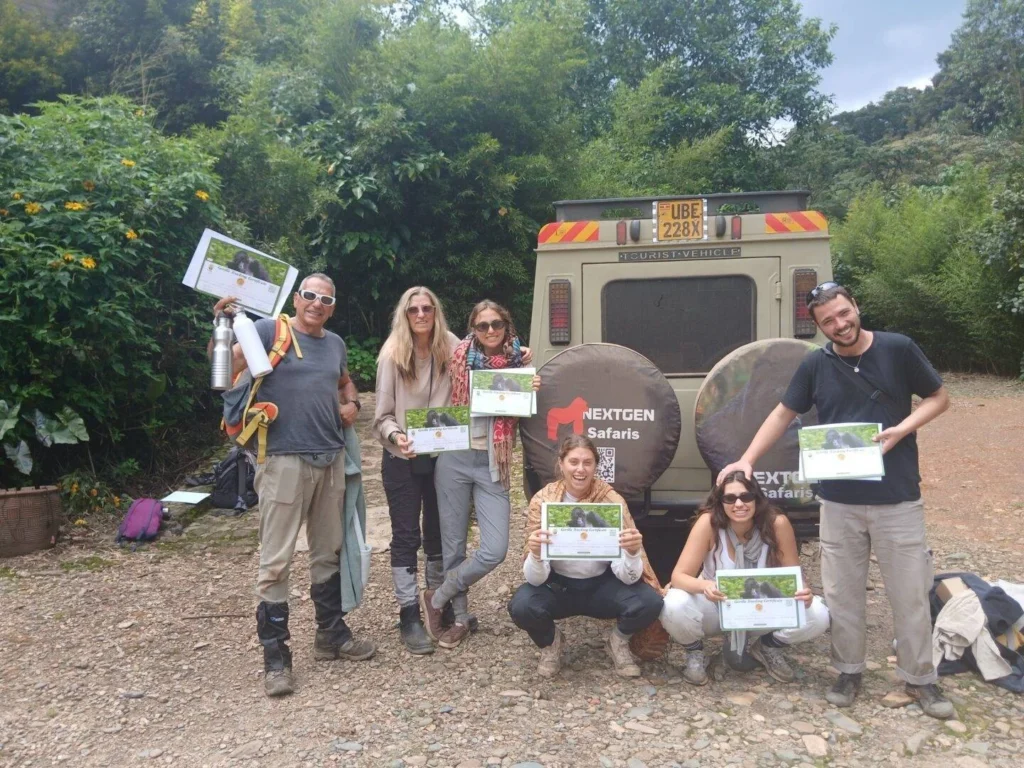
Uganda offers two different gorilla experiences. Standard gorilla trekking permits are available for travellers who want the traditional one-hour encounter, while the Uganda Gorilla Habituation Experience provides up to four hours with a gorilla family.
The Uganda Gorilla Habituation permit is also USD 1,500 per person, making it similar in price to Rwanda’s standard trekking experience but offering significantly more time with the gorillas.
However, the total cost of a gorilla safari involves more than just the permit price. Accommodation, transportation, meals, guide services, and additional safari experiences all influence the final budget.
Rwanda often has higher accommodation costs because of its strong luxury tourism positioning. Many travellers choose Rwanda because they want a premium experience where comfort, accessibility, and service quality are major priorities.
Uganda can provide more flexibility, offering a wider range of accommodation options from budget-friendly lodges to luxury forest retreats. Travellers who want to combine gorilla habituation with a longer safari experience may find Uganda offers excellent value.
The right choice depends on what travellers want from their investment.
For a shorter luxury experience, Rwanda provides outstanding value.
For a longer conservation-focused adventure, Uganda Gorilla Habituation offers exceptional value because of the extended time spent with the gorillas.
Trekking Difficulty: Which Experience Is More Challenging?
A common question when comparing Rwanda Gorilla Trekking vs Uganda Gorilla Habituation is which experience is physically harder.
The answer depends on the location of the gorilla family on the day of trekking. Mountain gorillas move freely through their natural environment, meaning trekking conditions can change every day.
In Rwanda, some gorilla groups live in areas that are relatively easier to access, while others may require longer hikes through steep volcanic terrain. The advantage is that Volcanoes National Park has excellent organisation, and visitors are often assigned groups according to their physical ability.
Uganda Gorilla Habituation is generally considered more physically demanding because Bwindi’s rainforest terrain is rugged. The forest contains steep slopes, narrow trails, thick vegetation, and sometimes challenging weather conditions.
However, the difficulty is also part of the reward. Walking through Bwindi creates a genuine expedition feeling. Travellers feel that they are exploring a wild environment rather than simply visiting a tourist attraction.
Preparation is important for both experiences. Comfortable hiking boots, long trousers, waterproof clothing, gardening gloves, and a reasonable level of fitness can greatly improve the experience.
Travellers should not choose only based on difficulty. The physical challenge is temporary, but the memory of encountering mountain gorillas remains forever.
Photography Opportunities: Rwanda vs Uganda Gorilla Experiences
For photographers, choosing between Rwanda Gorilla Trekking and Uganda Gorilla Habituation can significantly influence the type of images they capture.
Rwanda’s gorilla trekking experience provides excellent photography opportunities during the one-hour encounter. The volcanic landscape, misty forests, and dramatic mountain scenery create a beautiful background for wildlife photography.

Because Rwanda’s trekking system is highly organised, photographers often appreciate the predictable structure of the experience. They know they will have a dedicated time with the gorillas and can prepare their equipment accordingly.
Uganda Gorilla Habituation offers a different photographic advantage: time.
Four hours with a gorilla family allows photographers to capture a wider range of behaviours and interactions. Instead of focusing only on portraits, photographers can document the story of the gorilla family.
They may capture a silverback resting under the trees, young gorillas playing with each other, mothers caring for infants, or the group moving through the rainforest.
The darker rainforest environment of Bwindi can create challenges, but it also produces atmospheric and dramatic images. The green forest, filtered light, and natural surroundings create photographs that feel authentic and wild.
For professional wildlife photographers, Uganda’s habituation experience is often the preferred choice because the extended observation time provides more creative opportunities.
For travellers who simply want beautiful memories of their gorilla encounter, Rwanda remains an excellent option.
Luxury Experience: Rwanda Gorilla Trekking vs Uganda Gorilla Habituation
When comparing Rwanda Gorilla Trekking vs Uganda Gorilla Habituation, luxury travellers often consider more than just the gorilla encounter itself. The complete safari experience, including accommodation, transportation, service, food, and the overall feeling of the journey, plays an important role in creating an unforgettable adventure.
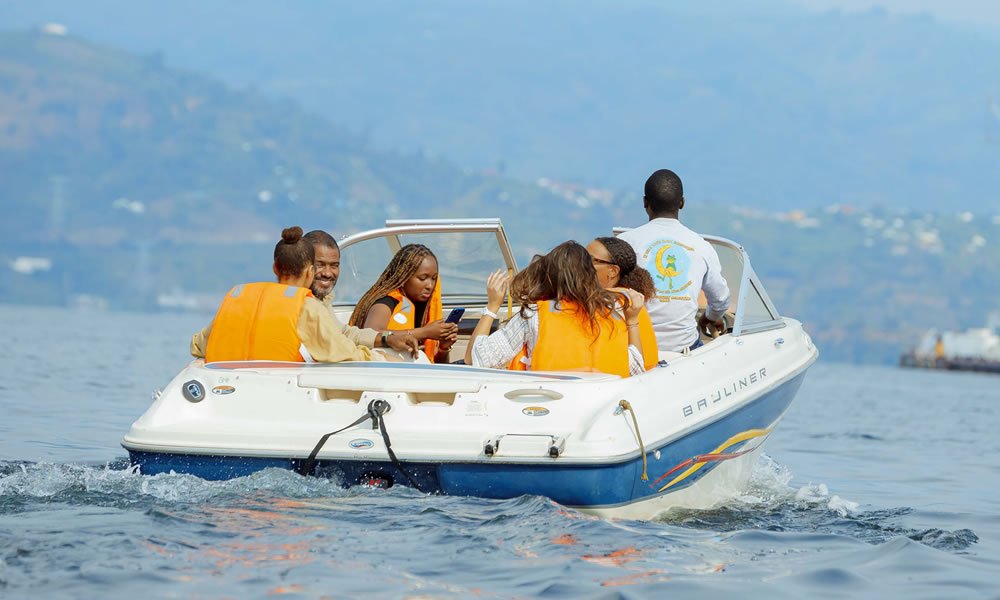
Rwanda has built a global reputation as one of Africa’s leading luxury gorilla destinations. The country has carefully positioned itself as a premium tourism destination, attracting travellers who want exceptional service combined with one of the world’s rarest wildlife encounters.
The journey to Volcanoes National Park is remarkably smooth. After arriving at Kigali International Airport, travellers can enjoy a comfortable transfer through Rwanda’s beautiful countryside before reaching Musanze, the gateway town for gorilla trekking. The short distance between Kigali and Volcanoes National Park makes the entire experience feel effortless compared to many other wildlife destinations in Africa.
Around Volcanoes National Park, luxury lodges provide an extraordinary level of comfort. Travellers can enjoy elegant rooms overlooking the volcanic mountains, personalised service, excellent cuisine, spa treatments, fireplaces, private experiences, and carefully designed spaces that blend with the natural surroundings.
For honeymooners and travellers celebrating special occasions, Rwanda offers a romantic atmosphere that is difficult to match. Waking up with views of the Virunga volcanoes, enjoying a private dinner after a gorilla trek, and relaxing in a luxury lodge surrounded by nature creates a truly memorable African escape.
Uganda also offers exceptional luxury gorilla experiences, but the feeling is different. The luxury in Uganda is more connected to wilderness and authenticity. Around Bwindi Impenetrable National Park, luxury lodges are often built within or near the forest, allowing guests to feel completely immersed in nature.
Instead of a polished mountain retreat atmosphere, Uganda provides a deeper jungle experience. Guests may wake up to forest sounds, enjoy views of ancient rainforest landscapes, and relax after trekking while surrounded by the beauty of Bwindi.
Luxury travellers who value exclusivity, adventure, and a closer connection to nature often find Uganda extremely rewarding. The experience feels less like visiting a destination and more like discovering a hidden world.
Therefore, when considering luxury, Rwanda represents refined comfort and convenience, while Uganda represents exclusive wilderness and adventure.
Rwanda Gorilla Trekking vs Uganda Gorilla Habituation for Honeymooners
A gorilla experience is one of the most romantic wildlife adventures in Africa. For couples searching for a unique honeymoon experience, both Rwanda and Uganda provide unforgettable possibilities.
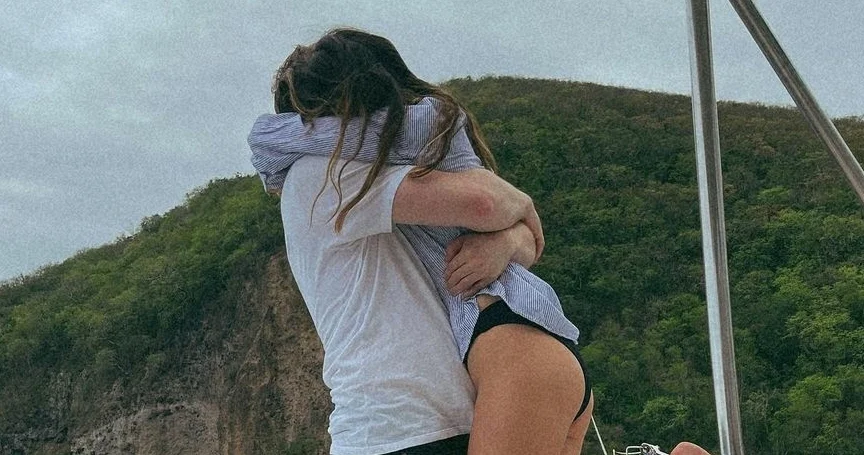
Rwanda is especially popular among honeymoon travellers because of its combination of luxury accommodation, accessibility, and seamless travel arrangements.
A couple can arrive in Kigali, enjoy a city experience, travel comfortably to Volcanoes National Park, and combine gorilla trekking with other romantic activities such as cultural experiences, scenic drives, or relaxation around Lake Kivu.
The shorter transfer times also make Rwanda attractive for couples who want to maximise their holiday time. Instead of spending several days travelling between destinations, couples can focus more on enjoying each other’s company and experiencing the beauty of Rwanda.
Uganda offers a more adventurous honeymoon style. A couple choosing Uganda Gorilla Habituation is choosing a journey into the heart of one of Africa’s oldest rainforests.
The extended time with gorillas creates a deeply emotional experience. Spending several hours quietly observing a gorilla family together can become one of the strongest memories of a honeymoon.
Uganda is also ideal for couples who want to combine gorilla experiences with other wildlife adventures. A honeymoon itinerary can include chimpanzee trekking in Kibale Forest, game drives in Queen Elizabeth National Park, boat cruises, and cultural encounters.
For couples seeking elegance and comfort, Rwanda is often the preferred choice.
For couples seeking adventure and a once-in-a-lifetime conservation experience, Uganda Gorilla Habituation is an incredible option.
Rwanda Gorilla Trekking vs Uganda Gorilla Habituation for Families
Families planning a gorilla safari often consider accessibility, trekking difficulty, and the overall comfort of the experience.
Rwanda is usually easier for families because of the shorter travel distances and highly organised tourism system. Children and older travellers who may not want long road journeys often find Rwanda more convenient.
Volcanoes National Park also provides flexibility because trekking groups can sometimes be arranged according to fitness levels. This allows families to have a more comfortable experience.
Uganda can also be suitable for families, especially those with older children who enjoy adventure. The rainforest environment, longer trekking experience, and conservation focus can create a powerful educational journey.
Children who participate in Uganda Gorilla Habituation can gain a deeper understanding of wildlife conservation because they witness researchers studying and protecting endangered gorillas.
The choice depends on the family’s travel style.
Families wanting convenience and comfort may prefer Rwanda.
Families wanting adventure, learning, and deeper wildlife immersion may prefer Uganda.
Conservation Impact: How Both Experiences Protect Mountain Gorillas
The success of mountain gorilla conservation is one of the greatest wildlife stories in the world. Decades ago, these incredible animals faced serious threats from habitat destruction, human conflict, and illegal activities.
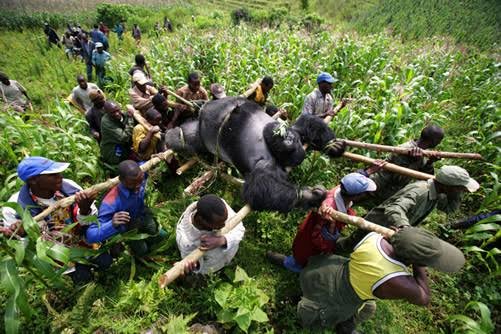
Today, responsible tourism has become one of the strongest tools supporting their protection.
Both Rwanda Gorilla Trekking and Uganda Gorilla Habituation contribute directly to conservation efforts. Revenue generated from gorilla permits supports national parks, wildlife monitoring, ranger programmes, veterinary care, and community development projects.
In Rwanda, tourism has played an important role in protecting gorillas within Volcanoes National Park. The controlled number of visitors ensures that gorilla families are protected while allowing conservation programmes to receive essential funding.
Uganda’s Gorilla Habituation Experience contributes even more directly to research because visitors accompany conservation teams studying gorilla behaviour. The experience helps researchers understand how gorillas adapt to human presence and ensures that tourism develops responsibly.
The relationship between tourism and conservation is carefully managed. Visitors are required to follow strict rules, including maintaining distance from gorillas, avoiding direct contact, limiting time with the animals, and following guide instructions.
These regulations are not designed to reduce the experience. Instead, they protect the gorillas and ensure that future generations can continue enjoying these remarkable encounters.
Choosing either Rwanda or Uganda means supporting a conservation model that has helped protect one of the world’s most endangered species.
Combining Gorilla Experiences with Other Safari Adventures
One of the biggest advantages of choosing between Rwanda Gorilla Trekking and Uganda Gorilla Habituation is the opportunity to combine the experience with other African adventures.
Uganda is often considered one of Africa’s most diverse safari destinations. Beyond gorillas, travellers can explore chimpanzee forests, savannah landscapes, rivers, lakes, and national parks filled with wildlife.
A Uganda itinerary can combine Gorilla Habituation in Bwindi with chimpanzee trekking in Kibale National Park, where visitors experience another incredible primate encounter. Travellers can also explore Queen Elizabeth National Park, famous for tree-climbing lions, elephants, buffaloes, hippos, and boat safaris along the Kazinga Channel.
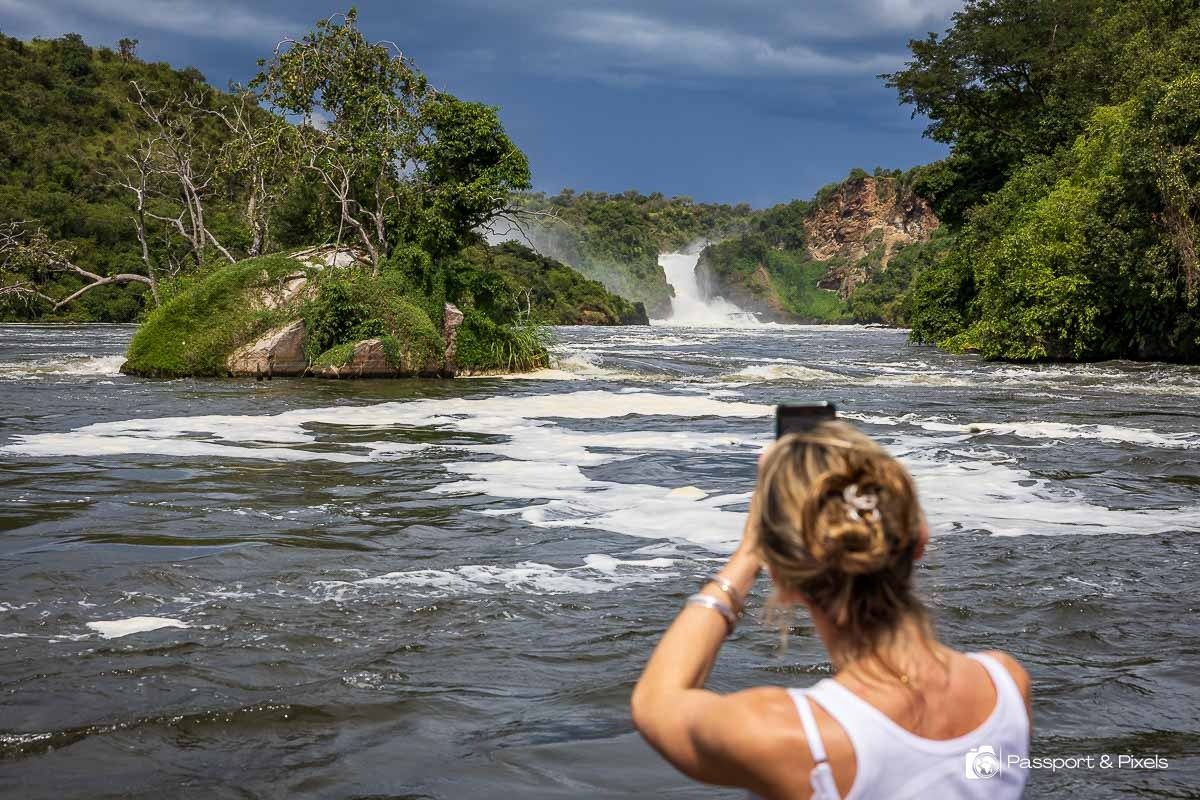
Murchison Falls National Park provides another spectacular addition, offering powerful waterfalls, game drives, and boat cruises where visitors can see crocodiles, elephants, giraffes, and many bird species.
Rwanda also offers excellent safari combinations.
Travellers can combine gorilla trekking in Volcanoes National Park with golden monkey trekking, cultural experiences, and visits to Lake Kivu. Nyungwe Forest National Park provides chimpanzee trekking and canopy walks, while Akagera National Park offers traditional safari experiences with lions, elephants, giraffes, rhinos, and other wildlife.
Rwanda is ideal for travellers who want a shorter but highly rewarding combination of experiences.
Uganda is ideal for travellers who want a longer, more diverse wildlife journey.
Accommodation Differences Between Rwanda and Uganda
Accommodation plays an important role in shaping the overall gorilla safari experience.
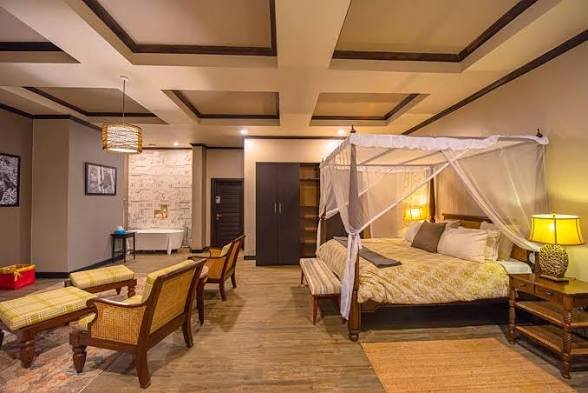
Rwanda’s accommodation around Volcanoes National Park is strongly focused on premium hospitality. Many lodges provide luxury services designed for travellers seeking comfort after trekking.
Guests can expect beautiful surroundings, excellent meals, attentive service, and easy access to the park headquarters.
Uganda offers a wider range of accommodation styles. Travellers can choose from comfortable budget lodges, charming mid-range properties, and luxury forest retreats.
The greatest difference is the atmosphere.
Rwanda lodges often create a feeling of elegant mountain luxury.
Uganda lodges create a feeling of being surrounded by untouched rainforest.
Neither approach is better; they simply appeal to different types of travellers.
Best Time to Choose Rwanda Gorilla Trekking or Uganda Gorilla Habituation
Both Rwanda and Uganda can be visited throughout the year because mountain gorillas live in tropical forests where conditions remain relatively stable.
However, many travellers prefer the drier seasons because trekking conditions are generally easier.
The months around June to September and December to February are often considered favourable periods because trails are usually less muddy and hiking conditions are more comfortable.
The rainy seasons can also offer advantages. Forest landscapes become incredibly green, fewer tourists may be present, and photographers often appreciate the dramatic atmosphere created by mist and rain.
The best time depends on personal preferences, availability, and the overall safari itinerary.
Which One Should You Choose: Rwanda Gorilla Trekking or Uganda Gorilla Habituation?
After understanding the differences between these two incredible experiences, the question remains: between Rwanda Gorilla Trekking vs Uganda Gorilla Habituation, which one is the best choice?
The answer depends entirely on what you want from your African gorilla adventure. Both experiences are exceptional, but they create different emotions, different memories, and different styles of travel.
Rwanda Gorilla Trekking is the ideal choice for travellers who want a smooth, comfortable, and premium wildlife experience. Rwanda provides excellent accessibility, world-class hospitality, and a highly organised trekking system that makes the entire journey enjoyable from beginning to end.
For travellers visiting East Africa for a short holiday, Rwanda offers one of the most convenient ways to experience mountain gorillas. The short transfer from Kigali means visitors can spend less time travelling and more time enjoying the destination.
A traveller can arrive in Rwanda, explore Kigali, travel to Volcanoes National Park, trek gorillas the following day, and continue with other experiences such as golden monkey trekking, Lake Kivu relaxation, Nyungwe Forest exploration, or Akagera wildlife safaris.
This efficiency makes Rwanda particularly attractive for honeymooners, luxury travellers, business travellers extending their stay, and visitors who prefer comfort without sacrificing adventure.
Uganda Gorilla Habituation is the better choice for travellers who want a deeper connection with nature and a more immersive conservation experience.
The additional time spent with the gorillas changes the entire feeling of the encounter. Instead of a short visit, travellers become observers of gorilla life. They witness social interactions, feeding behaviour, movement through the forest, and the relationship between conservation teams and these incredible animals.
Uganda appeals strongly to photographers, wildlife enthusiasts, researchers, adventure travellers, and anyone who wants to experience gorillas beyond a traditional safari encounter.
The rainforest environment of Bwindi adds another layer of adventure. The journey feels more remote, more natural, and more connected to the wilderness.
The best choice is therefore not about Rwanda being better than Uganda or Uganda being better than Rwanda. The two destinations simply provide different versions of the same dream.
Rwanda offers a refined mountain gorilla experience.
Uganda offers an immersive rainforest conservation experience.
Both lead to the same unforgettable moment: standing quietly in the forest while looking into the eyes of one of our closest relatives.
Why Many Travellers Choose Rwanda Gorilla Trekking
Many visitors choose Rwanda because it delivers a complete premium experience. From the moment travellers arrive at Kigali International Airport, the journey feels organised and comfortable.
Rwanda’s excellent infrastructure makes transportation easier compared with many remote wildlife destinations. Roads are generally good, distances are shorter, and the tourism system is designed around providing visitors with a smooth experience.
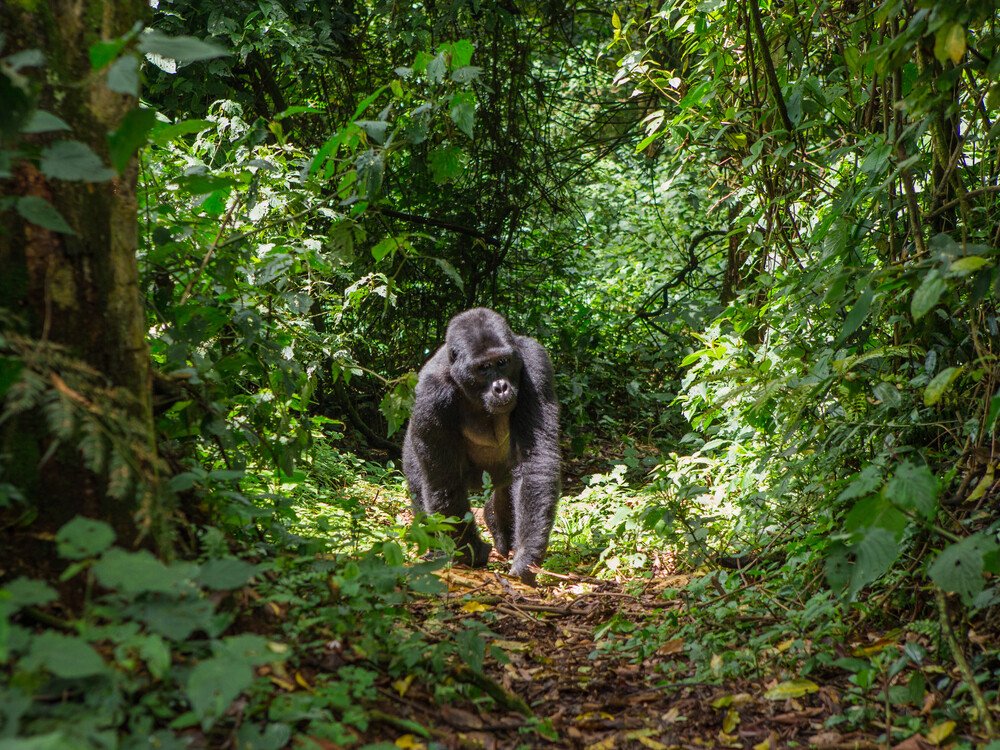
The country’s reputation for cleanliness, safety, hospitality, and organisation has made it one of Africa’s most attractive destinations.
For travellers who may be visiting Africa for the first time, Rwanda often provides confidence because the entire experience feels accessible and well managed.
The emotional impact of Rwanda Gorilla Trekking should not be underestimated. Although the time with gorillas is limited to approximately one hour, that hour can be life-changing.
The silence of the forest, the presence of a massive silverback, the playful movements of young gorillas, and the deep connection between humans and wildlife create memories that remain forever.
Many travellers describe the experience as humbling because it reminds them how closely connected humans are to the natural world.
Why Many Travellers Choose Uganda Gorilla Habituation
Uganda Gorilla Habituation attracts travellers who want something beyond the traditional wildlife encounter.
The experience is unique because it provides a rare opportunity to witness conservation in action. Visitors are not simply tourists observing gorillas; they become temporary participants in a carefully managed research and conservation process.
The longer time spent with the gorillas allows travellers to appreciate their personalities and social structures.
A gorilla family is not simply a group of animals. It is a complex society with relationships, communication, protection, and individual behaviours.
During habituation, visitors may notice how the silverback guides the family, how mothers care for infants, how young gorillas develop skills through play, and how each individual has a unique personality.
This deeper understanding creates a stronger emotional connection.
Uganda also appeals to travellers who enjoy adventure. Reaching Bwindi often involves travelling through beautiful landscapes, rural communities, and changing environments.
The journey itself becomes part of the experience.
Rwanda Gorilla Trekking vs Uganda Gorilla Habituation for First-Time Gorilla Visitors
For travellers experiencing mountain gorillas for the first time, both Rwanda and Uganda are excellent choices.
However, first-time visitors who prefer convenience may feel more comfortable starting with Rwanda.
The easier access, shorter transfers, and organised trekking system allow travellers to focus completely on the experience rather than worrying about logistics.
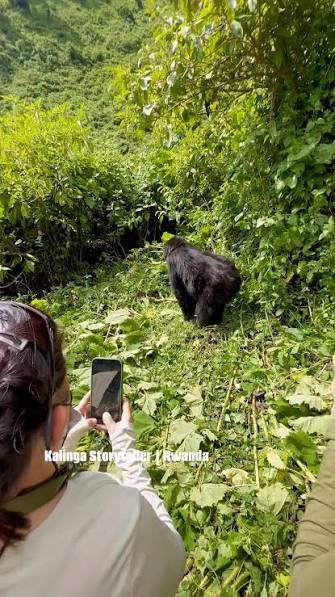
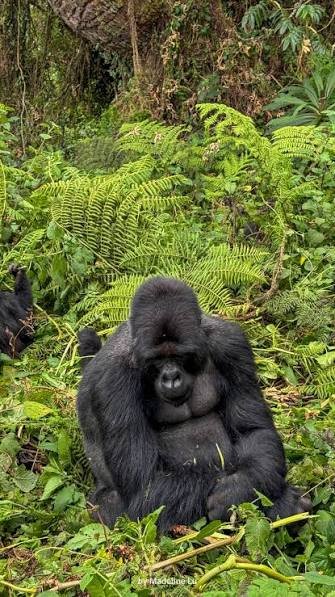

Uganda is equally rewarding but may appeal more to travellers who enjoy exploration and adventure. The rainforest environment, longer trekking possibilities, and deeper conservation involvement create a more expedition-style journey.
A first-time visitor should consider their personality and travel expectations.
Someone who enjoys comfort, luxury, and efficient travel may prefer Rwanda.
Someone who enjoys wilderness, discovery, and longer wildlife experiences may prefer Uganda.
Rwanda Gorilla Trekking vs Uganda Gorilla Habituation for Wildlife Photographers
Photography is one of the strongest reasons travellers choose gorilla experiences.
Both Rwanda and Uganda offer incredible opportunities, but they provide different photographic advantages.
Rwanda offers dramatic scenery. The volcanic mountains, bamboo forests, and misty landscapes create beautiful backgrounds for photography.
The trekking experience is structured, allowing photographers to prepare for the encounter and make the most of their limited time with the gorillas.
Uganda provides more time. The four-hour habituation experience allows photographers to capture a complete story rather than isolated moments.
A photographer can observe behaviour, wait for better lighting, and capture different interactions within the family.
For professional wildlife photographers, Uganda’s Gorilla Habituation Experience is often preferred because time is one of the most valuable resources in wildlife photography.
For travellers who want beautiful personal memories and holiday photographs, Rwanda provides an equally incredible experience.
Rwanda Gorilla Trekking vs Uganda Gorilla Habituation: A Conservation Choice
Choosing between Rwanda and Uganda is also a decision to support gorilla conservation.
Mountain gorillas survive today because of dedicated conservation efforts involving governments, researchers, local communities, and responsible tourism operators.
Every gorilla permit purchased contributes to protecting these animals and their habitats.
Tourism provides funding for ranger teams who patrol forests, veterinary programmes that monitor gorilla health, scientific research, and community projects that improve the relationship between conservation and local people.
Without responsible tourism, protecting mountain gorillas would be significantly more difficult.
Both Rwanda Gorilla Trekking and Uganda Gorilla Habituation represent examples of how carefully managed tourism can create positive conservation outcomes.
Travellers are not only enjoying a once-in-a-lifetime experience; they are directly contributing to the survival of one of the world’s most remarkable species.
Final Verdict: Rwanda Gorilla Trekking vs Uganda Gorilla Habituation
The comparison between Rwanda Gorilla Trekking vs Uganda Gorilla Habituation does not produce a simple winner because each experience offers something extraordinary.
Rwanda is the perfect choice for travellers seeking accessibility, luxury, comfort, and a beautifully organised gorilla adventure. The experience combines the magic of mountain gorillas with excellent hospitality and easy travel arrangements.
Uganda is the perfect choice for travellers seeking immersion, adventure, conservation learning, and more time with gorillas. The Gorilla Habituation Experience provides a deeper understanding of these incredible animals and the efforts required to protect them.
If your dream is to experience mountain gorillas in the most comfortable and convenient way, Rwanda will exceed your expectations.
If your dream is to spend more time in the forest, follow gorillas through the wilderness, and experience conservation from a closer perspective, Uganda will provide an unforgettable adventure.
The most important thing is that both experiences allow travellers to connect with nature in one of the most meaningful ways possible.
Standing beside a mountain gorilla is not just a wildlife moment. It is a reminder of the importance of protecting our planet’s most incredible creatures.
Whether you choose Rwanda Gorilla Trekking or Uganda Gorilla Habituation, you are choosing an experience that will remain one of the greatest memories of your life.
Frequently Asked Questions About Rwanda Gorilla Trekking vs Uganda Gorilla Habituation
Is Rwanda Gorilla Trekking better than Uganda Gorilla Habituation?
Rwanda Gorilla Trekking and Uganda Gorilla Habituation offer different experiences, so one is not simply better than the other. Rwanda is ideal for travellers who value convenience, luxury, and accessibility, while Uganda is better suited for travellers who want a longer, more immersive conservation experience with gorillas.
How long do you spend with gorillas in Rwanda?
During Rwanda Gorilla Trekking, visitors are usually allowed to spend approximately one hour with a habituated gorilla family. This time is carefully managed to protect the gorillas while allowing travellers to observe their natural behaviour.
How long do you spend with gorillas during Uganda Gorilla Habituation?
The Uganda Gorilla Habituation Experience allows visitors to spend up to four hours with a gorilla family that is undergoing habituation. This provides more time to observe behaviour, photography opportunities, and conservation activities.
Which is cheaper between Rwanda Gorilla Trekking and Uganda Gorilla Habituation?
The total cost depends on accommodation, transportation, and safari length. Rwanda Gorilla Trekking has a premium positioning, while Uganda Gorilla Habituation offers longer gorilla viewing time for a similar permit investment.
Which destination is better for luxury gorilla safaris?
Rwanda is widely recognised for luxury gorilla safaris because of its premium lodges, excellent infrastructure, and easy access from Kigali. Uganda also offers luxury options but with a stronger wilderness atmosphere.
Which experience is better for photography?
Uganda Gorilla Habituation is often preferred by professional photographers because of the longer time spent with gorillas. Rwanda also offers excellent photography opportunities, especially because of its dramatic volcanic landscapes.
Is Uganda Gorilla Habituation harder than Rwanda Gorilla Trekking?
Uganda Gorilla Habituation can be more physically demanding because Bwindi’s rainforest terrain is steep and dense. Rwanda can also involve challenging hikes, but accessibility and organisation often make it easier for many travellers.
Can I combine Rwanda or Uganda gorilla experiences with a safari?
Yes. Rwanda can be combined with Nyungwe Forest, Akagera National Park, Lake Kivu, and golden monkey trekking. Uganda can be combined with Kibale chimpanzee trekking, Queen Elizabeth National Park, Murchison Falls, and other wildlife experiences.
Which destination is better for honeymooners?
Rwanda is often preferred by honeymooners because of its luxury lodges, romantic atmosphere, and easy travel connections. Uganda is ideal for adventurous couples seeking a deeper rainforest experience.
Which one should I choose for my first gorilla experience?
Both Rwanda Gorilla Trekking and Uganda Gorilla Habituation are excellent first experiences. Choose Rwanda for comfort and convenience, or Uganda for adventure and extended gorilla observation.
How do I choose between Rwanda Gorilla Trekking and Uganda Gorilla Habituation?
Consider your priorities. If you want luxury, accessibility, and a classic gorilla encounter, choose Rwanda. If you want more time with gorillas, rainforest adventure, and a conservation-focused journey, choose Uganda.