How Do You Know Which Mountain Gorilla Family You Are Trekking? The Ultimate Rwanda Gorilla Group Allocation Guide
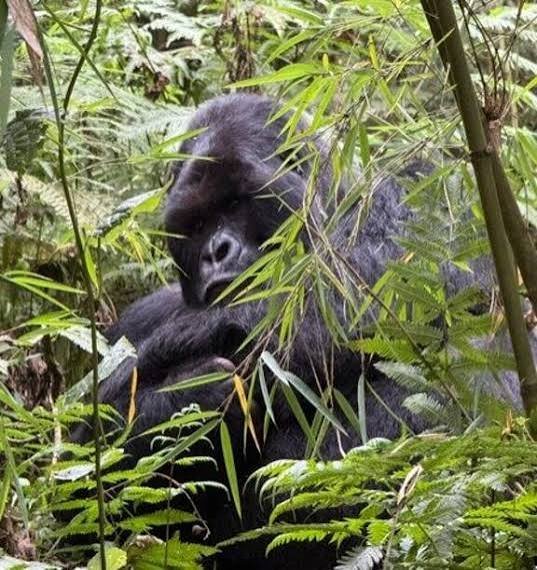

Imagine arriving at the headquarters of Volcanoes National Park in Rwanda, surrounded by the magnificent volcanic peaks of the Virunga Mountains. You have spent months planning your mountain gorilla trekking adventure, secured your permit, and traveled to the beautiful highlands of northern Rwanda. As other visitors gather for the morning briefing, an exciting question comes to mind: How Do You Know Which Mountain Gorilla Family You Are Trekking?
The answer is that you normally discover your assigned mountain gorilla family during the morning briefing at Volcanoes National Park headquarters in Kinigi, where park officials allocate visitors to different habituated gorilla groups. This assignment considers your physical fitness, the gorillas’ current locations, operational conditions, and the organization of the day’s trekking groups.
Unlike choosing a hotel room or reserving a particular seat on an aircraft, mountain gorilla trekking does not normally allow visitors to guarantee a specific family before their trekking day. Gorillas live freely within protected mountain forests, meaning their locations change as they travel, feed, rest, and interact with one another.
According to Rwanda’s official tourism website, visitors gather at Kinigi at approximately 7:00 a.m. and are allocated a gorilla family on the day of their trek, taking fitness levels into account. Park personnel also explain the rules, expected trekking conditions, and conservation precautions.
Your assigned family might include several adult females, playful juveniles, young infants, and one or more silverbacks. Some families are known for their conservation history, while others are associated with particular volcanic slopes or established territories. However, family size, composition, and location change naturally over time.
Understanding the allocation process helps you prepare for your safari, particularly if you have mobility concerns, are interested in photographing certain gorilla behaviors, or want to know whether requesting an easier trek is possible.
This comprehensive guide explains how gorilla families are allocated in Rwanda, when you learn your group’s name, whether you can choose a specific family, how trackers identify gorilla groups, and what factors determine the difficulty of your trek. You will also discover the best-known mountain gorilla families in Volcanoes National Park, how to prepare for your assigned group, and how to book your safari with Nextgen Safaris.
How Do You Know Which Mountain Gorilla Family You Are Trekking?


You normally learn which mountain gorilla family you are trekking during the morning briefing at Volcanoes National Park headquarters in Kinigi. This is where the park’s guiding team organizes the day’s visitors into smaller groups and assigns each group to a habituated gorilla family.
Before that morning, your safari operator can usually confirm your gorilla trekking date, permit arrangements, accommodation, transportation, and general itinerary. However, confirmation of your permit does not automatically establish which individual gorilla family you will visit.
This distinction is important because the animals’ movements cannot be predicted precisely. A family that was feeding near an accessible trail one day may have moved farther into the forest the following morning.
During the briefing, park personnel consider the available gorilla families, their approximate locations, visitors’ fitness levels, and other operational factors. They then organize trekking groups and provide information about the specific family each group is assigned to visit.
Once your family has been allocated, your guide may explain its name, background, known silverbacks, and general social characteristics. You can also ask questions about the expected terrain and what to anticipate during the encounter.
Rwanda’s official tourism guidance confirms that the briefing introduces visitors to their assigned group before they travel to the park boundary and begin the forest trek.
Therefore, if you are wondering how to know which family you will trek, the most reliable answer is to attend the official briefing rather than relying on guesses made several days before your safari.
1. Gorilla Family Allocation Happens at the Morning Briefing in Kinigi


The morning briefing is one of the most important parts of your Rwanda gorilla trekking experience. Visitors gather at the park headquarters near Kinigi, a short drive from many accommodation properties in the Musanze and Volcanoes National Park region.
The gathering normally begins around 7:00 a.m., so travelers are encouraged to stay nearby and arrive according to their confirmed park instructions.
During the briefing, park officials organize visitors and explain the conservation regulations governing mountain gorilla encounters. These include maintaining the required viewing distance, avoiding physical contact, keeping noise levels low, and following the directions of authorized park guides.
The allocation process is also when visitors are matched with the gorilla family they will attempt to locate.
If you have concerns about physical fitness, knee problems, walking speed, or difficulty managing steep terrain, this is the appropriate time to communicate those limitations to the allocation team. You should also advise your safari operator beforehand so that your requirements can be raised in advance.
Once assignments are announced, the guiding team may provide details about the family and the approximate trekking conditions expected that morning.
Your group then departs toward the appropriate trailhead, where the forest adventure begins.
2. Can You Choose Which Mountain Gorilla Family to Trek in Rwanda?
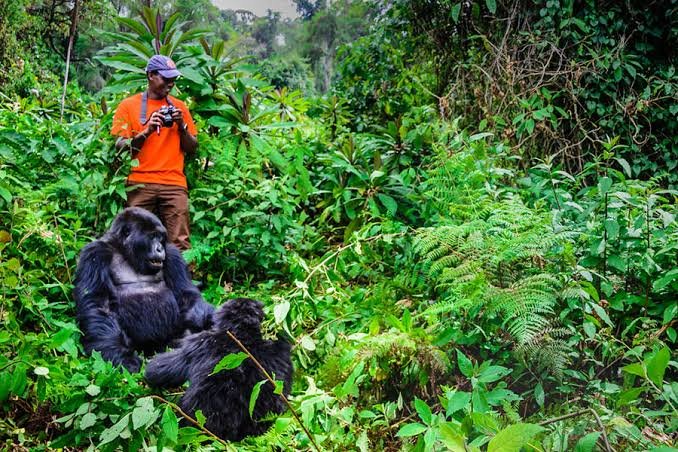
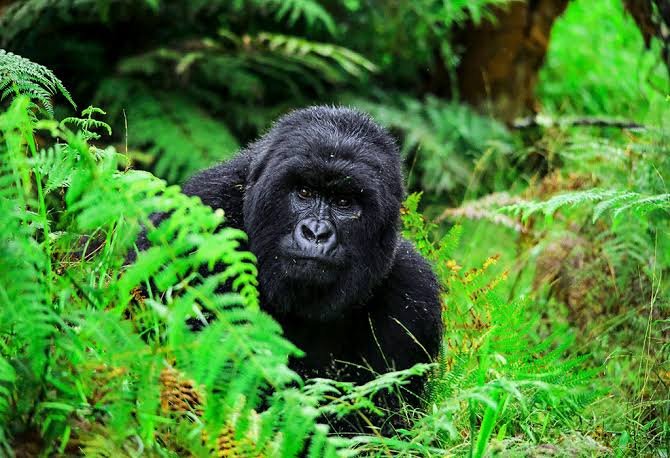
You can express a preference for a particular mountain gorilla family, but you should not assume that your preferred family can be guaranteed or reserved in advance.
Some visitors have read about famous families such as Susa, Sabyinyo, Amahoro, or Kwitonda and are particularly interested in encountering one of them. Others may wish to visit a family known historically for a large number of individuals or a particular conservation story.
However, park authorities manage the allocation process according to current conditions and conservation requirements.
The family you want may be located farther into the forest than your physical fitness allows, may not be available for tourist visits that day, or may already have a complete allocation of visitors.
Your safari operator can communicate your interests and preferences, but the final decision remains with the park authorities.
Travelers should therefore approach gorilla trekking with flexibility. Every authorized habituated family provides an opportunity to observe wild mountain gorillas, and the experience can be extraordinary regardless of the group’s name.
For photography enthusiasts, couples, families, and first-time visitors, it is often more useful to communicate your desired trekking difficulty and practical needs than to insist on a particular gorilla family.
3. How Does Your Fitness Level Affect Gorilla Family Allocation?
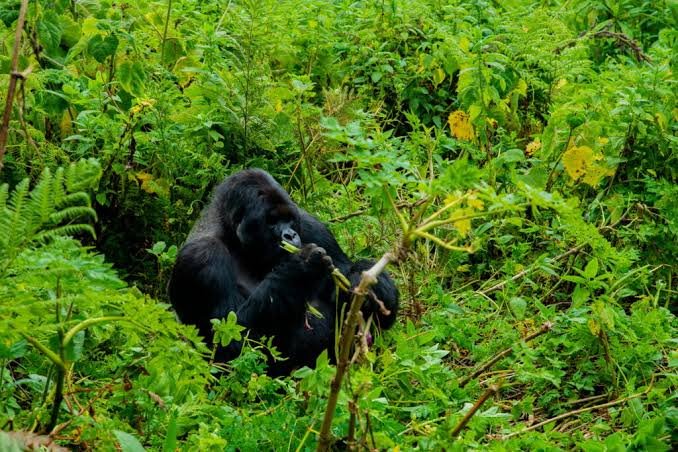
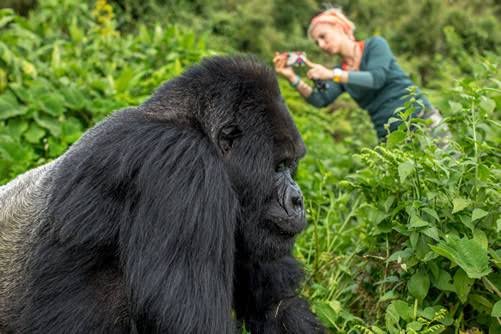
Physical fitness is an important consideration when Rwanda’s park personnel assign visitors to mountain gorilla families.
Volcanoes National Park contains steep volcanic slopes, bamboo forests, montane vegetation, and uneven trails. Some gorilla groups may be relatively accessible on a particular day, while others require longer hikes through challenging terrain.
A visitor who regularly hikes mountainous trails may be comfortable with a demanding route, while someone with limited mobility may benefit from a shorter or less strenuous assignment.
Park officials try to take such circumstances into account, although no gorilla family can be guaranteed to remain close to a particular trailhead.
It is essential to describe your fitness level accurately. Overestimating your ability may result in a difficult experience, while clear communication helps the guiding team understand your limitations.
For example, if you can walk comfortably for several hours but struggle with steep descents, explain this distinction rather than simply describing yourself as fit or unfit.
Travelers should also understand that mountain gorilla trekking takes place at altitude, where physical exertion can feel more demanding than walking at lower elevations.
A carefully matched trekking group can improve your comfort and allow you to concentrate on the extraordinary opportunity to observe the animals.
4. How Do Rangers Know Where Each Gorilla Family Is Located?
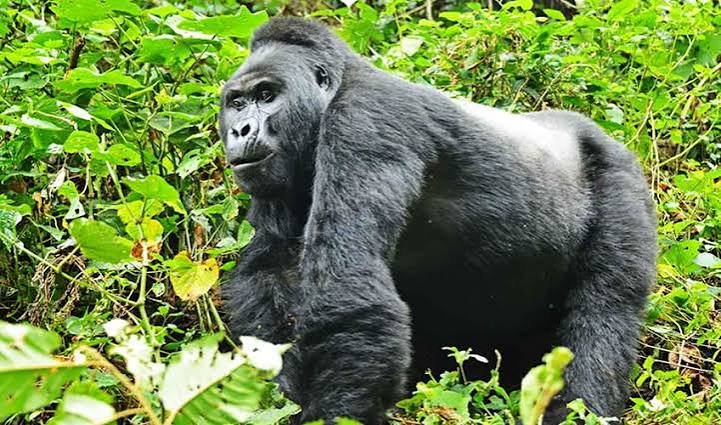
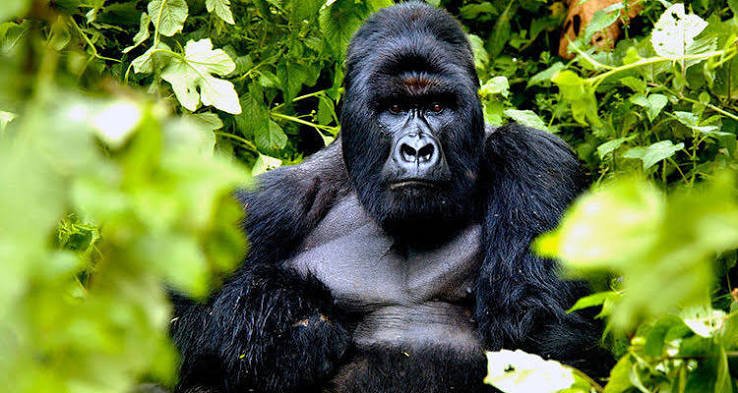
Mountain gorilla families are monitored by experienced park rangers and trackers who understand their habitats, movements, and social structures.
Tracking teams gather information about the animals’ locations and activities to help organize safe, responsible tourism encounters.
Their observations may include previous resting locations, feeding areas, trails through vegetation, signs of movement, and direct sightings.
Mountain gorillas do not remain permanently in one position. A family may spend part of one day feeding on a particular slope and move to another section of forest before the next morning.
This means that information about a family being an easy or difficult trek is only a general indication based on previous patterns.
Rwanda’s official tourism website explains that gorilla families are constantly monitored and protected by park rangers, while their composition remains fluid and their movements generally occur within preferred areas.
These tracking arrangements allow park officials to make informed decisions about which groups visitors can attempt to reach.
However, even experienced trackers cannot guarantee the precise walking time or position of a wild family throughout the day.
5. How Many Mountain Gorilla Families Are Available for Trekking in Rwanda?
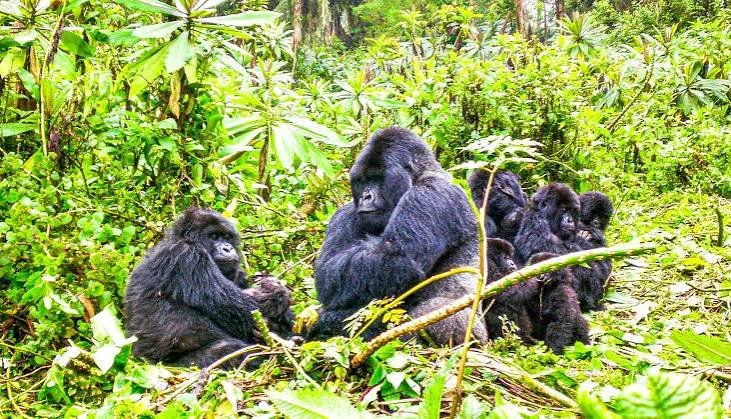
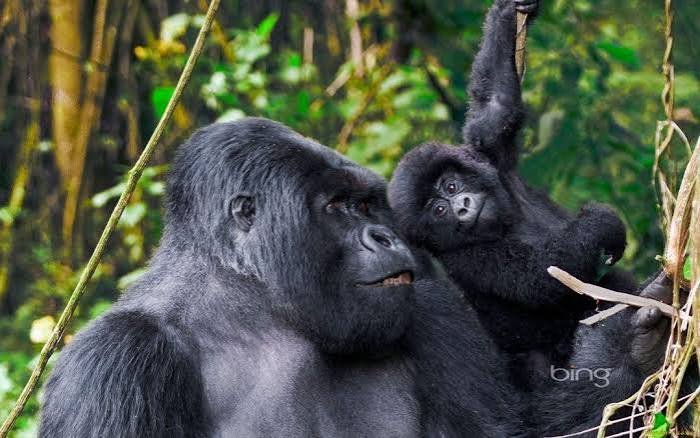
Volcanoes National Park supports several habituated gorilla families, with groups designated for tourism and others monitored primarily for research or conservation purposes.
Rwanda’s official Visit Rwanda gorilla-tracking page describes twelve families fully habituated for tourism and identifies Susa, Igisha, Karisimbi, Sabyinyo, Amahoro, Agashya, Kwitonda, Umubano, Hirwa, Bwenge, Ugyenda, and Muhoza.
However, gorilla family arrangements are not permanently fixed. Groups can split, new families may form, individual gorillas may transfer between groups, and tourism arrangements may be updated.
For this reason, the published list is a useful guide rather than a guarantee of which families will be available on your chosen date.
A standard gorilla trekking group can include a maximum of eight visitors assigned to one habituated family. The observation period is limited to one hour once the family is located.
These restrictions help reduce disturbance while allowing travelers to enjoy an intimate encounter with wild mountain gorillas.
6. The Most Recognized Mountain Gorilla Families in Rwanda
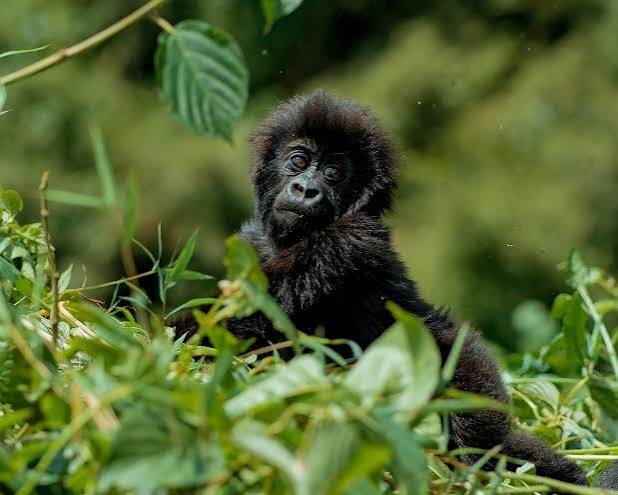
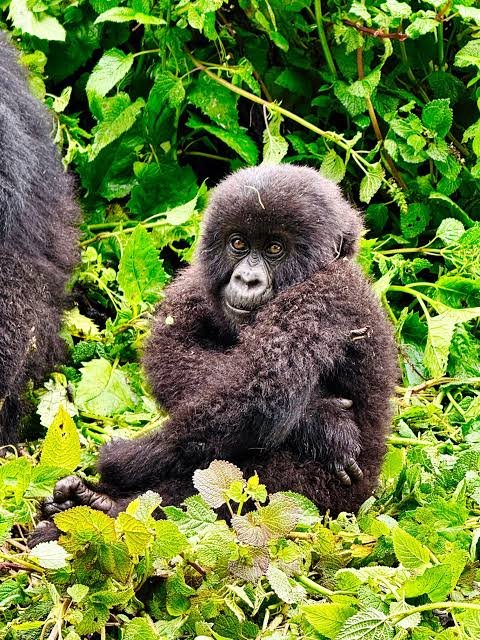
Several mountain gorilla families in Volcanoes National Park are particularly well known because of their conservation history, former dominant silverbacks, or traditional ranging areas.
The following descriptions provide historical context rather than an up-to-date guarantee of family membership, individual leaders, or trekking difficulty.
Susa Gorilla Family
The Susa family is one of the most historically significant groups associated with mountain gorilla research in the Virunga Mountains. It is connected to the early field studies of Dian Fossey and has experienced changes in its composition over the years, including the formation of separate families.
Susa has traditionally ranged on the slopes of Mount Karisimbi, where the mountainous terrain can make trekking physically demanding. Visitors interested in this family often appreciate its conservation history and the opportunity to explore dramatic forest landscapes.
However, the location and accessibility of the family can change. You should not assume that requesting Susa always means undertaking a particularly difficult hike, or that the family will be available on your preferred day.
Sabyinyo Gorilla Family
The Sabyinyo family is among the best-known mountain gorilla groups in Volcanoes National Park. It has historically occupied areas associated with Mount Sabyinyo and surrounding volcanic vegetation.
Sabyinyo has often been discussed as a potentially more accessible trekking option, making it of interest to travelers who prefer a less demanding forest walk.
Nevertheless, gorillas move freely, and the family’s position on your trekking day determines the actual difficulty.
Visitors may encounter adults feeding, juveniles playing, or family members resting together, but specific sightings and behaviors cannot be promised.
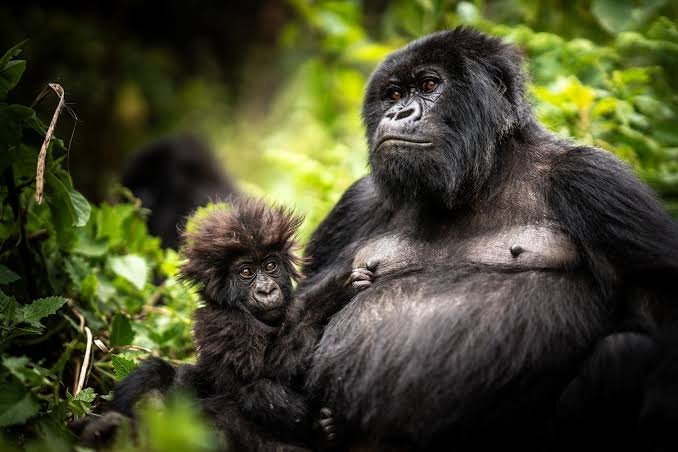
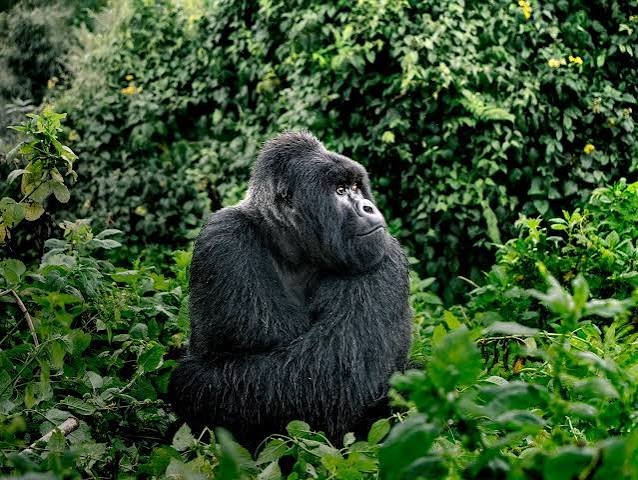
Amahoro Gorilla Family
The name Amahoro means peace in Kinyarwanda, giving this family a particularly memorable identity.
The group has a long conservation history and has been associated with the slopes of Mount Bisoke. Its social development has also included changes involving individuals leaving to form other gorilla families.
Travelers are often interested in Amahoro because of its name, history, and the opportunity to observe family relationships in a beautiful natural environment.
However, describing a family as peaceful does not mean it is safer to approach or that its members will always behave calmly. All mountain gorillas remain wild animals and must be observed according to the same conservation regulations.
Kwitonda Gorilla Family
The Kwitonda family is another well-known group associated with the Virunga mountain landscape. It has a history of movements and changes in family composition, reflecting the dynamic social lives of mountain gorillas.
The group has historically occupied areas around the eastern volcanic slopes, although exact locations vary.
Kwitonda is of interest to visitors who enjoy learning about gorilla family structures, dominant silverbacks, and the formation of separate groups over time.
The availability and physical difficulty of visiting this family depend on current tracking information and park allocation decisions.
Agashya Gorilla Family
Agashya, historically associated with Group 13, is recognized as one of Rwanda’s established habituated gorilla families.
Its history illustrates how the identities of mountain gorilla groups can develop around influential individuals and changing family relationships.
The group has traditionally been associated with areas around the Sabyinyo and Bisoke landscape, although its location is not fixed.
A visit may involve observing a mixture of adult and younger gorillas, depending on the family’s composition at the time.
Umubano Gorilla Family
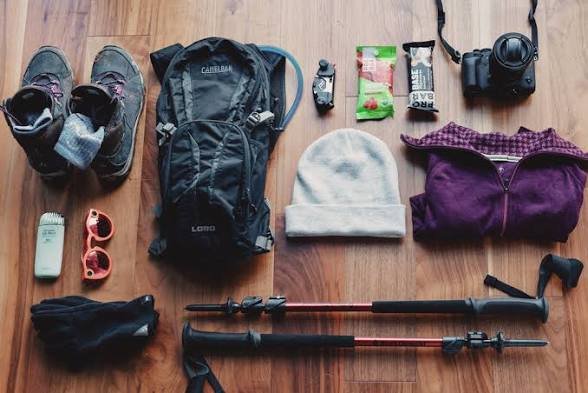

The Umubano family emerged from changes within an earlier gorilla social group, demonstrating how family structures evolve when males establish new groups or individuals transfer between families.
Umubano is often associated with the Bisoke region and has become part of the well-known network of habituated families in Volcanoes National Park.
Travelers interested in the social lives of mountain gorillas may find this family history particularly fascinating.
However, the most important part of any encounter remains the animals’ present behavior rather than historical descriptions of the group.
Frequently Asked Questions About Which Mountain Gorilla Family You Will Trek
1. How Do You Know Which Mountain Gorilla Family You Are Trekking?
You normally learn your assigned gorilla family during the morning briefing at Kinigi, where Volcanoes National Park officials organize trekking groups.
2. Can You Choose Your Gorilla Family in Rwanda?
You can express a preference, but the final allocation is made by the park authorities and cannot ordinarily be guaranteed in advance.
3. What Determines Your Gorilla Family Allocation?
Your physical fitness, the gorillas’ current locations, available spaces, and operational circumstances help determine the assignment.
4. How Many Gorilla Families Can Tourists Visit in Rwanda?
Rwanda’s official tourism guidance describes twelve fully habituated tourism families, although group arrangements may change.
5. How Do You Book a Rwanda Gorilla Trekking Safari?
You can arrange your safari through Nextgen Safaris, coordinating permits, accommodation, private transport, and your preferred trekking dates.
Book Your Rwanda Gorilla Trekking Safari With Nextgen Safaris
Imagine arriving at Volcanoes National Park headquarters, learning the name of your assigned gorilla family, and setting out through the magnificent Virunga Mountains with experienced guides. As you approach the animals, you may discover a powerful silverback feeding peacefully, mothers caring for their infants, and playful juveniles exploring the forest.
Nextgen Safaris organizes personalized Rwanda gorilla trekking holidays designed around your preferred travel dates, accommodation standard, fitness considerations, and additional wildlife interests.
Whether you prefer a short three-day Rwanda gorilla safari, a luxurious retreat near Volcanoes National Park, or an extended journey combining Rwanda and Uganda, your experience can be carefully organized to balance comfort, adventure, and responsible wildlife tourism.
Understanding How Do You Know Which Mountain Gorilla Family You Are Trekking? helps remove uncertainty from one of Rwanda’s most extraordinary wildlife experiences.
Your mountain gorilla family is normally allocated during the early morning briefing at Volcanoes National Park headquarters in Kinigi. The allocation considers fitness levels, the gorillas’ current locations, operational requirements, and available trekking spaces.
Families such as Susa, Sabyinyo, Amahoro, Kwitonda, Agashya, and Umubano all have fascinating histories, but their individual members and locations change naturally over time.
The most important preparation is to understand the allocation process, communicate any physical limitations, and arrive with a flexible attitude.
Whether your assigned family includes several silverbacks, young infants, or a smaller number of individuals, the experience offers an extraordinary opportunity to observe endangered mountain gorillas living freely in the magnificent Virunga rainforest.
You may not know exactly which mountain gorilla family you will visit until trekking morning, but every authorized encounter offers the chance to experience one of Africa’s most unforgettable wildlife adventures.