How Long Do You Stay With Mountain Gorillas in Rwanda? The Ultimate Guide to Your Unforgettable One-Hour Encounter
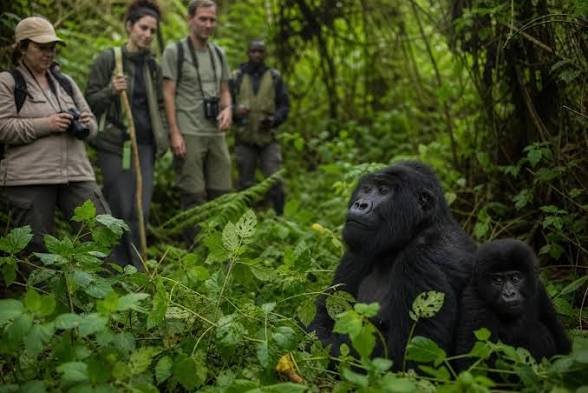
Imagine standing in the mist-covered rainforest of Rwanda’s Virunga Mountains, watching an enormous silverback mountain gorilla quietly feeding among the bamboo. Nearby, a mother carefully holds her infant while playful young gorillas tumble through the vegetation. After spending hours anticipating this extraordinary moment, you finally find yourself observing one of the world’s most remarkable primates in its natural habitat. Naturally, one of the most important questions you may ask before booking is: How Long Do You Stay With Mountain Gorillas in Rwanda?
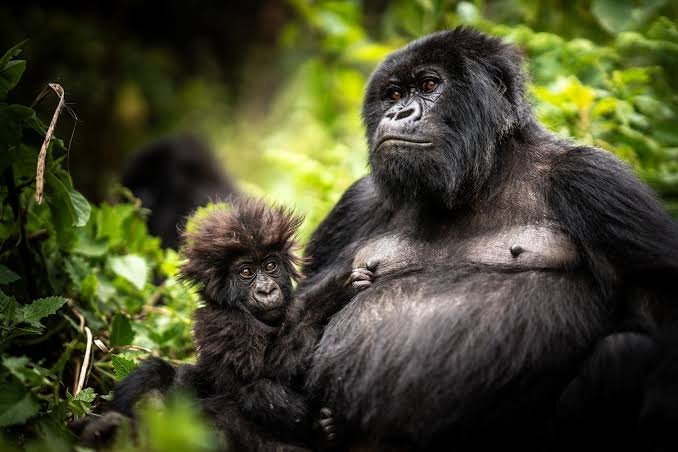
The answer is straightforward: you are allowed to spend a maximum of one hour, or 60 minutes, with a habituated mountain gorilla family during a standard gorilla trekking experience in Rwanda. This carefully regulated viewing period begins when your group reaches the gorillas and the park guide starts the authorized encounter. Although the time spent observing the animals is limited to one hour, the entire trekking adventure can last several hours because you must first walk through the mountain forest to locate the family and then return to the trailhead.
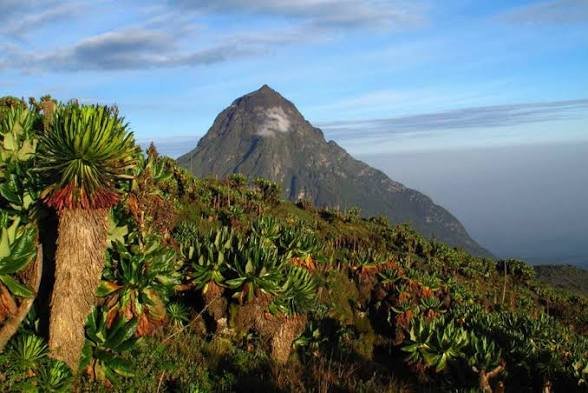
Rwanda’s gorilla trekking experiences take place in Volcanoes National Park, a spectacular protected landscape in the northern part of the country. The park forms part of the greater Virunga conservation landscape, where mountain gorillas live among high-altitude rainforests, bamboo forests, and dramatic volcanic slopes. Each trekking group is accompanied by experienced park guides, and the viewing period is carefully managed to minimize disturbance to the animals. The Rwanda Development Board confirms that the encounter is restricted to one hour and that no more than eight visitors may participate in a single gorilla trekking group.
Although 60 minutes may initially sound brief, observing mountain gorillas is an experience in which even a few moments can feel extraordinary. Watching the gentle interactions between family members, listening to the soft sounds of feeding, or observing the remarkable physical presence of a silverback creates memories that can last a lifetime. Your encounter is not a staged wildlife performance. The gorillas continue their ordinary routines, and you are privileged to witness a small part of their lives.
This comprehensive guide explains how much time you actually spend with mountain gorillas in Rwanda, how long the trek takes, why the one-hour regulation exists, what happens during the encounter, how to maximize your viewing experience, and whether it is possible to book more than one gorilla trek. You will also discover practical advice on permits, photography, trekking difficulty, accommodation, and planning an unforgettable Rwanda gorilla safari.
How Long Do You Stay With Mountain Gorillas in Rwanda?


During a standard mountain gorilla trekking experience in Rwanda, visitors are permitted a maximum of one hour with their assigned habituated gorilla family. This rule applies to tourists visiting Volcanoes National Park, regardless of whether they book a budget, mid-range, luxury, or ultra-luxury safari.
The one-hour viewing limit is established by Rwanda’s conservation authorities to protect mountain gorillas from excessive human disturbance and reduce the risk of transmitting diseases. Mountain gorillas share many biological similarities with humans, making certain human infections particularly concerning for their long-term health. Limiting the duration of close observation helps reduce unnecessary exposure while maintaining a meaningful wildlife tourism experience.
When your trekking group reaches the gorillas, your park guide organizes visitors into an appropriate viewing position and explains any additional instructions. You can then observe the family as individuals feed, groom, rest, play, or move through the surrounding vegetation. Photography without flash is permitted, provided you maintain the required viewing distance and follow the guide’s directions.
The clock does not begin when you arrive at the park headquarters or start hiking. The one-hour encounter refers specifically to the authorized viewing period after locating the gorillas. Therefore, travelers who spend several hours hiking to reach a family still receive the regulated observation period, provided the encounter proceeds normally and the park authorities determine that continued viewing is appropriate.
It is important to understand that the full 60 minutes is a maximum, not an unconditional guarantee. Park guides may end an encounter early if circumstances involving gorilla behavior, visitor safety, or conservation requirements make this necessary.
Why Are You Only Allowed One Hour With Mountain Gorillas in Rwanda?
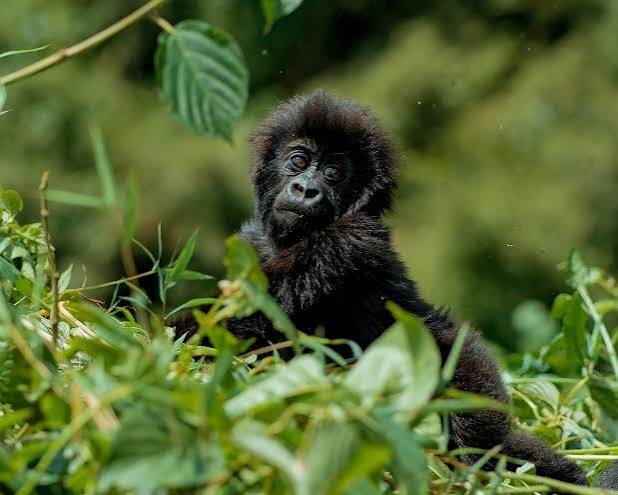
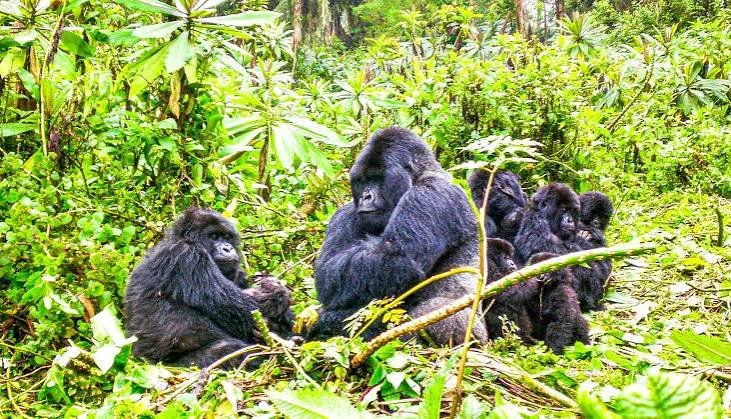
The one-hour limit exists primarily to balance wildlife tourism with the long-term protection of mountain gorillas. Although habituated gorilla families are accustomed to carefully managed human visits, they remain wild animals that need sufficient time to feed, rest, travel, interact, and raise their young without constant observation.
Mountain gorillas are vulnerable to certain infectious illnesses that can pass between humans and other primates. Respiratory infections are particularly concerning because they can affect individuals within a closely connected family group. Restricting the number of visitors and limiting their time near the animals are among the measures used to reduce unnecessary exposure.
Human presence can also influence animal behavior. Even when gorillas appear relaxed, repeated or prolonged visits could interfere with natural activities, especially if tourists move excessively, speak loudly, or attempt to approach the animals. The one-hour restriction helps ensure that tourism remains controlled rather than becoming a continuous source of disturbance.
Rwanda’s official tourism information explains that habituated gorilla groups are monitored and protected by park rangers, with visitor contact limited to a maximum of one hour per day. Each group receives no more than eight trekking visitors, creating a low-volume wildlife experience.
For travelers, this regulation should be viewed as an essential conservation safeguard rather than an inconvenience. Your permit provides access to a rare wildlife experience, but the welfare of the gorillas must remain the priority. Respecting the authorized viewing period allows these magnificent animals to continue their lives with limited human interference.
What Happens During Your One Hour With Mountain Gorillas?


Your one hour with mountain gorillas can involve a remarkable variety of natural behaviors. Because gorillas are not trained or controlled for tourists, every encounter is different, and the activities you witness depend on the family’s routine at the time of your visit.
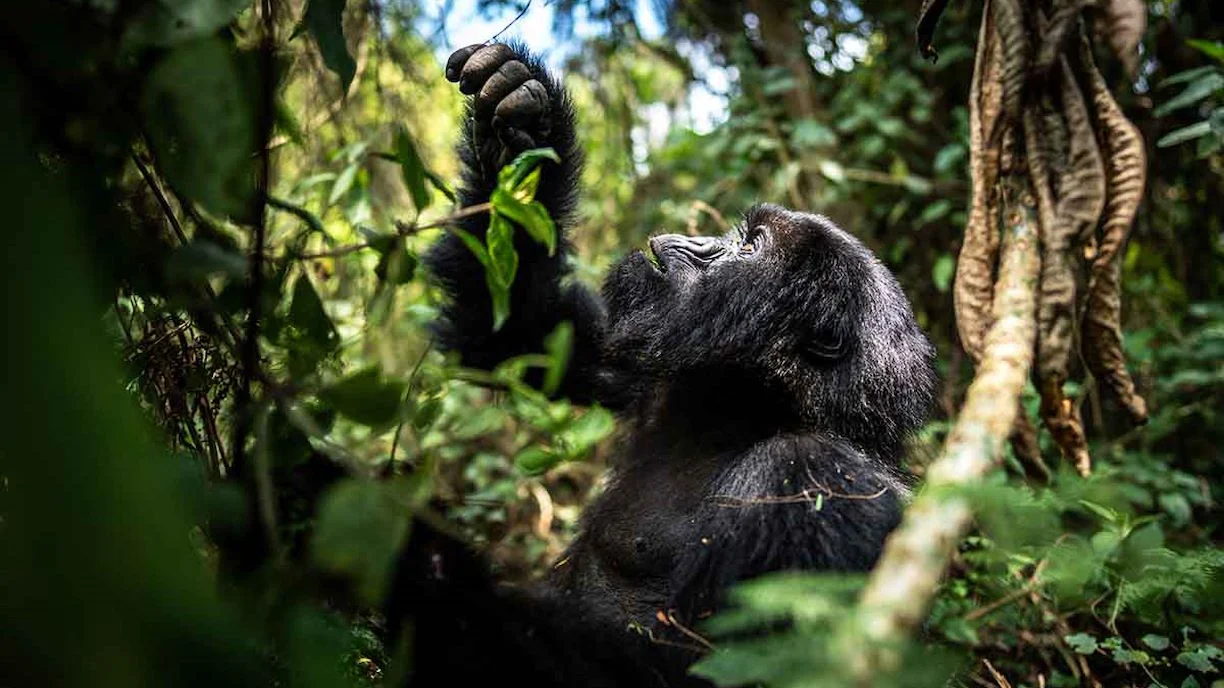
You may first see a silverback feeding among the vegetation, his impressive shoulders and powerful arms visible through the surrounding foliage. Nearby, adult females might be resting with their young, while juveniles climb low branches or chase one another playfully. Some gorillas may spend much of the encounter feeding, while others move through the forest and require visitors to adjust their position under the guide’s direction.
One of the most fascinating aspects of observing mountain gorillas is recognizing their strong family relationships. Mothers carefully attend to infants, young gorillas seek opportunities to play, and dominant males remain attentive to activity around the group. These interactions provide a glimpse into the social complexity of a species that shares a close evolutionary relationship with humans.
Visitors often find the encounter unexpectedly peaceful. Despite their enormous physical strength, habituated mountain gorillas generally continue their routines without displaying aggression toward respectful observers. Nevertheless, they remain wild animals, and everyone must follow the guide’s instructions.
Photography is allowed without flash, but spending the entire hour looking through a camera can mean missing subtle expressions and interactions. Many travelers find that alternating between taking photographs and simply observing creates a more meaningful experience.
What Does It Feel Like to Spend One Hour With Mountain Gorillas?

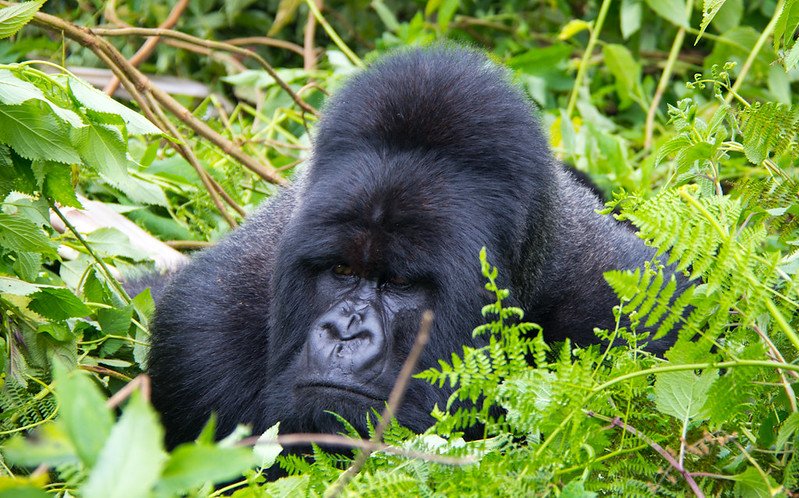
For many travelers, the emotional impact of spending one hour with mountain gorillas is far greater than they initially expect. After the anticipation of the morning briefing and the physical effort of hiking through the forest, the first sight of a gorilla can create an extraordinary sense of excitement and appreciation.
You may find yourself standing quietly as a silverback rests among the bamboo, observing his powerful hands, expressive face, and deliberate movements. The atmosphere can be surprisingly calm, with the sounds of feeding, birdsong, and moving vegetation replacing the usual noises of everyday life.
One of the most memorable aspects of the experience is that the gorillas are not performing for visitors. They are simply living within their natural habitat. A mother may nurse her infant, a juvenile might explore a fallen tree, or the silverback may slowly change his resting position without showing particular interest in the people observing him.
Although the encounter lasts up to 60 minutes, visitors often describe the time as passing quickly. This is partly because the animals’ behavior is unpredictable and every movement feels significant.
The experience can inspire curiosity, joy, admiration, and a deeper appreciation of conservation. Some travelers become emotional, while others quietly observe and reflect on the extraordinary opportunity before them.
The most rewarding way to approach the encounter is without expecting a specific photograph or dramatic event. Allow the gorillas’ natural behavior to shape your experience.
Can You Spend More Than One Hour With Mountain Gorillas in Rwanda?

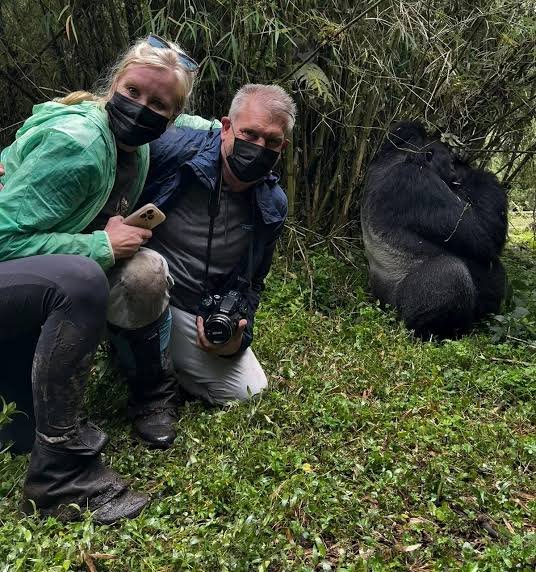
Under Rwanda’s standard gorilla trekking arrangements, visitors cannot extend the one-hour viewing period simply by paying an additional amount or booking more expensive accommodation. The limit applies to the regulated encounter, regardless of whether your safari is privately organized or part of an exclusive luxury itinerary.
However, travelers who want to spend more time observing mountain gorillas can arrange a second trekking experience on another day, subject to permit availability and the purchase of an additional permit. Each permitted visit provides a separate opportunity to spend up to one hour with an assigned habituated gorilla family.
For example, a traveler spending four or five days near Volcanoes National Park may choose to trek on two consecutive days. This can provide the chance to observe different behaviors, experience changing forest conditions, or encounter another family, depending on park assignments.
Booking two treks does not guarantee that you will visit different gorilla families because group assignments are managed by park authorities. Nevertheless, the second experience can be rewarding even when the broader environment feels familiar.
Travelers considering multiple treks should evaluate the additional permit cost, physical demands, and availability of travel dates before finalizing their itineraries.
How Can You Make the Most of Your One Hour With Mountain Gorillas?
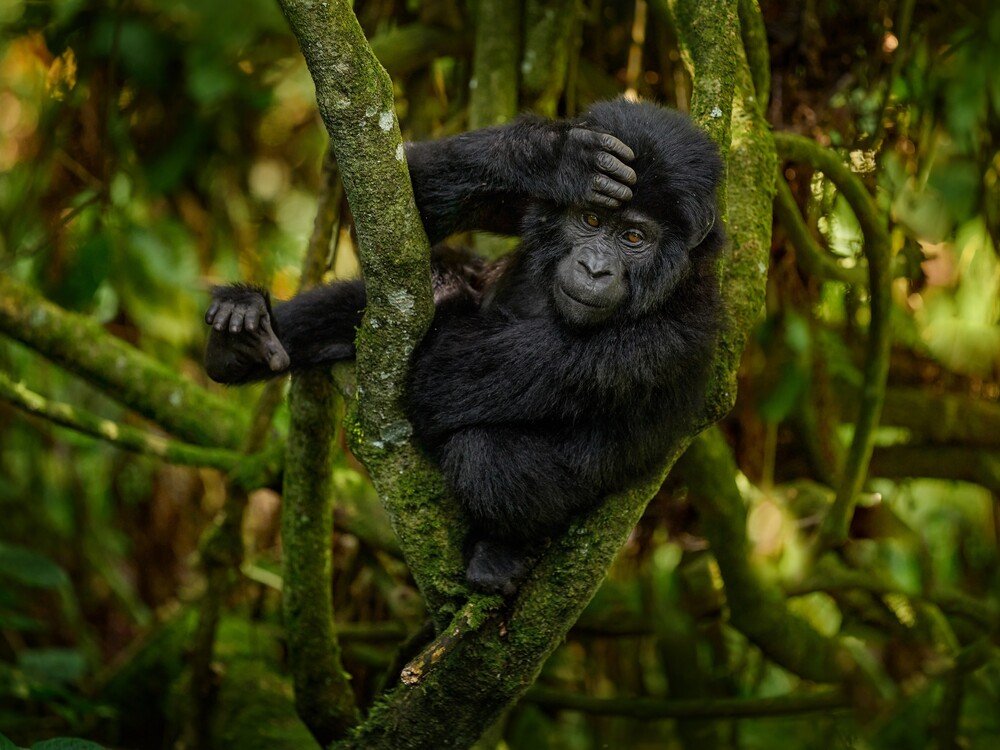
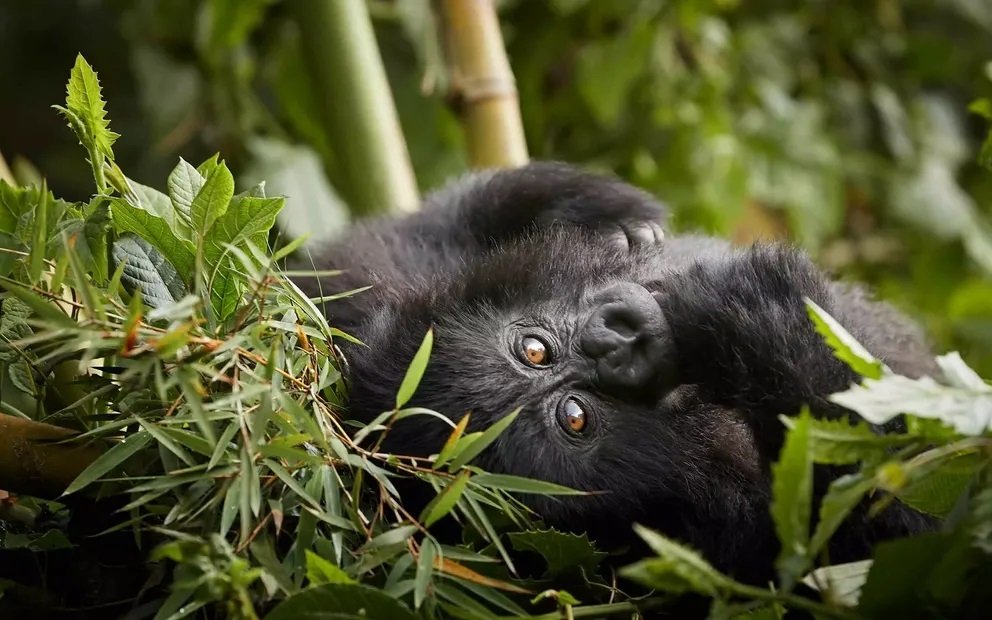
Making the most of your time with mountain gorillas involves preparation, patience, and a willingness to appreciate their natural behavior. Although 60 minutes may feel limited, thoughtful planning can help make the encounter deeply rewarding.
Begin by preparing your camera before reaching the gorillas. Check your battery, storage capacity, exposure settings, and lens selection so that you do not spend valuable viewing time making basic adjustments. Make sure flash photography is disabled.
During the encounter, listen carefully to your guide and move only when instructed. Your guide understands the gorillas’ behavior and can help identify family members and explain social interactions.
Take photographs when appropriate, but allow yourself periods without a camera. Watching a gorilla directly can reveal details that are easy to miss while concentrating on obtaining the perfect image.
Be patient when vegetation partially obstructs your view. Gorilla families naturally change position as they feed and move, and a clearer opportunity may develop without you needing to approach.
Most importantly, avoid comparing your encounter to heavily edited wildlife documentaries or social media videos. The value of gorilla trekking lies in observing genuine wildlife behavior, whether that involves dramatic movement or peaceful feeding.
Can You Take Photographs Throughout the Entire One-Hour Encounter?
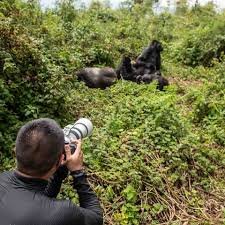
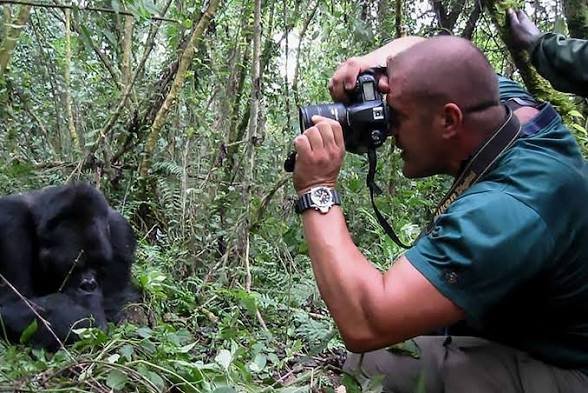
Yes, photography is generally permitted during your authorized viewing period, provided you follow the park’s conservation instructions. However, cameras must be used responsibly, and flash photography is prohibited.
The mountain rainforest environment presents particular photographic challenges. The canopy can create deep shade, while small patches of sunlight introduce strong contrasts. Vegetation may partially obscure animals, and gorillas can change position without warning.
A camera that performs well in low light can be helpful. A moderate telephoto zoom may allow you to capture portraits and behavioral details while maintaining the prescribed viewing distance. Smartphones can also produce memorable images, especially when lighting conditions are favorable.
Avoid moving closer to the gorillas for a better photograph. Respect the distance established by your guide and never attempt to touch, provoke, or attract an animal’s attention.
Photographing mountain gorillas is particularly rewarding when you focus on their natural expressions and interactions. A young gorilla playing beside its mother or a silverback calmly feeding can produce an extraordinary image without needing dramatic behavior.
For a balanced experience, consider spending part of your viewing time photographing and part simply appreciating the moment.
What Is the Best Time of Year for a Rwanda Gorilla Trek?


Mountain gorilla trekking is available throughout the year in Rwanda, and the one-hour viewing allowance is the same regardless of the season. However, weather conditions can influence the difficulty of the hike and the quality of your photographic opportunities.
The relatively drier months, commonly June to September and December to February, often provide more comfortable walking conditions. Trails may be less muddy, although rain remains possible because Volcanoes National Park is a high-altitude rainforest environment.
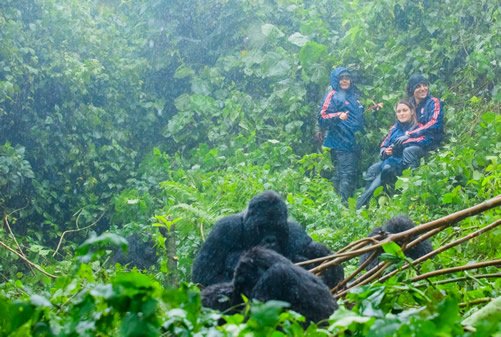
During wetter periods, the forest becomes exceptionally lush, with mist, dramatic clouds, and rich green vegetation creating beautiful scenery. However, slippery paths and heavier rainfall can make the trek more demanding.
Mountain gorillas remain in their natural habitat throughout the year, so there is no annual migration that determines whether they can be seen.
Travelers should choose their dates according to their preferred weather conditions, accommodation availability, travel budget, and broader Rwanda itinerary.
Where Should You Stay Before Your Rwanda Gorilla Trek?
Staying near Volcanoes National Park the night before trekking is generally more comfortable than making an early transfer from Kigali on the morning of your activity.
The Musanze and Kinigi areas offer accommodation ranging from modest guesthouses to some of Africa’s most exclusive luxury lodges.
Luxury travelers may consider properties such as Singita Kwitonda Lodge, Wilderness Bisate, or One&Only Gorilla’s Nest. These properties are known for their distinctive accommodation experiences and convenient access to the volcanic landscape.
Mid-range travelers can consider suitable accommodation around Musanze and Kinigi, including properties such as Le Bambou Gorilla Lodge, subject to availability.
Your accommodation choice does not change the number of hours you spend with the gorillas. However, choosing a comfortable lodge close to the trekking headquarters can improve the overall experience by reducing travel time and allowing more opportunity for rest.
How Many Days Should You Plan for Mountain Gorilla Trekking in Rwanda?
Although the gorilla viewing experience lasts only one hour, a Rwanda gorilla safari is generally more enjoyable when planned over several days. This allows time to arrive in the country, travel to Volcanoes National Park, complete your trek, and return without unnecessary pressure.
A two-day itinerary can suit travelers with limited time, while a three-day safari provides a more relaxed arrangement with an overnight stay before trekking and time to appreciate Rwanda’s scenery.
Travelers staying longer can combine gorilla trekking with golden monkey trekking, cultural experiences, or time beside Lake Kivu.
A four- or five-day Rwanda safari may be particularly attractive for honeymooners, photographers, and travelers interested in combining mountain gorillas with additional wildlife activities.
If you want two separate gorilla trekking experiences, plan enough time for two trekking days and secure the appropriate permits.

Frequently Asked Questions About How Long You Stay With Mountain Gorillas in Rwanda
How Long Do You Stay With Mountain Gorillas in Rwanda?
You can spend a maximum of one hour, or 60 minutes, with your assigned habituated mountain gorilla family once it has been located.
Does the One-Hour Gorilla Trekking Limit Include Walking?
No. The one-hour limit applies to viewing the gorillas, not the time spent hiking to find them or returning to the trailhead.
Can You Spend More Than One Hour With Gorillas in Rwanda?
Not during a single standard trek. You can book another trekking experience on a separate permitted visit, subject to availability.
How Long Does the Entire Gorilla Trek Take in Rwanda?
The full experience can take several hours, including the briefing, transfers, forest hike, one-hour encounter, and return walk.
Why Is Gorilla Viewing Limited to One Hour?
The restriction helps reduce human disturbance, lower disease transmission risks, and protect the gorillas’ natural behavior.
Can You Spend Four Hours With Mountain Gorillas in Rwanda?
Rwanda’s standard gorilla trekking permit allows up to one hour. A specialized extended gorilla habituation experience is offered in Uganda, subject to current permit conditions.
What Happens if You Reach the Gorillas Late in the Day?
Your viewing period is managed by the park guides according to the applicable rules and operational conditions. The time spent hiking does not normally reduce the authorized one-hour allowance.
What If the Gorillas Move During Your Viewing Hour?
Your guide may direct your group to adjust its position while maintaining the required safety and conservation measures.
Can You Touch Mountain Gorillas During the Hour?
No. Physical contact with mountain gorillas is prohibited, even when a curious animal approaches you.
How Close Can You Get to Gorillas in Rwanda?
Rwanda’s published guidance specifies at least seven metres. Always follow the current distancing instructions provided by your park guide.
How Many People Are Allowed to Visit One Gorilla Family?
A maximum of eight visitors are permitted in a standard gorilla trekking group.
Can You Photograph Gorillas for the Entire Hour?
Yes, photography is allowed without flash, provided you respect viewing distances and follow your guide’s instructions.
Do You Always See Mountain Gorillas in Rwanda?
Sightings are highly reliable because experienced trackers monitor habituated families, but observing wild animals can never be guaranteed in every circumstance.
How Much Is a Gorilla Trekking Permit in Rwanda?
The standard foreign non-resident permit is USD 1,500 per person under the currently published tariff. Other qualifying categories may have different rates.
Can You Trek Mountain Gorillas Twice in Rwanda?
Yes. You can book two separate trekking experiences with individual permits, subject to availability and park arrangements.
Is One Hour With Mountain Gorillas Worth the Money?
For many wildlife enthusiasts, it is an exceptionally memorable experience. Its value depends on your interests, budget, and expectations.
What Time Does Gorilla Trekking Begin in Rwanda?
Visitors normally gather at Kinigi park headquarters at 7:00 a.m. for registration, briefing, and group assignment.
Can Older Travelers Spend One Hour With Mountain Gorillas?
Yes, provided they meet participation requirements and can manage the trekking conditions. Discuss individual mobility needs before booking.
What Happens if You Are Sick on Trekking Day?
Tell park staff if you have symptoms of a contagious illness. You may be unable to participate because human infections can threaten gorilla health.
Book Your Rwanda Gorilla Trekking Safari With Nextgen Safaris
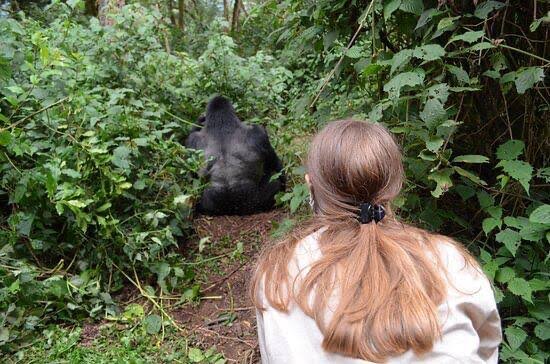
Imagine beginning your morning surrounded by mist-covered volcanic mountains before walking into the rainforest in search of a wild mountain gorilla family. From the first sight of a magnificent silverback to the playful interactions of young gorillas, your Rwanda gorilla trekking experience can become one of the most memorable moments of your African holiday.
Nextgen Safaris organizes personalized Rwanda gorilla trekking holidays designed around your travel dates, preferred accommodation, interests, and available time. Your itinerary can include private transfers from Kigali, accommodation near Volcanoes National Park, gorilla trekking permit arrangements, and additional experiences around the Virunga Mountains.
Whether you prefer a short three-day gorilla trekking safari, a luxury honeymoon, a private family holiday, or an extended Rwanda and Uganda wildlife adventure, your safari can be customized to provide comfort, responsible wildlife viewing, and carefully coordinated travel arrangements.
Your safari quotation can include accommodation, a gorilla trekking permit, private transportation, meals as specified, and selected activities. Each arrangement will be confirmed according to permit and accommodation availability.Book Your Rwanda Gorilla Safari Explore Nextgen Safaris Gorilla trekking permits and accommodation are subject to availability. Standard gorilla viewing time is limited to one hour.
Understanding How Long Do You Stay With Mountain Gorillas in Rwanda? is an essential part of preparing for one of Africa’s most extraordinary wildlife encounters. Although the permitted viewing period lasts a maximum of one hour, the full experience extends from the early morning briefing through the scenic forest trek and the unforgettable moment when you first encounter a wild gorilla family.
The one-hour restriction is an important conservation measure designed to protect mountain gorillas from unnecessary disturbance and reduce the risks associated with prolonged human contact. Rather than diminishing the experience, it helps preserve the natural behavior that makes gorilla trekking so meaningful.
During your time with the gorillas, you may observe magnificent silverbacks, attentive mothers, playful juveniles, and the remarkable social relationships within the family. Every encounter is different, and the most memorable moments often arise unexpectedly.
For travelers wishing to enjoy additional encounters, booking a second gorilla trekking experience can provide another opportunity to observe these extraordinary primates, subject to permit availability.
Whether you choose a short Rwanda gorilla safari or an extended luxury holiday, thoughtful preparation, responsible wildlife viewing, and a well-organized itinerary will help you appreciate every moment.