Gorilla Trekking Photography Rwanda: Complete Guide to Capturing Mountain Gorilla Moments
Gorilla Trekking Photography Rwanda offers one of the most extraordinary wildlife photography experiences in the world, giving travellers the rare opportunity to capture the beauty, emotions, and behaviours of mountain gorillas in their natural rainforest habitat. Unlike many wildlife photography experiences where animals are observed from a vehicle or from a distant viewpoint, gorilla trekking allows visitors to enter the protected forests of Volcanoes National Park and spend meaningful time observing these incredible primates at close range under carefully controlled conservation guidelines.
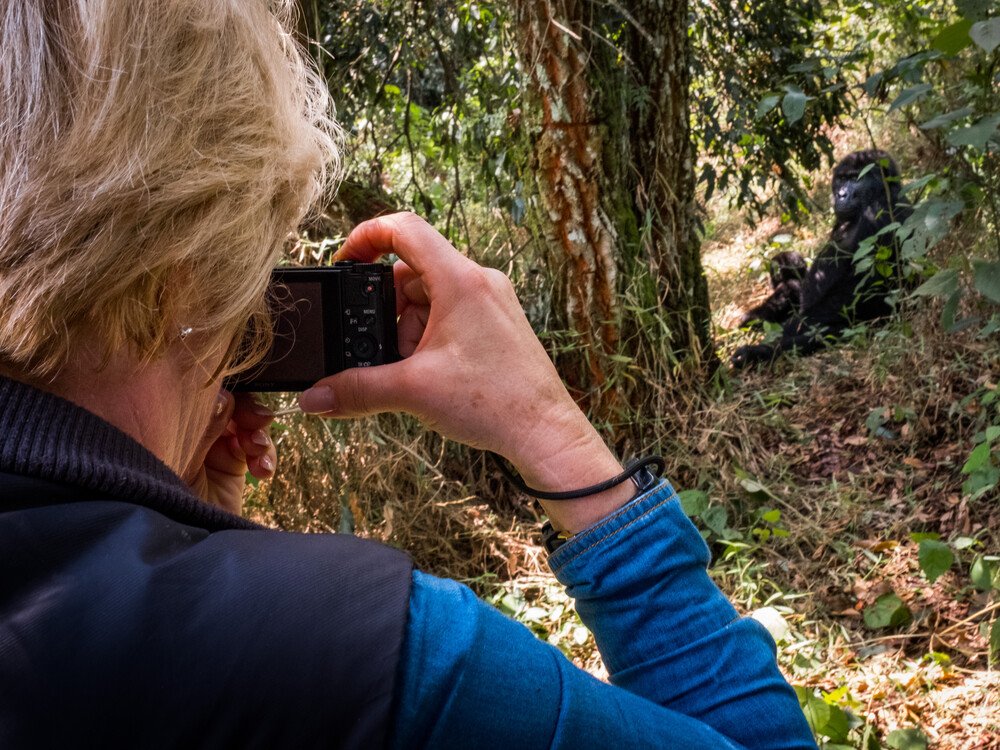
The experience of photographing mountain gorillas in Rwanda goes far beyond simply taking pictures. Every image captured during a gorilla trek tells a story about conservation, survival, family bonds, and the importance of protecting one of the world’s most endangered species. A photograph of a powerful silverback, a mother caring for her infant, or young gorillas playing among the forest vegetation represents a unique moment that reflects the intelligence, emotions, and social nature of these remarkable animals.
Rwanda’s Volcanoes National Park provides an extraordinary setting for wildlife photography because of its dramatic natural environment. Located within the Virunga Mountains ecosystem, the park features mist-covered forests, volcanic landscapes, thick vegetation, and rich biodiversity. These surroundings create a powerful background that makes every photograph more meaningful because it captures not only the gorillas but also the unique world they call home.
The atmosphere of the rainforest adds a special character to gorilla photography. The soft natural light filtering through the trees, the mist surrounding the mountains, and the deep green vegetation create a cinematic environment that photographers rarely experience elsewhere. Even simple moments, such as a gorilla resting beneath the trees or walking through the forest, can become powerful images because of the incredible setting.
However, successful Gorilla Trekking Photography Rwanda requires much more than carrying an advanced camera. The rainforest environment presents unique challenges that photographers must understand before beginning their journey. Conditions can change quickly, with bright sunlight, cloudy skies, mist, humidity, and rainfall all possible during the same trek. These natural conditions require photographers to be flexible and prepared to adjust their approach.
One of the biggest challenges is working with limited lighting conditions. Mountain gorillas are often found in dense forest areas where sunlight is filtered through layers of vegetation. This creates beautiful natural scenes but can also make photography technically challenging. Photographers need to understand how to work with low light, adjust camera settings, and capture sharp images without disturbing the natural atmosphere of the environment.
The unpredictable movement of gorillas also makes photography different from traditional wildlife photography. Gorillas do not pose for cameras, and their behaviour cannot be controlled. They may move through thick vegetation, change positions, interact with family members, or disappear behind trees. The best photographers learn to observe patiently and anticipate behaviour rather than trying to force a particular image.
The limited time available with gorillas adds another important challenge. Gorilla encounters are carefully managed to protect the animals and reduce stress from human presence. This means photographers must balance their desire to capture images with the need to appreciate the experience itself. Spending the entire encounter focused only on a camera can cause visitors to miss the emotional connection of simply being present with these incredible animals.
Responsible photography is therefore one of the most important aspects of gorilla trekking in Rwanda. The purpose of photography should always be to document and appreciate wildlife, not to interfere with it. Photographers must follow conservation guidelines, respect the space of the gorillas, and allow the animals to behave naturally.
The success of Rwanda’s gorilla photography experience is closely connected to the country’s strong conservation approach. Mountain gorillas are protected through careful management, research, and responsible tourism practices. The trekking system allows visitors to experience these animals while ensuring that tourism does not negatively affect their health or natural behaviour.
Photographers become part of this conservation story every time they capture an image. A photograph from a gorilla trek can inspire awareness, encourage wildlife protection, and help people around the world understand why preserving mountain gorillas is so important. These images become more than personal memories; they become powerful tools for conservation education.
The guides and trackers also play an essential role in creating successful photography experiences. Their knowledge of gorilla families, forest conditions, and animal behaviour helps visitors understand what is happening around them. They know how to position visitors safely, when to move, and how to ensure that photography does not interfere with the wellbeing of the gorillas.
A great gorilla photograph is not only about technical quality. The most memorable images often capture emotion and connection. The expression of a silverback, the gentle interaction between a mother and infant, or the playful behaviour of young gorillas can communicate a story that goes beyond the image itself.
For this reason, photographers should approach gorilla trekking with patience and respect. Taking time to observe before pressing the shutter often leads to stronger photographs because it allows visitors to understand the personalities and behaviours of the gorilla family they are observing.
Rwanda has become one of Africa’s premier destinations for wildlife photography because it combines accessibility, conservation success, professional guiding, and incredible natural scenery. The carefully managed trekking experience creates a unique opportunity where photographers can capture authentic wildlife moments while contributing to the protection of mountain gorillas.
Ultimately, Gorilla Trekking Photography Rwanda is about creating a connection between people, wildlife, and conservation. It is the opportunity to stand in the heart of a rainforest, observe one of the world’s most fascinating animals, and preserve that moment through photography. When approached responsibly, gorilla photography becomes more than capturing images; it becomes a way of celebrating nature and supporting the continued protection of Rwanda’s magnificent mountain gorillas.
Why Rwanda Is One of the Best Destinations for Gorilla Photography
Rwanda has become one of the world’s most remarkable destinations for Gorilla Trekking Photography Rwanda because it combines incredible wildlife encounters, strong conservation practices, breathtaking landscapes, and a well-organised trekking system. For photographers seeking to capture authentic images of mountain gorillas in their natural environment, Rwanda offers a rare opportunity to observe these endangered primates while respecting their natural behaviours and protected habitat.
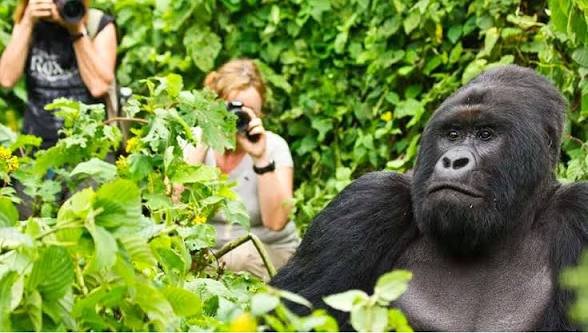

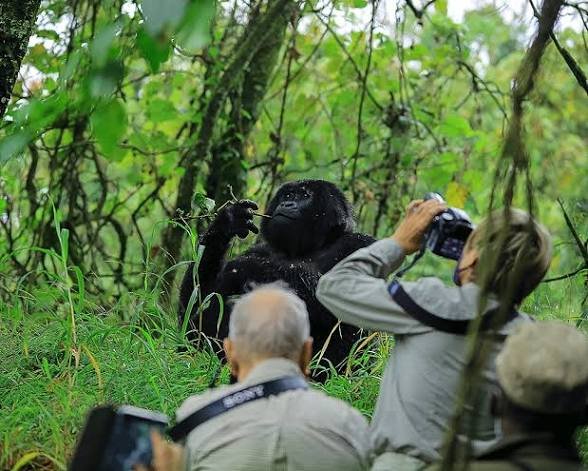
The main destination for gorilla photography in Rwanda is Volcanoes National Park, located in the northern part of the country near the town of Musanze. The park forms part of the greater Virunga Mountains ecosystem, a region shared by Rwanda, Uganda, and the Democratic Republic of Congo that protects one of the last remaining populations of mountain gorillas in the world. This unique environment provides photographers with the chance to capture not only the gorillas themselves but also the extraordinary rainforest landscape where they live.
One of the greatest advantages of photographing gorillas in Rwanda is the accessibility of Volcanoes National Park. Compared to many remote wildlife photography destinations, the park is relatively easy to reach, with comfortable access from Kigali. This allows photographers to spend more time focusing on preparation, equipment, and the actual gorilla experience rather than spending several days travelling to reach the destination.
The organisation of Rwanda’s gorilla trekking system is another major reason why it is considered one of the best places for gorilla photography. The experience is carefully managed by conservation authorities, with professional guides and trackers accompanying visitors throughout the journey. This structured approach ensures that photographers have the opportunity to capture incredible moments while maintaining strict rules that protect the wellbeing of the gorillas.
A major highlight of gorilla photography in Rwanda is the opportunity to observe habituated gorilla families. These gorillas have undergone a careful habituation process, allowing them to become familiar with the presence of humans while continuing to behave naturally. This does not mean that they are domesticated; they remain wild animals living according to their own social structures and instincts.
The habituation process is what makes responsible gorilla photography possible. Because gorillas are comfortable with limited human presence, photographers can observe their natural interactions, including feeding, grooming, resting, playing, and communication between family members. These moments create some of the most powerful wildlife photographs because they show the true personality and social behaviour of mountain gorillas.
Photographing habituated gorillas also allows visitors to capture emotional connections that are rarely seen in traditional wildlife photography. Images of a mother gently caring for her infant, a silverback watching over his family, or young gorillas exploring their surroundings reveal the intelligence, emotions, and strong family bonds of these incredible animals.
The landscape surrounding Volcanoes National Park adds another special dimension to gorilla photography. The park’s location within the Virunga Mountains creates a dramatic natural setting with volcanic peaks, dense tropical forests, mist-covered hills, and rich vegetation. These elements provide photographers with a unique backdrop that makes every image more powerful and visually appealing.
The rainforest environment creates constantly changing photography conditions. Morning mist can create a mysterious atmosphere, soft forest light can highlight the textures of gorilla fur, and the surrounding vegetation can add depth and context to photographs. Unlike photographing animals in open landscapes, gorilla photography in Rwanda allows photographers to capture images that feel intimate and connected to the natural world.
Another reason Rwanda stands out as a top gorilla photography destination is the professionalism and experience of the guides and trackers. These experts have extensive knowledge of gorilla families, their movements, and their behaviours. They understand how different gorilla groups interact and can help photographers position themselves correctly while ensuring that conservation guidelines are respected.
The guides also help photographers recognise important moments before they happen. Understanding gorilla behaviour is essential because some of the best photographs come from anticipation rather than reaction. A knowledgeable guide may recognise when a silverback is about to interact with another member of the group or when young gorillas are likely to become active and playful.
Safety and conservation are also major strengths of Rwanda’s gorilla photography experience. Visitors are carefully guided on how to approach gorillas, maintain appropriate distance, avoid disturbing the animals, and behave responsibly in the forest. These measures protect the gorillas while also creating a calm environment where photographers can focus on capturing meaningful images.
Rwanda’s commitment to conservation has also contributed to the success of mountain gorilla photography. The protection of gorillas, combined with responsible tourism practices, has helped create a sustainable environment where wildlife and visitors can coexist. Photographers who visit Rwanda are not only capturing beautiful images but are also supporting a conservation system that protects one of the world’s most endangered species.
Another important advantage is the diversity of photographic opportunities available during a gorilla trek. Every gorilla family has its own personality and social dynamics, meaning no two encounters are exactly the same. Some groups may be more active and playful, while others may provide opportunities for powerful portraits of silverbacks or intimate family moments.
The experience also allows photographers to capture storytelling images rather than simple animal portraits. A great gorilla photograph can communicate a message about conservation, family, survival, and the relationship between humans and nature. These images have the power to inspire people around the world to appreciate and protect wildlife.
For both professional photographers and passionate travellers, Rwanda provides an ideal balance between accessibility, conservation, and authentic wildlife encounters. The combination of habituated gorilla families, experienced guides, dramatic landscapes, and responsible tourism standards creates one of the best environments in Africa for capturing unforgettable mountain gorilla photographs.
Ultimately, Rwanda stands out as a leading destination for gorilla photography because it offers more than just the chance to take pictures. It provides an opportunity to witness the lives of mountain gorillas, understand their importance, and preserve their story through powerful photography. Every image captured in Rwanda’s forests becomes a reminder of the beauty of these animals and the importance of protecting them for future generations.
Understanding Gorilla Behaviour Before Photography
Successful Gorilla Trekking Photography Rwanda begins with understanding the animals themselves. While having a good camera and technical photography skills are important, the ability to read gorilla behaviour is what truly allows photographers to capture meaningful and authentic images. Mountain gorillas are highly intelligent, emotional, and social animals with complex family structures, unique personalities, and natural behaviours that have developed over generations.
Unlike staged photography where subjects can be directed or positioned, wildlife photography depends on patience, observation, and respect. Gorillas do not perform for cameras, and their most powerful moments happen naturally. Photographers who take time to understand their behaviour have a much greater chance of capturing genuine interactions, emotional expressions, and unforgettable moments that tell a deeper story.
Mountain gorillas live in close family groups led by a dominant silverback male. Each member of the group has a specific role, and their relationships create many of the most fascinating photography opportunities. Understanding these social connections allows photographers to anticipate moments before they happen rather than simply reacting after an important interaction has already passed.
The silverback is often one of the most impressive subjects for wildlife photographers. As the leader of the gorilla family, he carries responsibility for protecting the group, maintaining order, and responding to potential threats. His powerful appearance, large size, and confident behaviour make him an iconic subject for photography.
Photographers may capture a silverback sitting calmly among the vegetation, observing his surroundings, resting beneath the forest canopy, or interacting with other members of his family. These moments reveal both the strength and peaceful nature of these remarkable animals. A powerful photograph of a silverback is not only about his physical appearance but also about capturing his personality and role within the group.
The behaviour of a silverback can also change depending on the situation. At times, he may appear relaxed and peaceful while feeding or resting. In other moments, he may become more alert when younger gorillas move away from the group or when he senses something unusual in the environment. Understanding these behavioural changes helps photographers capture different aspects of his character.
Young gorillas provide some of the most emotional and entertaining photography opportunities during a trek. Infant and juvenile gorillas are naturally curious, energetic, and playful. They spend much of their time exploring their surroundings, climbing on vegetation, interacting with other young gorillas, and learning from older members of the family.
These playful moments often create some of the most memorable photographs because they show the lighter and more expressive side of gorilla life. Images of young gorillas playing, looking curious, or interacting with their parents help viewers connect emotionally with these animals and understand their similarities with humans.
Capturing young gorillas requires patience because their movements are unpredictable. They may suddenly become active, move quickly through the forest, or interact with other family members without warning. Photographers who remain observant and ready can capture these spontaneous moments that cannot be recreated.
The relationship between mothers and infants is another powerful subject in Gorilla Trekking Photography Rwanda. Female gorillas form extremely strong bonds with their young, providing protection, care, and guidance during the early stages of life. These interactions often create some of the most touching wildlife photographs because they highlight the emotional depth of gorilla families.
A mother gorilla may be seen carrying her infant, grooming it, resting beside it, or protecting it as the group moves through the forest. These quiet moments reveal the nurturing side of gorilla behaviour and create photographs that communicate love, protection, and family connection.
Capturing these intimate moments requires photographers to remain patient and respectful. The strongest images often happen when visitors simply observe and allow the gorillas to behave naturally. Attempting to force a particular photograph or attract the attention of the animals can interrupt natural behaviour and reduce the authenticity of the image.
Understanding gorilla communication is also valuable for photographers. Gorillas communicate through vocal sounds, body movements, facial expressions, and physical contact. A slight change in posture, a look between family members, or a particular movement can reveal important information about what is happening within the group.
By learning to recognise these signals, photographers can better understand when interesting moments are likely to occur. For example, changes in group movement may indicate that the gorillas are preparing to move, interact, or respond to another member of the family. This awareness allows photographers to capture moments that tell a complete story.
Patience is one of the most important skills in gorilla photography. The rainforest environment does not operate according to a photographer’s schedule, and the most powerful images often appear after periods of quiet observation. A photographer may spend several minutes watching a relaxed gorilla before capturing a moment of eye contact, interaction, or movement.
A skilled wildlife photographer understands that observation comes before photography. Taking time to watch the animals allows the photographer to become familiar with their behaviour and increases the chances of capturing authentic moments. The goal is not simply to take many photographs but to create images that represent the true character of the gorillas.
Respecting gorilla behaviour also helps protect the animals and maintain responsible tourism practices. Photographers should never attempt to influence what the gorillas do, move closer for a better angle, or create situations that interrupt their natural activities. The best photographs are created when humans remain respectful observers.
The connection between understanding behaviour and photography is what makes gorilla trekking in Rwanda such a unique experience. A camera can capture an image, but knowledge and patience allow photographers to capture a story. The most meaningful photographs are those that show the intelligence, emotions, family relationships, and natural beauty of mountain gorillas.
Ultimately, successful Gorilla Trekking Photography Rwanda is built on respect, awareness, and appreciation for the animals being photographed. By understanding gorilla behaviour, photographers can capture more powerful images while ensuring that these incredible creatures remain comfortable and protected in their natural forest environment.
Best Camera Equipment for Gorilla Trekking Photography in Rwanda
Choosing the right photography equipment is an important part of preparing for a successful Gorilla Trekking Photography Rwanda experience. While the opportunity to photograph mountain gorillas is extraordinary, the rainforest environment of Volcanoes National Park presents unique technical challenges that require careful preparation. Photographers must consider factors such as low light conditions, unpredictable weather, humidity, movement of the animals, and the limited time available during the gorilla encounter.
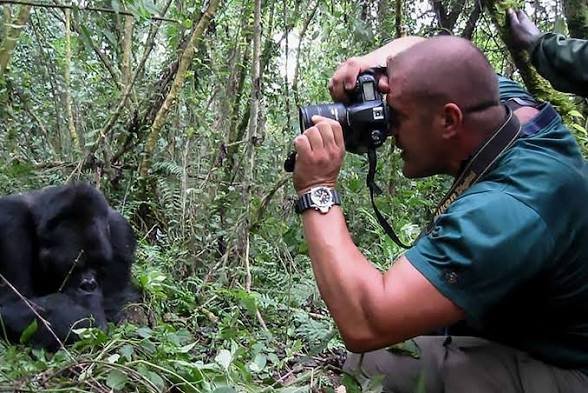
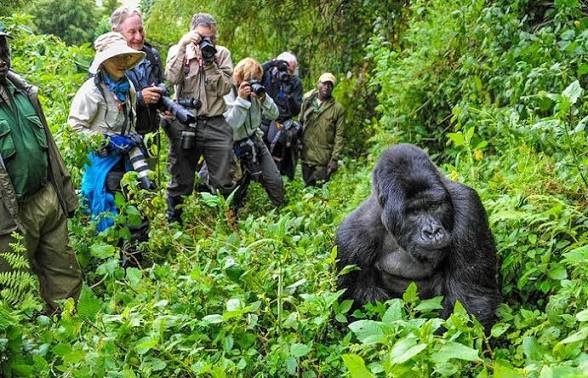
Unlike traditional wildlife photography where photographers may use large equipment from a vehicle or fixed location, gorilla trekking requires carrying all equipment through the forest. This means the best approach is to choose equipment that provides excellent image quality while remaining practical, lightweight, and comfortable to carry during several hours of hiking.
The rainforest environment around Volcanoes National Park creates beautiful but challenging photography conditions. Mountain gorillas are often found beneath dense vegetation where sunlight is filtered through layers of leaves and branches. This creates soft, natural lighting but can also result in darker conditions where photographers need equipment capable of producing clear images without excessive noise.
A camera with strong low-light performance is highly recommended for gorilla photography. Cameras with good sensor quality perform better in shaded forest environments because they can capture details even when lighting is limited. This allows photographers to preserve important features such as the texture of gorilla fur, facial expressions, and subtle movements without relying on artificial lighting.
The ability to adjust camera settings quickly is also important. Wildlife moments happen unexpectedly, and photographers may only have a few seconds to capture a special interaction. A camera that allows easy control of settings such as shutter speed, aperture, and ISO gives photographers greater flexibility when conditions change.
A versatile zoom lens is one of the most valuable pieces of equipment for photographing mountain gorillas. Since visitors must maintain a respectful distance from the animals, a lens with sufficient reach allows photographers to capture detailed images without moving closer or disturbing the gorillas.
A zoom lens also provides flexibility because gorillas may appear at different distances during the encounter. Sometimes a family group may be resting close by, while at other times individuals may move deeper into the vegetation. A versatile lens allows photographers to adjust quickly without changing equipment frequently in the humid forest environment.
Telephoto lenses are especially useful for capturing powerful portraits of gorillas. They allow photographers to focus on details such as facial expressions, eyes, hands, and interactions between family members. These close-up images often reveal the emotional depth and personality of the animals.
However, photographers should also consider the weight of their equipment. Carrying heavy camera gear through mountainous rainforest terrain can become tiring, especially during longer treks. A practical photography setup should balance image quality with comfort, allowing the photographer to remain focused throughout the entire experience.
Extra batteries are another essential part of gorilla trekking photography preparation. Battery performance can be affected by cooler temperatures, frequent camera use, and the long duration of the trek. Since charging opportunities are not available inside the forest, carrying additional fully charged batteries ensures that photographers do not miss important moments.
Memory cards are equally important because gorilla encounters provide many opportunities for photography. Visitors may capture hundreds of images during the experience, especially when observing different behaviours within the gorilla family. Having enough storage space prevents the disappointment of having to delete photographs during the encounter.
Photographers should also consider carrying protective equipment for their cameras and accessories. The rainforest environment can be wet and humid, with sudden rainfall possible even during relatively dry periods. Moisture can damage sensitive electronic equipment, making waterproof protection extremely important.
A waterproof camera bag, rain cover, or protective case helps shield equipment from rain and humidity. Dry storage solutions can provide additional protection for memory cards, batteries, and other important accessories. Keeping equipment protected ensures that photographers can continue shooting confidently even when weather conditions change.
A camera strap or comfortable carrying system is also useful during gorilla trekking. Photographers need to move through uneven terrain, climb slopes, and sometimes use their hands for balance while walking through the forest. A secure and comfortable camera carrying solution reduces fatigue and protects expensive equipment from accidental drops.
Tripods are generally less practical for gorilla trekking because movement through the forest is required and encounters are often dynamic. A lightweight approach with handheld photography is usually more suitable. Photographers should prioritise mobility and flexibility because gorillas may move at any moment.
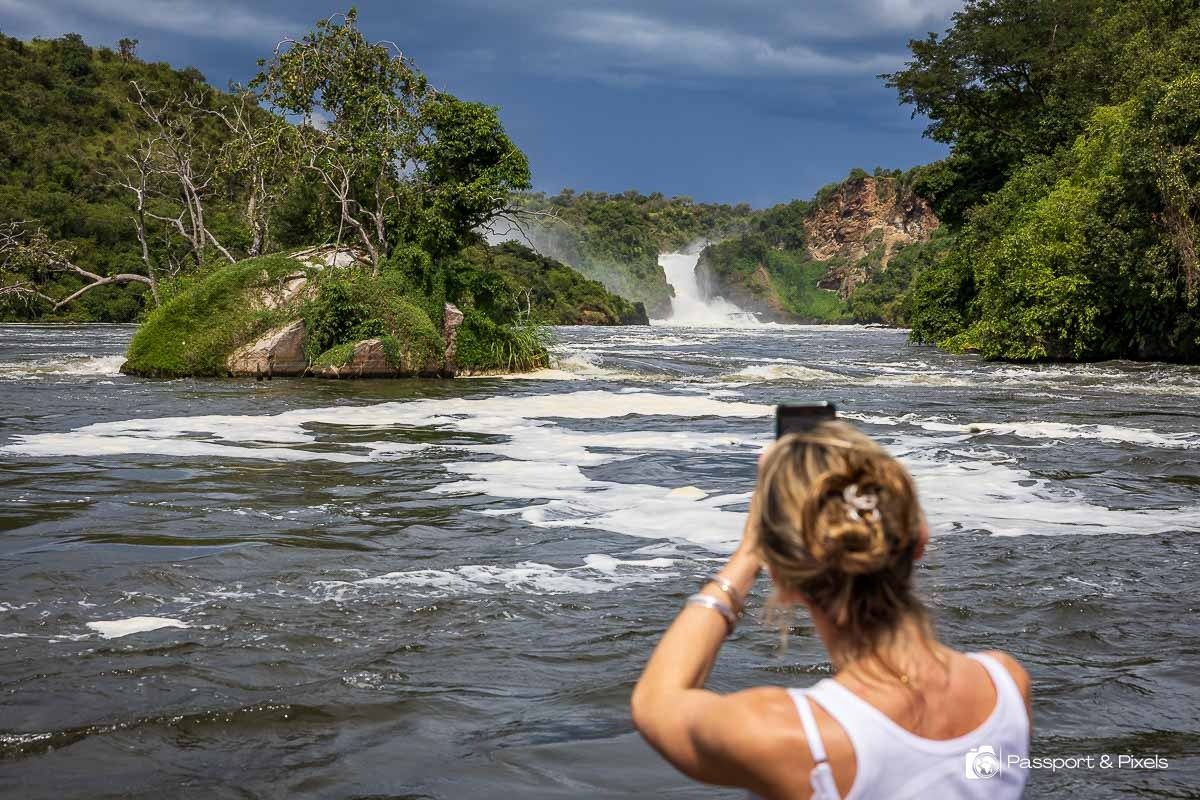
For visitors using smartphones, modern mobile devices can also capture impressive gorilla photographs when used correctly. Smartphone cameras have improved significantly, and with good lighting, patience, and careful composition, travellers can preserve meaningful memories without carrying professional equipment.
The most important equipment, however, is not always the camera itself. Understanding photography techniques, observing gorilla behaviour, and practising patience are what truly create powerful images. A professional camera cannot replace good timing, respect for wildlife, and the ability to recognise special moments.
The best gorilla photographs often come from photographers who understand the animals and wait for natural interactions to happen. A simple camera used by someone who understands composition, lighting, and behaviour can create more meaningful images than expensive equipment used without preparation.
Photographers should also remember that equipment should never interfere with the gorilla experience. The purpose of the trek is not only to capture photographs but also to appreciate the rare opportunity of being near these incredible animals. The camera should support the experience rather than distract from it.
Ultimately, the best camera equipment for Gorilla Trekking Photography Rwanda is equipment that allows photographers to capture high-quality images while remaining comfortable, prepared, and respectful. With the right balance of technology, protection, and photography skills, visitors can preserve unforgettable memories of Rwanda’s mountain gorillas while contributing to responsible wildlife tourism.
Photography Challenges During Gorilla Trekking in Rwanda
Gorilla Trekking Photography Rwanda is one of the most rewarding wildlife photography experiences in the world, but it also comes with unique challenges that make preparation, patience, and adaptability extremely important. Unlike studio photography or controlled wildlife environments where photographers can adjust lighting, position subjects, or repeat a scene, gorilla photography takes place in a completely natural rainforest environment where conditions are constantly changing.

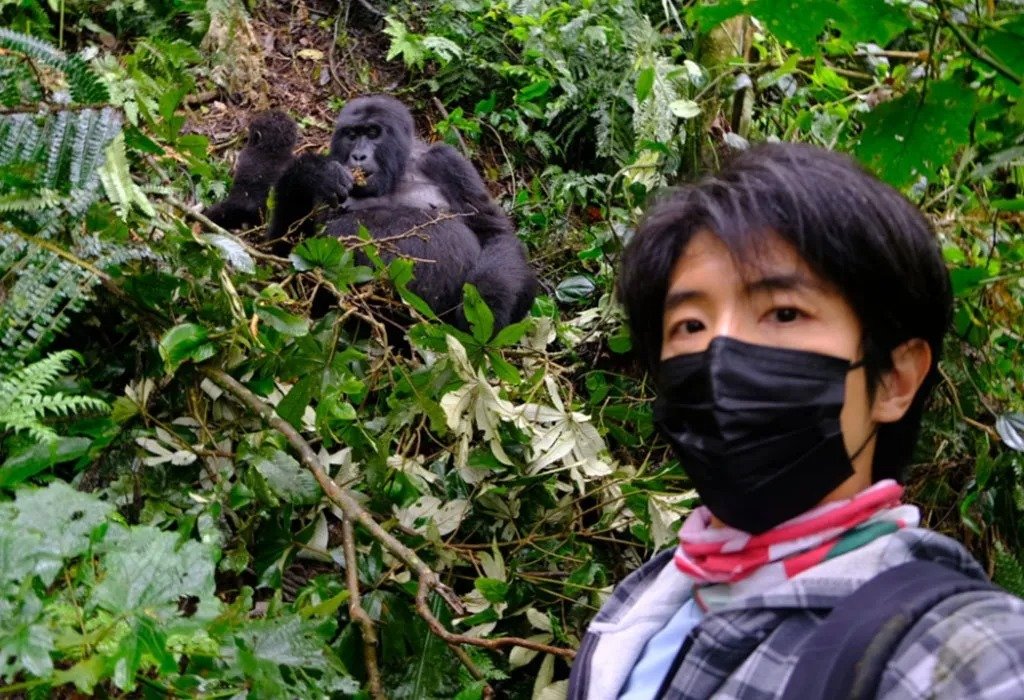
Photographers entering Volcanoes National Park must be prepared to work with unpredictable weather, challenging lighting conditions, moving subjects, dense vegetation, and strict conservation guidelines. These challenges are part of what makes gorilla photography so special because every image represents a genuine moment that cannot be recreated or staged.
One of the biggest challenges photographers face during gorilla trekking is the limited lighting available inside the rainforest. Mountain gorillas are usually found in dense forest areas where the thick canopy blocks much of the natural sunlight. This creates beautiful soft lighting but can also produce darker areas and strong contrasts between light and shadow.
The forest environment can make it difficult to capture sharp, detailed images, especially when gorillas are moving or positioned in shaded areas. Photographers must understand how to adjust their camera settings to work effectively in low-light situations while preserving the natural appearance of the scene.
Using higher ISO settings, adjusting shutter speed, and understanding exposure become important skills when photographing gorillas in the rainforest. The challenge is finding the right balance between capturing enough light and maintaining image quality. Too much adjustment can create unwanted noise, while insufficient exposure can result in dark or unclear photographs.
The changing direction of natural light also creates challenges. A gorilla may move from an open area into deeper vegetation within seconds, causing the lighting conditions to change quickly. Photographers must be ready to adapt rather than waiting for perfect conditions because wildlife moments often happen unexpectedly.
Weather conditions create another major challenge during Gorilla Trekking Photography Rwanda. Volcanoes National Park experiences a rainforest climate, meaning rainfall, mist, humidity, and changing temperatures are common throughout the year. Even during periods considered drier, sudden showers can occur while visitors are inside the forest.
Rain and mist can create incredible photographic opportunities by adding atmosphere and depth to images. A misty forest background can make gorilla photographs appear dramatic and unique, highlighting the mysterious beauty of their natural habitat. However, these conditions also require photographers to protect their equipment and adjust their photography approach.
Humidity is another factor that photographers must consider. Moisture in the rainforest can affect cameras, lenses, batteries, and other electronic equipment. Sudden temperature changes can also cause condensation on camera lenses, making it difficult to capture clear images at important moments.
Being prepared with protective equipment and remaining flexible is essential. Photographers must accept that weather conditions are part of the experience and learn to use them creatively rather than seeing them only as obstacles.
The movement of gorillas is another challenge that makes this type of photography unique. Unlike human subjects who can pose or follow directions, mountain gorillas behave naturally and unpredictably. They may move through vegetation, change positions, interact with other family members, or disappear behind leaves and branches.
This requires photographers to develop patience and strong observation skills. The best wildlife photographers do not simply react after something happens; they learn to anticipate behaviour. Understanding gorilla body language and family interactions can help photographers prepare for important moments before they occur.
For example, a young gorilla playing near its mother, a silverback becoming alert, or members of a family group beginning to move may provide clues that an interesting moment is about to happen. Photographers who understand these behaviours have a greater chance of capturing meaningful images.
Dense vegetation can also make composition challenging. The rainforest is full of leaves, branches, and natural obstacles that may partially block the view of the gorillas. While these elements are part of the gorillas’ natural environment, they can make it difficult to create clear photographs.
Rather than trying to remove these natural elements, skilled photographers learn to include them creatively. The surrounding forest helps tell the story of where mountain gorillas live and reminds viewers that these animals exist within a protected wilderness environment.
Another challenge is the limited time available during the gorilla encounter. Gorilla trekking follows strict conservation guidelines, and visitors are only allowed a specific amount of time with the gorilla family. This means photographers must make careful decisions about when to take photographs and when to simply observe.
Many travellers become so focused on capturing images that they forget to experience the moment itself. Looking through a camera screen throughout the entire encounter can cause visitors to miss important emotional details, such as the sounds of the forest, the movements of the gorillas, and the feeling of being close to these incredible animals.
A successful gorilla photographer understands the importance of balance. Capturing photographs is valuable, but the experience of observing mountain gorillas directly is equally important. The strongest memories often come from moments that are experienced fully rather than only viewed through a camera.
Another important challenge is following photography rules while trying to capture the perfect image. Photographers must always respect conservation guidelines, maintain the recommended distance, avoid disturbing the gorillas, and follow instructions from guides. A great photograph should never come at the expense of animal welfare.
This requires patience and discipline. Photographers must accept that they cannot control every aspect of the encounter. Sometimes the best moments happen when they simply wait quietly and allow the gorillas to behave naturally.
Despite these challenges, the difficulties are also what make Gorilla Trekking Photography Rwanda such a rewarding experience. Every successful photograph represents a moment of patience, preparation, and respect. The unpredictable nature of the rainforest and the natural behaviour of the gorillas create images that feel authentic and emotionally powerful.
The best approach is to focus on meaningful storytelling rather than capturing as many photographs as possible. A single image showing a genuine interaction, a powerful expression, or a unique behaviour can be far more valuable than hundreds of ordinary pictures.
Ultimately, gorilla photography in Rwanda is not just about technical skill; it is about connection, awareness, and respect. Photographers who prepare properly, understand the challenges, and remain patient are rewarded with unforgettable images that capture the true beauty of mountain gorillas and the incredible rainforest world they inhabit.
Responsible Gorilla Photography Rules in Rwanda
Responsible photography is one of the most important aspects of Gorilla Trekking Photography Rwanda because capturing incredible images should always go hand in hand with protecting the wellbeing of mountain gorillas. A successful gorilla photograph is not only measured by its quality, composition, or uniqueness but also by the respect shown toward the animals during the process. Photographers must remember that they are guests in the natural habitat of these endangered primates, and their actions should always support conservation rather than interfere with it.
Mountain gorillas are wild animals with complex social structures, emotions, and natural behaviours. Although some gorilla families in Rwanda have become habituated to human presence through careful conservation programs, they remain wild and must be treated with respect. Responsible photography ensures that visitors can capture meaningful images while allowing gorillas to continue their normal activities without unnecessary stress or disturbance.
The most important rule for gorilla photographers is that the welfare of the animals must always come before capturing the perfect image. No photograph is worth causing discomfort, changing natural behaviour, or creating risks for the gorillas. The purpose of wildlife photography is to document and appreciate nature, not to control or interfere with it.
Visitors must always follow the instructions provided by their gorilla trekking guides and trackers. These professionals have extensive knowledge of gorilla behaviour and understand how to manage encounters safely. They advise photographers where to stand, how to move, when to remain still, and how to position themselves without disturbing the animals.
Maintaining the recommended distance from gorillas is one of the most important photography guidelines. Even when a gorilla appears calm or moves closer to visitors, photographers should not attempt to approach, touch, or reposition themselves without permission. Moving closer for a better photograph can create unnecessary risks, including disease transmission and increased stress for the animals.
A respectful photographer understands that the best images come from patience rather than interference. Instead of trying to create a particular moment, photographers should observe carefully and wait for natural behaviours to happen. The most powerful photographs often capture genuine interactions such as a silverback protecting his family, a mother caring for her infant, or young gorillas playing naturally within the group.
Flash photography is strictly discouraged during gorilla encounters because sudden flashes can disturb the animals. Bright flashes may startle gorillas, interrupt their activities, or create unnecessary stress. Since the rainforest environment already provides unique natural lighting conditions, photographers are encouraged to use available light and adjust their camera settings to capture authentic images.
Natural light photography often creates more realistic and emotional photographs because it preserves the atmosphere of the rainforest. The soft light filtering through the trees, the misty surroundings, and the natural colours of the forest contribute to images that reflect the true environment where mountain gorillas live.
Photographers should also avoid making loud sounds or sudden movements while taking pictures. Gorillas are highly aware of their surroundings, and unexpected noises or quick actions may affect their behaviour. Speaking quietly, moving slowly, and remaining calm helps create a peaceful environment where the animals feel comfortable.
The importance of patience cannot be overstated in gorilla photography. Wildlife moments cannot be planned or controlled, and rushing to capture a photograph can result in disturbing the animals or missing the true beauty of the experience. A patient photographer observes first, understands the situation, and waits for the right moment.
Responsible photographers also need to consider the impact of their physical presence in the forest. They should avoid blocking the movement of gorillas, stepping on vegetation unnecessarily, or creating disturbances within the habitat. Protecting the rainforest environment is an essential part of protecting the animals themselves.
Another important aspect of responsible gorilla photography is respecting the limited time allowed with the gorilla family. The encounter duration is carefully managed to reduce stress on the animals. Photographers should use their time wisely by capturing meaningful moments while also taking time to appreciate the experience beyond the camera.
It is easy for photographers to become completely focused on taking pictures and forget to experience the encounter directly. While photographs provide lasting memories, the opportunity to stand in the presence of mountain gorillas is much more than a photographic opportunity. Taking moments to observe their behaviour, listen to the sounds of the forest, and appreciate the surroundings creates a deeper connection with nature.
The best wildlife photographs are created through understanding, respect, and observation. A photograph that captures a natural expression, a meaningful interaction, or a unique behaviour tells a much stronger story than an image created through disturbance or artificial interaction.
Responsible gorilla photography also contributes to conservation awareness. Images captured ethically can educate people around the world about mountain gorillas, their challenges, and the importance of protecting their habitat. A powerful photograph can inspire support for conservation and encourage more responsible relationships between humans and wildlife.
Ultimately, Gorilla Trekking Photography Rwanda is about finding the balance between capturing memories and respecting nature. The greatest photographers are not those who simply take the closest or most dramatic photographs, but those who understand the responsibility that comes with photographing endangered wildlife.
By following conservation guidelines, respecting gorilla space, avoiding disturbance, and allowing natural behaviours to unfold, photographers can create meaningful images while contributing to the protection of Rwanda’s mountain gorillas. Responsible photography ensures that these incredible animals remain safe and that future generations can continue experBest Photography Tips for Gorilla Trekking in Rwanda
Capturing memorable images during Gorilla Trekking Photography Rwanda requires much more than simply carrying a good camera. The most powerful gorilla photographs are created through a combination of preparation, patience, technical understanding, and respect for the animals. Unlike controlled photography environments where subjects can be positioned or directed, gorilla trekking photography depends on observing wildlife as it naturally behaves in the forest.
The goal should not be to take as many photographs as possible but to capture meaningful moments that tell a story. A single image showing the personality of a silverback, the relationship between a mother and infant, or the playful behaviour of young gorillas can be far more valuable than hundreds of random photographs. Wildlife photography is about connection, emotion, and preserving a moment that represents the true character of the animal.
Before entering the forest, photographers should prepare their equipment and understand their camera settings. The rainforest environment around Volcanoes National Park can change quickly, and photographers may not have enough time during the gorilla encounter to experiment with settings. Preparing in advance allows visitors to focus on the animals rather than adjusting equipment when important moments are happening.
Understanding basic camera functions such as shutter speed, aperture, and ISO is especially useful when photographing mountain gorillas. The forest environment often has limited natural light, and gorillas may move between brighter and darker areas. Being comfortable with your camera settings allows you to adapt quickly and capture clear images even when conditions are challenging.
Battery and storage preparation are also important before starting the trek. Gorilla encounters are limited and every moment is valuable, so photographers should ensure that their equipment is ready before entering the forest. Missing a special interaction because of a full memory card or empty battery can be disappointing, especially when the opportunity to photograph these animals is so rare.
One of the most important photography tips is to focus on the eyes and facial expressions of the gorillas. The eyes of mountain gorillas communicate curiosity, emotion, intelligence, and personality. A photograph that captures direct eye contact or a meaningful expression often creates a much stronger connection with the viewer.
The face of a silverback can reveal many details about his character. A calm expression while resting, a focused look while observing the surroundings, or a protective expression while watching over the family can tell a powerful story. Similarly, photographs of young gorillas showing curiosity or playful energy often create emotional connections because they highlight the similarities between gorillas and humans.
Photographers should also pay attention to interactions rather than only individual portraits. Some of the most memorable images come from relationships within the gorilla family. A mother grooming her infant, siblings playing together, or a silverback interacting with other group members can create photographs that show the social world of mountain gorillas.
Composition plays an important role in creating stronger gorilla photographs. Instead of focusing only on the animal, photographers should consider the entire environment around them. Including elements of the rainforest such as vegetation, trees, mist, and natural surroundings helps tell the complete story of where the gorillas live.
A photograph of a gorilla surrounded by the forest is often more powerful than a simple close-up because it shows the connection between the animal and its habitat. The rainforest is not just a background; it is an essential part of the gorilla’s world and an important element of the conservation story.
Photographers should also be aware of natural framing opportunities within the forest. Leaves, branches, and vegetation can sometimes create interesting compositions that add depth and atmosphere to an image. Rather than seeing these elements as obstacles, skilled photographers learn to use them creatively.
Patience remains one of the most valuable skills in wildlife photography. Gorillas do not follow a photographer’s schedule, and the best moments often happen unexpectedly. A photographer may spend several minutes watching a quiet gorilla before suddenly capturing a meaningful interaction or expression.
Constantly pressing the camera shutter can cause photographers to miss the experience itself. Taking time to observe allows you to understand what is happening and anticipate moments before they occur. Some of the most powerful photographs are captured because the photographer was patient enough to wait.
Another important tip is to remain calm and composed during the encounter. The excitement of being close to mountain gorillas can make it tempting to move quickly or take photographs continuously. However, calm behaviour allows the animals to remain relaxed and increases the chances of witnessing natural behaviours.
Photographers should always remember that they are visitors in the gorillas’ environment. Respecting their space and allowing them to behave naturally will always produce better results than trying to influence the situation. The most authentic photographs are created when gorillas are comfortable and unaware that they are being photographed.
Using different perspectives can also improve photography results. While maintaining the required distance and following guide instructions, photographers can look for different angles that highlight the personality and environment of the gorillas. A low-angle image may emphasise the strength of a silverback, while a wider view may capture the beauty of the rainforest setting.
Photographers should also avoid focusing only on the most dramatic moments. Quiet scenes can often create some of the most meaningful photographs. A gorilla resting peacefully, observing its surroundings, or interacting gently with another family member can communicate a powerful sense of connection and natural behaviour.
Ultimately, successful Gorilla Trekking Photography Rwanda is about combining technical preparation with respect and awareness. The best photographs are not created by expensive equipment alone but by photographers who understand wildlife, remain patient, and allow natural moments to unfold.
By preparing properly, observing carefully, focusing on storytelling, and respecting the gorillas throughout the experience, photographers can capture images that preserve the true beauty and spirit of Rwanda’s mountain gorillas. These photographs become more than memories; they become powerful reminders of the importance of protecting these incredible animals and the forests they call home.
Final Thoughts on Gorilla Trekking Photography Rwanda
Gorilla Trekking Photography Rwanda is much more than a simple photography adventure; it is a rare opportunity to connect with nature, experience one of the world’s most extraordinary wildlife encounters, and document a remarkable conservation success story. Standing in the forests of Volcanoes National Park and observing mountain gorillas in their natural environment creates a powerful emotional connection that goes far beyond taking photographs.
Every image captured during a gorilla trek represents a moment of understanding between humans and wildlife. A photograph of a silverback watching over his family, a mother caring for her infant, or young gorillas exploring the forest is not just a beautiful image; it is a reflection of the importance of protecting these endangered animals and preserving the fragile ecosystems where they survive.
Rwanda’s mountain gorilla conservation efforts have created a unique environment where responsible tourism and wildlife protection work together. Through carefully managed trekking experiences, visitors can witness these incredible animals while contributing to a system that supports conservation, research, habitat protection, and community involvement. Photographers who visit Rwanda become part of this story because their images help raise awareness about the value of protecting mountain gorillas.
The most successful gorilla photographs are created through preparation, patience, and respect. While advanced cameras and professional equipment can improve image quality, they are not the most important elements of wildlife photography. The ability to observe, understand animal behaviour, and wait for natural moments is what allows photographers to create truly meaningful images.
Understanding gorilla behaviour plays a major role in achieving powerful photographs. Gorillas communicate through expressions, movements, and interactions, and photographers who take time to observe these behaviours are more likely to capture authentic moments. The strongest images often come from quiet observation rather than constant shooting.
Respect for conservation guidelines is equally important. A responsible photographer understands that the wellbeing of the gorillas must always come before capturing a photograph. Maintaining the correct distance, avoiding disturbance, following guide instructions, and allowing gorillas to behave naturally ensures that photography remains a positive part of the conservation experience.
The challenges of photographing gorillas are also what make the experience so rewarding. The changing rainforest light, unpredictable weather, moving subjects, and limited encounter time require photographers to be adaptable and patient. These challenges create authentic images because every photograph represents a real moment that could not be recreated or staged.
Rwanda provides photographers with a rare opportunity to witness the intelligence, emotions, and social connections of mountain gorillas. Unlike many wildlife encounters where animals remain distant, gorilla trekking creates a deeper understanding of these incredible primates. Observing their family relationships, communication, and daily activities allows photographers to capture images that show not only what gorillas look like but also who they are.
The value of gorilla photography extends beyond personal memories. These images can inspire conservation awareness by helping people around the world understand the importance of protecting endangered species. A powerful photograph has the ability to tell a story, encourage appreciation for wildlife, and remind viewers that protecting nature is a shared responsibility.
For many travellers, the experience of photographing gorillas becomes one of the most meaningful moments of their lives. The memory is not only about the final photographs but also about the journey through the rainforest, the sounds of the forest, the guidance of experienced trackers, and the privilege of sharing a moment with one of the world’s most fascinating animals.
Ultimately, Gorilla Trekking Photography Rwanda is about creating a balance between capturing memories and respecting nature. The greatest photographs are those that reflect patience, understanding, and a genuine appreciation for wildlife. When approached responsibly, every image becomes more than a photograph; it becomes a story of conservation, connection, and the ongoing effort to protect mountain gorillas for generations to come.