Rwanda vs Uganda Gorilla Trekking: A Complete Guide to Choosing the Best Gorilla Experience
Gorilla trekking in Africa is one of the most extraordinary wildlife experiences in the world. Standing only a short distance away from a wild mountain gorilla family, watching a powerful silverback protect his group, observing playful infants learning from older members, and experiencing the mysterious atmosphere of an ancient rainforest creates a memory that remains with travellers for a lifetime.
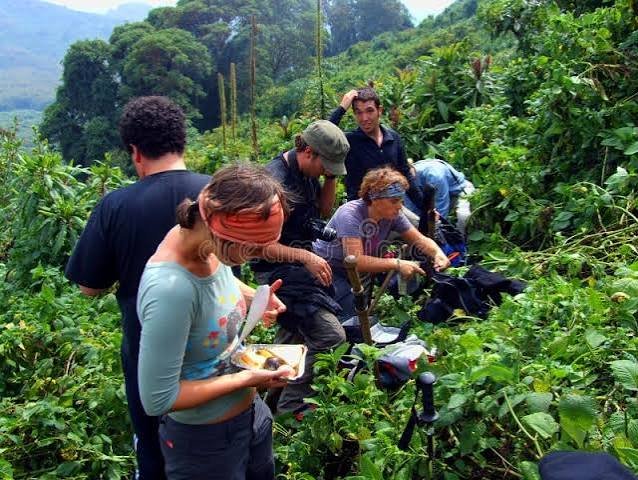
Unlike many wildlife encounters where visitors observe animals from a distance, gorilla trekking offers a deeply personal connection with nature. The experience takes travellers away from traditional safari landscapes and into the heart of some of Africa’s most important forest ecosystems, where endangered mountain gorillas continue to survive.
For travellers planning this adventure, one of the biggest decisions is choosing between Rwanda vs Uganda Gorilla Trekking. Both countries offer exceptional opportunities to encounter mountain gorillas in their natural habitats, and both have played a major role in protecting these incredible animals through decades of conservation efforts.
The decision between Rwanda and Uganda is not about determining which country has better gorillas because the mountain gorillas found in both destinations belong to the same endangered species. The gorillas are part of the wider population living within the Virunga Massif and Bwindi ecosystem, and both countries have contributed significantly to their survival.
The real difference comes from the overall travel experience surrounding the trek. Factors such as accessibility, cost, landscapes, accommodation standards, trekking environment, additional safari opportunities, and the style of adventure each destination provides influence the choice between Rwanda and Uganda.
Rwanda offers a more compact, convenient, and premium gorilla trekking experience centred around Volcanoes National Park. The country has developed a highly organised tourism system where visitors can reach the gorilla habitat easily from Kigali, enjoy excellent accommodation options, and experience one of Africa’s most iconic wildlife encounters within a shorter travel period.
Uganda provides a more diverse and immersive safari journey through Bwindi Impenetrable National Park, a vast ancient rainforest famous for its biodiversity and wilderness atmosphere. Uganda’s gorilla trekking experience is often combined with other wildlife adventures, including chimpanzee tracking, savannah game drives, boat safaris, and cultural experiences, creating a broader African safari journey.
Understanding the differences between Rwanda and Uganda allows travellers to choose the destination that best matches their expectations, budget, available time, physical ability, and preferred style of adventure.
Some travellers dream of a short luxury gorilla experience where comfort and convenience are the priority. Others prefer a longer expedition that combines gorillas with a variety of wildlife experiences. Both Rwanda and Uganda can provide unforgettable experiences, but they offer different ways of experiencing Africa’s mountain gorillas.
The Importance of Choosing Between Rwanda and Uganda for Gorilla Trekking
Choosing between Rwanda and Uganda is an important decision because gorilla trekking is not a typical holiday activity. It is a once-in-a-lifetime wildlife experience that often requires careful planning, advance preparation, and a significant investment.
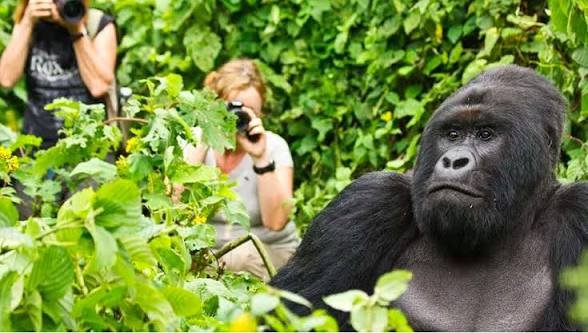
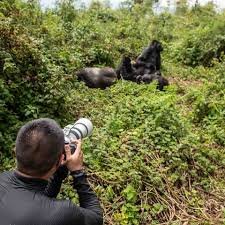
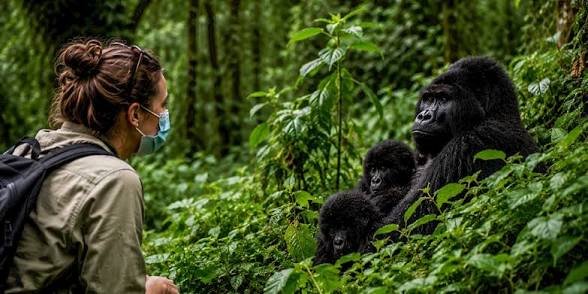
Mountain gorilla trekking involves travelling to remote forest regions, obtaining permits, preparing for a physically demanding activity, and spending time in fragile ecosystems where conservation remains the priority.
The country a traveller chooses influences the entire journey, from the moment of arrival to the final trekking experience. Transportation time, accommodation style, surrounding attractions, and the overall atmosphere of the destination all contribute to the quality of the safari.
Rwanda and Uganda have developed different tourism identities around mountain gorilla conservation.
Rwanda has positioned itself as a premium gorilla trekking destination. The country focuses on high-quality experiences, excellent infrastructure, luxury accommodation, and efficient travel arrangements. This approach attracts travellers who value comfort, convenience, and a well-organised safari experience.
Uganda has maintained a more traditional adventure safari approach. The country offers a deeper wilderness experience where travellers explore diverse landscapes, spend more time on the road, and combine gorilla trekking with other wildlife encounters.
Neither approach is better than the other. They simply provide different experiences for different types of travellers.
The best choice depends on what the traveller wants to experience before, during, and after the gorilla trek.
Rwanda Gorilla Trekking Experience: A Premium Adventure in Volcanoes National Park
Rwanda’s gorilla trekking experience takes place in Volcanoes National Park, one of Africa’s most famous protected areas. Located in the northern part of Rwanda, the park protects the country’s section of the Virunga Mountains, a volcanic landscape covered with high-altitude forests where mountain gorillas live.

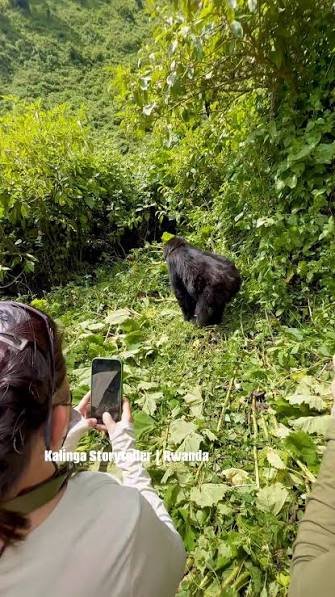

The setting of Volcanoes National Park is one of its greatest attractions. The landscape features dramatic volcanic peaks, mist-covered mountains, bamboo forests, and lush vegetation. The combination of mountain scenery and gorilla encounters creates a truly unique safari environment.
One of Rwanda’s biggest advantages is accessibility. Travellers can arrive at Kigali International Airport and reach the gorilla trekking region within a relatively short drive. This makes Rwanda particularly attractive for visitors who have limited time but still want to experience mountain gorillas.
The shorter travel distance allows travellers to spend more time enjoying the destination rather than spending long hours on transfers. This convenience is especially valuable for luxury travellers, families, business travellers adding gorilla trekking to another trip, and visitors who prefer efficient itineraries.
Rwanda’s gorilla trekking system is also highly organised. Before trekking, visitors receive detailed briefings about conservation guidelines, gorilla behaviour, and responsible tourism practices. Experienced guides and trackers then lead visitors into the forest in search of habituated gorilla families.
The trekking experience itself can vary depending on the location of the gorilla family. Some groups may be found relatively close to the starting point, while others may require longer hikes through challenging terrain.
The reward at the end of the trek is the same: a rare opportunity to spend time observing mountain gorillas in their natural environment.
For many travellers, Rwanda represents the ideal balance between adventure and comfort. The country allows visitors to experience one of the world’s greatest wildlife encounters while maintaining a high level of organisation and service.
Uganda Gorilla Trekking Experience: A True Forest Adventure
Uganda’s gorilla trekking experience takes place mainly in Bwindi Impenetrable National Park, one of the most biologically diverse forests in Africa.
Bwindi offers a completely different atmosphere from Rwanda’s volcanic landscape. Instead of open mountain views and bamboo forests, visitors enter a dense ancient rainforest filled with thick vegetation, towering trees, and incredible biodiversity.
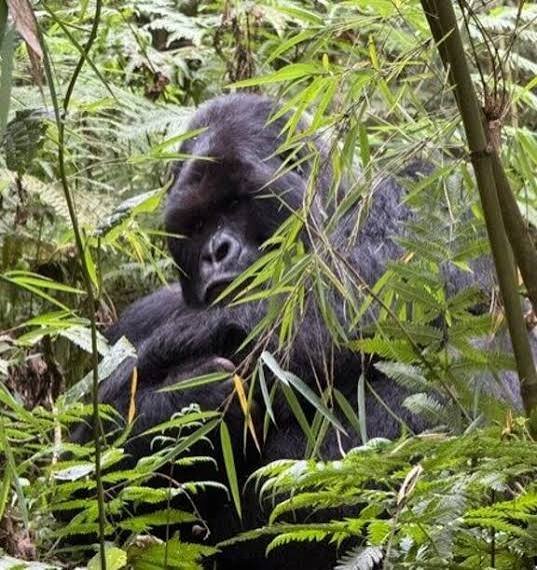


The name “Impenetrable” reflects the character of the forest. The environment feels wild, mysterious, and untouched, creating a strong sense of exploration.
For many travellers, reaching the gorillas through Bwindi’s rainforest trails is part of the adventure itself. The trek is not only about reaching the gorillas but also about experiencing one of Africa’s most important ecosystems.
Uganda provides a more traditional expedition feeling. The journey often involves longer road transfers, changing landscapes, and opportunities to see different parts of the country along the way.
This makes Uganda especially attractive for travellers who want their gorilla experience to be part of a larger safari adventure.
A Uganda gorilla safari can include multiple wildlife environments, from tropical forests to savannah plains and wetlands. Travellers can combine gorilla trekking with chimpanzee experiences, wildlife viewing, bird watching, boat cruises, and cultural activities.
For those who want a complete African adventure rather than only a gorilla-focused trip, Uganda offers incredible diversity.
The experience in Uganda feels more immersive and exploratory, allowing travellers to connect deeply with nature and the wider landscapes of the country.
Comparing the Overall Adventure Style
The biggest difference between Rwanda and Uganda gorilla trekking is the overall style of adventure.
Rwanda offers convenience, efficiency, and premium comfort. The journey is smoother, travel distances are shorter, and the tourism infrastructure is highly developed.
Uganda offers exploration, diversity, and a stronger wilderness feeling. The journey may require more time and preparation, but it rewards travellers with a broader African experience.
A traveller visiting Rwanda may spend fewer days focused specifically on gorillas but enjoy a highly refined experience.
A traveller visiting Uganda may spend more time travelling between destinations but experience a wider variety of landscapes and wildlife.
The choice depends on whether the traveller values convenience or exploration.
For some people, the ideal gorilla safari is reaching the forest quickly, enjoying excellent accommodation, trekking gorillas, and returning comfortably.
For others, the journey itself is part of the adventure, and discovering Uganda’s forests, wildlife, and communities along the way makes the experience even more meaningful.
Both approaches create unforgettable memories. The difference lies in the type of journey surrounding the gorilla encounter.
The Mountain Gorilla Experience in Rwanda and Uganda
The most important thing to understand when comparing Rwanda vs Uganda Gorilla Trekking is that the actual encounter with mountain gorillas is extraordinary in both countries. Regardless of whether travellers choose Rwanda or Uganda, the moment they come face-to-face with a wild mountain gorilla family remains one of the most powerful wildlife experiences available anywhere in the world.
Mountain gorillas are among humanity’s closest living relatives, sharing a remarkable biological connection with humans. Their intelligence, emotional behaviour, family bonds, and social interactions make every encounter deeply meaningful. Watching a silverback calmly observe visitors, seeing mothers caring for their infants, or witnessing young gorillas playing within their family creates an experience that goes far beyond ordinary wildlife viewing.

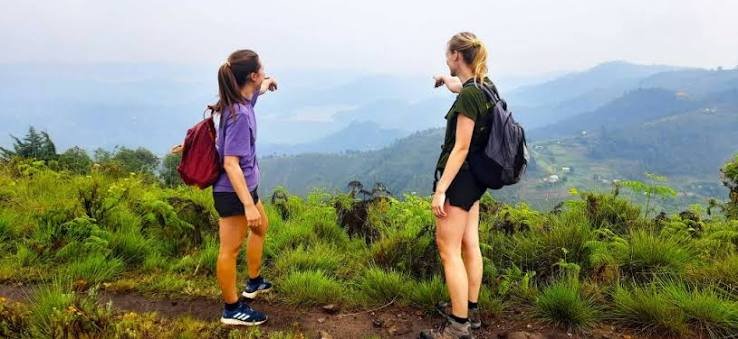

The beauty of gorilla trekking is that visitors are not simply observing animals from a distance. They are entering the natural world of these incredible primates and witnessing their daily lives in the forests where they have survived for thousands of years.
Mountain gorillas do not understand political borders. Their natural environment existed long before modern countries were established, and the forests where they live form one connected ecosystem. The gorillas found in Rwanda and Uganda are part of the same broader conservation story, with both countries playing important roles in protecting this endangered species.
The mountain gorillas of Rwanda live mainly within the Virunga Massif ecosystem, which extends across Rwanda, Uganda, and the Democratic Republic of Congo. Uganda’s gorillas are primarily found within Bwindi Impenetrable National Park and the nearby Mgahinga Gorilla National Park. Together, these protected areas represent some of the last remaining habitats for mountain gorillas on Earth.
The survival of these animals has been possible because of decades of conservation efforts involving governments, researchers, rangers, local communities, and responsible tourism programs. Both Rwanda and Uganda have developed successful systems that allow visitors to experience gorillas while supporting their long-term protection.
In both destinations, gorilla trekking involves entering protected forests with experienced guides and trackers who help visitors locate habituated gorilla families. These families have undergone a careful habituation process, allowing them to tolerate the presence of humans while continuing their natural behaviours.
Habituation does not make gorillas domesticated. They remain wild animals living according to their natural instincts and social structures. Instead, the process allows researchers, conservation teams, and limited visitors to observe them without causing unnecessary disturbance.
The trekking experience begins with preparation before entering the forest. Visitors receive guidance about gorilla behaviour, conservation rules, and how to interact responsibly with the animals. Professional trackers then lead the journey into the forest, following signs left by gorilla families and using their knowledge of the animals’ movements.
The search itself becomes part of the adventure. Walking through rainforest trails, listening to forest sounds, observing birds and vegetation, and gradually moving closer to a gorilla family creates a sense of anticipation that makes the final encounter even more rewarding.
When visitors finally encounter the gorillas, the experience is equally powerful in both countries. Whether standing beneath the volcanic slopes of Rwanda’s Volcanoes National Park or deep inside the ancient rainforest of Uganda’s Bwindi Impenetrable National Park, the experience is about connecting with one of the most remarkable species on the planet.
The gorillas themselves do not know whether they are being observed in Rwanda or Uganda. Their behaviour remains natural because the encounter is based on respect, patience, and careful conservation management.
A silverback may sit quietly while watching visitors, a female may move through vegetation searching for food, or an infant may play around its family members. These natural moments are what make gorilla trekking so special.
The differences between Rwanda and Uganda appear mainly in everything surrounding that unforgettable hour with the gorillas. The forest environment, journey, accommodation, travel style, and overall safari experience create different impressions for travellers.
Rwanda provides easier access, shorter transfers, and a more polished luxury-oriented experience. Uganda provides a deeper wilderness feeling, more extensive safari possibilities, and a lower-cost option for many travellers.
However, these differences do not change the quality of the gorilla encounter itself. Both countries offer opportunities to experience mountain gorillas in their natural habitat, and both contribute significantly to conservation.
The Emotional Connection of Meeting Mountain Gorillas
One of the reasons gorilla trekking is different from many other wildlife experiences is the emotional connection created during the encounter.
Mountain gorillas display behaviours that feel familiar to humans. They care for their young, form strong family relationships, communicate through sounds and gestures, and show curiosity toward their surroundings.
During a gorilla trek, visitors often describe a feeling of connection rather than simply observation. Looking into the eyes of a mountain gorilla creates an awareness of the similarities between humans and these extraordinary animals.
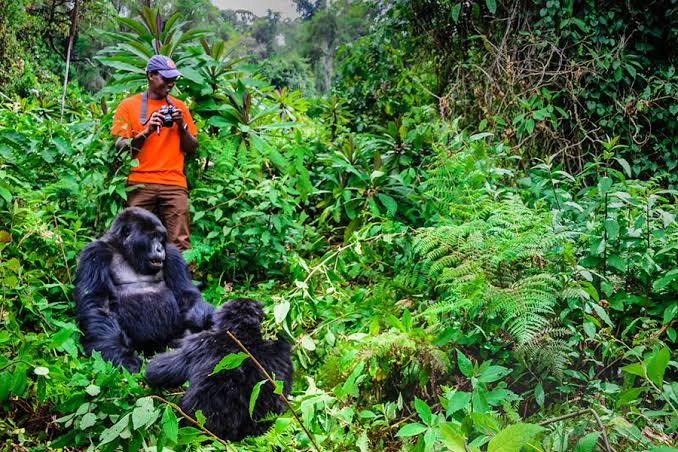
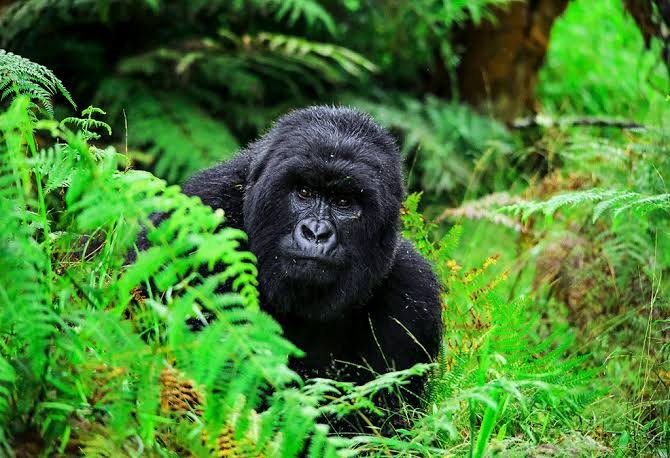
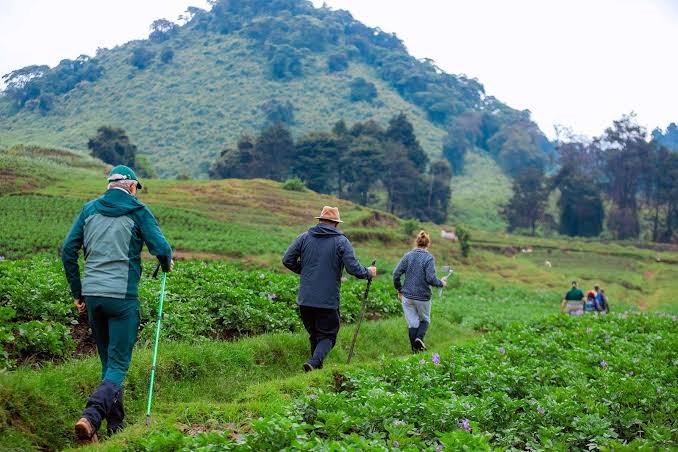
This emotional experience is one reason why gorilla tourism has become such an important conservation tool. People are more likely to protect what they understand and appreciate. After meeting gorillas in the wild, many travellers develop a stronger commitment to wildlife conservation.
The experience transforms mountain gorillas from a distant conservation topic into real individuals with personalities and stories.
A visitor may remember a playful juvenile gorilla, a protective silverback, or a peaceful family resting in the forest. These personal connections create lifelong support for conservation.
The Forest Environment During Gorilla Trekking
Although the gorilla encounter is the highlight, the forest environment plays a major role in shaping the overall experience.
Rwanda’s Volcanoes National Park provides a dramatic volcanic landscape. The forest grows along the slopes of ancient volcanoes, creating an environment of misty mountains, bamboo vegetation, and beautiful high-altitude scenery.
The journey through Rwanda’s forest often feels connected to the volcanic landscape. Visitors may trek through bamboo zones and mountain vegetation while surrounded by views of the Virunga volcanoes.
Uganda’s Bwindi Impenetrable National Park offers a different atmosphere. The forest is older, denser, and more enclosed. Towering trees, thick vegetation, and rainforest sounds create the feeling of entering a completely wild environment.
The difference in landscapes creates two unique experiences. Rwanda provides dramatic mountain scenery, while Uganda provides an immersive rainforest adventure.
For some travellers, the volcanic setting of Rwanda creates the perfect backdrop for gorilla trekking. For others, the ancient rainforest atmosphere of Uganda makes the journey feel more adventurous.
The Role of Guides and Trackers in the Gorilla Experience
Guides and trackers play a crucial role in creating a successful gorilla trekking experience in both Rwanda and Uganda.
These professionals possess years of knowledge about gorilla behaviour, forest conditions, and the movements of individual families. Their experience allows visitors to have meaningful encounters while ensuring that conservation guidelines are respected.
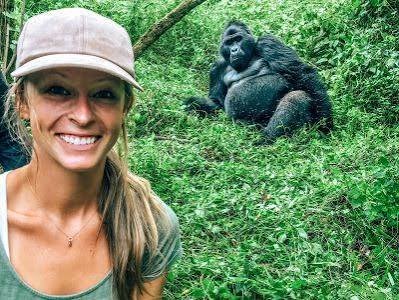
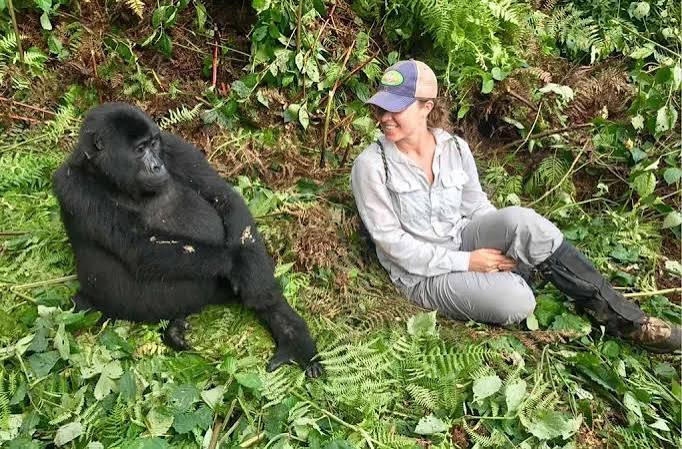
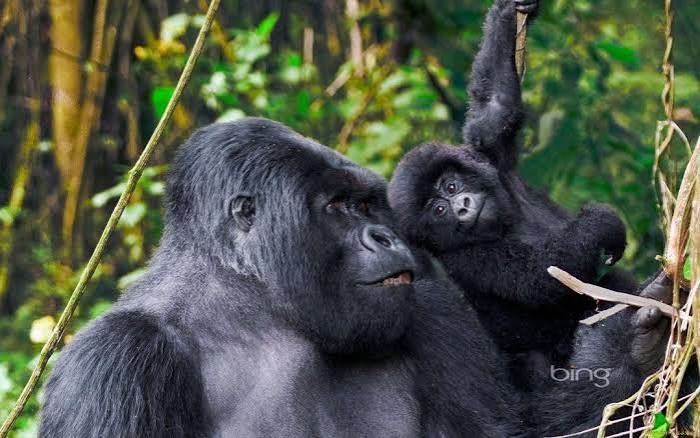
Trackers usually enter the forest before visitors to locate gorilla families. They follow signs such as footprints, feeding areas, nesting sites, and other clues left by the animals.
Their work requires patience and dedication because gorillas move naturally through the forest and cannot be controlled or predicted completely.
Guides also help visitors understand what they are seeing. They explain gorilla behaviours, introduce family histories, and provide information about conservation efforts.
Without their knowledge, the encounter would not have the same depth and meaning.
Rwanda and Uganda: Different Journeys, Same Conservation Goal
Although Rwanda and Uganda offer different travel experiences, both countries share the same important goal: protecting mountain gorillas for future generations.
Both destinations understand that tourism must be carefully managed to ensure that visitors support rather than harm conservation efforts.
The limited number of visitors allowed to interact with gorillas helps reduce stress on the animals and protects their natural behaviour.
Tourism revenue supports conservation activities, including ranger operations, research programs, habitat protection, and community initiatives.
This means that travellers choosing either Rwanda or Uganda are contributing to a larger conservation story.
The decision between Rwanda and Uganda should therefore focus on personal preferences rather than comparing one country as a winner over the other.
The most important question is not where the gorillas are better, but which journey matches the traveller’s expectations.
Rwanda is ideal for those seeking convenience, luxury, and a shorter but highly organised gorilla experience.
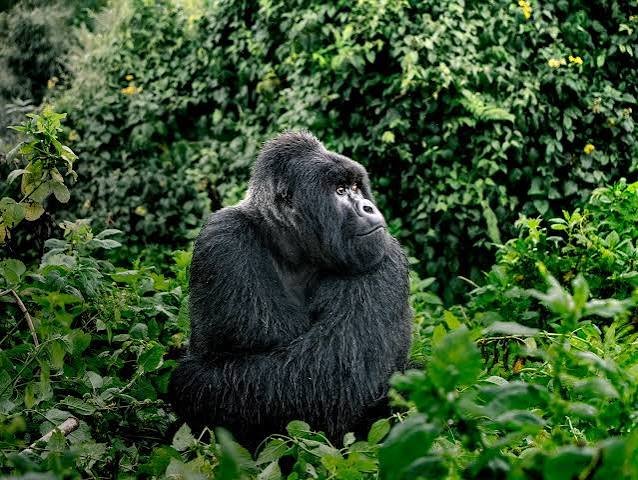
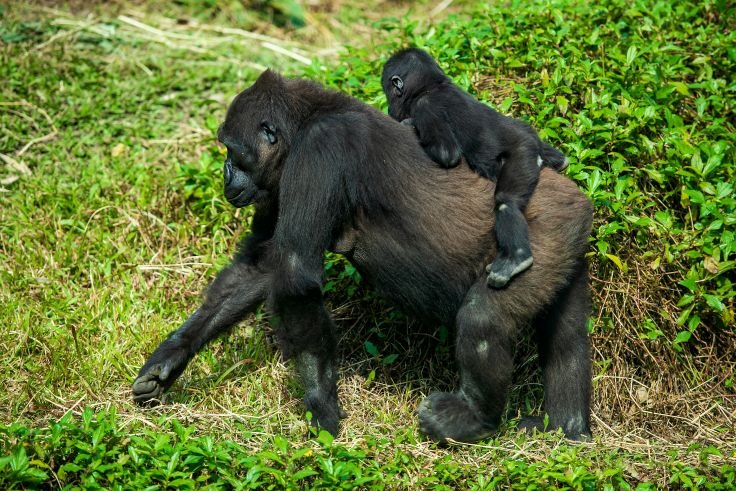
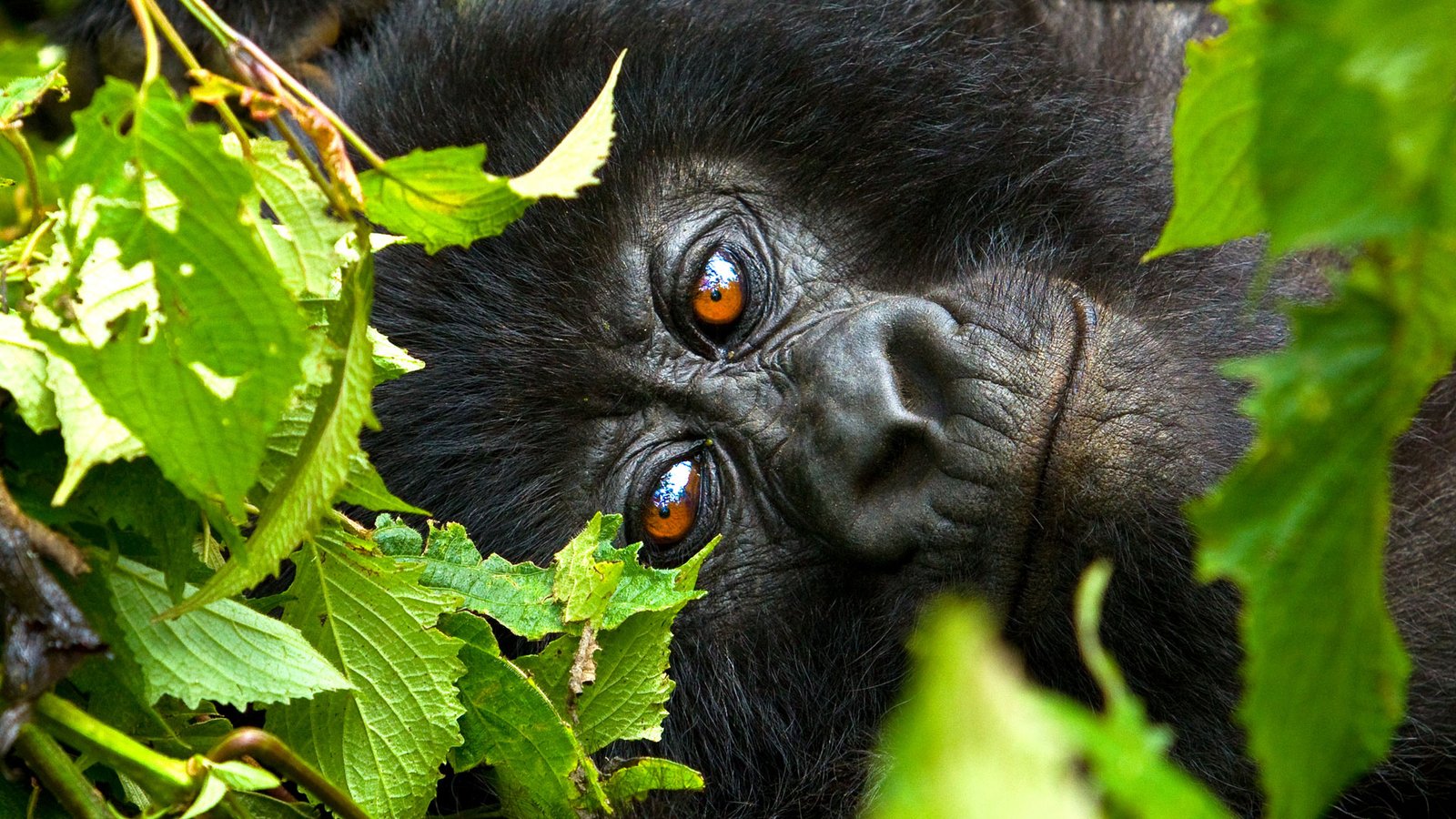
Uganda is ideal for those seeking adventure, diversity, and a broader African safari journey.
In both countries, the mountain gorilla encounter remains the unforgettable centre of the experience. The forests may look different, the journeys may vary, and the tourism styles may differ, but the moment of standing near a wild mountain gorilla family remains equally extraordinary.
Gorilla Trekking in Rwanda: The Volcanoes National Park Experience
Rwanda’s gorilla trekking experience takes place in Volcanoes National Park, located in the northern part of the country near the borders of Uganda and the Democratic Republic of Congo. The park is one of Africa’s most famous protected areas and represents one of the most important places on Earth for the survival of mountain gorillas.
The journey to encounter Rwanda’s mountain gorillas begins in a landscape unlike anywhere else in Africa. Volcanoes National Park is dominated by a chain of ancient volcanoes that rise dramatically above the surrounding countryside. These mountains form part of the Virunga Massif, a unique ecosystem shared between Rwanda, Uganda, and the Democratic Republic of Congo.
The Virunga Massif is covered with high-altitude forests, bamboo zones, and dense vegetation that provide an ideal habitat for mountain gorillas. These forests provide food, shelter, and protection for gorilla families that have lived within the region for generations.
The dramatic scenery of Volcanoes National Park is one of the reasons Rwanda has become such a popular gorilla trekking destination. The combination of volcanic mountains, mist-covered slopes, green forests, and the possibility of encountering wild gorillas creates an experience that feels both adventurous and deeply connected to nature.
Unlike traditional wildlife safaris where visitors often watch animals from vehicles across open plains, gorilla trekking in Rwanda requires entering the forest on foot. The journey itself becomes part of the adventure as travellers move through different vegetation zones while searching for gorilla families.
The forest environment changes as visitors climb higher into the mountains. Bamboo forests, thick vegetation, and mountain landscapes create a unique trekking atmosphere. The sounds of birds, rustling leaves, and the natural environment surrounding visitors create a sense of entering a completely different world.
One of Rwanda’s greatest advantages in the Rwanda vs Uganda Gorilla Trekking comparison is accessibility. Travellers can arrive at Kigali International Airport and reach the gorilla trekking region in a relatively short period compared with many other African wildlife destinations.
The distance between Kigali and Volcanoes National Park makes Rwanda one of the most convenient destinations for mountain gorilla trekking. Visitors do not need to spend several days travelling before reaching the forest, allowing them to maximise their time experiencing the destination.
This accessibility has made Rwanda especially attractive for travellers with limited time. Visitors who may only have a few days available can still experience one of Africa’s greatest wildlife encounters without requiring a long and complicated travel schedule.
For luxury travellers, this convenience is particularly valuable. A shorter transfer allows guests to spend more time relaxing at their lodge, enjoying the surroundings, and preparing for the gorilla trekking experience.
Rwanda’s accessibility has also made it popular among travellers combining gorilla trekking with other international trips. Business travellers, honeymooners, and visitors already exploring East Africa can easily include a gorilla experience without significantly extending their travel plans.
The short journey from Kigali to Volcanoes National Park creates a smoother travel experience. Instead of spending many hours on long road transfers, visitors can quickly transition from the city environment into the peaceful mountain landscapes of northern Rwanda.
The trekking environment in Volcanoes National Park is one of the most unique aspects of the experience. The park’s volcanic terrain creates a distinctive setting where visitors walk through forests growing on the slopes of ancient mountains.
The vegetation found in the park provides an important habitat for mountain gorillas. Bamboo forests are particularly significant because bamboo shoots form an important part of the gorillas’ diet during certain seasons.
As visitors move through the forest, they experience the same environment that supports gorilla families every day. The trek is not only about reaching the animals but also about understanding the ecosystem that allows them to survive.
The search for gorillas is guided by experienced trackers who understand the movements and behaviours of different families. These trackers follow signs left by gorillas, including feeding areas, nesting locations, and trails created as the animals move through the forest.
Every gorilla family has its own characteristics and history. Some families are known for large groups with many members, while others may be smaller and more focused around a dominant silverback.
Meeting these families provides visitors with a deeper understanding of mountain gorilla society. The experience reveals the strong relationships that exist between family members and shows the intelligence and emotional complexity of these animals.
The encounter with gorillas in Volcanoes National Park is carefully managed to protect both visitors and wildlife. Conservation rules ensure that tourism remains sustainable and that gorilla families are not negatively affected by human presence.
The experience has a strong connection with Rwanda’s conservation history. The country has invested significantly in protecting mountain gorillas through scientific research, ranger protection, habitat conservation, community involvement, and carefully managed tourism.
Rwanda’s approach demonstrates that wildlife tourism can become a powerful conservation tool when managed responsibly. Instead of seeing tourism as a threat to endangered animals, Rwanda has developed a system where visitors contribute directly to their protection.
The funds generated through gorilla tourism support conservation activities that help maintain the safety of mountain gorillas and their habitat. These efforts include monitoring gorilla families, supporting rangers, conducting research, and working with communities surrounding the park.
The conservation success of Rwanda’s mountain gorillas is the result of decades of commitment. The country’s approach combines wildlife protection with sustainable tourism, creating a model that has gained international recognition.
Gorilla trekking in Volcanoes National Park is therefore more than a wildlife activity. It is an opportunity to participate in a conservation story that has helped protect one of the world’s most endangered species.
Visitors who trek with Rwanda’s mountain gorillas become part of this story. Their presence supports the systems that allow conservation programs to continue and helps create awareness about the importance of protecting endangered wildlife.
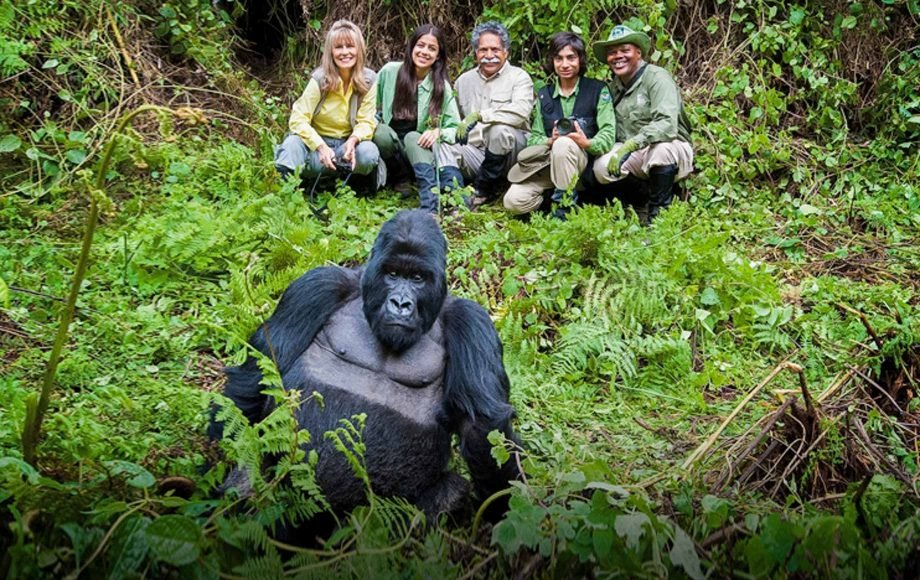
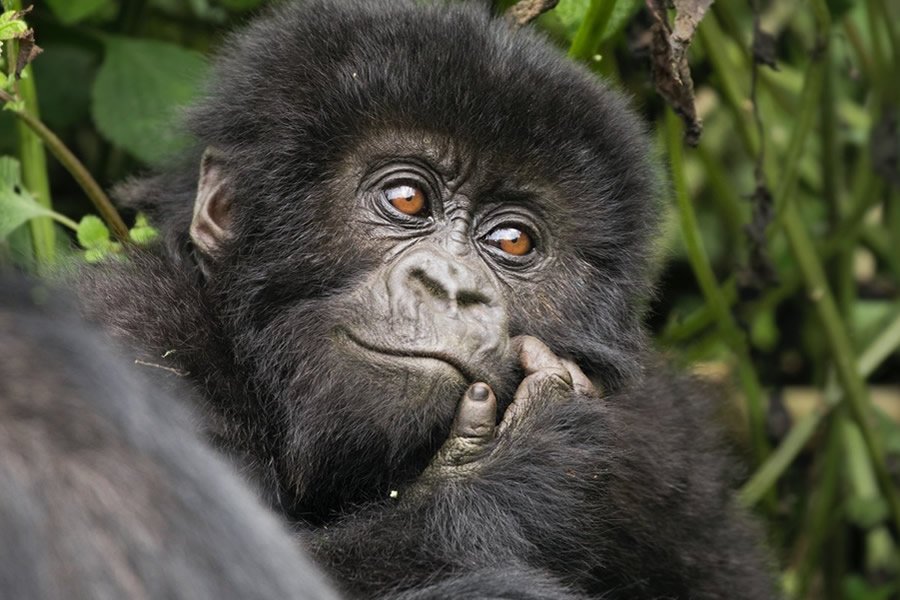

Another important feature of Rwanda’s gorilla trekking experience is the quality of organisation. The country has developed a structured system where visitors receive detailed information before entering the forest, ensuring that every encounter follows conservation principles.
Professional guides and trackers play a major role in creating meaningful experiences. Their knowledge of gorilla families, forest ecology, and conservation history allows visitors to understand the significance of what they are witnessing.
For many travellers, the experience begins before they even see the gorillas. The journey through Volcanoes National Park provides opportunities to appreciate Rwanda’s natural beauty, learn about conservation efforts, and understand the importance of protecting these forests.
The combination of accessibility, dramatic landscapes, conservation success, and exceptional wildlife encounters makes Rwanda one of the world’s leading gorilla trekking destinations.
For travellers comparing Rwanda and Uganda, Volcanoes National Park offers a premium and convenient gorilla experience where the focus is on comfort, organisation, and a powerful connection with mountain gorillas.
The experience represents more than a journey into the forest. It represents an opportunity to witness the results of decades of conservation work and to contribute to the continued survival of mountain gorillas for future generations.
Gorilla Trekking in Uganda: The Bwindi Impenetrable Forest Experience
Uganda’s gorilla trekking experience takes place mainly in Bwindi Impenetrable National Park, one of Africa’s most remarkable rainforest ecosystems and one of the most important habitats for mountain gorillas in the world.
Located in southwestern Uganda, Bwindi is an ancient rainforest believed to have survived for thousands of years. The forest covers a mountainous landscape filled with thick vegetation, deep valleys, mist-covered hills, and incredible biodiversity. Unlike the volcanic scenery of Rwanda’s Volcanoes National Park, Bwindi offers a completely different atmosphere where the focus is on exploring a true tropical wilderness.
The experience of trekking through Bwindi is often described as an adventure into one of Africa’s last great forests. The forest feels untouched and mysterious, with towering trees, dense undergrowth, colourful bird species, butterflies, and countless plant species surrounding visitors as they search for mountain gorilla families.
The name “Impenetrable” reflects the character of the forest itself. Bwindi is not an open woodland where visitors can easily see long distances. Instead, it is a dense rainforest where vegetation creates a natural maze of trees, vines, and plants. This environment provides the perfect habitat for mountain gorillas because it offers abundant food sources, shelter, and protection.
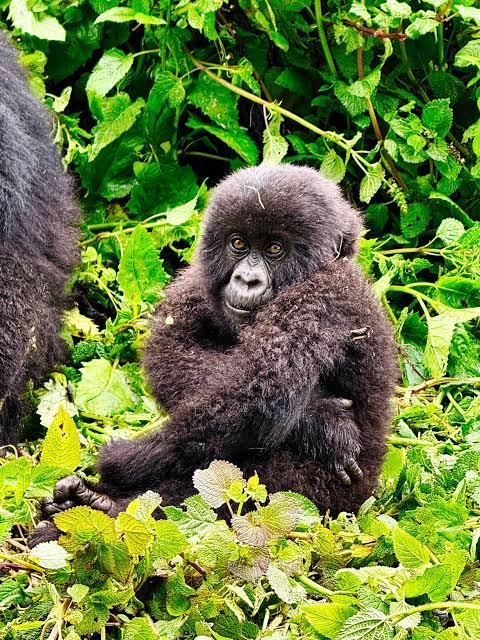
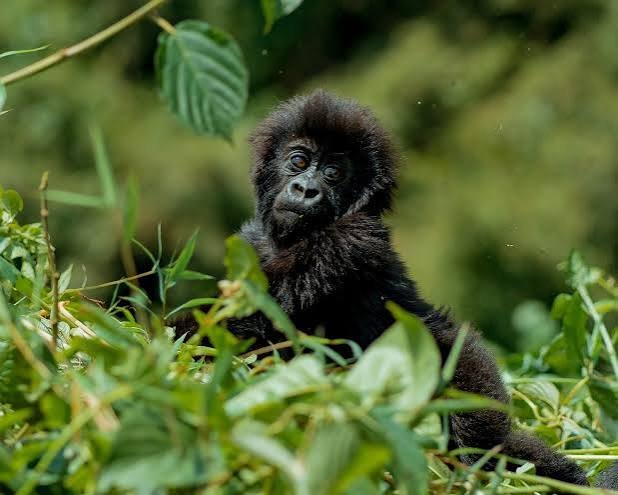
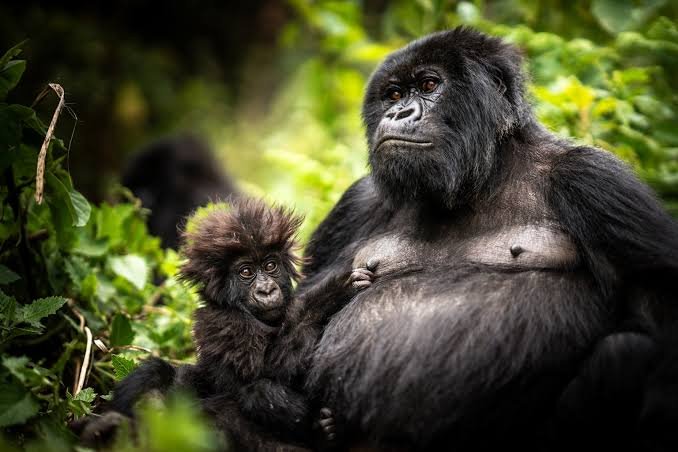
For travellers comparing Rwanda vs Uganda Gorilla Trekking, the Bwindi experience provides a stronger feeling of exploration and wilderness. The journey through the forest is not simply a transfer to where gorillas live; it becomes an important part of the adventure itself.
Visitors trek through thick vegetation, steep hills, muddy trails, and rainforest paths while searching for gorilla families that move naturally through the forest. The terrain can be challenging, but many travellers consider the physical effort part of what makes Uganda’s gorilla trekking experience so rewarding.
The difficulty of the trek can vary depending on where the gorilla family is located on a particular day. Some groups may be found closer to the starting point, while others may require several hours of hiking through challenging terrain.
Experienced trackers and guides play an essential role during the trek. They use their knowledge of gorilla behaviour and forest conditions to locate families and guide visitors safely through the rainforest.
The trackers often enter the forest earlier than visitors to locate the gorillas and follow their movements. They understand signs left by gorillas, including feeding areas, broken vegetation, nesting sites, and trails created as the animals move through the forest.
This knowledge is developed over many years of working with gorilla families. Many trackers know individual gorillas by appearance and understand the history and behaviour of different groups.
When visitors finally encounter the gorillas, the challenging journey becomes completely worthwhile. The experience of seeing a silverback resting among the vegetation, watching females care for infants, or observing juveniles playing within the family creates a powerful connection with nature.
The dense rainforest setting adds another dimension to the encounter. Unlike the volcanic landscapes of Rwanda, where mountain views often form part of the experience, Uganda’s gorilla trekking is about discovering gorillas within an ancient forest environment.
The atmosphere feels more intimate because visitors are surrounded by the rainforest ecosystem that has supported these animals for generations.
Bwindi’s Gorilla Trekking Sectors and Different Experiences
One of Uganda’s advantages for gorilla trekking is the variety of trekking sectors available within Bwindi Impenetrable National Park.
Bwindi is divided into different sectors, including Buhoma, Ruhija, Rushaga, and Nkuringo. Each sector offers a unique trekking experience, landscape, accommodation options, and access routes.
The availability of different sectors provides flexibility for travellers and safari planners. The best sector depends on factors such as the traveller’s itinerary, accommodation preference, fitness level, and other destinations included in the safari.
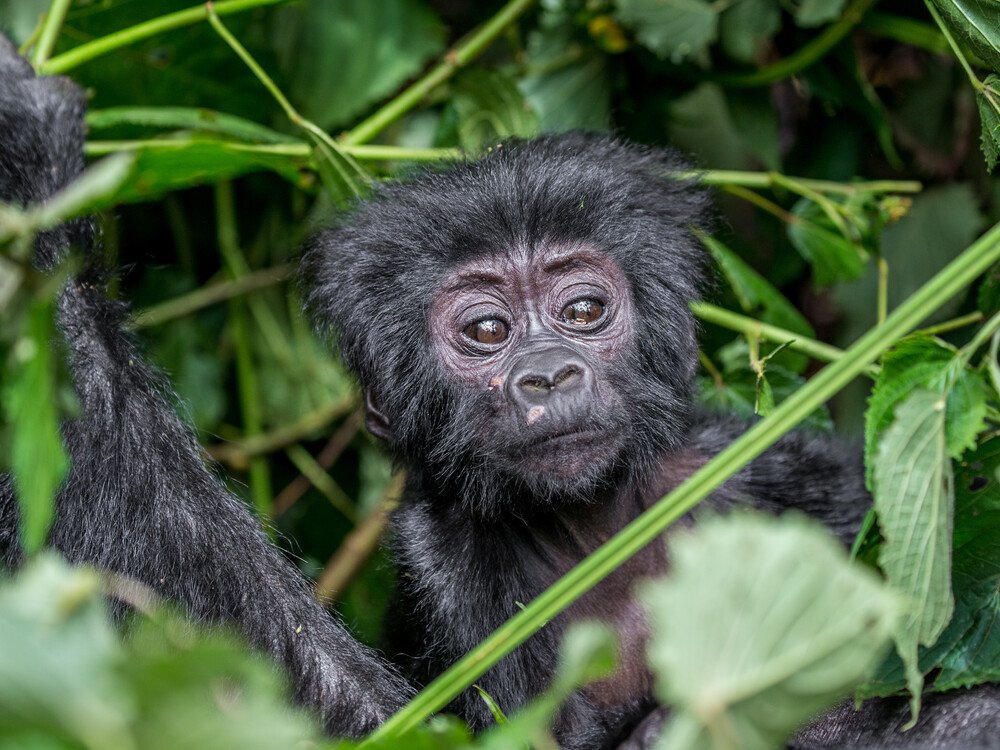
Buhoma is one of the most famous sectors and has a long history of gorilla tourism. It was one of the first areas developed for gorilla trekking and remains popular because of its beautiful forest environment and excellent access.
The sector provides a classic Bwindi experience where visitors trek through lush rainforest while searching for habituated gorilla families.
Ruhija is located in the eastern part of Bwindi and is known for its beautiful landscapes and rich biodiversity. The area often appeals to travellers who enjoy quieter trekking experiences and a strong connection with nature.
Rushaga, located in the southern part of Bwindi, has become especially popular because it offers access to several gorilla families and is also the main area associated with the gorilla habituation experience in Uganda.
Nkuringo provides a dramatic mountain trekking experience with beautiful views across the surrounding landscapes. The terrain can be challenging, but many visitors appreciate the adventure and scenery associated with this sector.
The variety of sectors allows Uganda to offer different styles of gorilla trekking. Some travellers prefer easier access and comfortable accommodation, while others seek a more remote and adventurous forest experience.
This flexibility is one of Uganda’s strongest advantages when comparing it with Rwanda.
Uganda’s Gorilla Trekking as a Complete Safari Experience
Another major advantage of Uganda’s gorilla trekking experience is the ability to combine it with a wider range of wildlife adventures.
While Rwanda offers excellent additional experiences, Uganda provides one of Africa’s most diverse safari journeys. Travellers can combine gorilla trekking with chimpanzee tracking, big game viewing, bird watching, cultural experiences, and scenic landscapes.
This makes Uganda particularly attractive for travellers who want more than a short gorilla-focused trip.
Many Uganda safaris combine Bwindi with Kibale Forest National Park, one of the world’s best destinations for chimpanzee trekking. Visitors can experience two incredible primate encounters within the same journey, observing both mountain gorillas and chimpanzees in their natural habitats.
The combination of gorillas and chimpanzees creates a deeper understanding of Africa’s primates and allows travellers to explore different forest ecosystems.
Uganda also offers opportunities for traditional wildlife safaris. Queen Elizabeth National Park is one of the country’s most famous safari destinations and provides opportunities to see elephants, lions, buffaloes, hippos, leopards, and many other wildlife species.
The Kazinga Channel boat safari is another highlight, offering visitors the chance to observe hippos, birds, elephants, and other animals gathering along the water.
For travellers interested in unique wildlife experiences, Uganda offers some of the greatest diversity in East Africa.
A longer Uganda itinerary can combine forests, savannahs, lakes, rivers, and mountains, creating a complete African adventure.
This is one reason Uganda is especially popular among travellers who have more time available and want to experience multiple aspects of the continent.
The Adventure Feeling of Gorilla Trekking in Uganda
One of the defining characteristics of Uganda’s gorilla trekking experience is the feeling of adventure.
The journey to Bwindi often involves travelling through changing landscapes, rural communities, rolling hills, and scenic countryside before reaching the forest.
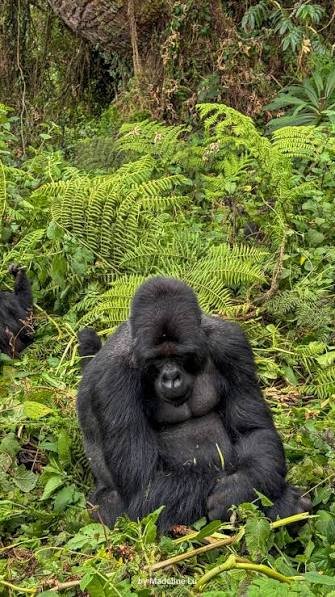
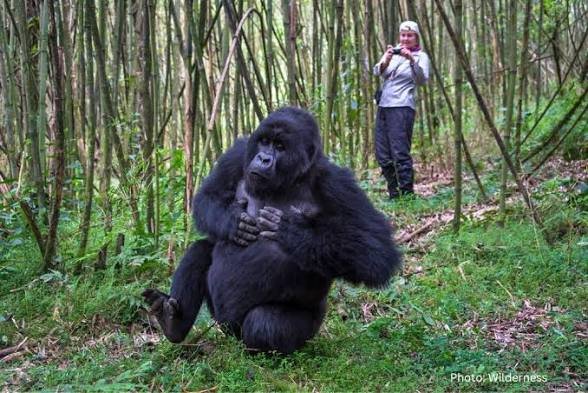
For many travellers, this journey creates a stronger connection with Uganda because they experience more of the country beyond the national park.
The road journey itself becomes part of the safari story. Visitors see local life, agricultural landscapes, mountain scenery, and communities that surround the protected areas.
This creates a deeper understanding of the relationship between people, nature, and conservation.
The challenge of trekking through Bwindi also adds to the sense of achievement. Reaching a gorilla family after hiking through dense rainforest creates a feeling of discovery that many travellers find unforgettable.
The experience feels less like a traditional wildlife viewing activity and more like a true expedition into the natural world.
Conservation and Community Connection in Uganda
Uganda’s gorilla trekking experience is deeply connected to conservation and community development.
The protection of mountain gorillas in Bwindi has depended on decades of conservation efforts involving rangers, researchers, local communities, and responsible tourism.
Gorilla tourism provides important financial support for protecting the forest and maintaining conservation programs. Revenue generated through trekking contributes to ranger operations, research, habitat protection, and community initiatives.
The communities surrounding Bwindi play an important role in conservation. Tourism creates employment opportunities through guiding, accommodation, transport, cultural experiences, and other services.
This connection between tourism and local benefits helps strengthen support for protecting mountain gorillas and their forest habitat.
Visitors trekking in Uganda therefore contribute not only to their own experience but also to the wider conservation system that protects these endangered animals.
Uganda Gorilla Trekking for Travellers Seeking Authentic Wilderness
For travellers seeking a deeper wilderness experience, Uganda offers something very special.
The combination of ancient forests, challenging trekking conditions, diverse wildlife, and cultural experiences creates a safari that feels authentic and immersive.
Uganda’s gorilla trekking is ideal for travellers who enjoy exploration and want the journey itself to be part of the adventure.
The experience requires more time and planning compared with Rwanda, but the reward is a broader connection with Uganda’s landscapes and wildlife.
The opportunity to combine gorilla trekking with chimpanzees, game drives, and other activities makes Uganda particularly attractive for travellers looking for a complete African safari.
When comparing Rwanda vs Uganda Gorilla Trekking, Uganda stands out for its wilderness character, biodiversity, and the ability to create longer, more diverse safari experiences.
The gorilla encounter itself remains equally unforgettable in both countries, but Uganda surrounds that moment with a deeper journey through forests, wildlife habitats, and some of Africa’s most beautiful landscapes.
Cost Difference Between Rwanda and Uganda Gorilla Trekking
One of the biggest differences when comparing Rwanda vs Uganda Gorilla Trekking is the overall cost of the experience, especially the price of gorilla trekking permits. Since the gorilla permit is usually the largest single expense in a gorilla safari, the difference in permit prices between the two countries can have a major impact on the total budget of a trip.
Rwanda and Uganda both offer world-class mountain gorilla experiences, but they follow different tourism models. Rwanda has positioned gorilla trekking as a premium conservation experience, while Uganda has developed a more affordable approach that allows more travellers to experience mountain gorillas while still supporting conservation efforts.
Rwanda’s gorilla permit is among the most expensive wildlife permits in Africa. The higher cost reflects the country’s high-value, low-volume tourism strategy, where a limited number of visitors contribute significant financial support toward conservation, park management, and tourism development.
This approach allows Rwanda to maintain a carefully controlled gorilla trekking system designed to protect the animals while providing visitors with a highly organised experience.
The premium pricing strategy has also influenced the type of tourism infrastructure that has developed around Volcanoes National Park. Rwanda has attracted some of Africa’s most exclusive safari lodges, offering luxury accommodation, personalised services, fine dining experiences, and a high level of comfort.
For travellers seeking a luxury gorilla holiday, Rwanda’s higher permit cost can be viewed as part of a complete premium experience rather than simply an additional expense.
Many visitors choosing Rwanda are not only paying for the opportunity to see mountain gorillas but also for the convenience, accessibility, and overall quality of the journey.
The short distance between Kigali and Volcanoes National Park adds significant value, especially for travellers who have limited time. Instead of spending several days travelling between destinations, visitors can quickly reach the gorilla trekking region and focus more time on the actual experience.
This makes Rwanda particularly attractive for luxury travellers, honeymooners, business travellers, and visitors who want a short but exceptional wildlife adventure.
Uganda’s gorilla permit is more affordable, making it one of the most attractive options for travellers who want to experience mountain gorillas while managing their overall safari budget.
The lower permit cost allows travellers to allocate their budget differently. Instead of spending more on the permit alone, visitors can extend their safari duration, upgrade accommodation, include additional destinations, or add more wildlife activities.
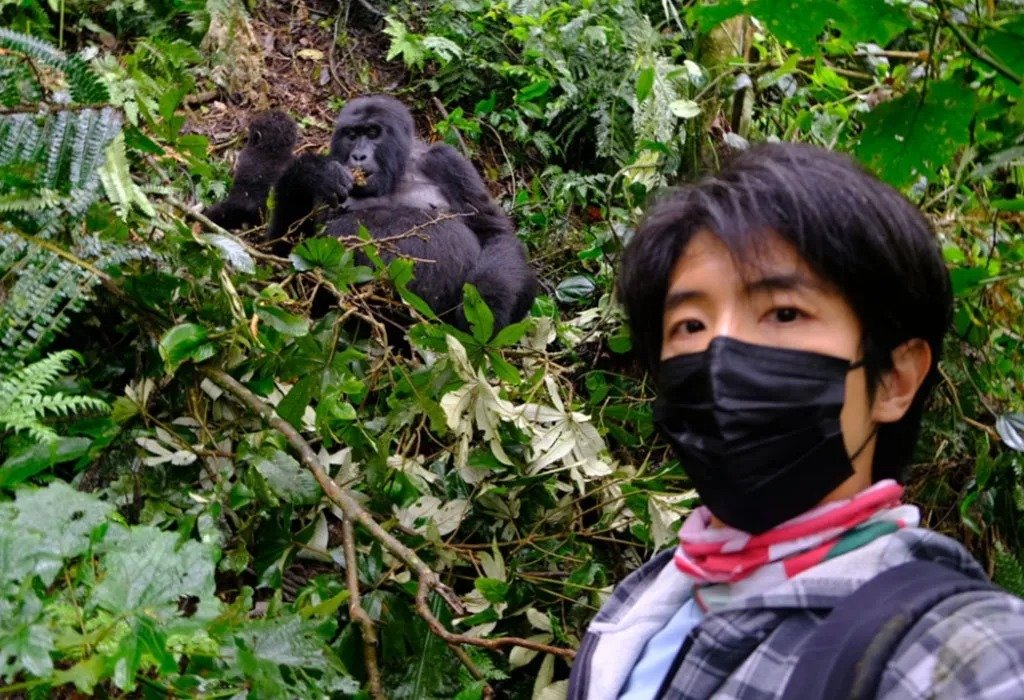
For many travellers, the savings provided by Uganda’s lower permit price create opportunities to experience more of East Africa.
A visitor who chooses Uganda may combine gorilla trekking with chimpanzee trekking in Kibale Forest, game drives in Queen Elizabeth National Park, boat safaris, bird watching, and cultural experiences without increasing the overall budget significantly.
This makes Uganda especially appealing for travellers who want a complete safari experience rather than only a short gorilla encounter.
The cost difference becomes even more important for couples, families, and groups travelling together. When multiple gorilla permits are required, the difference between Rwanda and Uganda can become a significant part of the overall safari cost.
For families or larger groups, choosing Uganda can create additional flexibility by reducing the permit expenses and allowing more investment into accommodation, transport, and other experiences.
However, cost should not be the only factor considered when choosing between Rwanda and Uganda. A cheaper permit does not automatically mean a better experience, and a higher permit price does not necessarily guarantee a more memorable gorilla encounter.
The actual meeting with mountain gorillas is extraordinary in both countries. The difference lies in the journey surrounding the trek, including accessibility, accommodation, travel time, and additional activities.
Rwanda’s higher permit cost supports a premium experience where convenience and comfort are major advantages.
Uganda’s lower permit cost supports a more affordable and adventurous safari where travellers can explore a wider range of landscapes and wildlife destinations.
The best choice depends on what type of experience a traveller values most.
A traveller who wants a short, smooth, and luxury-focused gorilla safari may find Rwanda worth the additional investment. The convenience of reaching Volcanoes National Park quickly, staying in high-quality lodges, and enjoying a carefully organised experience can justify the higher cost.
A traveller who wants a longer African adventure with more wildlife experiences may find Uganda offers exceptional value. The ability to combine gorillas with chimpanzees, savannah wildlife, and cultural experiences creates a richer journey.
The cost difference between Rwanda and Uganda also reflects different conservation approaches. Both countries use tourism revenue to support mountain gorilla protection, including ranger operations, research, habitat conservation, and community programs.
By purchasing a gorilla permit in either country, travellers contribute directly to conservation efforts that help protect one of the world’s most endangered species.
This means that the permit is not simply an entry ticket to see gorillas. It represents a contribution toward maintaining the systems that allow these animals to survive.
The financial investment supports the people and programs responsible for protecting gorilla populations. Rangers monitor gorilla families, researchers study their behaviour and health, and conservation teams work to protect their forest habitats.
Therefore, when comparing Rwanda vs Uganda Gorilla Trekking based on cost, travellers should consider the complete value of the experience rather than focusing only on the permit price.
Rwanda offers a premium, convenient, and highly organised gorilla trekking experience where the additional cost supports a luxury-oriented safari model.
Uganda offers a more budget-friendly option with the opportunity to create a longer and more diverse African adventure.
Both destinations provide incredible value because both offer something extremely rare: the opportunity to enter the natural habitat of mountain gorillas and witness these magnificent animals in the wild.
Ultimately, the right choice depends on the traveller’s priorities. Those seeking convenience, exclusivity, and a premium experience may prefer Rwanda, while those seeking affordability, adventure, and a broader safari journey may prefer Uganda. In both cases, the experience remains one of the most unforgettable wildlife encounters on Earth.
Accessibility and Travel Convenience
Accessibility is one of the strongest advantages when comparing Rwanda vs Uganda Gorilla Trekking. While both countries offer exceptional mountain gorilla experiences, the ease of reaching the gorilla trekking destinations can significantly influence the overall safari experience, especially for travellers with limited time or those looking for a smoother journey.
Rwanda’s compact geography gives it a major advantage in terms of travel convenience. The country is relatively small, and the journey from Kigali, the capital city and main international arrival point, to Volcanoes National Park is much shorter compared with many other gorilla trekking destinations in the region.
After arriving at Kigali International Airport, travellers can quickly transition from the city environment to the mountain landscapes of northern Rwanda. The road journey to Volcanoes National Park takes only a few hours, allowing visitors to reach their lodge, relax, and prepare for their gorilla trekking adventure without spending an entire day travelling.
This shorter transfer time is one of the reasons Rwanda has become highly popular among travellers who have limited holiday time. Visitors with only three or four days available can still enjoy a complete gorilla trekking experience without feeling rushed.
For example, a short gorilla safari in Rwanda can include arrival in Kigali, transfer to Volcanoes National Park, gorilla trekking, and return to Kigali within a few days. This efficiency makes Rwanda particularly suitable for travellers combining gorilla trekking with business trips, regional travel, or other international destinations.
The convenience of Rwanda is also attractive for luxury travellers. A shorter transfer means less time on the road and more time enjoying premium accommodation, relaxing before the trek, and experiencing the surrounding landscapes.
Many luxury travellers value comfort and efficiency because they want to maximise their holiday experience. Rwanda’s accessibility allows them to enjoy one of Africa’s greatest wildlife encounters without sacrificing time or comfort.
The infrastructure surrounding Volcanoes National Park also supports this convenient travel experience. Rwanda has invested heavily in tourism development, including road networks, visitor services, and organised safari operations that make travel between destinations smooth and reliable.
This creates a seamless experience from arrival to departure.
Uganda provides a different type of travel experience. The journey to Bwindi Impenetrable National Park usually requires more planning because the park is located farther from Uganda’s main international entry point, Entebbe International Airport.
The transfer from Entebbe or Kampala to Bwindi can take a significant amount of time, often requiring a full day of travel depending on the route and trekking sector chosen.
However, the longer journey is not necessarily a disadvantage. For many travellers, the road trip through Uganda is an important part of the adventure.
The journey allows visitors to experience more of the country’s landscapes, communities, and natural beauty. Travellers pass through changing environments, including countryside areas, rolling hills, agricultural landscapes, and different ecosystems.
Unlike Rwanda, where visitors can reach the gorilla trekking region quickly, Uganda allows the journey itself to become part of the safari story.
For travellers who enjoy exploration and discovering a destination beyond the main attraction, Uganda’s longer travel distances can create a deeper connection with the country.
The road journey provides opportunities to stop along the way, experience local communities, enjoy scenic viewpoints, and combine gorilla trekking with other wildlife destinations.
Uganda’s longer routes also make it easier to create extended safari experiences. Many travellers combine Bwindi with destinations such as Kibale Forest National Park for chimpanzee trekking, Queen Elizabeth National Park for wildlife viewing, and other areas that showcase Uganda’s incredible diversity.
This means that although reaching the gorillas may require more time, the journey often provides additional rewards.
The difference between Rwanda and Uganda is therefore not simply about which country is easier to reach. It is about the type of travel experience a visitor wants.
Rwanda is ideal for travellers who value efficiency, shorter transfers, and a smooth luxury-oriented journey. The country allows visitors to focus primarily on the gorilla experience without spending many hours travelling.
Uganda is ideal for travellers who enjoy adventure, longer journeys, and exploring a wider range of landscapes. The travel time becomes part of the experience rather than something to avoid.
For families, accessibility can be an important consideration. Travelling with children or older family members may make Rwanda more attractive because of shorter transfer times and easier logistics.
A shorter journey reduces travel fatigue and allows more time for relaxation before the gorilla trek.
However, families who enjoy adventure and have more time available may appreciate Uganda’s broader safari opportunities. The chance to combine gorillas with other wildlife experiences can create an unforgettable family adventure.
For honeymooners and couples, Rwanda’s accessibility can also be a major advantage. A couple can combine a luxury lodge experience with gorilla trekking without spending significant time moving between destinations.
The shorter travel distances allow more time for enjoying romantic accommodation, scenic landscapes, and private experiences.
Uganda, on the other hand, appeals to couples looking for a more adventurous honeymoon journey. Exploring forests, wildlife parks, and different regions of the country creates a deeper sense of discovery.
Accessibility also affects the overall cost of a safari. Shorter transfers in Rwanda can reduce transportation time and make shorter itineraries possible.
Uganda’s longer distances may increase transport costs, but the additional destinations included in the journey often provide greater overall value.
Therefore, when comparing Rwanda vs Uganda Gorilla Trekking, travellers should consider not only the time required to reach the gorillas but also what they want to experience during the entire journey.
Rwanda provides a more direct path to the gorilla encounter. The focus is on reaching Volcanoes National Park efficiently and enjoying a premium wildlife experience.
Uganda provides a more complete exploration of a country rich in forests, wildlife, and cultural experiences. The journey creates a stronger feeling of adventure and discovery.
Both options have unique advantages, and neither approach is better for every traveller.
A visitor with limited time who wants a convenient and highly organised gorilla safari may find Rwanda the better choice.
A visitor with more time who wants to explore Uganda’s landscapes and combine gorillas with other wildlife experiences may find Uganda more rewarding.
Ultimately, accessibility shapes the style of the adventure, but the final reward remains the same in both countries: the unforgettable opportunity to encounter mountain gorillas in their natural forest home.
Trekking Difficulty in Rwanda Compared With Uganda
Gorilla trekking requires physical preparation in both Rwanda and Uganda because mountain gorillas live in natural forest environments where visitors must walk through mountainous terrain to reach them. Unlike traditional wildlife safaris where animals are often viewed from a vehicle, gorilla trekking is an active adventure that involves hiking through forests, hills, and sometimes challenging conditions.
The level of difficulty can vary significantly depending on the location of the gorilla family on the day of the trek. Mountain gorillas move naturally through the forest in search of food, and conservation teams cannot determine their exact location far in advance.
Some visitors may reach a gorilla family after a relatively short walk, while others may spend several hours hiking through steep slopes, thick vegetation, and uneven trails. The unpredictability of the forest is part of what makes gorilla trekking such a unique wildlife experience.
Both Rwanda and Uganda offer treks suitable for different fitness levels, but the landscapes create different trekking experiences.
Rwanda’s Volcanoes National Park is often considered more accessible because the trekking areas are concentrated around the volcanic mountains and many gorilla families are located within relatively manageable trekking distances.
The landscape around Volcanoes National Park includes bamboo forests, volcanic slopes, and mountain vegetation. While some treks can still be physically demanding, many travellers appreciate that the experience is generally easier to combine with short safari itineraries because of the park’s accessibility.
The organisation of Rwanda’s gorilla trekking system also contributes to a smoother experience. Visitors receive detailed briefings before entering the forest, and experienced guides help choose the best approach depending on the condition and ability of the trekking group.
Rwanda can therefore be a preferred choice for travellers who want a more comfortable trekking experience without reducing the sense of adventure.
Uganda’s Bwindi Impenetrable National Park is famous for its dense vegetation, steep hills, and challenging rainforest terrain. The forest environment creates a more demanding trekking experience in many areas, with visitors often navigating narrow paths, thick vegetation, and uneven ground.
However, the challenge of trekking in Bwindi is also one of the reasons many travellers find Uganda so rewarding. The physical effort creates a stronger feeling of exploration and discovery.
Walking through an ancient rainforest, surrounded by incredible biodiversity, before finally finding a gorilla family creates a powerful sense of achievement.
The difficulty of Uganda’s trekking experience should not discourage travellers. Many visitors of different ages and fitness levels successfully complete gorilla treks with proper preparation, experienced guides, and support from local porters.
Porters play an important role in Uganda’s gorilla trekking experience. They assist visitors with bags, provide encouragement during difficult sections, and help make the trek more manageable.
Hiring a porter also directly supports local communities around Bwindi, creating an additional connection between tourism and conservation.
Travellers should not choose between Rwanda and Uganda based only on trekking difficulty. A more challenging trek does not necessarily mean a better experience, and an easier trek does not mean a less authentic encounter.
The most important factor is choosing the destination and trekking sector that matches the traveller’s expectations, physical ability, and preferred adventure style.
Preparation is also important regardless of the destination. Visitors should be comfortable walking for several hours, wear appropriate hiking clothing, and be prepared for changing weather conditions.
Rainforests can become muddy and slippery, and mountain environments can experience sudden weather changes. Proper preparation allows travellers to focus on enjoying the experience rather than worrying about the challenges.
Ultimately, Rwanda offers a more accessible trekking experience, while Uganda offers a more traditional rainforest adventure. Both provide the unforgettable reward of meeting mountain gorillas in their natural habitat.
Accommodation Experience: Rwanda vs Uganda Gorilla Trekking
Accommodation is an important part of the overall gorilla trekking experience because the quality, location, and atmosphere of a lodge can significantly influence how comfortable and enjoyable the safari becomes.
After spending several hours trekking through forests, travellers appreciate having a comfortable place where they can relax, enjoy good meals, and prepare for the next stage of their journey.
When comparing Rwanda vs Uganda Gorilla Trekking, both countries offer excellent accommodation options ranging from simple guesthouses and budget lodges to high-end luxury properties. However, the style and atmosphere of accommodation differ because each destination has developed a different tourism identity.
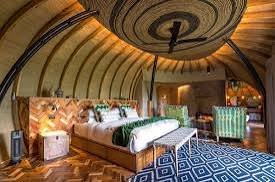
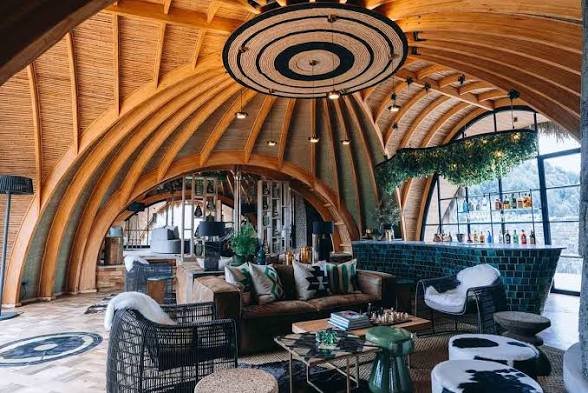
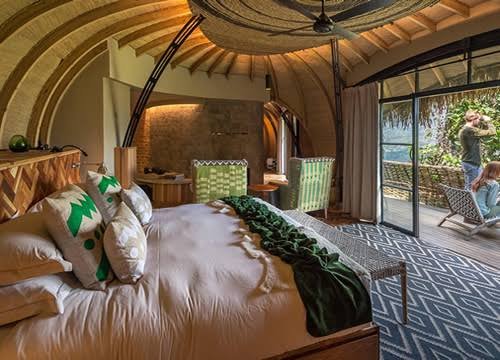
Rwanda has developed a strong reputation for luxury gorilla safari accommodation. The area surrounding Volcanoes National Park includes some of the most exclusive lodges in East Africa, designed for travellers seeking comfort, personalised services, and premium experiences.
The luxury accommodation sector in Rwanda has grown alongside the country’s high-value tourism strategy. Many lodges focus on creating a complete experience rather than simply providing a place to sleep.
Guests can enjoy spacious rooms, beautiful mountain views, excellent dining experiences, wellness facilities, private services, and personalised attention before and after gorilla trekking.
The atmosphere around Rwanda’s luxury lodges often combines modern comfort with the natural beauty of the volcanic landscape. Many properties are designed to allow visitors to enjoy the surrounding environment while maintaining a high level of comfort.
For travellers who value convenience and relaxation, Rwanda’s accommodation experience is a major advantage.
A visitor can spend the day trekking through the forest and return to a comfortable lodge where they can rest, enjoy a quality meal, and reflect on the incredible experience.
The luxury focus fits well with Rwanda’s overall positioning as a premium safari destination. Travellers who prefer a seamless journey with excellent accommodation and minimal logistical challenges often find Rwanda very appealing.
Uganda also offers a wide range of accommodation options around Bwindi Impenetrable National Park. The country has luxury lodges, mid-range properties, eco-lodges, and comfortable budget accommodation located near different trekking sectors.
The accommodation experience in Uganda often has a stronger wilderness feeling. Many lodges are surrounded by rainforest landscapes, providing a closer connection to nature.
Guests may wake up to the sounds of birds, views of forest-covered hills, and the atmosphere of an ancient rainforest ecosystem.
For travellers who enjoy being immersed in nature, Uganda’s accommodation style can be extremely rewarding.
Many Ugandan lodges focus on creating authentic experiences where visitors feel connected to the forest environment. The emphasis is often on location, nature, and the feeling of staying close to the wilderness.
This does not mean Uganda lacks luxury options. Several high-end lodges provide excellent services, beautiful designs, and outstanding hospitality.
The difference is more about atmosphere than quality. Rwanda often provides a refined luxury experience focused on comfort and convenience, while Uganda often provides a more natural and adventurous lodge experience.
The choice between Rwanda and Uganda depends largely on the type of safari atmosphere a traveller prefers.
A traveller seeking elegance, premium services, and a shorter, smoother journey may find Rwanda more suitable.
A traveller seeking immersion in nature, forest surroundings, and a stronger wilderness feeling may prefer Uganda.
Both destinations provide excellent accommodation, but they appeal to different travel styles.
For honeymooners and luxury travellers, Rwanda’s lodge experience can create a highly romantic and exclusive atmosphere. The combination of beautiful accommodation, easy access, and premium services makes it particularly attractive for couples.
For adventure travellers and those seeking a deeper connection with nature, Uganda’s forest lodges provide an experience that feels more closely connected to the wilderness.
Families may also consider accommodation when choosing between Rwanda and Uganda. Rwanda’s accessibility and luxury options can make it easier for families seeking comfort and convenience.
Uganda’s accommodation variety allows families to choose properties that match different budgets and travel styles while enjoying a broader safari experience.
Ultimately, accommodation is not only about where travellers sleep. It shapes the entire gorilla trekking journey.
The right lodge provides comfort after trekking, enhances the connection with the destination, and becomes part of the memory created during the safari.
Whether choosing Rwanda’s premium volcanic landscape lodges or Uganda’s rainforest wilderness accommodation, travellers can enjoy exceptional hospitality while experiencing one of the world’s greatest wildlife adventures.
Luxury Gorilla Trekking: Rwanda or Uganda?
For travellers planning a luxury gorilla trekking experience, Rwanda has become one of Africa’s leading destinations.
The combination of easy accessibility, premium lodges, personalised services, and exclusive tourism management has positioned Rwanda as a preferred choice for luxury travellers.
A luxury gorilla safari in Rwanda often focuses on comfort throughout the entire journey. From airport arrival to transfer arrangements, accommodation, meals, and trekking preparation, the experience is designed to feel smooth and personalised.
The shorter distance between Kigali and Volcanoes National Park also reduces travel fatigue, allowing travellers to spend more time enjoying the destination.
Uganda also offers luxury gorilla trekking experiences, especially around Bwindi Impenetrable National Park. High-end lodges provide exceptional hospitality, beautiful locations, and personalised service.
However, Uganda’s luxury experience is often combined with a broader safari journey. Many luxury travellers choose Uganda because they can combine gorilla trekking with chimpanzee experiences, wildlife viewing, boat safaris, and cultural encounters.
A luxury Uganda safari can therefore become a complete African adventure rather than a single wildlife experience.
The better choice depends on the traveller’s vision. Someone looking for a short, exclusive gorilla experience may prefer Rwanda. Someone looking for a luxury expedition combining multiple wildlife experiences may prefer Uganda.
Gorilla Habituation Experience: Rwanda vs Uganda
One important difference in the Rwanda vs Uganda Gorilla Trekking comparison is the opportunity for gorilla habituation.
Gorilla habituation is a special conservation experience where visitors spend more time with gorilla groups that are still undergoing the process of becoming accustomed to human presence.
The experience provides a deeper understanding of gorilla behaviour because visitors spend extended time observing the animals in the forest.
Uganda is particularly well known for its gorilla habituation experience in Bwindi Impenetrable National Park. The longer duration allows visitors more time to observe family interactions, feeding behaviour, movement patterns, and social relationships.
For photographers, researchers, and travellers seeking a more exclusive wildlife experience, gorilla habituation offers an extraordinary opportunity.
The experience requires more physical effort and time because visitors may spend longer periods searching for gorilla groups in the forest.
Rwanda also offers exceptional gorilla experiences, but Uganda has become especially popular among travellers specifically interested in habituation.
The choice between standard gorilla trekking and habituation depends on what a traveller wants from the encounter. Standard trekking provides a magical introduction to mountain gorillas, while habituation offers a deeper and more extended experience.
Conservation Impact: Rwanda vs Uganda Gorilla Trekking
Both Rwanda and Uganda have made significant contributions to mountain gorilla conservation.
The survival of mountain gorillas is the result of decades of conservation work involving governments, researchers, local communities, rangers, and conservation organizations.
In Rwanda, gorilla tourism has become a central part of the country’s conservation strategy. Revenue generated through tourism supports protection programs, scientific research, ranger operations, and community initiatives around Volcanoes National Park.
Rwanda has created a model where tourism directly contributes to protecting endangered wildlife. The country’s carefully controlled gorilla tourism system has helped create international awareness and financial support for conservation.
Uganda has also played a major role in protecting mountain gorillas through conservation programs in Bwindi Impenetrable National Park and Mgahinga Gorilla National Park.
Gorilla tourism in Uganda supports forest protection, ranger activities, research, and community conservation programs. The presence of tourism creates economic value around protecting mountain gorillas and their habitat.
Both countries demonstrate that responsible tourism can become a powerful conservation tool.
The difference is not about one country caring more about conservation than the other. Both Rwanda and Uganda have contributed significantly to the survival of mountain gorillas.
The choice between the two destinations should therefore be based on travel preferences rather than assumptions about conservation commitment.
Wildlife Experiences Beyond Gorilla Trekking
Another major difference between Rwanda and Uganda is the variety of additional wildlife experiences available.
“`html id=”z5n8rw”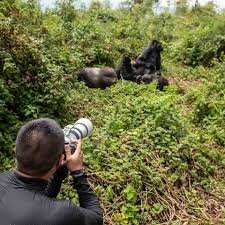
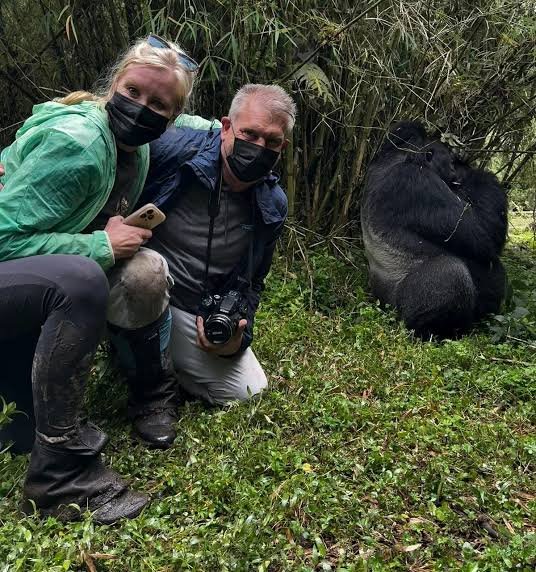
Rwanda offers more than gorilla trekking. Visitors can combine their experience with destinations such as Akagera National Park, where they can enjoy savannah wildlife, including elephants, lions, giraffes, zebras, and antelope species.
Rwanda also offers chimpanzee trekking and forest experiences in Nyungwe National Park, one of Africa’s most important rainforest destinations.
However, because Rwanda is a smaller country, many travellers focus primarily on gorillas and a few selected experiences.
Uganda offers a wider range of safari possibilities. A gorilla trekking journey can easily be combined with chimpanzee trekking in Kibale Forest, wildlife viewing in Queen Elizabeth National Park, boat safaris, bird watching, and other adventure activities.
Uganda is often called the “Pearl of Africa” because of its incredible diversity of landscapes and wildlife experiences.
For travellers who want a complete safari covering primates, big game, forests, rivers, and cultural experiences, Uganda provides more variety.
For travellers whose main goal is a convenient gorilla experience with optional additions, Rwanda may be more suitable.
Photography Opportunities in Rwanda and Uganda
Both Rwanda and Uganda provide exceptional photography opportunities, but the style of photography differs.
Rwanda’s Volcanoes National Park offers dramatic volcanic landscapes, misty forests, and beautiful mountain backgrounds. The contrast between gorillas and the volcanic environment creates powerful images.
The shorter trekking distances and organised experience can also appeal to photographers who want a more predictable schedule.
Uganda’s Bwindi Impenetrable Forest offers a completely different photographic environment. The dense rainforest creates an intimate atmosphere, with opportunities to capture gorillas surrounded by ancient vegetation.
The challenge of photographing in Bwindi can also make the images feel more authentic and adventurous.
Lighting conditions in both destinations can be challenging because gorillas live in forest environments. Professional photographers often prepare with appropriate equipment and patience.
The best destination depends on the style of images a photographer wants to create. Rwanda provides dramatic mountain scenery, while Uganda provides deep rainforest wilderness.
Rwanda vs Uganda Gorilla Trekking for Families
Families considering gorilla trekking should carefully evaluate both destinations.
Rwanda is often considered easier for families because of its accessibility and shorter travel distances. The journey from Kigali to Volcanoes National Park is relatively straightforward, making it easier for families travelling with limited time.
The availability of comfortable accommodation and organised tourism services also makes Rwanda attractive for family travellers.
Uganda can also be excellent for families, especially those interested in a longer safari experience. Children and adults can combine gorilla trekking with other wildlife activities, creating a more diverse adventure.
However, families should consider travel time, trekking difficulty, and the age and fitness levels of all participants.
Both countries require visitors to meet minimum age requirements for gorilla trekking, and families should plan carefully to ensure everyone enjoys the experience.
Which Destination Is Better: Rwanda or Uganda Gorilla Trekking?
The answer depends on what each traveller values most.
Rwanda is often the better choice for travellers seeking convenience, luxury, shorter travel times, and a premium gorilla trekking experience. The country offers excellent infrastructure, beautiful lodges, and an efficient travel experience.
Uganda is often the better choice for travellers seeking adventure, affordability, longer safari experiences, and greater wildlife diversity beyond gorillas.

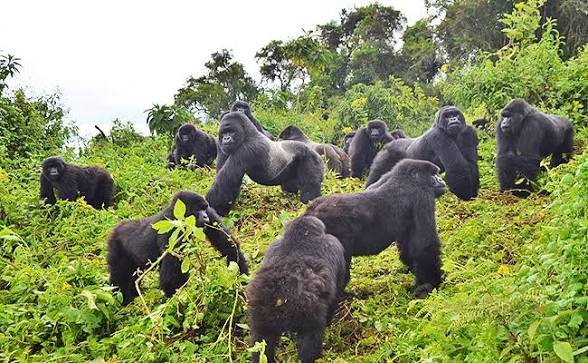
Neither destination offers a “better” gorilla experience because both provide unforgettable encounters with mountain gorillas.
The best choice depends on personal priorities.
A traveller with limited time who wants a smooth and exclusive experience may choose Rwanda.
A traveller who wants a deeper African adventure with gorillas, chimpanzees, and wildlife safaris may choose Uganda.
Both destinations provide the rare opportunity to stand in the presence of mountain gorillas and witness one of nature’s greatest conservation stories.
Final Thoughts on Rwanda vs Uganda Gorilla Trekking
The comparison between Rwanda and Uganda gorilla trekking is ultimately about choosing the experience that matches your travel dreams.
Rwanda offers a refined, accessible, and premium gorilla adventure surrounded by volcanic landscapes and strong conservation systems.
Uganda offers a more immersive wilderness journey through ancient forests, combined with some of Africa’s most diverse safari experiences.
Both countries have protected mountain gorillas through decades of dedication and continue playing essential roles in conservation.
The most important thing is that travellers choose responsible tourism operators, respect conservation guidelines, and understand that their visit contributes to protecting these incredible animals.
Whether trekking through Volcanoes National Park in Rwanda or searching through the forests of Bwindi in Uganda, encountering mountain gorillas is an experience that goes beyond tourism.
It is a connection with one of the world’s most remarkable species and a contribution to ensuring that future generations can continue experiencing these magnificent animals in the wild.