Rwanda Gorilla Trekking Age Limit: Complete 2026–2030 Family Guide
The Rwanda Gorilla Trekking Age Limit is one of the most important requirements every traveler should understand before planning a mountain gorilla safari in Volcanoes National Park. Gorilla trekking is one of Africa’s most extraordinary wildlife experiences, allowing visitors to enter the natural habitat of endangered mountain gorillas and observe these incredible primates in their protected forest environment. However, because the activity involves physical hiking, close encounters with wildlife and strict conservation regulations, Rwanda has established clear age guidelines to ensure the safety of visitors and the continued protection of the gorillas.
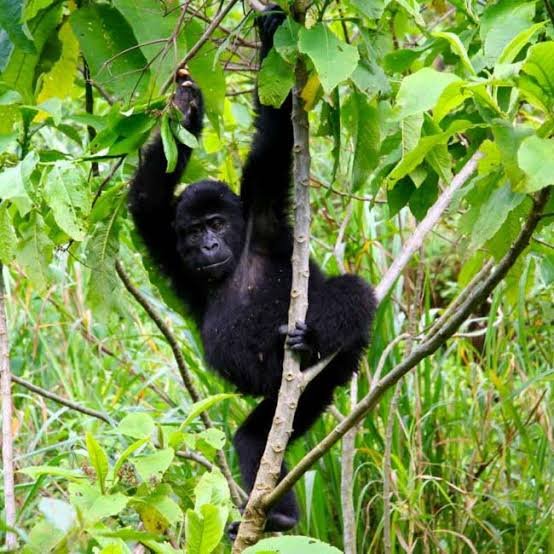
The minimum age for gorilla trekking in Rwanda is 15 years old. This means that a traveler must have already reached their 15th birthday on the actual date of trekking before they are allowed to participate in the standard mountain gorilla trekking experience in Volcanoes National Park. Age verification is normally confirmed through traveler details provided during the gorilla permit booking process, and visitors may need to present passport information during safari arrangements or park registration.
The age restriction applies to all visitors participating in the traditional gorilla trekking experience, where guests join experienced ranger guides and trackers to search for habituated mountain gorilla families inside the protected forests of Volcanoes National Park. The trek involves walking through natural terrain, following forest trails and spending a limited period observing gorillas after they are located.
Rwanda’s decision to set the minimum age at 15 years is based on several important considerations. Gorilla trekking is not a normal sightseeing activity where visitors simply observe animals from a vehicle. Instead, travelers enter a wild forest environmenhttps://mountaingorillasrwanda.com/t where they must follow strict instructions from guides, remain calm around the gorillas and respect conservation rules throughout the experience.
For families planning a Rwanda safari, understanding the Rwanda Gorilla Trekking Age Limit early is essential because it affects how the entire itinerary should be designed. Parents traveling with children younger than 15 years cannot include a gorilla trek for those children, but this does not mean they need to exclude Rwanda from their family holiday. The country offers many other experiences suitable for younger travelers, allowing families to enjoy wildlife, culture, scenery and adventure together.
Why Is the Gorilla Trekking Age Limit in Rwanda 15 Years?
The minimum age of 15 years has been established because gorilla trekking requires a certain level of maturity, physical ability and responsibility from every participant.
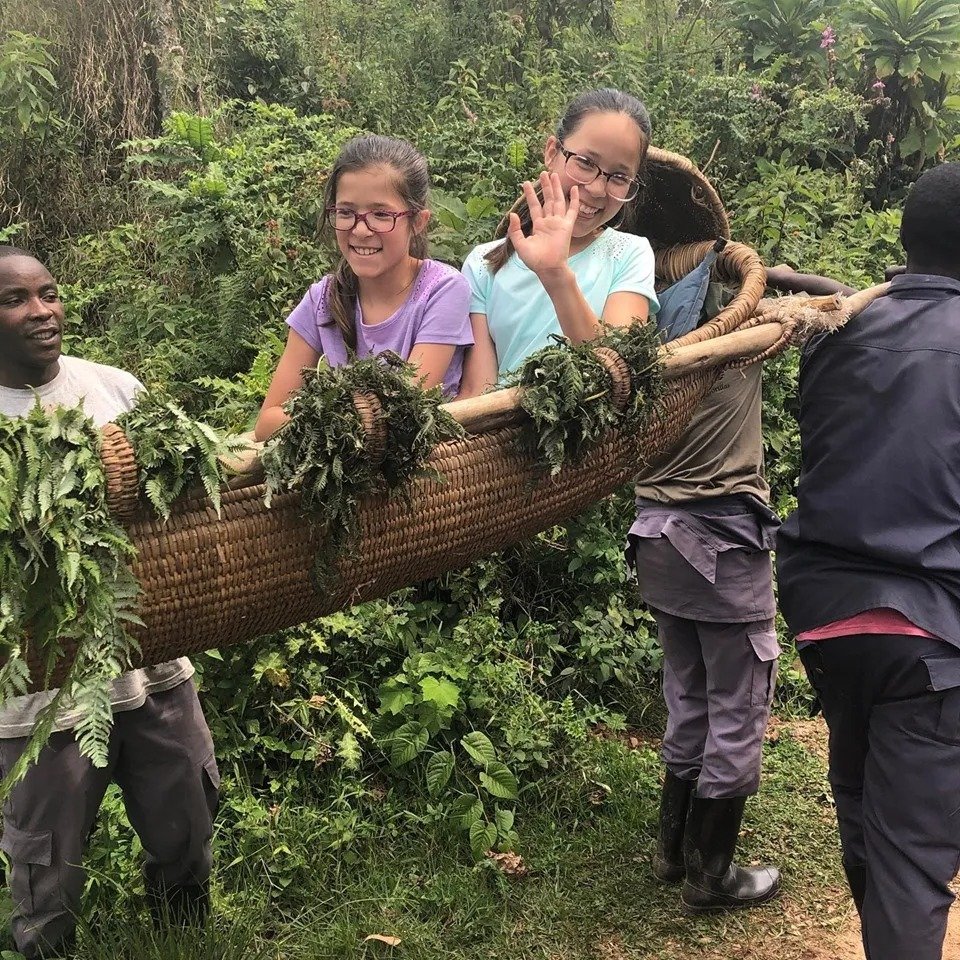
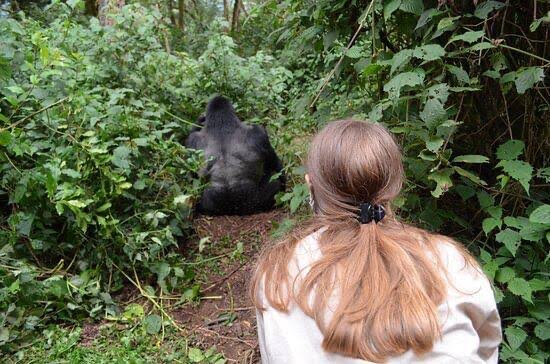
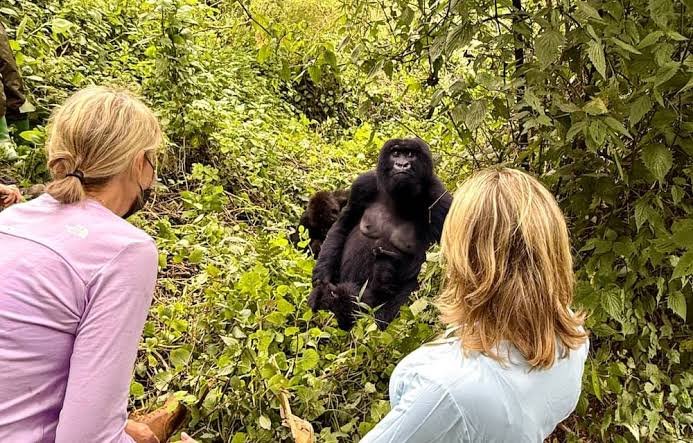
Mountain gorillas are wild animals, even though the gorilla groups visited by tourists have undergone a careful habituation process that allows them to tolerate human presence. Visitors must understand how to behave around the animals, listen carefully to ranger instructions and follow strict rules designed to protect both humans and gorillas.
During a gorilla trek, travelers may encounter changing conditions. The forest environment can include steep slopes, thick vegetation, muddy paths, uneven ground and unpredictable weather. A visitor must be able to walk for potentially several hours, remain patient during the search for the gorillas and maintain appropriate behavior once the family is found.
Younger children may find these requirements challenging. They may become tired during long hikes, struggle to maintain silence in the forest or have difficulty following all conservation guidelines during the gorilla encounter.
The age requirement also supports wildlife conservation efforts. Mountain gorillas are highly vulnerable to human-related diseases, especially respiratory infections. Visitors are required to follow health guidelines, including avoiding the trek when feeling unwell and maintaining responsible behavior around the animals. A minimum age requirement helps ensure participants are mature enough to understand and follow these important conservation measures.
Does the Rwanda Gorilla Trekking Age Limit Apply to All Visitors?
Yes. The minimum age requirement applies to all travelers participating in standard gorilla trekking in Volcanoes National Park.
The rule applies regardless of nationality, travel style or safari package. Whether a visitor books a budget gorilla safari, a luxury gorilla holiday, a private family safari or a larger group trip, participants must meet the required minimum age.
Parents sometimes assume that younger children may be allowed if they are physically strong, experienced hikers or accompanied by adults. However, meeting the physical requirements alone does not change the official age rule.
A child who is 14 years old cannot participate in gorilla trekking, even if they are fit, adventurous or close to turning 15. The traveler must have reached the required age before the trekking date.
This makes early planning especially important for families with teenagers approaching the age limit.
Can a Child Under 15 Join a Gorilla Trek in Rwanda?
No. Children under 15 years old cannot join the official gorilla trekking experience in Rwanda.
This restriction means that families traveling with younger children need to create alternative plans for the days when eligible family members participate in gorilla trekking.
Parents should not view this as a limitation that prevents a family safari in Rwanda. Instead, it provides an opportunity to create a more diverse itinerary that includes activities suitable for everyone.
While adults or teenagers aged 15 and above participate in gorilla trekking, younger children can enjoy other experiences around Volcanoes National Park and other parts of Rwanda.
Many families combine gorilla trekking with cultural experiences, nature activities, Kigali sightseeing, Lake Kivu relaxation and wildlife viewing opportunities in other national parks.
Planning a Rwanda Family Safari With Children Below 15
Families with children below the gorilla trekking age limit can still have an incredible Rwanda adventure by designing an itinerary that includes activities for all ages.
A family safari can include time in Kigali, where children can learn about Rwanda’s history, culture and modern development. Families can also explore local communities, enjoy scenic drives through the famous hills of Rwanda and experience the country’s welcoming hospitality.
Around Volcanoes National Park, younger travelers can participate in suitable activities that do not involve entering the gorilla habitat. These may include cultural visits, nature experiences and educational activities focused on conservation.
Families can also extend their trip beyond Volcanoes National Park. Lake Kivu provides a relaxing environment after mountain activities, while other destinations in Rwanda offer different wildlife and landscape experiences.
The key is to design a balanced itinerary where every family member has meaningful experiences rather than focusing only on gorilla trekking.
Gorilla Trekking Age Limit for Teenagers in Rwanda
Teenagers are often among the most enthusiastic participants in gorilla trekking once they reach the required age.
Travelers aged 15 years and above can participate in the experience, provided they are prepared for the physical demands and understand the importance of following conservation guidelines.
For many teenagers, gorilla trekking becomes an unforgettable educational experience. They have the opportunity to observe animal behavior, learn about endangered species protection and understand the importance of preserving natural habitats.
Parents should still prepare teenagers before the trip. Being old enough to participate does not automatically mean every teenager will find the trek easy.
Preparation may include:
- Walking regularly before the safari
- Practicing with hiking shoes
- Learning about gorilla trekking rules
- Preparing suitable clothing
- Understanding that the trek takes place in a natural forest environment
Teenagers who approach the experience with preparation and respect usually find it one of the most rewarding parts of their Rwanda journey.
Can a 14-Year-Old Trek Gorillas if They Are Almost 15?
No. A traveler must have reached 15 years old before participating in gorilla trekking.
Being close to the required age does not provide an exception. For example, a traveler who turns 15 one week after the planned trek cannot participate before their birthday.
Families traveling with teenagers near the age limit should carefully select travel dates to ensure eligibility.
If a child is approaching their 15th birthday, adjusting the safari schedule slightly may allow them to participate legally and avoid disappointment.
Can Babies or Young Children Visit Volcanoes National Park?
Yes. Young children can visit the Volcanoes National Park region, even though they cannot participate in gorilla trekking.
The age restriction applies specifically to the gorilla trekking activity, not to visiting the wider area.
Families with young children can enjoy the beautiful landscapes around the Virunga Mountains, experience Rwanda’s culture and stay in comfortable lodges while participating in suitable activities.
Parents should discuss their family composition with their safari planner so that accommodations and daily activities can be arranged appropriately.
Is There a Maximum Age Limit for Gorilla Trekking in Rwanda?
No. Rwanda does not have a maximum age limit for gorilla trekking.
Many senior travelers successfully complete gorilla treks every year. The deciding factor is not age itself but physical ability, preparation and personal comfort.
Older travelers should honestly assess their fitness level before booking. Gorilla trekking can involve several hours of walking at altitude through uneven forest terrain.
However, many adjustments can make the experience more comfortable for senior visitors.
These include:
- Hiring a porter
- Choosing suitable accommodation near Kinigi
- Using walking support if needed
- Preparing physically before travel
- Allowing enough rest time within the itinerary
With proper preparation, gorilla trekking can be a meaningful experience for travelers well beyond traditional adventure-travel ages.
Why Seniors Can Successfully Trek Gorillas
Many people assume gorilla trekking is only suitable for young and highly athletic travelers, but this is not true.
The experience can be adapted to different fitness levels. Ranger guides consider group abilities when organizing trekking arrangements, and porters provide valuable support throughout the journey.
A senior traveler who regularly walks, prepares properly and uses available assistance may enjoy the trek just as much as younger visitors.
The most important factors are realistic expectations and good preparation.
Travelers should not focus only on age but consider their ability to handle walking, changing terrain and outdoor conditions.
What Happens if Someone Does Not Meet the Age Requirement?
If a traveler does not meet the minimum age requirement, they cannot participate in gorilla trekking.
This is why families should confirm eligibility before purchasing permits or finalizing their safari arrangements.
Travelers should provide accurate personal information during booking because permits are linked to individual participants.
If a family member cannot trek due to age restrictions, the safari can often be redesigned to include alternative activities while other eligible travelers continue with the gorilla experience.
Rwanda Gorilla Trekking Age Limit and Gorilla Permit Booking
The age requirement is closely connected to gorilla permit arrangements.
Every person participating in gorilla trekking requires an individual permit, and traveler information is used during the booking process.
Families should confirm the ages of all participants before reserving permits.
This is especially important for teenagers who are close to turning 15 because the trekking date, not simply the booking date, determines eligibility.
Early planning helps families avoid unexpected challenges and ensures that the safari schedule matches every traveler’s requirements.
Best Age to Experience Gorilla Trekking in Rwanda
Although the minimum age is 15 years, there is no single “perfect” age for gorilla trekking.
Teenagers may appreciate the educational and adventurous aspects of the experience. Adults often value the conservation importance and rare opportunity to see mountain gorillas. Senior travelers may see it as a lifelong dream fulfilled.
The best age is when the traveler is physically prepared, emotionally ready and interested in experiencing wildlife responsibly.
A well-prepared visitor of any eligible age can have a deeply memorable gorilla encounter.
Frequently Asked Questions About Rwanda Gorilla Trekking Age Limit
What is the minimum age for gorilla trekking in Rwanda?
The minimum age for gorilla trekking in Rwanda is 15 years old. Travelers must have reached their 15th birthday before participating.
Can children under 15 visit Volcanoes National Park?
Yes. Children under 15 can visit the Volcanoes National Park region but cannot participate in official gorilla trekking.
Can teenagers trek gorillas in Rwanda?
Yes. Teenagers aged 15 and above can participate if they are physically prepared and able to follow trekking rules.
Is there a maximum age for gorilla trekking?
No. There is no maximum age limit. Senior travelers can participate if they are prepared for the physical requirements.
Why are children below 15 not allowed?
The restriction helps protect visitor safety, conservation standards and responsible interaction with mountain gorillas.
Can a child turn 15 during the safari and trek before their birthday?
No. The traveler must already be 15 years old on the actual trekking date.
Is gorilla trekking suitable for elderly travelers?
Yes. Many elderly travelers complete gorilla trekking successfully with proper preparation and support.
What can children do while parents trek gorillas?
Children can enjoy cultural experiences, nature activities, sightseeing and other family-friendly attractions in Rwanda.
Does the age limit apply to private gorilla safaris?
Yes. The same age requirement applies regardless of whether the safari is private, budget, luxury or group-based.
How should families plan around the Rwanda Gorilla Trekking Age Limit?
Families should confirm all travelers’ ages before booking permits and design an itinerary that includes suitable activities for everyone.
Rwanda Gorilla Trekking Age Limit: Planning a Successful Family Adventure
Understanding the Rwanda Gorilla Trekking Age Limit allows families and travelers to plan a realistic and enjoyable mountain gorilla safari. The 15-year minimum age requirement ensures that visitors participating in the trek can safely manage the physical challenges, follow conservation guidelines and contribute to protecting Rwanda’s endangered mountain gorillas.
For families with children below 15 years old, Rwanda still offers countless opportunities to explore nature, culture and wildlife. The age restriction does not prevent an unforgettable family holiday; it simply requires thoughtful planning.
For teenagers, adults and senior travelers who meet the requirements, gorilla trekking in Volcanoes National Park remains one of the most extraordinary wildlife experiences in the world. With proper preparation, the right itinerary and respect for conservation rules, travelers of different generations can enjoy the magic of Rwanda’s mountain gorillas while supporting their continued protection.
Why Is the Minimum Age for Gorilla Trekking in Rwanda 15 Years?
The 15-year minimum age requirement for gorilla trekking in Rwanda exists because visiting mountain gorillas is a unique wildlife experience that requires more than simply observing animals from a distance. Unlike traditional game drives where visitors remain inside a vehicle, gorilla trekking involves entering a natural forest environment, walking through unpredictable terrain and spending time near wild animals under carefully controlled conservation guidelines.
Volcanoes National Park is a mountainous rainforest environment located within the Virunga Massif. The terrain can vary greatly depending on the location of the gorilla family assigned on the trekking day. Some groups may be reached after a shorter walk, while others may require several hours of hiking through bamboo forests, thick vegetation, steep slopes and muddy trails.
Because of this, every participant must have the physical ability and maturity required to handle the conditions of the trek. Visitors need to walk at a reasonable pace, remain with the trekking group, listen carefully to ranger instructions and manage themselves appropriately throughout the experience.
Although the mountain gorillas visited in Rwanda are habituated to the presence of humans, they are still wild animals. Habituation means that gorillas have gradually become accustomed to carefully controlled human visits, but it does not make them domesticated animals. They maintain their natural behaviors, social structures and instincts.
During the gorilla encounter, visitors must remain calm and respectful. Rangers provide instructions on how to approach the gorillas, where to stand, how to behave and how to minimize disturbance. Every traveler must understand the importance of following these rules because sudden movements, loud noises or inappropriate behavior can affect both the animals and the safety of the group.
Younger children may find these requirements more difficult to manage. A child may become tired after walking for several hours, especially in a humid forest environment with uneven terrain. They may also struggle with remaining quiet for extended periods or maintaining patience while trackers search for the gorilla family.
The minimum age requirement therefore helps ensure that every participant can fully understand and respect the responsibility involved in entering a gorilla habitat.
Another important reason for the age restriction is wildlife health protection. Mountain gorillas are highly vulnerable to certain human illnesses, particularly respiratory infections. Because gorillas and humans share many biological similarities, diseases that are common among people can potentially have serious consequences for wild gorilla populations.
Visitors are required to follow strict health guidelines before and during trekking. These include maintaining a safe distance where instructed, avoiding the trek when feeling unwell and following ranger guidance at all times. A minimum age requirement helps ensure participants have the maturity to understand and follow these important conservation measures.
The age limit also supports a better experience for families themselves. Gorilla trekking can be physically demanding and emotionally intense. Ensuring that all participants are old enough to appreciate the experience helps create a more enjoyable and meaningful encounter for both visitors and wildlife.
For families planning a Rwanda safari, understanding the age requirement early allows parents to create a realistic itinerary. Families with children below 15 years old can still visit Rwanda and enjoy many attractions, but they need to include alternative activities while eligible family members participate in gorilla trekking.
Why Are Children Below 15 Years Not Allowed to Trek Gorillas?
Children below 15 years are not allowed to participate in Rwanda gorilla trekking because the activity requires a combination of physical readiness, emotional maturity and responsible behavior around wildlife.
A gorilla trek is not predictable in the same way as a scheduled sightseeing activity. Visitors do not simply arrive at a viewing point. Instead, ranger guides and trackers search for gorilla families that move naturally through the forest.
This means visitors must be prepared for different conditions every day. A trek may involve walking for a short distance or hiking for several hours depending on where the gorillas are located.
Young children may have difficulty managing these uncertainties. They may become uncomfortable during long walks, struggle with changing weather conditions or find the forest environment challenging.
Another important factor is the behavior required during the gorilla encounter. Visitors must avoid shouting, running, making sudden movements or disturbing the animals. Rangers carefully manage the interaction to ensure the gorillas remain comfortable.
The age requirement helps make sure every visitor has enough understanding to appreciate these rules and contribute positively to conservation efforts.
How Does the Age Limit Protect Mountain Gorillas?
The Rwanda gorilla trekking age limit plays an important role in protecting one of the world’s most endangered wildlife species.
Mountain gorillas have very close genetic similarities to humans, which means they can be affected by some of the same diseases. Even a simple human cold or respiratory infection can potentially create health risks for a gorilla population.
Rwanda’s conservation approach focuses on responsible tourism. Gorilla trekking is carefully regulated through limited visitor numbers, trained ranger guides, strict health guidelines and controlled interactions.
The age requirement forms part of this wider conservation system. Visitors who are old enough to understand the rules are more likely to follow instructions, respect boundaries and behave appropriately around the gorillas.
Protecting the health and natural behavior of gorillas ensures that future generations will continue to have the opportunity to experience these remarkable animals.
Is There a Maximum Age Limit for Gorilla Trekking in Rwanda?
There is no maximum age limit for gorilla trekking in Rwanda.
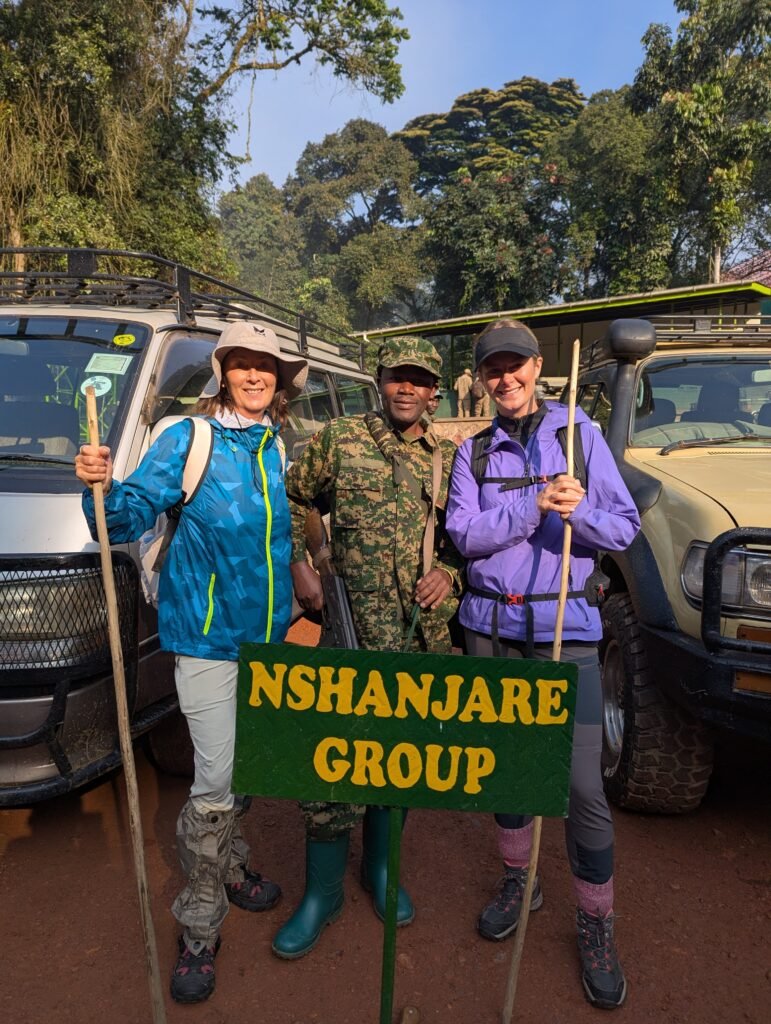
Unlike the minimum age requirement, which is established for safety and conservation reasons, there is no upper age restriction preventing older travelers from participating. Many senior visitors successfully complete gorilla treks in Volcanoes National Park every year.
Age alone does not determine whether someone is suitable for gorilla trekking. The most important considerations are overall fitness, mobility, confidence, preparation and personal comfort.
A physically active traveler in their 60s, 70s or even older may complete a trek successfully, while a younger traveler with limited fitness may find the experience challenging.
Before booking, older travelers should honestly consider their ability to walk on uneven terrain, manage changing weather conditions and remain comfortable during an outdoor adventure.
What Factors Matter More Than Age for Senior Gorilla Trekkers?
For older travelers, preparation is often more important than age itself.
Important factors include:
Physical Fitness
Gorilla trekking involves walking through natural forest terrain. Travelers should be comfortable walking for extended periods and managing moderate physical activity.
Regular walking, hiking practice or other forms of exercise before the safari can greatly improve confidence and endurance.
Mobility
Balance and stability are important because forest trails may include roots, mud, slopes and uneven surfaces.
Travelers who use walking assistance in daily life should discuss their needs before traveling so suitable arrangements can be considered.
Medical Preparation
Senior travelers should consider their general health before undertaking the trek. Anyone with concerns about physical exertion should seek appropriate medical advice before participating in demanding outdoor activities.
Mental Readiness
Gorilla trekking requires patience and flexibility. The experience depends on the natural movement of wildlife, meaning visitors must be prepared for waiting and walking before finding the gorillas.
How Can Older Travelers Make Gorilla Trekking Easier?
Many senior travelers successfully complete gorilla trekking by making thoughtful preparations.
Hiring a Porter
Hiring a porter is one of the best ways to improve comfort during the trek.
Porters can carry backpacks, camera equipment, water and personal items. They can also provide physical support on difficult sections of the trail.
Beyond practical assistance, hiring a porter directly supports communities living around the national park.
Choosing Suitable Accommodation
Staying near Kinigi reduces unnecessary travel before trekking.
A nearby lodge allows guests to wake later, enjoy breakfast comfortably and arrive at the briefing point without a long morning transfer.
Using Proper Equipment
Good hiking boots with strong grip are essential. Travelers should also consider:
- Comfortable hiking clothing
- Waterproof jackets
- Hiking poles
- Gloves
- Gaiters
- Lightweight backpacks
The right equipment can significantly improve comfort.
Maintaining a Comfortable Pace
Gorilla trekking is not a race.
Experienced guides understand that visitors have different fitness levels and generally encourage groups to move at a manageable pace.
Taking breaks, drinking enough water and communicating with guides when needed can make the experience much more enjoyable.
Can Elderly Travelers Still Have a Good Gorilla Trekking Experience?
Yes. Many elderly travelers describe gorilla trekking as one of the most meaningful experiences of their lives.
The encounter is not only about physical adventure. It is also about conservation, nature connection and witnessing one of the world’s most fascinating animals in its natural habitat.
With proper preparation and realistic expectations, senior travelers can enjoy the experience just as much as younger visitors.
The most important thing is to prepare appropriately rather than allowing age alone to determine whether the adventure is possible.
The Importance of Choosing the Right Gorilla Safari Plan
The Rwanda Gorilla Trekking Age Limit is only one part of planning a successful gorilla safari. Choosing the right itinerary, accommodation and transportation can make a significant difference, especially for families and senior travelers.
Travelers with younger children should design an itinerary that includes activities for everyone. Senior travelers should choose arrangements that reduce unnecessary physical stress.
A well-planned safari ensures that visitors can enjoy Rwanda’s mountain gorillas while respecting conservation requirements.
Understanding the age requirements before booking helps travelers avoid disappointment and creates a smoother, more enjoyable experience from arrival in Rwanda until the end of the adventure.
Why Is the Minimum Age for Gorilla Trekking in Rwanda 15 Years?
The 15-year minimum age requirement for gorilla trekking in Rwanda exists because visiting mountain gorillas is a unique wildlife experience that requires more than simply observing animals from a distance. Unlike traditional game drives where visitors remain inside a vehicle, gorilla trekking involves entering a natural forest environment, walking through unpredictable terrain and spending time near wild animals under carefully controlled conservation guidelines.
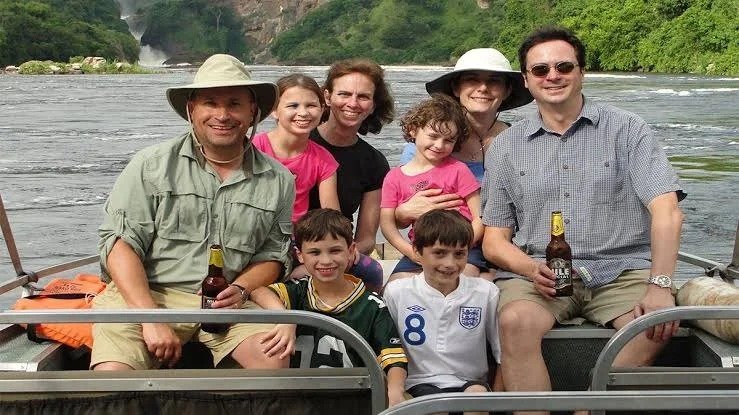
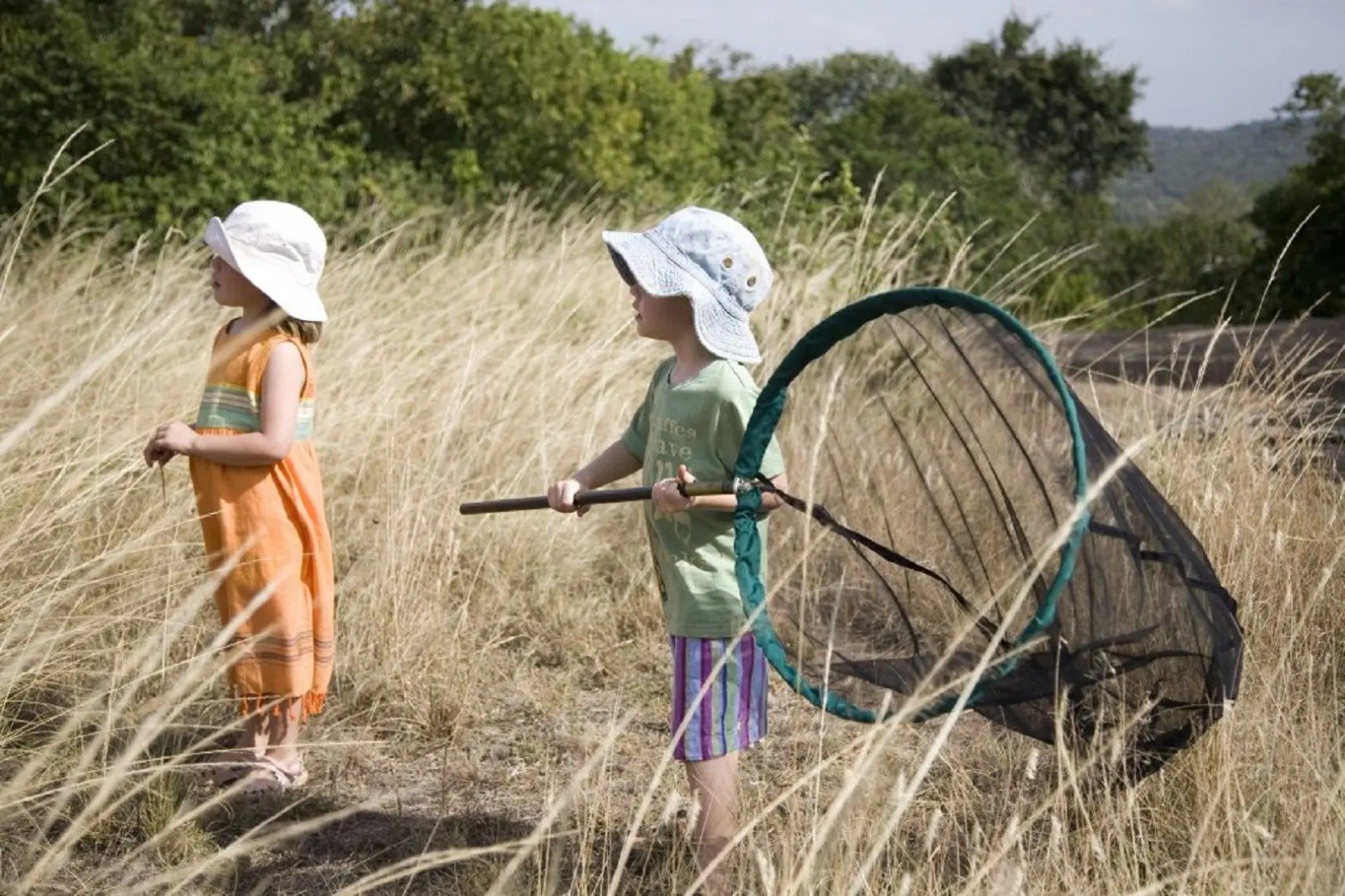
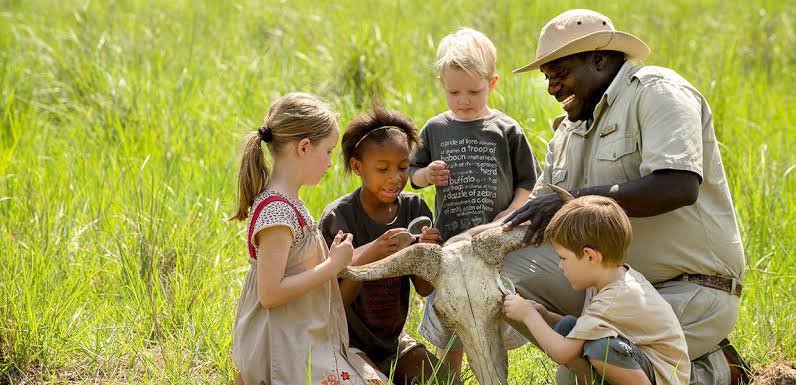
Volcanoes National Park is a mountainous rainforest environment located within the Virunga Massif. The terrain can vary greatly depending on the location of the gorilla family assigned on the trekking day. Some groups may be reached after a shorter walk, while others may require several hours of hiking through bamboo forests, thick vegetation, steep slopes and muddy trails.
Because of this, every participant must have the physical ability and maturity required to handle the conditions of the trek. Visitors need to walk at a reasonable pace, remain with the trekking group, listen carefully to ranger instructions and manage themselves appropriately throughout the experience.
Although the mountain gorillas visited in Rwanda are habituated to the presence of humans, they are still wild animals. Habituation means that gorillas have gradually become accustomed to carefully controlled human visits, but it does not make them domesticated animals. They maintain their natural behaviors, social structures and instincts.
During the gorilla encounter, visitors must remain calm and respectful. Rangers provide instructions on how to approach the gorillas, where to stand, how to behave and how to minimize disturbance. Every traveler must understand the importance of following these rules because sudden movements, loud noises or inappropriate behavior can affect both the animals and the safety of the group.
Younger children may find these requirements more difficult to manage. A child may become tired after walking for several hours, especially in a humid forest environment with uneven terrain. They may also struggle with remaining quiet for extended periods or maintaining patience while trackers search for the gorilla family.
The minimum age requirement therefore helps ensure that every participant can fully understand and respect the responsibility involved in entering a gorilla habitat.
Another important reason for the age restriction is wildlife health protection. Mountain gorillas are highly vulnerable to certain human illnesses, particularly respiratory infections. Because gorillas and humans share many biological similarities, diseases that are common among people can potentially have serious consequences for wild gorilla populations.
Visitors are required to follow strict health guidelines before and during trekking. These include maintaining a safe distance where instructed, avoiding the trek when feeling unwell and following ranger guidance at all times. A minimum age requirement helps ensure participants have the maturity to understand and follow these important conservation measures.
The age limit also supports a better experience for families themselves. Gorilla trekking can be physically demanding and emotionally intense. Ensuring that all participants are old enough to appreciate the experience helps create a more enjoyable and meaningful encounter for both visitors and wildlife.
For families planning a Rwanda safari, understanding the age requirement early allows parents to create a realistic itinerary. Families with children below 15 years old can still visit Rwanda and enjoy many attractions, but they need to include alternative activities while eligible family members participate in gorilla trekking.
Why Are Children Below 15 Years Not Allowed to Trek Gorillas?
Children below 15 years are not allowed to participate in Rwanda gorilla trekking because the activity requires a combination of physical readiness, emotional maturity and responsible behavior around wildlife.
A gorilla trek is not predictable in the same way as a scheduled sightseeing activity. Visitors do not simply arrive at a viewing point. Instead, ranger guides and trackers search for gorilla families that move naturally through the forest.
This means visitors must be prepared for different conditions every day. A trek may involve walking for a short distance or hiking for several hours depending on where the gorillas are located.
Young children may have difficulty managing these uncertainties. They may become uncomfortable during long walks, struggle with changing weather conditions or find the forest environment challenging.
Another important factor is the behavior required during the gorilla encounter. Visitors must avoid shouting, running, making sudden movements or disturbing the animals. Rangers carefully manage the interaction to ensure the gorillas remain comfortable.
The age requirement helps make sure every visitor has enough understanding to appreciate these rules and contribute positively to conservation efforts.
How Does the Age Limit Protect Mountain Gorillas?
The Rwanda gorilla trekking age limit plays an important role in protecting one of the world’s most endangered wildlife species.
Mountain gorillas have very close genetic similarities to humans, which means they can be affected by some of the same diseases. Even a simple human cold or respiratory infection can potentially create health risks for a gorilla population.
Rwanda’s conservation approach focuses on responsible tourism. Gorilla trekking is carefully regulated through limited visitor numbers, trained ranger guides, strict health guidelines and controlled interactions.
The age requirement forms part of this wider conservation system. Visitors who are old enough to understand the rules are more likely to follow instructions, respect boundaries and behave appropriately around the gorillas.
Protecting the health and natural behavior of gorillas ensures that future generations will continue to have the opportunity to experience these remarkable animals.
Is There a Maximum Age Limit for Gorilla Trekking in Rwanda?
There is no maximum age limit for gorilla trekking in Rwanda.
Unlike the minimum age requirement, which is established for safety and conservation reasons, there is no upper age restriction preventing older travelers from participating. Many senior visitors successfully complete gorilla treks in Volcanoes National Park every year.
Age alone does not determine whether someone is suitable for gorilla trekking. The most important considerations are overall fitness, mobility, confidence, preparation and personal comfort.
A physically active traveler in their 60s, 70s or even older may complete a trek successfully, while a younger traveler with limited fitness may find the experience challenging.
Before booking, older travelers should honestly consider their ability to walk on uneven terrain, manage changing weather conditions and remain comfortable during an outdoor adventure.
What Factors Matter More Than Age for Senior Gorilla Trekkers?
For older travelers, preparation is often more important than age itself.
Important factors include:
Physical Fitness
Gorilla trekking involves walking through natural forest terrain. Travelers should be comfortable walking for extended periods and managing moderate physical activity.
Regular walking, hiking practice or other forms of exercise before the safari can greatly improve confidence and endurance.
Mobility
Balance and stability are important because forest trails may include roots, mud, slopes and uneven surfaces.
Travelers who use walking assistance in daily life should discuss their needs before traveling so suitable arrangements can be considered.
Medical Preparation
Senior travelers should consider their general health before undertaking the trek. Anyone with concerns about physical exertion should seek appropriate medical advice before participating in demanding outdoor activities.
Mental Readiness
Gorilla trekking requires patience and flexibility. The experience depends on the natural movement of wildlife, meaning visitors must be prepared for waiting and walking before finding the gorillas.
How Can Older Travelers Make Gorilla Trekking Easier?
Many senior travelers successfully complete gorilla trekking by making thoughtful preparations.
Hiring a Porter
Hiring a porter is one of the best ways to improve comfort during the trek.
Porters can carry backpacks, camera equipment, water and personal items. They can also provide physical support on difficult sections of the trail.
Beyond practical assistance, hiring a porter directly supports communities living around the national park.
Choosing Suitable Accommodation
Staying near Kinigi reduces unnecessary travel before trekking.
A nearby lodge allows guests to wake later, enjoy breakfast comfortably and arrive at the briefing point without a long morning transfer.
Using Proper Equipment
Good hiking boots with strong grip are essential. Travelers should also consider:
- Comfortable hiking clothing
- Waterproof jackets
- Hiking poles
- Gloves
- Gaiters
- Lightweight backpacks
The right equipment can significantly improve comfort.
Maintaining a Comfortable Pace
Gorilla trekking is not a race.
Experienced guides understand that visitors have different fitness levels and generally encourage groups to move at a manageable pace.
Taking breaks, drinking enough water and communicating with guides when needed can make the experience much more enjoyable.
Can Elderly Travelers Still Have a Good Gorilla Trekking Experience?
Yes. Many elderly travelers describe gorilla trekking as one of the most meaningful experiences of their lives.
The encounter is not only about physical adventure. It is also about conservation, nature connection and witnessing one of the world’s most fascinating animals in its natural habitat.
With proper preparation and realistic expectations, senior travelers can enjoy the experience just as much as younger visitors.
The most important thing is to prepare appropriately rather than allowing age alone to determine whether the adventure is possible.
The Importance of Choosing the Right Gorilla Safari Plan
The Rwanda Gorilla Trekking Age Limit is only one part of planning a successful gorilla safari. Choosing the right itinerary, accommodation and transportation can make a significant difference, especially for families and senior travelers.
Travelers with younger children should design an itinerary that includes activities for everyone. Senior travelers should choose arrangements that reduce unnecessary physical stress.
A well-planned safari ensures that visitors can enjoy Rwanda’s mountain gorillas while respecting conservation requirements.
Understanding the age requirements before booking helps travelers avoid disappointment and creates a smoother, more enjoyable experience from arrival in Rwanda until the end of the adventure.
Can Children Under 15 Years Trek Gorillas in Rwanda?
No. Children below 15 years old are not permitted to participate in standard gorilla trekking in Rwanda’s Volcanoes National Park. The minimum age requirement is strictly applied to ensure the safety of visitors, maintain responsible wildlife tourism standards and protect the health and natural behavior of endangered mountain gorillas.
Gorilla trekking is different from ordinary wildlife viewing because it involves entering a protected forest environment where visitors walk through natural terrain and spend time close to wild animals. The experience requires patience, physical endurance and the ability to follow detailed instructions from experienced ranger guides.
Although mountain gorillas visited by tourists are habituated to human presence, they remain wild animals. They continue to display natural behaviors and must be approached carefully and respectfully. Every visitor is expected to remain calm, avoid sudden movements, maintain appropriate distance and follow all instructions given by the ranger team.
For younger children, these requirements can sometimes be challenging. A gorilla trek may involve several hours of walking through forests, steep sections, slippery trails, muddy paths and changing weather conditions. Children below 15 years may become tired during the hike, find the terrain difficult or struggle with remaining quiet and patient while trackers search for the gorilla family.
The age restriction also considers the conservation responsibility involved in gorilla tourism. Mountain gorillas are highly vulnerable to human illnesses, particularly respiratory infections. Because humans and gorillas share many biological similarities, even common illnesses can potentially affect these endangered animals. Younger visitors may not always fully understand the importance of health precautions, hygiene rules and responsible behavior during the encounter.
By setting the minimum age at 15 years, Rwanda ensures that participants are mature enough to understand the importance of conservation and contribute positively to the protection of mountain gorillas.
However, families with children under 15 should not feel that Rwanda is unsuitable for them. Rwanda remains an excellent family destination with many experiences that children can enjoy. A family safari can include cultural experiences, scenic drives through Rwanda’s famous hills, nature walks, visits to local communities, wildlife viewing opportunities and relaxing stays around beautiful destinations such as Lake Kivu.
Many families choose to create a balanced itinerary where older family members participate in gorilla trekking while younger children enjoy alternative activities with a family member or guide. With good planning, everyone can still have a memorable Rwanda holiday.
What Can Children Under 15 Do Instead of Gorilla Trekking in Rwanda?
Although younger children cannot join the official gorilla trekking experience, Rwanda offers many family-friendly activities that allow them to explore the country’s natural beauty and culture.
Cultural Experiences Around Volcanoes National Park
Cultural activities are among the best alternatives for children visiting the Volcanoes National Park region. These experiences allow young travelers to learn about Rwandan traditions, local lifestyles, music, dance and community history.
Children often enjoy interactive cultural experiences because they provide opportunities to meet local people and understand daily life beyond the safari environment.
Nature Walks and Scenic Experiences
The area surrounding Volcanoes National Park offers beautiful landscapes that children can enjoy without undertaking a demanding gorilla trek.
Families can explore scenic viewpoints, enjoy views of the Virunga volcanoes and experience Rwanda’s highland environment at a comfortable pace.
These activities allow children to appreciate the same incredible landscapes that surround the gorilla habitat.
Kigali Family Activities
Kigali provides many interesting experiences suitable for children before or after a gorilla safari.
Families can explore the city, visit cultural attractions, enjoy local cuisine and learn about Rwanda’s remarkable transformation.
Spending time in Kigali also provides children with educational experiences that combine history, culture and modern life.
Lake Kivu Relaxation
Lake Kivu is another excellent addition to a family Rwanda itinerary.
The peaceful lakeside environment provides a contrast to the mountain landscapes of Volcanoes National Park. Families can enjoy beautiful scenery, relaxing accommodation and gentle activities suitable for different ages.
Rwanda Gorilla Trekking Age Limit for Teenagers
Teenagers aged 15 years and above can participate in gorilla trekking in Rwanda, provided they meet the general requirements for the activity.
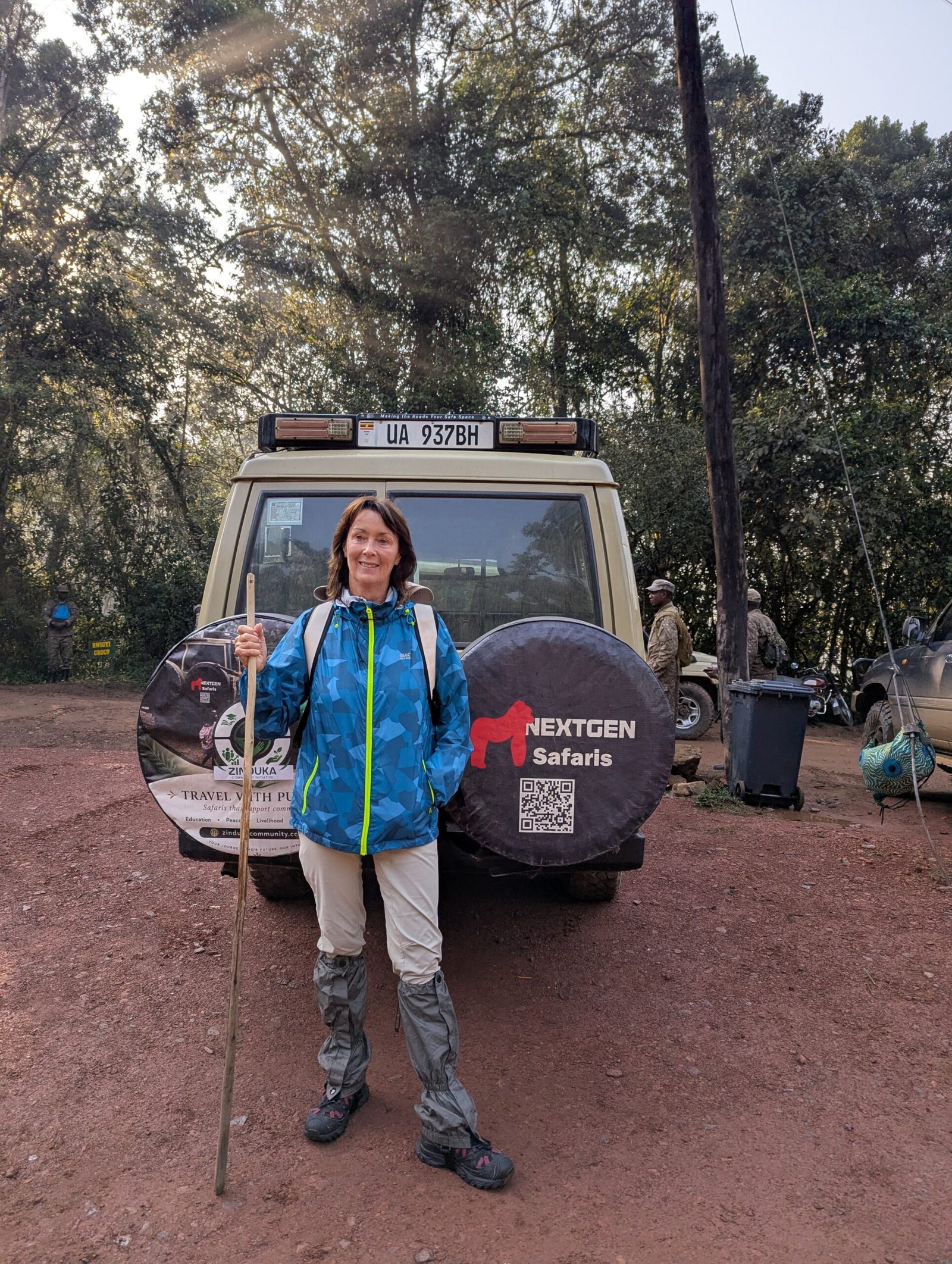
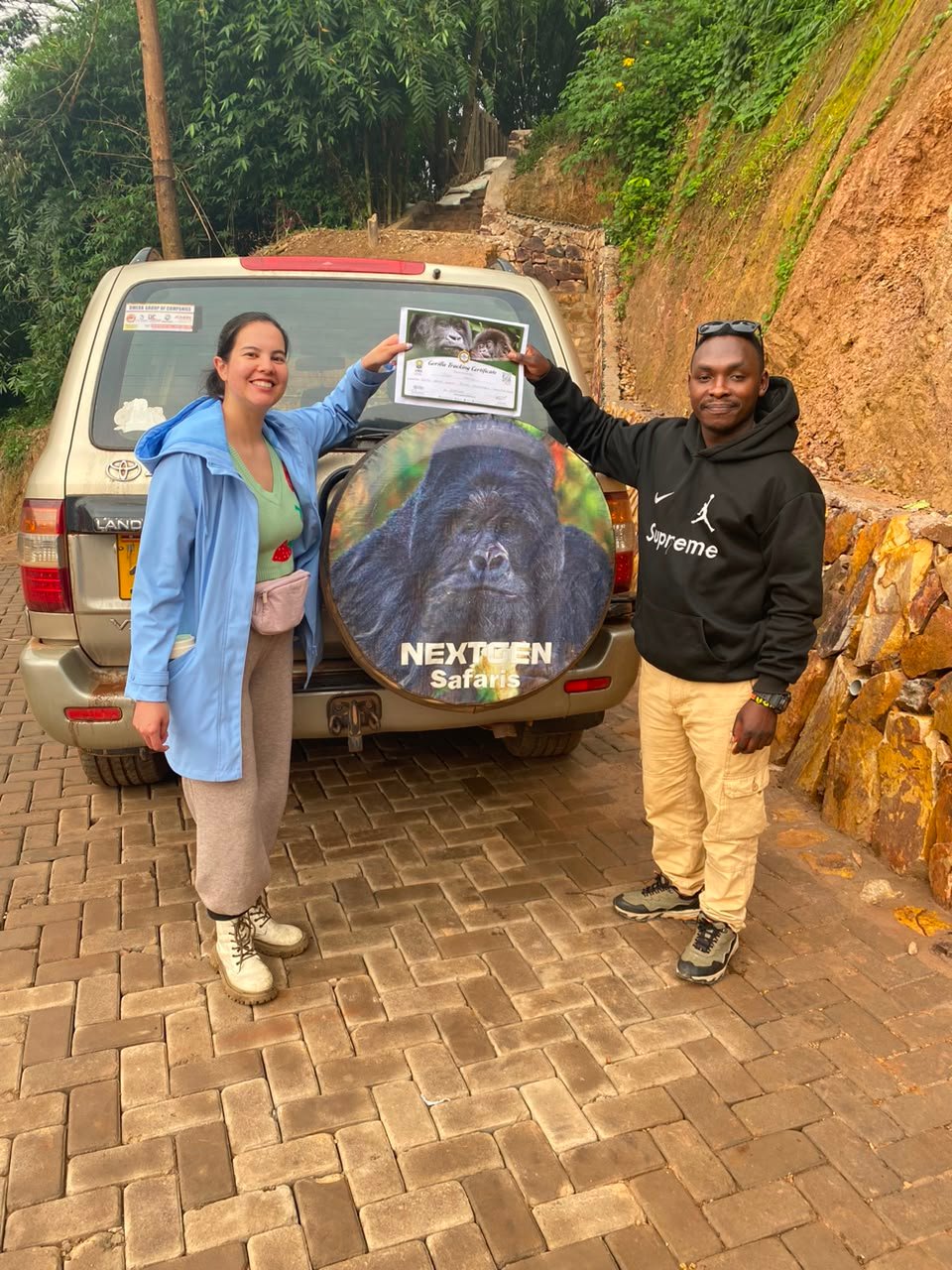
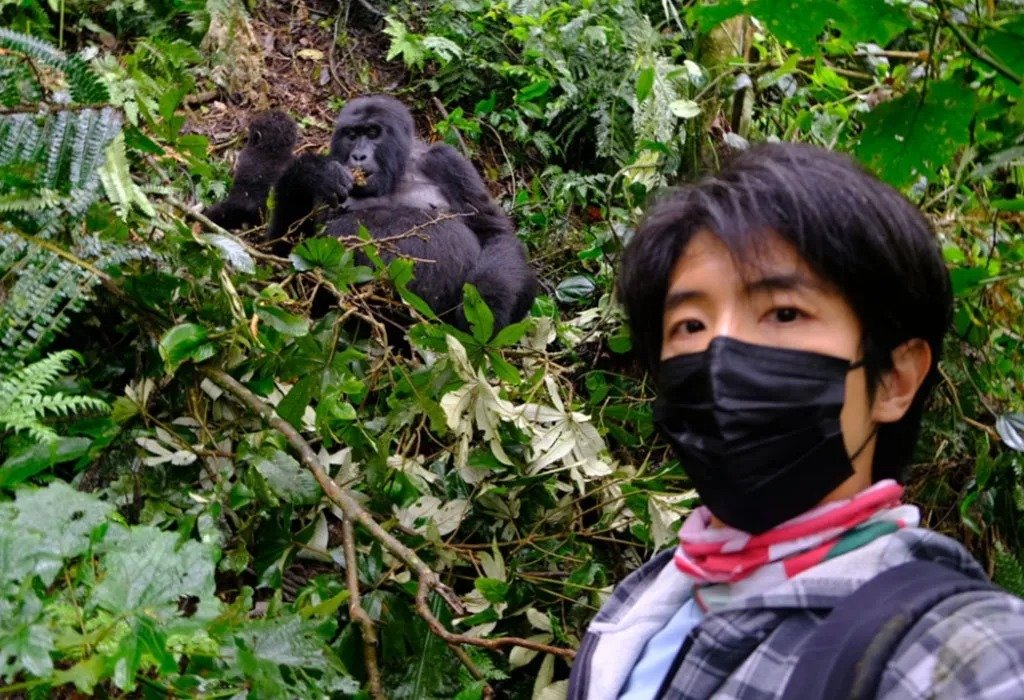
Many teenagers are excellent candidates for gorilla trekking because they are often physically capable of managing the hiking requirements and are mature enough to understand conservation rules.
For many young travelers, a gorilla trek becomes a life-changing experience. Seeing mountain gorillas in their natural environment provides an opportunity to learn about wildlife conservation, endangered species protection and the importance of preserving natural habitats.
Unlike visiting animals in a zoo or wildlife park, gorilla trekking allows teenagers to witness complex social behaviors in a natural forest ecosystem. They may observe silverbacks protecting their families, mothers caring for young gorillas and different members of the group interacting naturally.
This creates a powerful educational experience that combines adventure with conservation awareness.
Preparing Teenagers for Gorilla Trekking in Rwanda
Although teenagers aged 15 and above are allowed to trek, proper preparation is still important.
Meeting the minimum age requirement does not automatically mean that every teenager will find the trek easy. Volcanoes National Park is a mountainous environment, and trekking conditions can vary depending on where the gorilla family is located.
Parents should prepare teenagers physically and mentally before the safari.
Regular Walking and Hiking Practice
Encouraging teenagers to walk regularly before the trip can improve endurance and confidence.
Simple preparation such as hiking, walking long distances or participating in outdoor activities can help them become comfortable with the physical demands of trekking.
The goal is not extreme fitness but building stamina and confidence for several hours of outdoor activity.
Wearing Comfortable Hiking Shoes
Proper footwear is one of the most important parts of gorilla trekking preparation.
Teenagers should travel with comfortable hiking shoes that provide good grip and support. The forest environment can become muddy, especially during rainy periods, so footwear should be suitable for wet and uneven trails.
Breaking in hiking shoes before traveling is recommended to avoid discomfort during the trek.
Understanding Gorilla Trekking Rules
Before entering the forest, teenagers should understand the importance of responsible behavior around gorillas.
They should know that:
- Gorillas must be approached calmly
- Loud noises should be avoided
- Ranger instructions must always be followed
- Flash photography is not allowed
- Visitors must respect the gorillas’ space
Preparing teenagers before the trek helps them appreciate the experience and behave responsibly.
Carrying Enough Water and Personal Items
Teenagers should carry enough drinking water during the trek because walking in the forest can be physically demanding.
A small backpack containing water, snacks, personal medication, a rain jacket and camera equipment can make the experience more comfortable.
However, heavy bags should be avoided. Travelers who need assistance can hire a porter to help carry equipment.
Preparing for Changing Weather Conditions
The weather around Volcanoes National Park can change quickly because of the high-altitude mountain environment.
A morning that begins with clear skies may later experience mist or rainfall.
Teenagers should therefore be prepared with:
- Waterproof jackets
- Long trousers
- Warm layers
- Gloves
- Protective covers for cameras and electronics
Being prepared for different weather conditions helps ensure the trek remains enjoyable.
Why Gorilla Trekking Can Be Meaningful for Teenagers
Gorilla trekking is more than an adventure activity. For many teenagers, it becomes an important learning experience that develops appreciation for wildlife conservation.
The encounter teaches young travelers about endangered species, habitat protection and the relationship between humans and nature.
Seeing mountain gorillas in the wild helps teenagers understand why conservation efforts matter and why protecting natural ecosystems is important for future generations.
Many young travelers return from the experience with a stronger interest in environmental protection and wildlife preservation.
Are Teenagers Safer During Gorilla Trekking Than Younger Children?
Teenagers generally have advantages over younger children because they can better understand safety instructions, manage physical challenges and respond appropriately during wildlife encounters.
They are more likely to remain calm when observing gorillas, follow ranger guidance and handle the demands of the trek.
However, age alone does not guarantee readiness. A teenager should still be prepared physically and mentally for the experience.
A positive attitude, respect for nature and willingness to follow instructions are essential parts of a successful gorilla trek.
Family Planning Tips Based on the Rwanda Gorilla Trekking Age Limit
Families planning a Rwanda safari should consider the ages, interests and abilities of all travelers before finalizing their itinerary.
For families with teenagers aged 15 and above, gorilla trekking can become the highlight of the trip.
For families with younger children, the itinerary should include alternative experiences that allow everyone to participate and enjoy the destination.
Planning ahead also helps families choose suitable accommodation, transportation options and activities that match their needs.
Understanding the Rwanda Gorilla Trekking Age Limit before booking ensures a smoother travel experience and helps families create unforgettable memories while respecting Rwanda’s conservation guidelines.
Family Gorilla Safaris in Rwanda
Rwanda is one of the best destinations in Africa for families looking for a meaningful combination of wildlife, adventure, culture and educational experiences. The country’s compact size, excellent infrastructure, welcoming communities and incredible natural landscapes make it easier for families to explore different attractions without spending long hours on difficult journeys.
A family gorilla safari in Rwanda can be a truly unforgettable experience because it combines adventure with conservation education. Watching mountain gorillas in their natural habitat allows children, teenagers and adults to learn about endangered species, rainforest ecosystems and the importance of protecting wildlife for future generations.
However, families planning a gorilla trekking holiday must carefully consider the Rwanda Gorilla Trekking Age Limit. Since children below 15 years old cannot participate in official gorilla trekking, parents need to design their itinerary in a way that ensures every member of the family enjoys the journey, including younger children who are not eligible to enter the forest.
The age restriction does not mean families with younger children should avoid Rwanda. Instead, it provides an opportunity to create a more diverse safari experience where different activities are included for different age groups.
Families traveling with teenagers aged 15 years and above can include gorilla trekking as the main highlight of their Rwanda safari. Teenagers who meet the age requirement can experience the excitement of hiking through Volcanoes National Park, following ranger guides and observing mountain gorillas in their natural environment.
For younger children, parents can arrange alternative activities while eligible family members participate in gorilla trekking. Many families choose to travel with a private guide or arrange separate activities during the trekking day so that every traveler remains comfortable and engaged.
A well-designed family Rwanda safari can include a combination of:
- Kigali city exploration and cultural experiences
- Visits to local communities
- Scenic drives through Rwanda’s famous rolling hills
- Wildlife viewing adventures
- Golden monkey trekking for eligible travelers
- Relaxing experiences around Lake Kivu
- Nature activities around Volcanoes National Park
- Educational conservation experiences
This approach allows families to experience the beauty of Rwanda without making younger children feel excluded from the adventure.
Planning a Family Gorilla Safari With Teenagers
Teenagers who are 15 years and above are often among the best candidates for gorilla trekking because they can understand the importance of conservation rules and are usually capable of handling the physical demands of the activity.
For many teenagers, seeing mountain gorillas becomes one of the most memorable moments of their lives. The experience offers something beyond traditional sightseeing because they are not simply observing wildlife; they are entering a protected ecosystem and witnessing the natural behavior of one of the world’s most endangered animals.
Parents should still prepare teenagers before the trek. Meeting the minimum age requirement does not mean the activity will always be easy. Volcanoes National Park is located in a mountainous region, and trekking conditions can change depending on weather and the location of the gorilla family.
Teenagers should be encouraged to:
- Practice walking or hiking before the trip
- Carry suitable outdoor clothing
- Understand gorilla trekking rules
- Respect ranger instructions
- Prepare for changing weather conditions
A teenager who approaches the experience with curiosity, patience and respect is more likely to appreciate the importance of gorilla conservation.
What Can Children Under 15 Do Instead of Gorilla Trekking?
Although children below 15 years cannot participate in gorilla trekking, they can still enjoy many exciting experiences in Rwanda. The country offers a wide range of family-friendly activities that allow younger travelers to explore nature, culture and local communities.
Parents can create a separate activity plan for children during the gorilla trekking day or include additional experiences before and after the trek.
Rwanda is a destination where children can learn through travel. From meeting local communities to exploring beautiful landscapes, younger visitors can still enjoy meaningful adventures.
Cultural Experiences for Children in Rwanda
Cultural experiences are among the best alternatives for children who cannot participate in gorilla trekking.
These activities allow young travelers to learn about Rwanda’s traditions, history, music, food and daily life. Unlike passive sightseeing, cultural experiences often involve direct interaction with local communities, making them educational and memorable.
Children can learn how traditional homes are built, discover local crafts, experience traditional performances and understand how communities around Rwanda’s protected areas live alongside wildlife.
For families, cultural activities provide an opportunity to teach children about respect, diversity and the importance of preserving local traditions.
Around Volcanoes National Park, community-based experiences can help children understand the connection between conservation and local livelihoods. They learn that protecting wildlife also supports the communities living near these important natural areas.
Nature Walks and Scenic Activities Around Volcanoes National Park
Short nature walks are another excellent option for younger travelers visiting the Volcanoes National Park region.
Although children cannot enter the forest for gorilla trekking, they can still enjoy Rwanda’s beautiful landscapes through less demanding outdoor activities.
Nature walks allow children to experience the environment around the park while observing plants, birds and scenic views of the Virunga Mountains.
These activities are generally more flexible than gorilla trekking and can be adapted according to the child’s age and energy level.
Children often enjoy exploring new environments, learning about different plant species and seeing how Rwanda’s mountain landscapes differ from their home surroundings.
Parents should choose activities that match their children’s interests and physical abilities. Younger children may prefer shorter walks, while older children may enjoy longer nature experiences.
Exploring Kigali With Children
Kigali is an excellent place for families to begin or end their Rwanda safari.
The capital city offers a comfortable introduction to Rwanda and provides many experiences suitable for children of different ages.
Families can explore cultural attractions, visit local markets, enjoy Rwandan cuisine and learn about the country’s history.
Kigali is also known for its cleanliness, safety and organized environment, making it easier for families to travel comfortably.
Spending time in Kigali before heading to Volcanoes National Park allows children to understand Rwanda beyond wildlife. They can see modern city life, interact with local communities and gain a broader appreciation of the country.
A family itinerary may include:
- Exploring Kigali neighborhoods
- Visiting cultural sites
- Enjoying local food experiences
- Shopping for souvenirs
- Learning about Rwanda’s transformation
These activities create valuable memories before the adventure continues into the mountains.
Lake Kivu Experiences for Families
Lake Kivu is one of the best additions to a family Rwanda safari, especially for travelers who want to combine adventure with relaxation.
Located in western Rwanda, Lake Kivu offers beautiful scenery, peaceful surroundings and family-friendly experiences suitable for children who cannot participate in gorilla trekking.
After spending time in the cool mountain environment of Volcanoes National Park, many families enjoy relaxing beside the lake.
Children can appreciate the open landscapes, lakeside views and calmer activities that provide a contrast to the excitement of wildlife trekking.
Family-friendly Lake Kivu experiences may include:
- Scenic lakeside walks
- Boat experiences
- Cultural visits
- Relaxation at family-friendly lodges
- Exploring nearby communities
The destination provides a slower pace that allows families to enjoy quality time together.
Wildlife Experiences for Families in Rwanda
Rwanda offers more than mountain gorillas, making it possible for families with children of different ages to enjoy wildlife experiences.
Families can include other destinations where children can learn about animals and ecosystems through guided activities.
Wildlife viewing experiences allow children to understand conservation in a different way. They can observe animals, learn about habitats and appreciate Rwanda’s efforts to protect natural environments.
For families, combining gorilla trekking with other wildlife experiences creates a more complete safari adventure.
Golden Monkey Trekking for Eligible Family Members
Golden monkey trekking is another exciting primate experience available around Volcanoes National Park.
Although participation requirements should always be confirmed before travel, families with eligible children and teenagers may consider this activity as an additional adventure.
Golden monkeys provide a different wildlife experience from mountain gorillas. They are active, colorful primates that move quickly through bamboo forests, creating an exciting experience for visitors.
Families interested in primates often enjoy including both gorilla trekking and golden monkey experiences in their itinerary.
Creating a Balanced Family Rwanda Safari Itinerary
The most successful family safaris are those designed around the needs and interests of everyone traveling.
Parents should consider:
- The ages of all children
- Physical abilities
- Activity preferences
- Rest requirements
- Travel pace
A family with teenagers may choose a more adventure-focused itinerary with gorilla trekking, hiking and wildlife experiences.
A family with younger children may prefer a balanced program including culture, scenery, nature and relaxation.
The advantage of Rwanda is that many experiences can be combined within a relatively short distance.
Families do not need to choose between adventure and comfort. With good planning, Rwanda can provide both.
Why Rwanda Is Suitable for Multi-Generational Family Travel
One of the greatest advantages of Rwanda is that it works well for families traveling across multiple generations.
Grandparents, parents and children can all enjoy different aspects of the destination.
While younger adults may focus on gorilla trekking, other family members can enjoy cultural experiences, scenic drives, relaxation and nature activities.
The country’s accessibility also reduces the challenges often associated with family travel in Africa.
Short transfer distances, comfortable accommodation options and well-organized tourism services make Rwanda easier to explore compared with many larger safari destinations.
Making the Most of a Family Gorilla Safari
A family gorilla safari in Rwanda should focus on creating shared memories rather than simply completing one activity.
The gorilla experience may be the highlight, but the entire journey contributes to the adventure.
Children who cannot trek can still learn about conservation, experience Rwanda’s landscapes and develop an appreciation for wildlife protection.
Teenagers who participate in gorilla trekking can gain confidence, independence and a deeper understanding of nature.
Parents can create a meaningful family holiday by combining adventure, education and relaxation.
With careful planning around the Rwanda Gorilla Trekking Age Limit, families of different ages can enjoy an unforgettable Rwanda safari experience while respecting the rules designed to protect mountain gorillas.
How Physically Difficult Is Gorilla Trekking for Different Ages?
The Rwanda Gorilla Trekking Age Limit establishes the minimum participation age, but physical ability, preparation and personal confidence remain important considerations for every traveler regardless of age. Gorilla trekking is a unique wildlife adventure that combines hiking, exploration and close observation of mountain gorillas in their natural forest environment. Unlike a traditional safari where visitors remain inside a vehicle, gorilla trekking requires walking through unpredictable terrain at high altitude.
The physical difficulty of gorilla trekking varies significantly from one day to another because mountain gorillas move freely through the forest. Ranger guides and trackers locate the gorilla families each morning, meaning visitors cannot know in advance exactly how far they will need to walk.
Some trekkers may find their assigned gorilla family relatively close to the starting point and complete the hike within a shorter period. Others may need to walk for several hours through challenging sections of the forest before reaching the gorillas. This natural variation is part of what makes the experience authentic, but it also means visitors should arrive prepared for different conditions.
The terrain inside and around Volcanoes National Park can include:
- Natural forest trails
- Steep mountain sections
- Slippery and muddy paths
- Uneven volcanic ground
- Dense vegetation
- Bamboo forests
- High-altitude environments
- Areas affected by changing weather conditions
The altitude of the Virunga Mountains also contributes to the physical challenge. Travelers who are not accustomed to walking in mountainous areas may feel the effects of elevation, especially when moving uphill or hiking for extended periods.
However, gorilla trekking is not reserved only for extremely athletic travelers. Many visitors with average fitness levels successfully complete the experience every year. The key is proper preparation, realistic expectations and choosing the right support options.
Gorilla Trekking Difficulty for Teenagers and Young Adults
Teenagers aged 15 years and above and younger adults who maintain an active lifestyle often handle gorilla trekking comfortably.
Their advantages usually include higher energy levels, good recovery ability and familiarity with outdoor activities. Many younger travelers enjoy the physical challenge because the hike itself becomes part of the adventure.
For teenagers, gorilla trekking is often a combination of exploration and education. The walk through the forest introduces them to Rwanda’s unique ecosystem before they even encounter the gorillas.
However, young age alone does not guarantee an easy trek. A teenager who is not used to walking long distances may still find steep slopes, mud and unpredictable conditions challenging.
Preparation before travel can make a significant difference. Activities such as hiking, regular walking, outdoor sports or general fitness training can help teenagers feel more confident during the trek.
Parents should also ensure teenagers understand that gorilla trekking requires patience. The goal is not to walk quickly but to move safely while respecting the forest environment and following ranger instructions.
Gorilla Trekking Difficulty for Middle-Aged Travelers
Many travelers between their 30s, 40s and 50s complete gorilla trekking successfully.
For this age group, fitness level often matters more than age itself. A person who regularly exercises, walks or participates in outdoor activities may find the trek easier than someone younger who has little physical preparation.
Middle-aged travelers often appreciate the experience because they can combine adventure with a deeper appreciation of conservation and wildlife.
To make the trek more comfortable, travelers in this age group should:
- Train through regular walking before the safari
- Wear comfortable hiking shoes
- Carry enough water
- Avoid carrying unnecessary luggage
- Communicate with guides about their comfort level
The guides are experienced in managing groups with different fitness levels and will generally encourage a steady pace rather than rushing.
Gorilla Trekking Difficulty for Senior Travelers
Senior travelers are welcome to experience gorilla trekking in Rwanda, and many consider it one of the most meaningful wildlife adventures they have ever undertaken.
There is no maximum age limit for gorilla trekking. The most important factors are health, mobility, preparation and personal determination.
Many older visitors successfully complete the trek because they prepare carefully and use available support services.
However, senior travelers should honestly evaluate their walking ability before booking. The forest environment can be physically demanding, especially when trails are wet, steep or uneven.
Important considerations include:
- Ability to walk for several hours
- Comfort with uphill sections
- Balance on uneven ground
- Ability to handle changing weather
- General stamina and endurance
A senior traveler who prepares properly can often enjoy the experience comfortably.
How Senior Travelers Can Make Gorilla Trekking Easier
Several arrangements can significantly improve comfort and confidence for older visitors.
Hiring a Porter
Hiring a porter is one of the most recommended options for senior travelers.
Porters assist by carrying backpacks, cameras, water and personal belongings. They can also provide physical support when navigating difficult sections of the trail.
For many older trekkers, having a porter nearby provides additional confidence, especially on muddy or steep sections.
Porters are also an important part of responsible tourism because many come from communities surrounding the national park. Hiring a porter directly contributes to local livelihoods.
Choosing Accommodation Near Kinigi
Location plays an important role in comfort.
Staying near Kinigi reduces unnecessary travel before the trekking activity. Instead of waking extremely early and spending additional time on the road, guests can enjoy a relaxed breakfast before heading to the briefing area.
Comfortable accommodation also allows senior travelers to rest properly before and after the trek.
Using Walking Poles or Support Equipment
Walking sticks or hiking poles can provide additional stability during the trek.
They are particularly useful on:
- Slippery trails
- Steep sections
- Uneven volcanic terrain
- Areas with thick vegetation
Travelers who regularly use walking assistance should discuss this during safari planning so suitable arrangements can be considered.
Allowing Enough Recovery Time
Senior travelers may benefit from a slower itinerary that includes rest periods.
Instead of combining many demanding activities on consecutive days, a more relaxed schedule allows the body to recover between experiences.
For example, adding a peaceful stay around Lake Kivu after gorilla trekking can provide a comfortable way to relax after the forest adventure.
Can Travelers With Limited Fitness Still Trek Gorillas?
Travelers do not need to be professional hikers to participate in gorilla trekking.
Many visitors with moderate fitness levels successfully complete the experience.
However, travelers should understand that the activity takes place in a natural environment. Conditions cannot be controlled like a walking trail in a park or a tourist attraction.
The best approach is to prepare honestly and choose support options that match individual needs.
Visitors who are concerned about fitness can discuss their expectations with their safari planner before traveling. This allows the itinerary and arrangements to be adjusted accordingly.
Rwanda Gorilla Trekking Age Limit and Gorilla Permit Booking
Every visitor participating in gorilla trekking in Rwanda requires a valid gorilla permit. The permit confirms the traveler’s authorization to participate in the gorilla experience on a specific date in Volcanoes National Park.
During the permit booking process, travelers provide personal information, including passport details, which helps confirm eligibility requirements such as age.
The Rwanda Gorilla Trekking Age Limit is therefore closely connected to permit planning. Families traveling with teenagers approaching 15 years old should carefully check the trekking date rather than only the safari booking date.
For example, a teenager who turns 15 after the planned trek cannot participate before their birthday. The traveler must already meet the age requirement on the actual day of trekking.
Planning this carefully prevents disappointment and ensures that every participant is eligible.
Why Families Should Book Gorilla Permits Early
Gorilla permits in Rwanda are limited because conservation authorities control the number of visitors entering the forest each day.
This limited availability helps reduce pressure on gorilla families and ensures that tourism remains sustainable.
Families traveling together should therefore confirm ages, travel dates and participant numbers before finalizing their arrangements.
This is particularly important for larger family groups where some members may qualify for trekking while younger children do not.
Early planning allows families to create alternative activities for younger travelers and ensure the entire holiday runs smoothly.
Choosing the Right Gorilla Trekking Experience Based on Age
Different travelers may have different needs depending on their age and physical condition.
Teenagers and younger adults may enjoy a more adventurous trekking experience.
Middle-aged travelers may prefer a balanced itinerary with comfortable accommodation and moderate activity levels.
Senior travelers may benefit from additional preparation, porter assistance and a slower travel schedule.
The goal is not to compare who can complete the hardest trek. The goal is to create a safe, enjoyable and meaningful encounter with mountain gorillas.
Final Thoughts on Age and Physical Ability for Rwanda Gorilla Trekking
The Rwanda Gorilla Trekking Age Limit ensures that participants are mature enough to safely and responsibly experience one of Africa’s greatest wildlife adventures. However, age alone does not determine whether someone can enjoy gorilla trekking.
A prepared teenager, an active adult or a well-prepared senior traveler can all have an incredible experience in Volcanoes National Park.
The most important factors are preparation, realistic expectations, proper equipment and choosing the right safari arrangements.
With the support of experienced guides, porters and thoughtful planning, travelers of different ages can safely experience the unforgettable moment of standing in the forest and observing Rwanda’s magnificent mountain gorillas in their natural habitat.
Gorilla Trekking for Seniors in Rwanda
Senior travelers are warmly welcomed to experience gorilla trekking in Rwanda, and for many older visitors, the adventure becomes one of the most meaningful wildlife encounters of their lifetime. Standing in the misty forests of Volcanoes National Park and observing mountain gorillas in their natural habitat is an experience that goes beyond ordinary tourism. It offers a rare connection with nature, an opportunity to witness conservation success and a chance to be part of protecting one of the world’s most endangered species.
Although gorilla trekking is often described as an adventure activity, it is not only reserved for young or highly athletic travelers. Many senior visitors successfully complete gorilla treks every year. The most important factors are not age alone but rather preparation, physical readiness, confidence and choosing the right safari arrangements.
However, preparation is essential for older travelers. Gorilla trekking takes place in a natural mountain forest environment where conditions can change throughout the day. The trek may involve walking through dense vegetation, climbing slopes, crossing muddy sections and navigating uneven volcanic terrain. Unlike a controlled walking trail, the forest environment is unpredictable because the gorillas move naturally through their habitat.
Before booking a gorilla trek, senior travelers should honestly consider their walking ability, balance, stamina and comfort with outdoor conditions. Important questions include:
- Can you comfortably walk for several hours?
- Are you comfortable walking on uneven ground?
- Can you manage gentle uphill sections?
- Are you prepared for changing weather conditions?
- Do you feel confident spending time outdoors in a forest environment?
Answering these questions helps travelers choose the most suitable approach and ensures the experience remains enjoyable rather than overwhelming.
The good news is that many arrangements can make gorilla trekking easier and more comfortable for senior visitors.
Hiring a Porter During Gorilla Trekking
Hiring a porter is one of the most valuable options for senior travelers participating in gorilla trekking in Rwanda.
Porters provide practical assistance throughout the trek by carrying backpacks, cameras, water bottles and personal belongings. This reduces the physical burden on travelers and allows them to focus more on enjoying the forest experience.
For older visitors, porters can provide additional confidence when walking through difficult sections of the trail. They can offer a helping hand on muddy slopes, uneven paths or areas where extra stability is needed.
Beyond physical support, hiring a porter also contributes directly to local communities around Volcanoes National Park. Many porters come from villages surrounding the park, and tourism provides them with important employment opportunities.
Choosing to hire a porter is therefore not only beneficial for the traveler but also supports community involvement in conservation.
Senior travelers should consider arranging a porter in advance or requesting one during the trekking preparation process to ensure assistance is available on the day of the trek.
Choosing Comfortable Accommodation Near Volcanoes National Park
Accommodation location plays an important role in making gorilla trekking easier for senior travelers.
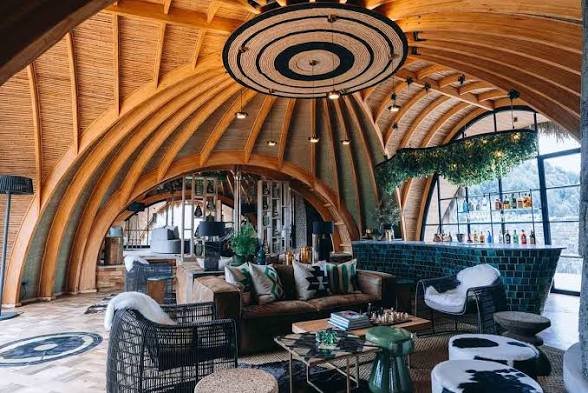
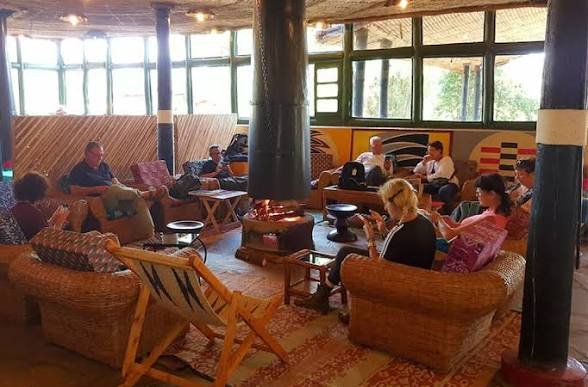
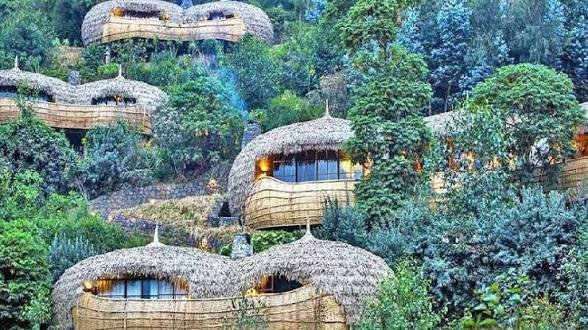
Staying near Kinigi, close to the Volcanoes National Park trekking facilities, reduces unnecessary driving before the activity. Since gorilla trekking begins early in the morning, staying nearby allows visitors to wake up comfortably, enjoy breakfast and reach the briefing area without a long transfer.
A comfortable lodge also provides an important place to rest before and after the trek. After several hours of hiking, seniors may appreciate having a peaceful environment where they can relax, enjoy a warm meal and recover.
When selecting accommodation, senior travelers should consider more than just price. Important factors include:
- Distance from the trekking briefing area
- Comfortable rooms
- Accessibility of facilities
- Quality meals
- Warmth and comfort in the cooler mountain climate
- Availability of assistance when needed
A well-chosen lodge can significantly improve the overall safari experience.
Using Walking Support During Gorilla Trekking
Walking sticks, trekking poles or other forms of walking support can be extremely useful for senior trekkers.
The forest trails around Volcanoes National Park may include slippery areas, steep sections and uneven ground. A walking pole can improve balance, reduce pressure on the knees and provide extra confidence while moving through challenging sections.
Travelers who already use walking assistance in daily life should consider bringing suitable support equipment or discussing available options before the trek.
Using walking support does not reduce the quality of the experience. Many experienced hikers and senior travelers use poles because they improve comfort and safety.
The goal of gorilla trekking is not speed or physical competition. The goal is to safely reach the gorillas and enjoy the incredible encounter.
Allowing Enough Recovery Time
Senior travelers may benefit from a slower safari itinerary with additional rest periods.
Unlike younger travelers who may combine many activities in a short period, older visitors often enjoy the experience more when the schedule allows enough time for relaxation.
For example, instead of arranging several demanding activities on consecutive days, travelers may include:
- A rest day before gorilla trekking
- A relaxed evening after the trek
- Additional nights near Volcanoes National Park
- Time around Lake Kivu after the adventure
A slower itinerary allows the body to recover and ensures that every activity can be enjoyed fully.
Many senior travelers find that taking more time creates a richer experience because they are able to appreciate the landscapes, culture and wildlife without feeling rushed.
Rwanda Gorilla Trekking Age Limit and Gorilla Permit Booking
Every visitor participating in gorilla trekking in Rwanda requires a valid gorilla permit. The permit gives travelers permission to participate in the official mountain gorilla trekking experience in Volcanoes National Park on a specific date.
When arranging a permit, travelers provide personal information, including passport details. These details help confirm eligibility requirements, including the minimum age requirement.
The connection between the Rwanda Gorilla Trekking Age Limit and permit booking is especially important for families traveling with teenagers. Parents should confirm that a child has already reached the required age before the actual trekking date.
A teenager who is 14 years old at the time of trekking cannot participate, even if they turn 15 shortly afterward. Eligibility is based on the age of the traveler on the day they enter the forest.
Because gorilla permits are limited and demand is high, families should plan carefully before confirming travel arrangements. This is especially important for larger families where some members may be eligible to trek while younger children require alternative activities.
Early planning helps families avoid disappointment and allows enough time to organize transportation, accommodation and suitable experiences for every traveler.
Why Gorilla Permit Planning Is Important for Families
Families planning a Rwanda gorilla safari should confirm all participant ages before booking permits.
This is particularly important when traveling with children who are approaching 15 years old. Parents may assume that a child who is close to the minimum age will be accepted, but the official requirement must be met on the trekking date.
Planning early also allows families to create a balanced itinerary.
For example:
- Teenagers and adults can participate in gorilla trekking.
- Younger children can enjoy cultural experiences or nature activities.
- The family can reunite afterward for shared experiences.
A carefully planned safari ensures that no family member feels left out.
Does the Age Limit Apply to Gorilla Habituation Experience?
Yes. Travelers participating in mountain gorilla experiences must meet the required age guidelines.
Although gorilla habituation experience is different from standard gorilla trekking because it allows visitors to spend more time with gorillas undergoing the habituation process, it still involves entering a natural forest environment and interacting with habituated gorillas under strict conservation regulations.
Participants must be able to follow ranger instructions, respect wildlife rules and handle the physical demands of spending extended time in the forest.
Anyone planning a gorilla experience should confirm the current participation requirements before traveling, especially when planning for teenagers or family members close to the minimum age.
Can a 14-Year-Old Trek Gorillas in Rwanda?
No. A 14-year-old traveler cannot participate in standard gorilla trekking in Rwanda because the minimum age requirement is 15 years.
Families should carefully plan their trekking date and ensure that the traveler has already reached the required age before participating.
Being close to 15 years old is not enough. For example, if a traveler celebrates their 15th birthday one month after the planned trek, they cannot join the activity before reaching that age.
Families with teenagers near the age limit should consider adjusting travel dates if possible. This allows the young traveler to participate legally and enjoy the experience with the rest of the family.
Why Rwanda Is a Great Destination for Family Wildlife Travel
Although the gorilla trekking age restriction means younger children cannot join the trek, Rwanda remains one of Africa’s best family travel destinations.
The country combines wildlife, culture, scenery and adventure in a way that appeals to travelers of different ages.
Families can explore Rwanda’s beautiful landscapes, learn about local traditions, experience conservation activities and enjoy comfortable travel conditions.
Older children and teenagers often find gorilla trekking deeply meaningful because it combines adventure, education and direct observation of one of the world’s most fascinating animals.
For younger children, Rwanda provides many opportunities to create memorable travel experiences through cultural visits, nature activities, scenic journeys and family-friendly attractions.
The key is understanding the age requirement and designing a safari that matches the needs of everyone traveling.
Rwanda Gorilla Trekking Age Limit: Planning Your Safari Correctly
Understanding the Rwanda Gorilla Trekking Age Limit allows travelers to plan a successful and stress-free mountain gorilla adventure. The minimum age requirement of 15 years ensures that participants are mature enough to manage the physical demands, follow conservation guidelines and contribute to responsible wildlife tourism.
Families should plan carefully, especially when traveling with children or teenagers close to the minimum age. While younger travelers cannot join the gorilla trek, Rwanda still provides many alternative experiences that make it an excellent destination for families.
For teenagers, adults and senior travelers who meet the requirements, gorilla trekking in Volcanoes National Park remains one of the world’s most extraordinary wildlife experiences.
With proper preparation, comfortable accommodation, suitable transportation and a well-designed itinerary, travelers of different generations can experience the magic of Rwanda’s mountain gorillas while supporting their long-term conservation.