Gorilla Trekking Difficulty Rwanda: Complete Hiking and Fitness Guide 2026–2030
Gorilla Trekking Difficulty Rwanda is one of the most important factors travelers consider before planning a mountain gorilla adventure in Volcanoes National Park. While the dream of standing near a family of endangered mountain gorillas attracts thousands of visitors every year, many travelers want to understand the physical requirements before booking their safari. Questions about hiking distance, forest conditions, altitude, age limitations, fitness levels, and the overall challenge of the trek are among the most common concerns, especially for first-time visitors.

The good news is that Gorilla Trekking in Rwanda is challenging but achievable for most travelers with reasonable fitness and proper preparation. It is an adventure that requires some physical effort, but it is not reserved only for experienced hikers or athletes. The trekking experience is designed to accommodate travelers with different abilities, and professional guides, trackers, and local porters provide support throughout the journey to ensure visitors can enjoy the experience comfortably.
Unlike a traditional wildlife safari where travelers observe animals from the comfort of a vehicle, gorilla trekking requires visitors to enter the natural forest environment where mountain gorillas live. This creates a much more personal and immersive wildlife experience because travelers walk through the same ecosystem inhabited by these incredible primates. However, this also means visitors should prepare for an active outdoor adventure involving walking through rainforest trails, climbing slopes, and navigating changing natural conditions.
The difficulty level of Gorilla Trekking Difficulty Rwanda is influenced by several factors, including the location of the gorilla family, the weather conditions on the trekking day, the terrain of Volcanoes National Park, altitude, and each traveler’s physical condition. Every trek is unique because mountain gorillas are wild animals that move naturally through the forest. Some visitors may enjoy a shorter trek lasting only a few hours, while others may experience a more demanding hike through deeper sections of the forest.
Volcanoes National Park, located in northern Rwanda within the Virunga Mountains, provides one of Africa’s most organized and carefully managed gorilla trekking experiences. The park’s mountainous landscape creates a beautiful but sometimes challenging environment, with volcanic slopes, bamboo forests, dense vegetation, and changing weather patterns. The natural difficulty of the terrain is part of what makes the experience authentic, allowing travelers to feel that they are truly entering the world of mountain gorillas rather than visiting a controlled attraction.
Every step through the forest brings travelers closer to one of the world’s most remarkable wildlife encounters. The physical effort required to reach the gorillas often makes the final moment even more rewarding. After walking through the misty forests and following the guidance of expert trackers, visitors are rewarded with the unforgettable experience of watching gorillas interact, feed, rest, and care for their families in their natural habitat.
Understanding the Real Difficulty of Gorilla Trekking in Rwanda
Many travelers imagine gorilla trekking as an extremely difficult mountain expedition, but this is not usually the case. The experience falls somewhere between a nature hike and a challenging outdoor adventure. The level of difficulty depends greatly on daily conditions and personal fitness rather than being permanently fixed.
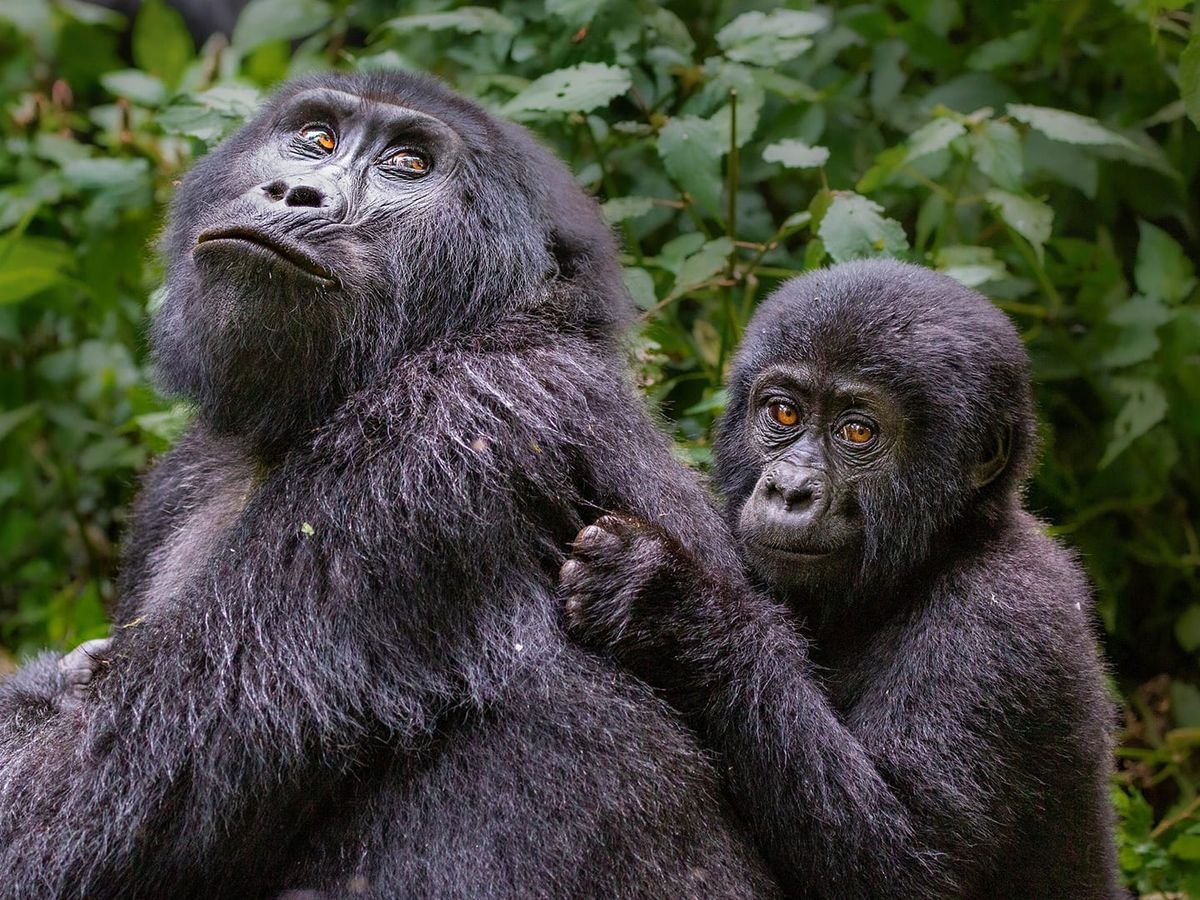
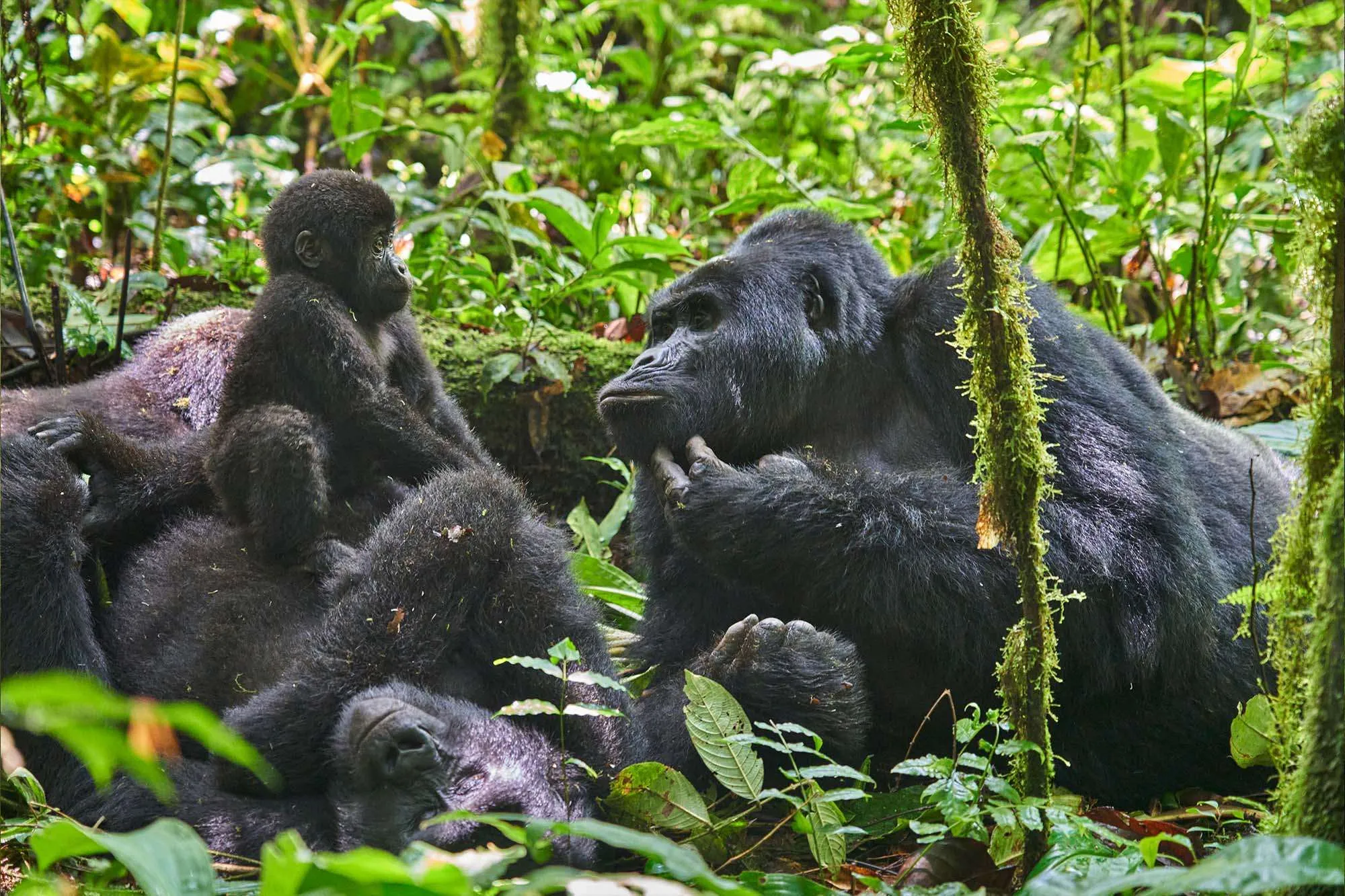

One of the reasons people find Gorilla Trekking Difficulty Rwanda difficult to predict is because there is no standard trekking route. Unlike a marked hiking trail where visitors know the exact distance and elevation before starting, gorilla trekking involves following animals that move freely through the forest. The gorilla family assigned to visitors may be located near the starting point or deeper inside the forest.
Trackers enter the forest early in the morning to locate each gorilla family before visitors begin their trek. Their findings determine the route that the group will follow. This means the hiking distance can change from one day to another. A traveler may have a shorter experience one day and a longer, more demanding trek on another day.
However, the unpredictability is also what makes the experience special. Visitors are not simply following a tourist path; they are participating in a genuine wildlife adventure where nature determines the journey.
The trekking pace is usually slow and comfortable. Guides understand that visitors come from different backgrounds and have varying levels of fitness. They regularly stop to allow travelers to rest, drink water, adjust equipment, and enjoy the surrounding forest environment.
The focus is not reaching the gorillas as quickly as possible. The purpose is to enjoy the journey safely and responsibly while respecting the natural habitat of the animals.
Physical Challenges You Should Expect During Gorilla Trekking Rwanda
The main challenge of Gorilla Trekking Rwanda comes from the environment rather than the activity itself. Visitors should expect to walk through natural forest conditions that may include steep sections, uneven ground, and changing weather.
The terrain in Volcanoes National Park can vary significantly. Some areas contain relatively comfortable paths, while others may require walking through thick vegetation or climbing forest slopes. The volcanic landscape means visitors may encounter areas with loose soil, roots, and uneven surfaces.
Rain can also influence trekking conditions. Rwanda’s mountain forests receive rainfall throughout the year, and wet weather can make trails muddy and slippery. This is why proper hiking footwear is one of the most important preparations for the experience.
Although the trek can be physically demanding, visitors are not expected to move quickly. Guides maintain a manageable pace and provide assistance whenever necessary. Travelers who take their time and prepare properly usually find the experience enjoyable rather than overwhelming.
Why the Challenge Makes Gorilla Trekking More Rewarding
The physical effort involved in Gorilla Trekking Difficulty Rwanda is one of the reasons the experience feels so meaningful. Unlike seeing wildlife from a vehicle, reaching mountain gorillas requires visitors to enter their natural world and experience the environment where they live.
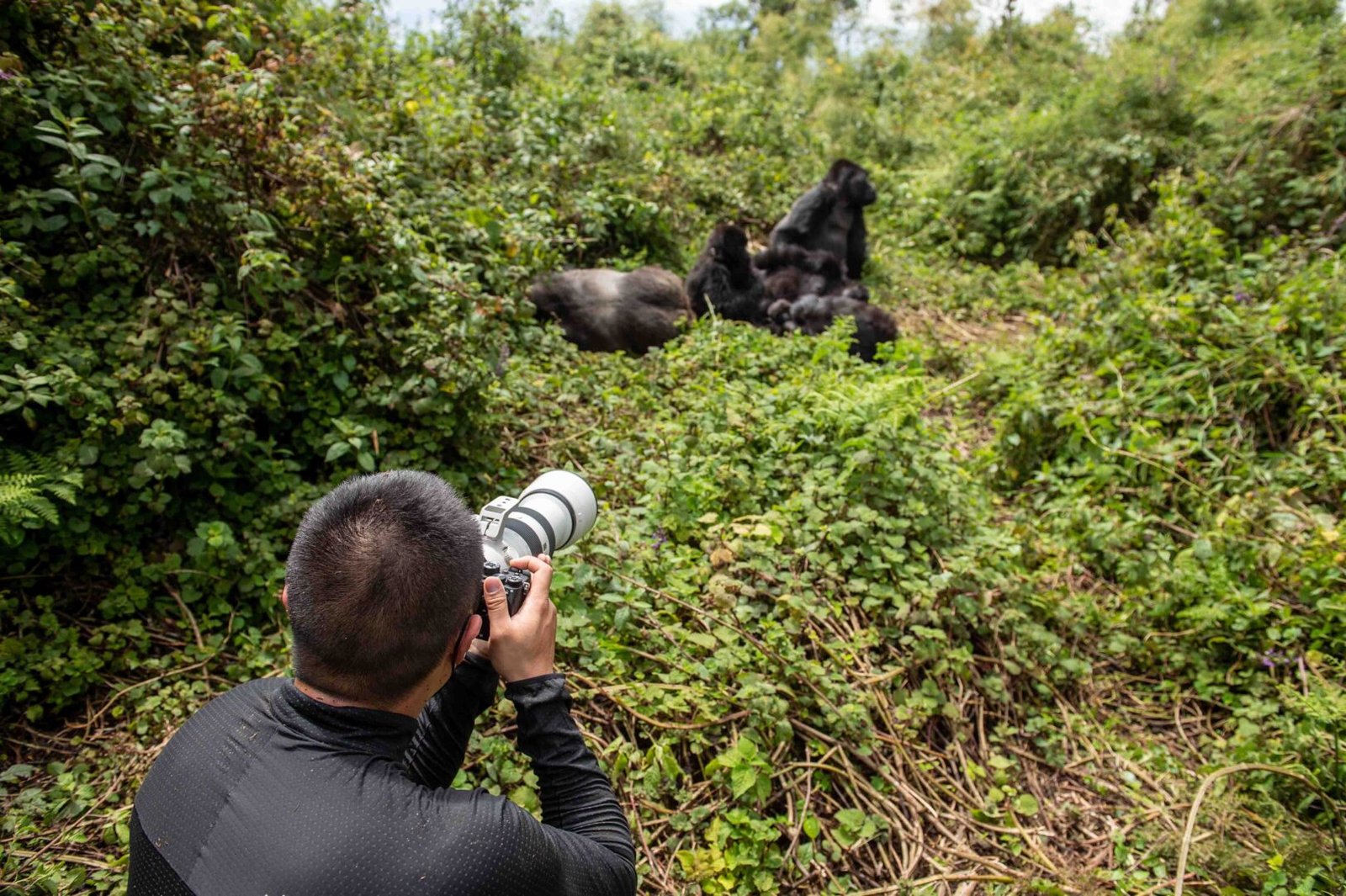
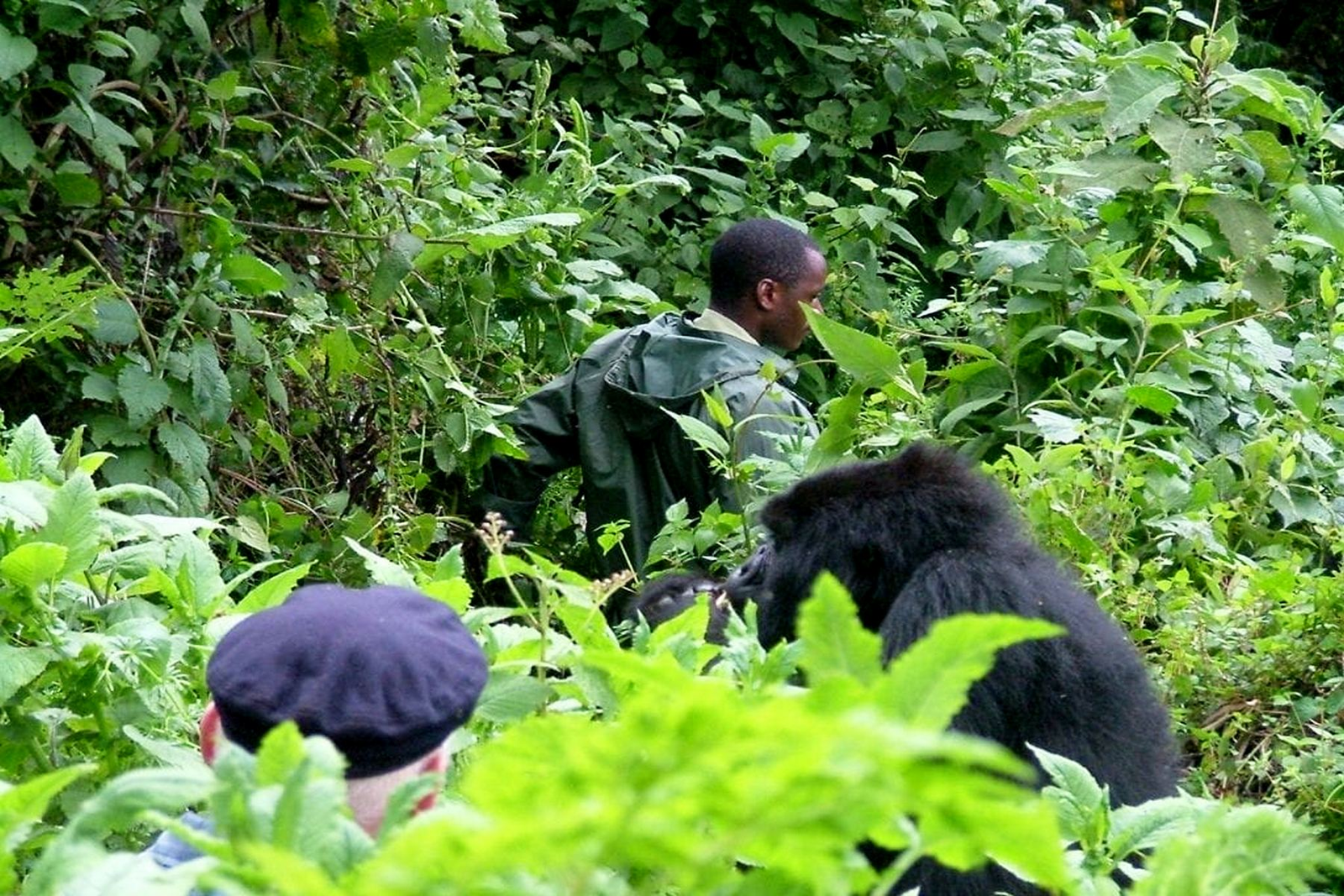
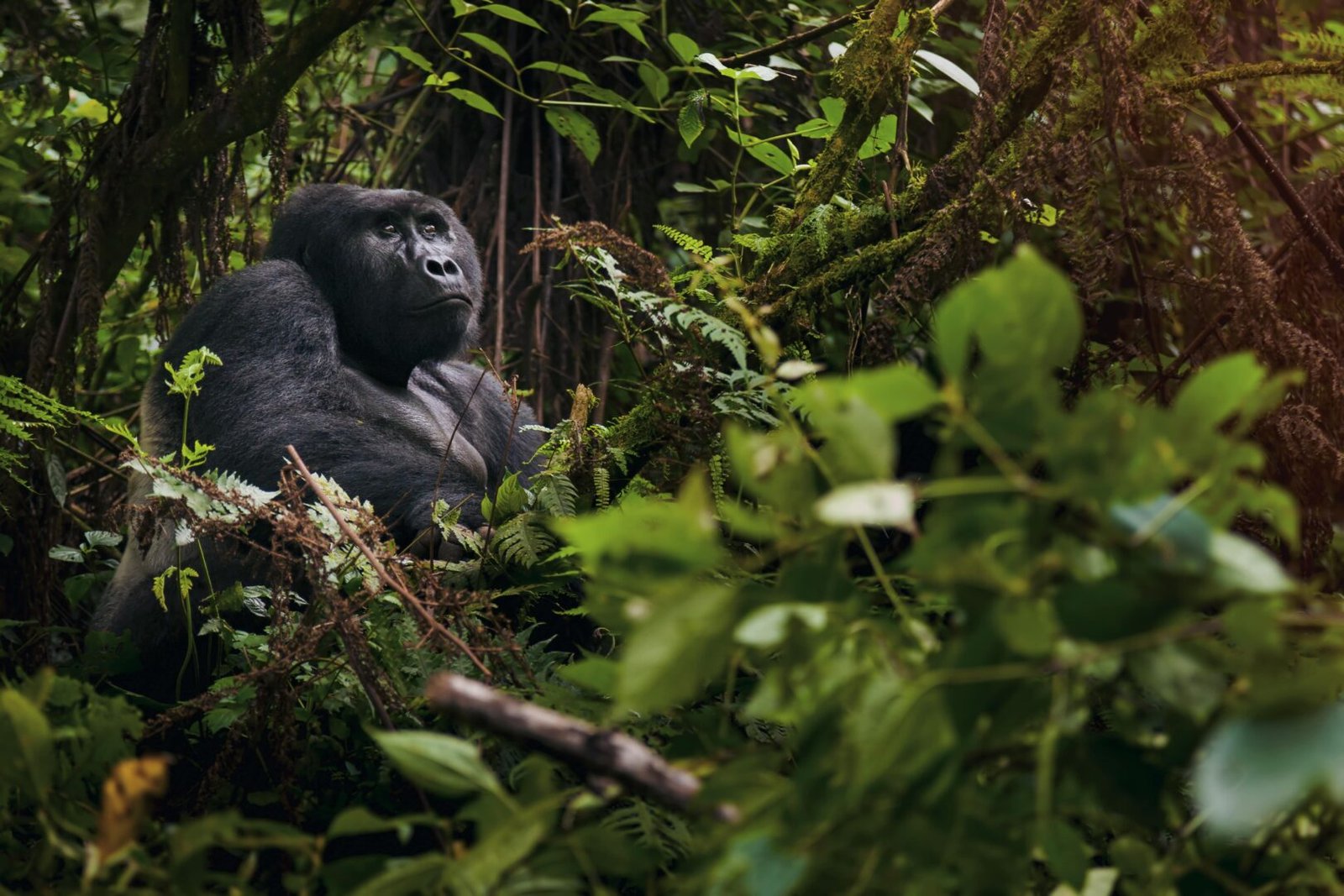
The journey through the forest creates a sense of discovery. Every trail, sound, and movement in the vegetation builds anticipation as travelers move closer to the gorilla family. The challenge creates a stronger emotional connection because visitors understand the effort involved in reaching these rare animals.
When travelers finally encounter the gorillas, the physical difficulty often becomes insignificant compared with the incredible experience of observing them. Watching a silverback protect its family, seeing young gorillas play, or observing mothers caring for their infants creates memories that remain long after the safari ends.
The trek becomes more than a hike; it becomes a personal achievement and a connection with one of the world’s most fascinating species.
Gorilla Trekking Rwanda Compared With Normal Hiking
Although gorilla trekking involves hiking, it is different from a normal hiking expedition. The purpose is not reaching a mountain peak or completing a specific distance. The goal is finding and respectfully observing mountain gorillas.
During normal hiking, travelers often follow predetermined routes with known distances and difficulty levels. Gorilla trekking is different because the route changes depending on where the gorillas are located.
Another difference is the level of professional support available. Visitors are accompanied by trained guides and trackers who understand the forest environment and gorilla behavior. This support makes the experience more manageable, especially for travelers who may not have extensive hiking experience.
The combination of adventure, wildlife, and expert guidance makes gorilla trekking a unique experience unlike any traditional hike.
Who Can Successfully Complete Gorilla Trekking in Rwanda?
Many different types of travelers successfully complete gorilla trekking in Rwanda every year. Participants include experienced hikers, first-time adventurers, older travelers, couples, solo travelers, and families with eligible teenagers.
The most important factor is not age or previous experience but preparation. Travelers who maintain a reasonable level of fitness and approach the trek with patience usually have a successful experience.
Those who regularly walk, exercise, or participate in outdoor activities often find the trek manageable. Even travelers who are not highly athletic can participate successfully when they prepare correctly and use available support services.
The key is understanding that gorilla trekking is an adventure that requires effort, but it is designed to be accessible to many visitors.
Preparing Your Body for Gorilla Trekking Difficulty Rwanda
Preparation before your safari can significantly improve your trekking experience. Travelers do not need months of intense training, but improving endurance and strength before arriving in Rwanda is highly recommended.
Regular walking is one of the best ways to prepare. Long walks help improve stamina and make it easier to handle several hours of movement through the forest.
Walking on hills or uneven surfaces is also beneficial because it prepares the body for the natural terrain found in Volcanoes National Park. Simple exercises that strengthen the legs and improve balance can also make the trek more comfortable.
Mental preparation is equally important. Travelers should approach the experience with patience and understand that nature determines the pace of the adventure. The trek is not a competition, and taking time to enjoy the environment is part of the experience.
With the right preparation, Gorilla Trekking Difficulty Rwanda becomes a rewarding challenge rather than a major obstacle. The physical effort required creates a deeper appreciation for the rare opportunity to meet mountain gorillas in their natural habitat.
How Difficult Is Gorilla Trekking in Rwanda?
The difficulty level of Gorilla Trekking Difficulty Rwanda varies depending on several natural factors that can change from one day to another. Unlike a normal hiking experience where travelers follow a fixed route with a known distance, gorilla trekking is a wildlife adventure that follows the movements of mountain gorillas in their natural habitat. Since gorillas move freely through Volcanoes National Park in search of food, water, and comfortable resting areas, the exact trekking conditions cannot always be predicted before the journey begins.
For some travelers, the trek may be relatively short and comfortable, especially when the assigned gorilla family is located closer to the park headquarters or along accessible forest areas. These easier treks may involve a shorter walk through gentle sections of the forest before reaching the gorillas. However, other visitors may experience a more demanding adventure if the gorilla family has moved deeper into the forest or higher along the volcanic slopes.
On average, Gorilla Trekking in Rwanda can range from a moderate forest walk to a physically demanding hike lasting several hours. The challenge does not come from extreme distances but from the natural conditions of the environment. Walking through mountain rainforest requires stamina because travelers may encounter steep sections, uneven ground, thick vegetation, and changing weather conditions.
The unpredictability of the trek is one of the elements that makes the experience unique. Visitors are not following a controlled path designed only for tourists; they are entering the natural world of mountain gorillas. Every trek tells a different story because the forest, weather, and location of the gorilla family create a different experience every day.
The physical challenges of Gorilla Trekking Difficulty Rwanda mainly come from the terrain rather than the gorillas themselves. Mountain gorillas are calm and peaceful animals, and the trekking system is carefully designed to ensure safe encounters. The effort required is mostly related to walking through the forest environment and adapting to natural conditions.
Travelers should expect:
- Walking uphill and downhill through forest terrain
- Crossing uneven trails covered with roots and vegetation
- Moving through dense rainforest areas
- Possible muddy conditions after rainfall
- Adjusting to high-altitude environments
- Spending several hours outdoors
Although these conditions may sound challenging, the trek is completed at a comfortable pace. Guides understand that every visitor has different physical abilities, and they do not rush the group. The focus is on enjoying the journey, staying safe, and reaching the gorillas while respecting the natural environment.
Experienced guides and trackers play a major role in making the trek manageable. They understand the forest routes, monitor the location of the gorilla families, and adjust the pace according to the needs of the group. They provide regular opportunities for visitors to rest, drink water, take photographs, and appreciate the surroundings.
For many travelers, the excitement of approaching a gorilla family makes the physical effort feel worthwhile. The anticipation of walking through the misty forests of Volcanoes National Park, hearing the sounds of the rainforest, and knowing that a family of mountain gorillas is nearby creates a sense of adventure that cannot be compared with ordinary wildlife viewing.
When visitors finally reach the gorillas, the challenge of the trek often becomes a small part of the overall memory. Watching a powerful silverback resting peacefully, observing young gorillas playing, or seeing family interactions in the wild creates an unforgettable experience that rewards every step taken through the forest.
What Factors Affect Gorilla Trekking Difficulty in Rwanda?
Several important factors determine how challenging your Gorilla Trekking Rwanda experience will be. Understanding these factors allows travelers to prepare properly, choose suitable expectations, and enjoy their adventure more comfortably.
No two gorilla treks are exactly the same because the experience depends on natural conditions that change daily. While Rwanda has excellent trekking systems and professional guides, nature always plays the biggest role in determining the difficulty level.
Location of the Gorilla Family
The location of the assigned gorilla family is the biggest factor influencing Gorilla Trekking Difficulty Rwanda. Mountain gorillas are wild animals, meaning they do not remain in one location for tourism purposes. They move through the forest depending on food availability, weather conditions, social activities, and natural behavior.
Some gorilla families may spend time closer to areas that are easier to access, allowing visitors to enjoy a shorter and less demanding trek. These experiences are often preferred by travelers who have limited hiking experience, older visitors, or those who want a more relaxed adventure.
However, other gorilla families may move farther into the forest or higher into the mountain slopes. Reaching these groups may require longer walking distances, steeper climbs, and more physical endurance. These longer treks can be challenging but often provide an even deeper sense of adventure because travelers journey further into the untouched rainforest environment.
The location of the gorilla family is usually determined on the morning of the trek after trackers enter the forest and locate the animals. Because of this, travelers cannot always know in advance exactly how easy or difficult their trek will be.
This natural uncertainty is one of the reasons gorilla trekking feels authentic. Visitors are not visiting animals in a fixed location but following the movements of wild creatures in their natural ecosystem.
Professional trackers play a critical role in this process. They leave early every morning to locate the gorilla groups, observe their movements, and communicate with guides before visitors begin their trek. Their knowledge ensures that travelers follow the safest and most suitable route possible.
Terrain and Forest Conditions
The landscape of Volcanoes National Park is another major factor affecting Gorilla Trekking Difficulty Rwanda. The park is located within the Virunga Mountains, an area famous for volcanic landscapes, high elevations, and lush rainforest vegetation.
The terrain is naturally beautiful but can be physically demanding. Unlike walking on a paved trail or a flat nature path, gorilla trekking takes place in a real mountain forest environment.
During the trek, visitors may encounter:
- Steep mountain paths
- Uneven forest trails
- Volcanic soil
- Thick vegetation
- Bamboo forests
- Tree roots and natural obstacles
- Muddy sections after rainfall
- Slippery areas
These conditions require careful walking and proper preparation. Travelers should expect a genuine rainforest adventure where the environment changes throughout the journey.
Steep sections can require more effort, especially at higher elevations. Visitors may need to walk slowly, take breaks, and use their hands occasionally for balance when moving through certain areas. This is completely normal during a forest trek and is part of the authentic experience.
Rainfall can also influence trail conditions. Rwanda’s mountain forests receive moisture throughout the year, and even during generally dry periods, unexpected rain showers can occur. Wet conditions can make some trails slippery, which is why waterproof hiking shoes with strong grip are highly recommended.
Proper footwear is one of the most important preparations for gorilla trekking. Comfortable hiking boots provide stability, protect the feet, and make walking through muddy or uneven terrain much easier.
Clothing also plays an important role. Long trousers and long-sleeved shirts protect visitors from vegetation while walking through the forest. A waterproof jacket helps travelers remain comfortable if weather conditions change during the trek.
Although the terrain can be challenging, it is important to remember that the journey is guided by experienced professionals. Guides know the forest environment and help visitors navigate difficult sections safely.
Weather Conditions and Their Impact on Trekking Difficulty
Weather is another factor that can influence how challenging Gorilla Trekking in Rwanda feels. Volcanoes National Park has a mountain climate, meaning temperatures and conditions can change quickly.
Cool mornings, afternoon rain showers, and humid forest conditions are common. These weather patterns contribute to the park’s rich vegetation and beautiful landscapes, but they also affect trekking conditions.
During rainy periods, trails may become softer and muddier, increasing the physical effort required. Travelers may need to walk more carefully and take additional time when moving through slippery sections.
However, rain does not stop gorilla trekking. Guides and trackers are experienced in managing different weather conditions and continue to ensure visitors have a safe and enjoyable experience.
Many travelers find that the changing weather adds to the magic of the adventure. Walking through mist-covered forests and experiencing the atmosphere of the Virunga Mountains creates a unique feeling that cannot be found in ordinary wildlife experiences.
Fitness Level and Personal Preparation
Personal fitness is another important factor that determines how difficult Gorilla Trekking Difficulty Rwanda feels. The same trek may feel easy for one traveler and more challenging for another depending on their physical condition.
Visitors do not need to be professional hikers or extremely athletic. However, being comfortable with walking for several hours, climbing gentle slopes, and spending time outdoors will make the experience much easier.
Preparing before the trip can greatly improve comfort. Regular walking, hiking practice, and endurance exercises help the body adjust to the physical demands of the trek.
Travelers should also maintain a positive mindset. Gorilla trekking is not about speed or competition. It is about experiencing nature, moving at a comfortable pace, and enjoying one of the world’s most extraordinary wildlife encounters.
With proper preparation, professional support, and realistic expectations, most travelers can successfully complete Gorilla Trekking in Rwanda and enjoy the unforgettable reward waiting at the end of the trail.
Does Altitude Make Gorilla Trekking Rwanda More Difficult?
Altitude is an important factor when discussing Gorilla Trekking Difficulty Rwanda because Volcanoes National Park is located within the Virunga Mountains, a high-altitude volcanic region in northern Rwanda. The elevation of the park creates a unique environment with cool temperatures, misty forests, and dramatic mountain landscapes, but it can also influence how physically demanding the trek feels for some visitors.
Many travelers who are accustomed to lower elevations may notice that walking at higher altitudes requires more effort. Activities such as climbing slopes, walking for extended periods, or moving through uneven forest terrain can feel more challenging because the body may need to work harder to maintain energy levels.
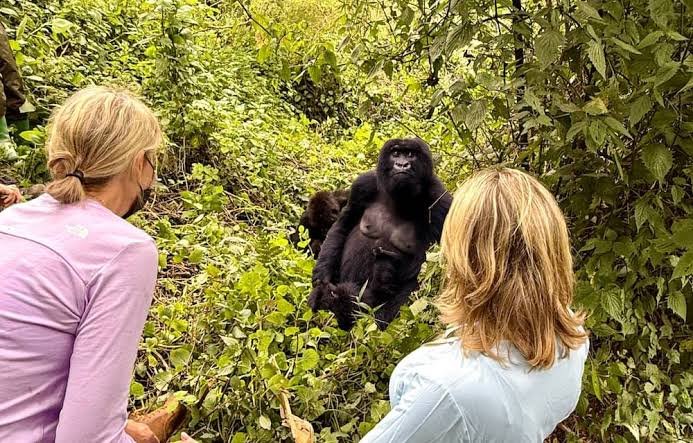
Visitors who are not used to higher elevations may experience temporary effects such as faster breathing, feeling tired more quickly, or needing additional rest breaks during the trek. These reactions are normal and usually manageable, especially when travelers maintain a steady pace and avoid rushing.
However, altitude should not discourage visitors from experiencing Gorilla Trekking in Rwanda. Thousands of travelers with different fitness levels successfully complete the trek every year. The key is understanding your body, preparing properly, and allowing yourself enough time to adjust before the activity.
Many visitors spend time in Kigali or other parts of Rwanda before traveling to Volcanoes National Park. This gradual transition allows the body to become familiar with Rwanda’s climate and elevation before beginning the trek. Arriving a day or two before trekking can also help travelers rest after international flights and prepare mentally and physically for the adventure.
Hydration is another important factor when trekking at higher elevations. Drinking enough water before and during the trek helps maintain energy levels and reduces the effects of physical exhaustion. Visitors should also eat a nutritious breakfast before heading to the park because gorilla trekking can require several hours of walking.
During the trek, professional guides carefully monitor the group and encourage visitors to move at a comfortable pace. There is no pressure to walk quickly because gorilla trekking is not a race. The purpose is to enjoy the forest, appreciate the surroundings, and safely reach the gorilla family.
Guides are experienced in working with travelers from around the world, including those who may not be familiar with mountain environments. They understand when visitors need breaks and adjust the pace according to the group’s ability.
The high-altitude environment is also part of what makes Gorilla Trekking Difficulty Rwanda such a unique experience. Walking through mist-covered mountain forests, surrounded by volcanic landscapes and incredible biodiversity, creates an atmosphere that cannot be experienced during ordinary wildlife safaris.
For many travelers, the effort required because of altitude becomes part of the achievement. Reaching the gorillas after hiking through the mountain forest creates a stronger sense of connection and appreciation for the experience.
With proper preparation, a steady pace, and professional guidance, altitude is not a major obstacle for most visitors. Instead, it adds to the adventure and makes Rwanda gorilla trekking a truly memorable journey.
Is Gorilla Trekking in Rwanda Difficult for Beginners?
Many first-time hikers successfully complete Gorilla Trekking in Rwanda every year, proving that the experience is not only for experienced outdoor enthusiasts. Although the trek requires some physical effort, beginners can participate comfortably when they prepare properly and approach the adventure with realistic expectations.
One of the biggest concerns among first-time visitors is whether they need previous hiking experience. The answer is no. Gorilla trekking does not require professional hiking skills, mountain climbing experience, or advanced fitness levels. The most important requirements are a reasonable level of physical ability, patience, and willingness to experience an outdoor adventure.
Beginners should understand that gorilla trekking is different from a typical sightseeing activity. It involves walking through a natural forest environment where conditions can change throughout the journey. The experience may include uphill sections, uneven trails, muddy areas, and walking through dense vegetation.
However, the trek is carefully managed to support visitors with different abilities. Guides understand that some travelers are experienced hikers while others are participating in their first major outdoor activity. They provide instructions, encouragement, and support throughout the entire journey.
The pace of the trek is adjusted according to the group. Visitors are encouraged to walk slowly, take breaks when necessary, drink water, and enjoy the environment rather than focusing only on reaching the gorillas quickly.
For beginners, preparation before the trip can make a significant difference. Regular walking, improving stamina, and practicing on uneven surfaces can help the body become more comfortable with the conditions expected during the trek.
Simple activities such as daily walks, weekend hikes, or regular exercise can improve endurance and confidence. Travelers do not need intense training, but being active before arriving in Rwanda can make the experience much easier.
Choosing the right equipment is also important for beginners. Comfortable hiking boots, suitable clothing, and rain protection can greatly improve the trekking experience. Many first-time hikers find that having the right gear gives them more confidence while moving through the forest.
Hiring a porter is another excellent option for beginners. Porters provide practical assistance by carrying backpacks, helping visitors navigate difficult sections, and offering encouragement throughout the trek. Their support allows travelers to focus more on enjoying the experience.
Beginners should also maintain the right mindset. Gorilla trekking is not about completing the fastest hike or reaching the gorillas before everyone else. It is about experiencing nature, learning about conservation, and enjoying a rare wildlife encounter.
Many first-time trekkers finish the experience surprised by how achievable it was. The physical challenge becomes a rewarding part of the adventure, especially when they finally encounter mountain gorillas in their natural environment.
With proper preparation, professional support, and a positive attitude, Gorilla Trekking in Rwanda is achievable for beginners and can become one of the most unforgettable experiences of their lives.
Is Gorilla Trekking Rwanda Difficult for Older Travelers?
Age does not automatically prevent someone from enjoying Gorilla Trekking in Rwanda. Many older travelers successfully participate in gorilla trekking and describe it as one of the most meaningful wildlife experiences they have ever had.
The most important factors are not age alone but overall health, mobility, fitness level, and personal preparation. A healthy traveler in their 60s or 70s may find the trek manageable, while a younger traveler with limited fitness may find it more challenging.
Before booking a trek, older travelers should honestly consider their ability to walk for several hours on uneven terrain. Gorilla trekking takes place in a natural forest environment, so visitors should be comfortable with walking, gentle climbing, and spending time outdoors.
The good news is that Rwanda’s gorilla trekking system provides several forms of support that make the experience more accessible. Guides, trackers, and porters work together to assist visitors and ensure everyone has the best possible experience.
One of the most valuable options for older travelers is hiring a porter. Porters provide physical assistance throughout the trek, including carrying backpacks, helping on steep sections, and offering support when trails become difficult.
Beyond practical assistance, porters also provide encouragement. Their experience with the forest environment allows them to understand the challenges visitors may face and offer help when needed.
Older travelers should also communicate their needs before the trek. Informing the safari operator and guides about fitness levels allows them to recommend suitable arrangements and provide appropriate support.
Additional preparation can also improve the experience. Before traveling, older visitors can focus on:
- Regular walking exercises
- Improving stamina
- Strengthening leg muscles
- Practicing balance activities
- Building confidence with outdoor walks
Choosing comfortable hiking equipment is equally important. Good footwear, lightweight clothing, and proper rain protection can prevent discomfort and make the trek easier.
Many older travelers also prefer combining gorilla trekking with comfortable accommodation and a relaxed itinerary. Staying in a quality lodge near Volcanoes National Park allows time for rest before and after the trek, creating a more enjoyable experience.
The beauty of gorilla trekking is that it is not only about physical ability. It is about curiosity, appreciation for nature, and the desire to experience one of the world’s most extraordinary wildlife encounters.
With realistic preparation and the right support, Gorilla Trekking Difficulty Rwanda can be managed successfully by many older travelers. The challenge becomes a rewarding achievement, and the moment of seeing mountain gorillas in the wild makes every effort worthwhile.
How Long Does Gorilla Trekking in Rwanda Take?
The duration of Gorilla Trekking in Rwanda varies depending on several factors, with the location of the gorilla family being the most important. Unlike a normal hiking trail where travelers know the exact distance, route, and estimated completion time before starting, gorilla trekking follows the natural movements of mountain gorillas inside Volcanoes National Park.
Mountain gorillas are wild animals that move through the forest depending on their feeding patterns, social activities, weather conditions, and resting locations. Because of this, the distance travelers need to cover before reaching a gorilla family can change every day. Some groups may be located relatively close to the park boundaries, while others may have moved deeper into the forest, requiring a longer and more physically demanding hike.
A typical Gorilla Trekking Rwanda experience usually takes several hours from the moment visitors arrive at the park headquarters until they return after meeting the gorillas. The entire activity involves preparation, hiking, the gorilla encounter, and the journey back.
The experience generally includes:
- Arrival and registration at the park headquarters
- Safety briefing and trekking instructions
- Assignment of gorilla families and trekking groups
- Meeting professional guides and trackers
- Transfer to the trekking starting point
- Hiking through the forest environment
- Searching for the assigned gorilla family
- Observing the gorillas in their natural habitat
- Returning safely from the forest
The morning usually begins with registration and briefing at the Volcanoes National Park headquarters. During this time, visitors receive important information about the trek, including safety guidelines, gorilla behavior, and what to expect during the forest adventure.
After the briefing, visitors are grouped according to the gorilla family they will visit. Experienced trackers then guide each group toward the location of the gorillas. The actual hiking time begins once visitors enter the forest.
For some travelers, the hike to the gorillas may take less than an hour. These shorter treks are often possible when the assigned gorilla family is located closer to accessible forest areas. They can be ideal for visitors who prefer a less physically demanding experience or those with limited hiking ability.
However, some treks may require several hours of walking. Longer hikes can involve steeper terrain, thicker vegetation, and higher elevations. Although these treks require more physical effort, many travelers find them even more rewarding because they provide a deeper sense of adventure and exploration.
The uncertainty of the trekking duration is part of what makes the experience special. Visitors are not simply following a planned route; they are entering a living ecosystem and following the movements of endangered mountain gorillas in their natural environment.
The time spent with the gorillas is also carefully controlled to protect the animals and maintain responsible tourism standards. Once the gorilla family is found, visitors usually spend a limited period observing their behavior, taking photographs, and appreciating the unique opportunity to be close to these incredible creatures.
During the encounter, visitors may watch gorillas feeding, moving through vegetation, playing, resting, or interacting with family members. Every moment is different because the experience depends on the natural behavior of the animals.
After the gorilla viewing experience, visitors begin their return journey through the forest. The return hike may feel easier because travelers are filled with excitement and satisfaction after meeting the gorillas.
The guides and trackers remain with visitors throughout the entire experience, ensuring safety, managing the pace, and providing support whenever needed. They understand that visitors have different fitness levels and make sure the trek remains enjoyable rather than stressful.
For travelers concerned about the duration, preparation is the best approach. Carrying enough water, wearing comfortable hiking shoes, and maintaining a steady pace can make the experience much easier.
Ultimately, the time required for Gorilla Trekking Difficulty Rwanda should not be viewed only as a physical challenge. The hours spent walking through the rainforest are part of the adventure and contribute to the unforgettable feeling of finally encountering mountain gorillas in the wild.
What Fitness Level Is Needed for Gorilla Trekking Rwanda?
A moderate level of fitness is recommended for Gorilla Trekking Difficulty Rwanda, but visitors do not need to be professional athletes or experienced mountain hikers. The experience is designed for travelers with different backgrounds and abilities, and many people successfully complete the trek after making basic preparations.
The main physical requirement is being comfortable with walking for several hours through a natural forest environment. Gorilla trekking involves more than ordinary walking because the terrain can include hills, uneven paths, muddy sections, and areas with thick vegetation.
Travelers should be prepared for:
- Walking uphill and downhill
- Standing and moving for extended periods
- Navigating uneven forest trails
- Adjusting to changing weather conditions
- Maintaining energy during a longer outdoor activity
However, the trek is completed at a relaxed pace. Guides understand that visitors have different fitness levels and do not expect everyone to move quickly. Regular breaks are provided, allowing travelers to rest, drink water, recover energy, and enjoy the surrounding forest.
The most important preparation is building endurance before the trip. Travelers who regularly walk, exercise, or participate in outdoor activities often find the trek much easier.
Recommended preparation includes:
Regular Walking Exercises
Walking is one of the best ways to prepare for gorilla trekking. Increasing your walking distance before traveling helps your body become comfortable with spending several hours on your feet.
Long walks several times a week can improve stamina and reduce tiredness during the actual trek. If possible, practicing on hills or uneven surfaces is even better because it prepares your body for the conditions found in Volcanoes National Park.
Hiking Practice
Travelers who have access to hiking trails can benefit from practicing before their trip. Hiking helps improve balance, endurance, and confidence when moving through natural environments.
Even short hikes can help because they prepare your muscles for walking on slopes and uneven ground.
Building Stamina
Gorilla trekking requires patience and endurance rather than speed. Building cardiovascular fitness through activities such as walking, cycling, swimming, or other regular exercises can improve your ability to complete the trek comfortably.
Better stamina allows you to enjoy the experience instead of focusing only on physical effort.
Strengthening Leg Muscles
Because the trek may involve climbing and descending slopes, stronger leg muscles can make the experience easier. Simple exercises such as walking uphill, squats, and step exercises can help prepare your legs.
Strong legs also improve balance, especially when walking through muddy or uneven sections.
Practicing Outdoor Activities
Spending time outdoors before your trip can help you become comfortable with natural conditions. Activities such as nature walks, hiking, or long-distance walking can prepare you mentally and physically for the rainforest environment.
Preparation is not only about physical strength. Mental readiness is equally important. Travelers should understand that gorilla trekking is an adventure where conditions may change, and patience is necessary.
A positive attitude helps visitors enjoy the journey. Instead of viewing the trek only as a challenge, travelers should appreciate the forest scenery, sounds of nature, and excitement of searching for gorillas.
For travelers who are concerned about their fitness level, additional support is available. Hiring a porter is highly recommended because porters assist with carrying bags, helping on difficult sections, and providing encouragement throughout the trek.
Porters are especially valuable for older travelers, first-time hikers, and anyone who wants extra comfort during the experience.
The right preparation allows travelers to focus on what truly matters: enjoying the incredible opportunity to encounter mountain gorillas in their natural habitat.
With reasonable fitness, proper preparation, and professional support, Gorilla Trekking in Rwanda is achievable for most travelers and remains one of Africa’s most rewarding wildlife adventures.
I will create the full SEO-focused webpage for “Gorilla Trekking Difficulty Rwanda” with detailed sections, natural use of the focus keyword, no images, and no linked content.
Gorilla Trekking Difficulty Rwanda: Complete Hiking and Fitness Guide 2026–2030
Gorilla Trekking Difficulty Rwanda is one of the most important factors travelers consider before planning a mountain gorilla adventure in Volcanoes National Park. Many visitors dream of standing close to endangered mountain gorillas but often wonder whether they are physically prepared for the experience. Questions about hiking distance, forest conditions, altitude, age limitations, and fitness requirements are common among first-time gorilla trekkers.
The good news is that Gorilla Trekking in Rwanda is challenging but achievable for most travelers with reasonable fitness and proper preparation. The experience requires walking through a natural rainforest environment located within the Virunga Mountains, where conditions can vary from gentle forest paths to steep volcanic slopes. However, visitors are supported throughout the journey by professional guides, trackers, and local porters who make the adventure more comfortable and manageable.
Unlike a traditional safari where travelers remain inside a vehicle while viewing wildlife, gorilla trekking involves physically entering the forest habitat of mountain gorillas. This creates a deeper connection with nature but also means travelers should be prepared for an active outdoor experience. The level of difficulty depends on several factors, including the location of the gorilla family, weather conditions, terrain, altitude, and the individual fitness level of each traveler.
Volcanoes National Park, Rwanda’s main gorilla trekking destination, offers one of Africa’s most organized and rewarding wildlife experiences. Although the terrain can be demanding, the challenge is part of what makes the encounter so meaningful. Every step through the forest brings travelers closer to one of the world’s most incredible wildlife experiences.
How Difficult Is Gorilla Trekking in Rwanda?
The difficulty level of Gorilla Trekking Difficulty Rwanda varies depending on the conditions of each trekking day. There is no fixed route because mountain gorillas move naturally through the forest in search of food, shelter, and suitable resting areas. Because of this, some travelers may enjoy a shorter trek while others may experience a longer and more physically demanding hike.
On average, gorilla trekking in Rwanda can range from a relatively easy walk of less than an hour to several hours of hiking through mountainous rainforest terrain. The uncertainty of the gorillas’ location is part of the adventure because travelers are following wild animals rather than walking along a predictable tourist trail.
The main physical challenges come from the natural environment rather than the gorillas themselves. Travelers should expect uneven paths, forest vegetation, elevation changes, and possible muddy conditions. The trek requires patience and endurance, but it is completed at a comfortable pace rather than as a race.
Experienced guides understand that visitors have different abilities. They monitor the group’s pace, provide rest opportunities, and offer encouragement throughout the trek. The goal is to ensure that everyone enjoys the journey while safely reaching the gorilla family.
For many travelers, the anticipation and excitement of finding the gorillas make the physical effort worthwhile. The moment when visitors finally observe mountain gorillas in their natural habitat often becomes the highlight of their African adventure.
What Factors Affect Gorilla Trekking Difficulty in Rwanda?
Several factors determine how challenging your Gorilla Trekking Rwanda experience will be. Understanding these factors helps travelers prepare correctly and choose the right approach before arriving in Rwanda.
Location of the Gorilla Family
The location of the assigned gorilla family is the biggest factor affecting trekking difficulty. Mountain gorillas are wild animals that move through the forest every day, meaning their location changes constantly.
Some gorilla families may remain closer to the park boundary, resulting in a shorter and easier trek. Other families may move deeper into the forest or higher into the mountain slopes, requiring longer walking distances and more physical effort.
The location is usually determined on the morning of the trek after trackers locate the gorilla family. This means travelers cannot always predict exactly how difficult their trek will be in advance.
This natural unpredictability is what makes gorilla trekking different from ordinary hiking. Every trek provides a unique adventure and a genuine wildlife experience.
Terrain and Forest Conditions
The landscape of Volcanoes National Park plays a major role in determining trekking difficulty. The park is located within the Virunga Mountains, a region known for volcanic landscapes, forests, and high elevations.
Travelers may encounter:
- Steep mountain paths
- Uneven forest trails
- Thick vegetation
- Bamboo forests
- Muddy sections after rainfall
- Slippery areas
The forest environment is beautiful but naturally rugged. Visitors should expect a real rainforest adventure rather than a simple walking tour.
Strong hiking shoes with good grip are among the most important items to bring because they provide stability when walking through challenging sections. Comfortable clothing and proper preparation also make a significant difference.
Does Altitude Make Gorilla Trekking Rwanda More Difficult?
Altitude is another important consideration when discussing Gorilla Trekking Difficulty Rwanda. Volcanoes National Park sits at a high elevation within the Virunga volcanic region, meaning some travelers may notice that hiking requires more effort compared with walking at lower altitudes.
Visitors who are not accustomed to higher elevations may experience faster breathing or increased tiredness, especially when climbing steep sections. However, most travelers adapt well with a steady pace and proper hydration.
Taking time to rest before the trek can help the body adjust. Many visitors spend time in Kigali or nearby areas before reaching the park, allowing them to become comfortable with Rwanda’s environment.
During the trek, guides encourage visitors to walk slowly and maintain a comfortable rhythm. There is no need to hurry because the experience is about enjoying the forest and eventually reaching the gorillas safely.
Is Gorilla Trekking in Rwanda Difficult for Beginners?
Many first-time hikers successfully complete Gorilla Trekking in Rwanda every year. Previous hiking experience is helpful but not required. The most important factors are having reasonable fitness, preparing properly, and maintaining a positive attitude.
Beginners often worry that they need to be extremely athletic, but this is not the case. The trekking experience is designed for international visitors with different fitness levels.
Guides understand that some travelers are experienced hikers while others may be participating in their first major outdoor adventure. They provide support throughout the journey and adjust the pace according to the group.
First-time trekkers should focus on preparation rather than worrying about difficulty. Regular walking, light hiking practice, and improving endurance before the trip can make the experience much easier.
Is Gorilla Trekking Rwanda Difficult for Older Travelers?
Age does not automatically prevent someone from enjoying gorilla trekking. Many older travelers successfully complete Gorilla Trekking in Rwanda with proper planning and support.
The most important factors are overall health, mobility, and personal fitness rather than age alone. Travelers should honestly assess their ability to walk for several hours on uneven terrain before booking their trek.
Older visitors can make the experience easier by:
- Hiring a porter for additional support
- Informing their safari operator about their fitness level
- Choosing suitable trekking options
- Exercising before the trip
- Using comfortable hiking equipment
Porters provide valuable assistance by carrying backpacks, helping on difficult sections, and offering encouragement throughout the hike.
With proper preparation, many senior travelers find gorilla trekking to be an achievable and deeply rewarding experience.
How Long Does Gorilla Trekking in Rwanda Take?
The duration of a gorilla trek depends on the location of the gorilla family and the conditions of the day. There is no exact walking time because gorillas move naturally through the forest.
A complete trekking experience usually includes:
- Registration and briefing
- Group allocation
- Transportation to the starting point
- Forest hiking
- Gorilla viewing experience
- Return journey
The time spent hiking can vary significantly. Some visitors reach the gorillas relatively quickly, while others may spend several hours searching through the forest.
Regardless of the duration, guides ensure that visitors remain comfortable and safe throughout the experience.
What Fitness Level Is Needed for Gorilla Trekking Rwanda?
A moderate level of fitness is recommended for Gorilla Trekking Difficulty Rwanda. Travelers should be comfortable walking for several hours and handling uneven outdoor conditions.
You do not need to be a professional athlete, but preparing your body before the trip can greatly improve your experience.
Recommended preparation includes:
- Regular walking exercises
- Hiking practice
- Building stamina
- Strengthening legs
- Practicing outdoor activities
Travelers who prepare physically often find the trek more enjoyable because they can focus on the scenery, forest environment, and excitement of finding the gorillas.
What Should You Pack for a Difficult Gorilla Trek?
Packing the right equipment can make a significant difference during your gorilla trekking experience.
Important items include:
- Waterproof hiking boots
- Long trousers
- Long-sleeved shirts
- Rain jacket
- Comfortable backpack
- Drinking water
- Personal medication
- Insect repellent
- Gardening gloves
- Camera equipment
Waterproof clothing is especially important because mountain forests can experience rainfall throughout the year. Staying dry and comfortable allows travelers to enjoy the trek even when weather conditions change.
How to Make Gorilla Trekking Rwanda Easier
Although gorilla trekking requires effort, several strategies can make the experience more comfortable.
Hiring a porter is one of the best ways to reduce physical strain. Porters assist with carrying belongings and provide support on difficult sections of the trail.
Choosing appropriate accommodation near Volcanoes National Park also helps because travelers can rest properly before and after trekking.
Maintaining a slow and steady pace is another important factor. Rushing increases tiredness and reduces the opportunity to enjoy the beautiful forest environment.
Most importantly, travelers should listen to their guides. Their experience helps visitors navigate the forest safely and enjoy the best possible gorilla encounter.
Is Gorilla Trekking Difficulty Rwanda Worth the Challenge?
Yes, the physical challenge of Gorilla Trekking in Rwanda is absolutely worth it. The effort required to hike through the forest creates a stronger appreciation for the incredible experience waiting at the end of the trail.
Standing a few meters away from mountain gorillas, watching their family interactions, and witnessing their peaceful behavior is an experience unlike any other wildlife adventure.
The difficulty is not a barrier but part of the journey. It transforms the experience from simple sightseeing into a true adventure that connects travelers with nature.
With proper preparation, professional guidance, and the right mindset, most visitors can successfully complete gorilla trekking in Rwanda.
Final Thoughts: Understanding Gorilla Trekking Difficulty Rwanda
Gorilla Trekking Difficulty Rwanda should be viewed as a rewarding adventure rather than something impossible. While the trek requires physical effort, the experience is carefully managed to ensure visitors receive support throughout the journey.
The challenge comes from the natural environment, including forests, mountains, weather, and changing gorilla locations. However, professional guides, trackers, and porters make the experience achievable for travelers with different abilities.
For anyone willing to prepare properly and embrace the adventure, gorilla trekking in Rwanda offers one of the most unforgettable wildlife experiences on Earth.
The journey through the forest may test your body, but the moment you meet the mountain gorillas creates memories that last a lifetime.
Frequently Asked Questions About Gorilla Trekking Difficulty Rwanda
Is Gorilla Trekking Difficulty Rwanda very high?
No. Gorilla trekking is challenging but manageable for most travelers with average fitness and proper preparation.
How many hours do you hike during gorilla trekking in Rwanda?
The hiking time varies depending on the gorilla family location. Some treks take a short time while others may require several hours.
Do I need hiking experience for gorilla trekking in Rwanda?
No. Previous hiking experience is not required, although preparation and fitness improvement are recommended.
Can older travelers do gorilla trekking in Rwanda?
Yes. Many older travelers successfully participate with support from guides and porters.
What makes gorilla trekking difficult?
The main challenges are terrain, altitude, weather conditions, and the natural movement of gorilla families.
Can I hire a porter during gorilla trekking?
Yes. Porters provide assistance with carrying bags and navigating difficult sections of the trail.
Is gorilla trekking harder during the rainy season?
Rain can make trails muddy and slippery, but trekking remains possible throughout the year.
What fitness level is recommended for gorilla trekking?
A moderate fitness level is recommended. Travelers should be comfortable walking for several hours.
Are there easier gorilla trekking options in Rwanda?
Guides can consider visitor fitness levels when organizing trekking groups, although the final trek depends on gorilla location.
Is the difficulty of gorilla trekking worth it?
Yes. The challenge makes the encounter with mountain gorillas even more meaningful and memorable.