Kigali to Volcanoes National Park
Kigali to Volcanoes National Park is one of the most convenient and rewarding safari journeys in Rwanda, especially for travelers whose main interest is mountain gorilla trekking. The route connects Rwanda’s modern capital with the dramatic volcanic landscapes of the country’s northwestern region, allowing visitors to move from Kigali’s busy streets to the foothills of the Virunga Mountains within only a few hours. This relatively short distance is one of the major reasons Rwanda is considered one of Africa’s most accessible destinations for gorilla trekking.
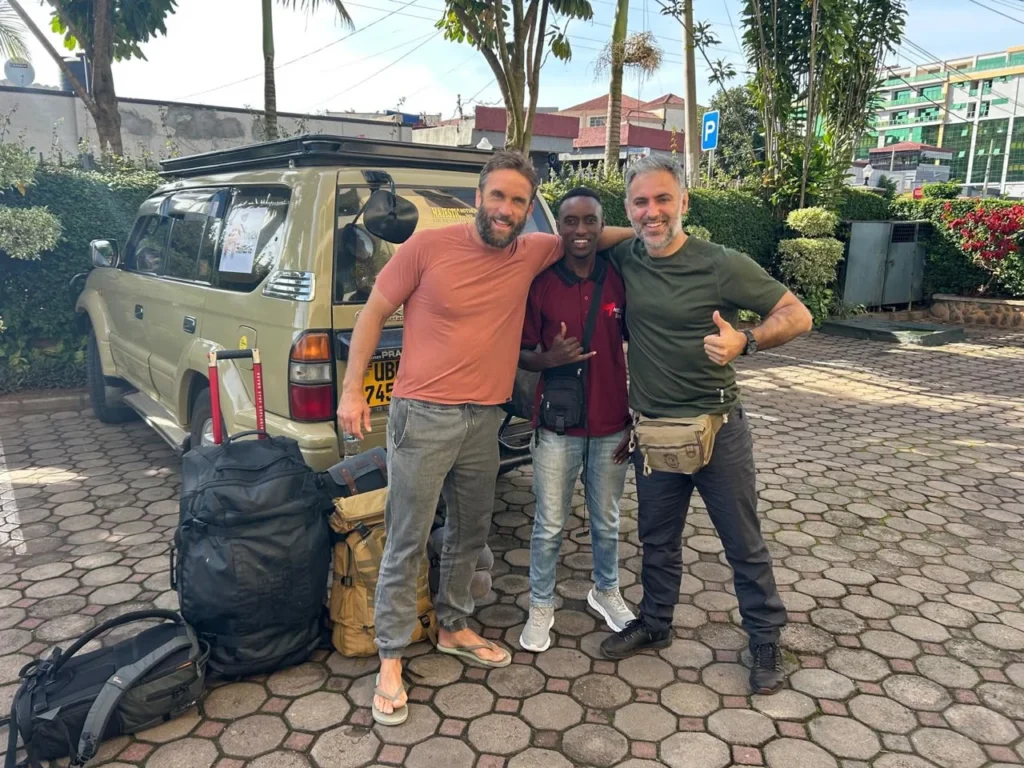
Volcanoes National Park lies in northwestern Rwanda, close to Musanze and Kinigi, and forms part of the greater Virunga Conservation Area that extends across Rwanda, Uganda and the Democratic Republic of Congo. The park is internationally famous for protecting mountain gorillas as well as golden monkeys and a rich variety of forest birds, plants and other wildlife. Its landscape is dominated by steep volcanic slopes, dense bamboo forests and mist-covered mountain scenery that creates one of the most distinctive safari environments in East Africa.
For international visitors, Kigali is the natural starting point for a journey to Volcanoes National Park because Kigali International Airport is Rwanda’s main international gateway. Travelers arriving from Europe, North America, Asia, the Middle East and other African countries can land in Kigali and continue directly toward the park or spend a night in the capital before beginning their safari. This flexibility makes the route particularly suitable for short gorilla trekking trips, longer Rwanda holidays, honeymoon safaris, photography tours, family journeys and combined East African itineraries.
The drive from Kigali is also much more than a simple road transfer. Leaving the city, travelers gradually enter Rwanda’s famous countryside, characterized by rolling hills, cultivated valleys, small farming communities and green terraced slopes. The scenery becomes increasingly dramatic as the journey continues north, and on clear days the Virunga volcanoes begin to appear on the horizon long before reaching Musanze.
This gradual transition from city landscapes to volcanic wilderness gives travelers an excellent introduction to Rwanda. Instead of spending an entire day traveling between safari destinations, visitors can enjoy a comfortable road journey and still have enough time to relax at their lodge, explore Musanze or prepare for an early-morning gorilla trek the following day.
How Far Is Kigali to Volcanoes National Park?
The journey from Kigali to Volcanoes National Park normally takes approximately 2½ to 3 hours by road, although the exact travel time depends on several factors, including the starting point in Kigali, traffic conditions, weather, planned stops and the location of the traveler’s lodge.
Musanze is the main town serving Volcanoes National Park and acts as the principal commercial and tourism center in northern Rwanda. Under normal road conditions, travelers can generally reach Musanze from central Kigali in around two and a half hours. From Musanze, it normally takes an additional 20 to 30 minutes to reach Kinigi, depending on the exact destination and road conditions.
Kinigi is particularly important because it is the main gateway area for gorilla trekking and other activities inside Volcanoes National Park. Many lodges are located around Kinigi specifically because of their convenient access to the park headquarters and different trekking starting points. Travelers staying closer to the park therefore enjoy shorter early-morning transfers on the day of their gorilla trek.
Visitors beginning the journey directly from Kigali International Airport should normally allow around three hours or slightly more before reaching accommodation around Kinigi. Immigration procedures, baggage collection, meeting a driver-guide and traffic leaving the airport can slightly increase the total journey time. Travelers arriving on a morning flight can usually continue directly to the park region, while those arriving late in the evening may prefer to spend their first night in Kigali.
The actual road distance between Kigali and the Volcanoes National Park region is relatively short compared with many African safari routes. This makes it possible to plan two-day or three-day gorilla trekking trips without spending excessive time on the road. Travelers with very limited time can even attempt a one-day gorilla trekking excursion from Kigali, although this requires an extremely early departure and a long day.
The route is largely paved and generally comfortable throughout the year. Rwanda has a relatively good road network, and the main highway connecting Kigali with Musanze is used regularly by local residents, commercial vehicles and safari operators. Some smaller roads leading toward lodges, farms or individual trailheads may be narrower or less smooth, particularly during periods of heavy rain.
Unlike remote wildlife areas where several hours of rough off-road travel may be necessary, the Kigali–Volcanoes route can usually be completed comfortably in a standard safari vehicle. However, a four-wheel-drive vehicle remains particularly useful for reaching certain lodges and trekking areas, especially during wetter months.
What Is the Road From Kigali to Volcanoes National Park Like?
The road from Kigali to Volcanoes National Park is generally scenic, paved and suitable for year-round travel. The journey begins in Rwanda’s capital, where travelers pass through urban neighborhoods, commercial areas and residential districts before gradually entering the countryside.
As the road continues north, the landscape changes significantly. Rwanda is widely known as the “Land of a Thousand Hills,” and this description becomes increasingly obvious during the journey. Roads wind through green valleys, cultivated hillsides and highland farming areas, giving visitors an opportunity to see everyday rural life.
Travelers pass through small towns and roadside settlements where local markets, farming activities and village life provide a completely different atmosphere from Kigali. The countryside is often covered with crops such as potatoes, maize, beans and vegetables, while eucalyptus trees and other vegetation line many sections of the road.
As Musanze approaches, the Virunga Mountains become the dominant feature of the landscape. Their steep volcanic silhouettes rise above surrounding farmland, creating an impressive backdrop and signaling that travelers are entering the Volcanoes National Park region.
The road can occasionally be affected by fog or heavy rainfall, particularly around the mountainous northern region. Experienced safari drivers therefore adjust their speed according to visibility and road conditions. These weather changes are part of the natural character of the region and often create beautiful views of mist moving across the hills and volcanic peaks.
Kigali International Airport to Volcanoes National Park
Traveling directly from Kigali International Airport to Volcanoes National Park is a popular option for visitors whose flights arrive early enough in the day. After completing immigration and baggage collection, travelers can meet their safari driver-guide at the airport and begin the journey north.
A direct airport transfer is particularly convenient for visitors on short itineraries because it eliminates the need to spend an additional night in Kigali. A morning or early-afternoon arrival normally provides sufficient time to reach the Musanze or Kinigi area before evening.
However, travelers arriving late at night should normally consider staying in Kigali before traveling north the following morning. This avoids unnecessary night driving and allows visitors to begin the journey rested after a long international flight.
Travelers should also avoid planning a gorilla trek immediately after arriving in Rwanda on the same morning. Gorilla trekking begins early, and travelers need to report to the park briefing area before heading into the forest. Spending the previous night near Volcanoes National Park creates a far more comfortable and reliable schedule.
Kigali to Musanze
Musanze is the largest town near Volcanoes National Park and serves as the main gateway for visitors traveling from Kigali. It is also an important place for restaurants, shops, fuel stations, local markets, accommodation and other travel services.
The drive from Kigali to Musanze normally takes around two and a half hours under favorable conditions. Once visitors reach Musanze, they are already very close to the Virunga Mountains and Volcanoes National Park.
Musanze can be a good accommodation base for travelers seeking more affordable lodging options compared with properties located immediately beside the national park. It is also convenient for visitors who want access to town facilities before or after gorilla trekking.
However, travelers staying in Musanze should allow sufficient time for the early-morning drive toward Kinigi on their trekking day. This is normally straightforward when transport is arranged in advance.
Musanze to Kinigi and Volcanoes National Park
Kinigi lies closer to the main park headquarters and is one of the most important locations for visitors planning gorilla trekking. The drive from Musanze toward Kinigi generally takes around 20 to 30 minutes depending on the lodge, traffic and road conditions.
The Kinigi area has developed into an important tourism zone because of its proximity to Volcanoes National Park. Numerous lodges and guesthouses are positioned around the surrounding countryside, many offering spectacular views of the Virunga volcanoes.
Staying in Kinigi is particularly convenient for travelers who want to minimize driving time before gorilla trekking. Since trekkers need to report early in the morning, accommodation close to the briefing area allows guests to enjoy breakfast at a more relaxed pace before transferring to the park headquarters.
Is the Kigali to Volcanoes National Park Road Safe?
The main road between Kigali and Musanze is widely used and is generally considered suitable for tourism travel. Most visitors make the journey in private safari vehicles operated by experienced local driver-guides.
Drivers familiar with the route understand the steep sections, busy areas and weather conditions that can influence travel. This is particularly important during rainfall or early-morning departures when fog may reduce visibility in some highland areas.
Travelers should avoid rushing the journey because road safety is more important than maintaining an exact arrival time. Private transfers are therefore often preferred because they allow the driver to adjust the journey based on conditions rather than following a rigid public transport schedule.
Private Transfer From Kigali to Volcanoes National Park
A private transfer is one of the most convenient ways to travel between Kigali and Volcanoes National Park. Guests are normally collected from their hotel, residence or Kigali International Airport and driven directly to their chosen lodge.
“`html id=”rwanda-volcanoes-three-images”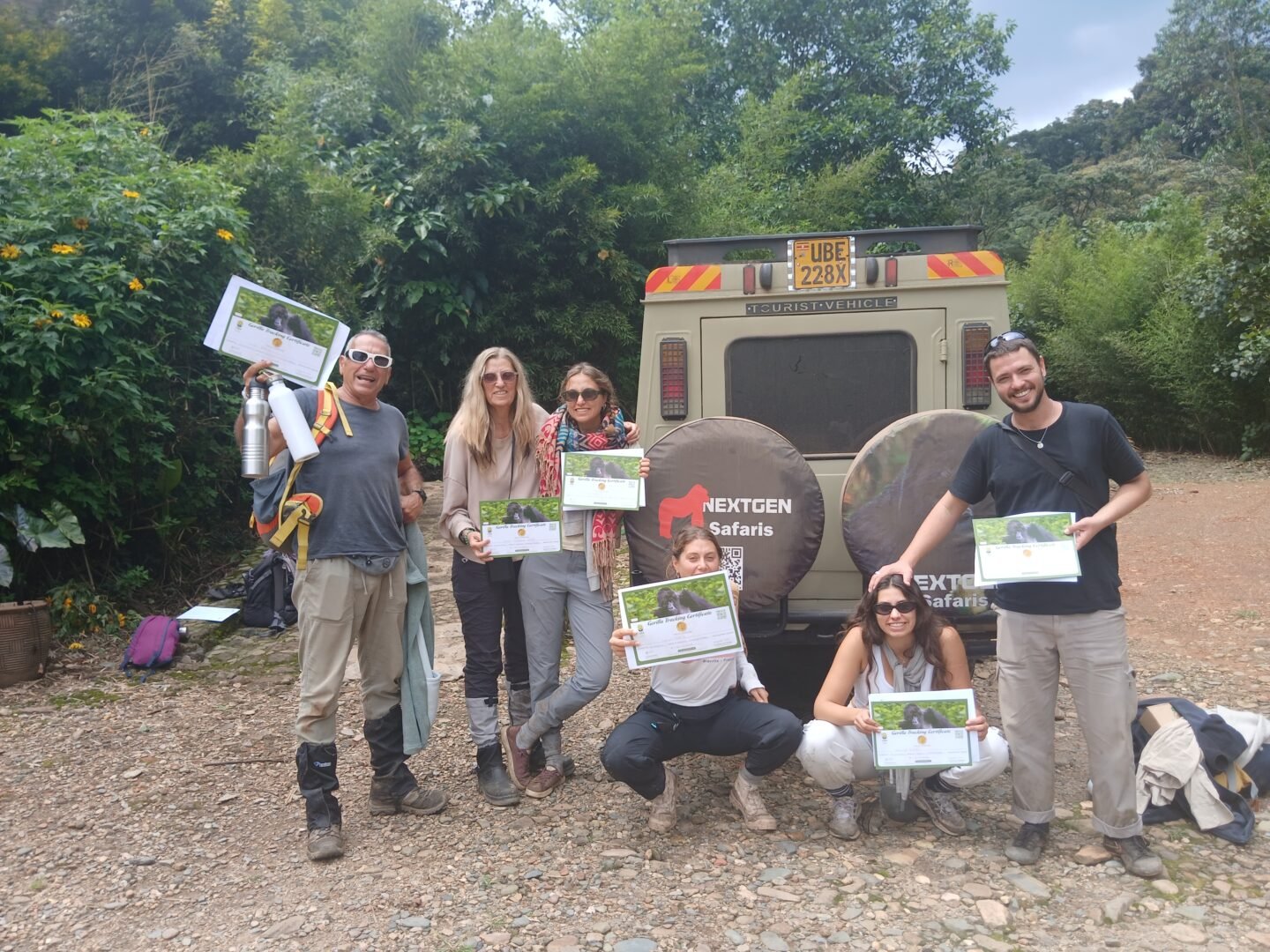
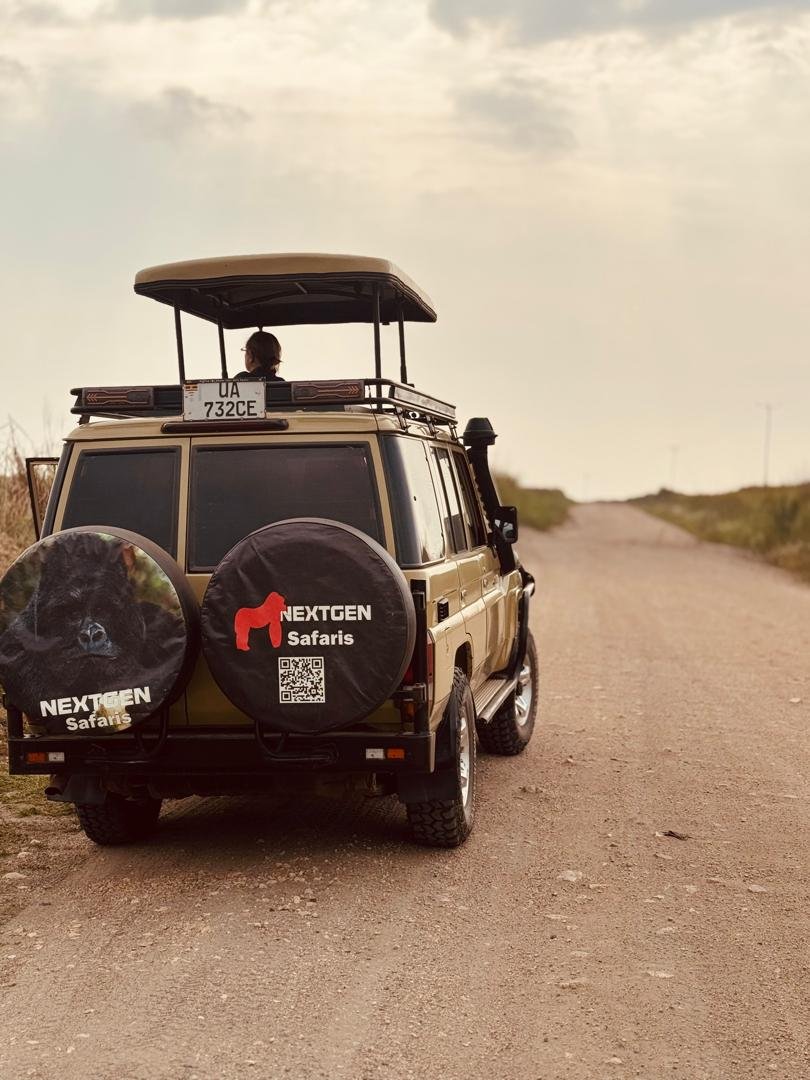
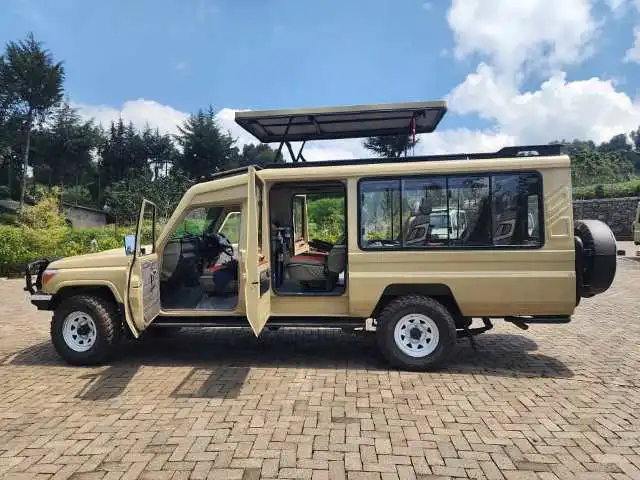
Private safari vehicles offer flexibility that public transportation cannot provide. Travelers can stop for photographs, refreshments, bathroom breaks or sightseeing when appropriate. They can also travel directly to accommodation rather than changing vehicles in Musanze.
For couples, families, honeymooners, senior travelers and photographers, private transport makes the journey significantly more comfortable.
A professional driver-guide can also provide information about Rwanda during the journey, explaining local landscapes, communities, history, agriculture and wildlife conservation.
Can You Travel From Kigali to Volcanoes National Park by Public Transport?
Public buses and other shared transport options operate between Kigali and Musanze, making independent travel possible for budget-conscious visitors.
However, public transport usually only takes travelers as far as Musanze. Additional transport is then required to reach Kinigi, a lodge or the correct trekking trailhead.
For ordinary sightseeing this may be manageable, but gorilla trekking requires very precise timing. Trekking starts early, and visitors need reliable transport from their accommodation to the park headquarters and possibly onward to the trailhead.
Because of this, many travelers prefer arranging private transport even when their accommodation is relatively simple.
One-Day Kigali to Volcanoes National Park Trip
A one-day journey from Kigali is possible for travelers with very limited time. However, it requires an extremely early departure.
Guests normally need to leave Kigali at approximately 4:30 AM or 5:00 AM to reach the park area before the morning gorilla trekking briefing. After the trek, they can have lunch around Musanze or Kinigi and then return to Kigali during the afternoon or evening.
While possible, this schedule can be physically demanding because travelers begin the day with several hours of driving before entering mountainous forest terrain.
For most visitors, spending at least one night near Volcanoes National Park provides a far more comfortable experience.
Two-Day Kigali to Volcanoes National Park Trip
A two-day itinerary is one of the most popular options for gorilla trekking from Kigali.
On the first day, travelers leave Kigali and drive north toward Musanze and Kinigi. Because the drive is relatively short, there is enough time to arrive at the lodge, enjoy lunch or afternoon refreshments and relax while overlooking the Virunga Mountains.
The second day begins with an early breakfast followed by a transfer to the park briefing area. After gorilla trekking, travelers can have lunch before beginning the return journey to Kigali.
This itinerary balances convenience and comfort while remaining suitable for travelers with limited holiday time.
Three-Day Kigali to Volcanoes National Park Trip
A three-day itinerary provides a more relaxed experience and allows travelers to include additional activities beyond gorilla trekking.
The first day is dedicated to the journey from Kigali to Volcanoes National Park. The second day is normally reserved for mountain gorilla trekking. On the third day, visitors can undertake golden monkey trekking, cultural experiences, sightseeing around Musanze or simply enjoy a relaxed morning before returning to Kigali.
This duration is particularly suitable for photographers, honeymooners and travelers who prefer not to rush from one destination to another.
Why Kigali Is an Excellent Starting Point for Volcanoes National Park
Kigali provides several advantages as a starting point for a Volcanoes National Park safari.
The city has Rwanda’s principal international airport, a wide selection of hotels, restaurants and tourism services, making arrival logistics straightforward. Travelers can easily spend a night in Kigali before continuing north or begin the journey immediately after landing.
The relatively short driving distance also makes it possible to organize flexible itineraries. Visitors do not need to take domestic flights or spend an entire day traveling simply to reach the gorilla trekking region.
This accessibility is one of Rwanda’s major strengths as a mountain gorilla destination.
Best Time to Drive From Kigali to Volcanoes National Park
The route can be traveled throughout the year, but daytime transfers are generally the most comfortable because they allow travelers to enjoy the scenery and reach their lodge before dark.
Morning departures are particularly pleasant because traffic leaving Kigali can be lighter and travelers have plenty of time for stops along the route.
During wetter months, visitors should allow some flexibility because heavy rain can slow sections of the journey. Nevertheless, the principal road remains usable throughout the year.
What to Expect When Arriving Near Volcanoes National Park
The atmosphere changes noticeably as travelers enter the Volcanoes National Park region. Temperatures become cooler, the landscape becomes greener and the volcanic peaks dominate almost every view.
Kinigi and the surrounding countryside sit at a higher altitude than Kigali, so evenings and early mornings can feel surprisingly cool. Travelers should therefore have a warm layer available when they arrive.
Many lodges provide fireplaces, hot drinks and views of the surrounding volcanoes, creating a relaxing setting before the following day’s trek.
For first-time visitors, reaching the Virunga foothills after only a few hours from Kigali is often one of the most memorable parts of the journey. The combination of accessibility, beautiful scenery and extraordinary wildlife makes Kigali to Volcanoes National Park one of Rwanda’s most rewarding safari routes.
What Is the Drive From Kigali to Volcanoes National Park Like?
Driving from Kigali to Volcanoes National Park is far more than a simple transfer between Rwanda’s capital and its famous mountain gorilla destination. The journey gives travelers an excellent introduction to the country’s landscapes, rural communities and highland scenery. As the vehicle leaves Kigali and heads north, the dense urban surroundings gradually disappear and are replaced by rolling green hills, cultivated valleys and increasingly dramatic mountain terrain.
The first part of the journey passes through busy residential and commercial areas on the outskirts of Kigali before entering quieter countryside. Rwanda’s reputation as the “Land of a Thousand Hills” becomes increasingly clear along this route. Roads curve around hillsides, small valleys appear between settlements and farms extend across slopes that have been carefully cultivated by local communities for generations.
Agriculture is one of the most noticeable features of the Kigali to Volcanoes National Park drive. Depending on the season, travelers may see fields planted with potatoes, maize, beans, vegetables and other crops. Terraced farmland covers many of the steeper hillsides, creating attractive patterns across the landscape. Small-scale farming communities, roadside produce stalls and local trading centers give visitors a glimpse into everyday life outside Kigali.
The journey also passes through several populated areas where travelers may see schools, churches, markets, motorcycle taxis and residents going about their daily activities. Although the road is an important tourism route, it remains very much part of everyday Rwanda, which makes the transfer culturally interesting as well as scenic.
As the vehicle continues north, the landscape becomes noticeably cooler and more mountainous. The hills grow larger, the vegetation becomes denser and the air can feel fresher than in Kigali. During wetter periods, clouds and mist may settle across the valleys and mountain slopes, creating a particularly atmospheric journey.
One of the most memorable moments occurs as travelers approach Musanze. On a clear day, the enormous Virunga volcanoes begin to appear on the horizon. Their distinctive peaks rise dramatically above surrounding farms and settlements, creating an impressive first view of the landscape surrounding Volcanoes National Park.
The Virunga Massif is a chain of volcanic mountains extending across Rwanda, Uganda and the Democratic Republic of Congo. Several of these peaks dominate the scenery around Musanze and Kinigi, including Mount Karisimbi and Mount Bisoke. Their presence becomes increasingly dramatic as travelers approach the park region.
For photographers, the drive can offer excellent opportunities to capture Rwanda’s rolling countryside, terraced farms, roadside life and volcanic landscapes. A private transfer is particularly convenient because the driver-guide can make safe stops at appropriate viewpoints when road conditions and timing permit.
Travelers should remember that the road is used by local residents, buses, motorcycles, bicycles, commercial vehicles and pedestrians. Photography stops should therefore only be made where it is safe to pull completely away from moving traffic.
Weather can also influence the character of the journey. During the drier months, views across the countryside and toward the Virunga volcanoes can be particularly clear. During the rainy seasons, the landscape becomes intensely green and clouds often wrap around the mountain peaks. Short heavy showers can occur, but the principal Kigali–Musanze road remains an important all-season route.
Most travelers undertake the journey in a private safari vehicle with a professional driver-guide. This provides significantly more comfort and flexibility than public transport, particularly for visitors carrying luggage, camera equipment or trekking gear.
A private transfer also allows travelers to travel directly from a Kigali hotel or Kigali International Airport to their lodge around Musanze or Kinigi without changing vehicles. Comfort stops, refreshments and photography breaks can be incorporated into the journey where required.
The approximately 2½- to 3-hour drive is short enough that travelers rarely feel they have lost an entire safari day to transportation. Visitors leaving Kigali after breakfast can normally arrive around the Volcanoes National Park region in time for lunch or an afternoon at leisure. Those leaving after lunch can usually arrive before evening when traffic and road conditions are favorable.
For this reason, the drive from Kigali to Volcanoes National Park is considered one of the most convenient major safari transfers in East Africa. Travelers move from an international capital city to the foothills of a world-famous mountain gorilla habitat within only a few hours while enjoying some of Rwanda’s most characteristic landscapes along the way.
Kigali to Volcanoes National Park for Gorilla Trekking
Gorilla trekking is the main reason many travelers make the journey from Kigali to Volcanoes National Park. The park protects Rwanda’s section of the Virunga Massif and provides habitat for mountain gorillas living within the high-altitude forests along the volcanic slopes.
For international travelers, Kigali makes the gorilla trekking experience particularly accessible. Visitors can arrive at Kigali International Airport, travel north by road and reach the Volcanoes National Park region within approximately three hours. This makes it possible to organize relatively short two- or three-day gorilla safaris without requiring domestic flights or long overland journeys.
Despite the short transfer from the capital, the gorilla trekking experience itself takes place in a completely different environment. Around Kinigi, the landscape is dominated by cultivated highland farmland, bamboo-covered mountain slopes and the towering Virunga volcanoes. Early mornings can be cool and misty, giving the region the atmospheric conditions commonly associated with mountain gorilla trekking.
The Evening Before Gorilla Trekking
For most travelers, the best arrangement is to travel from Kigali to Volcanoes National Park one day before the scheduled gorilla trek. This allows guests to check into their lodge, relax after the drive and prepare their equipment and clothing for the following morning.
Staying near Kinigi is especially convenient because many accommodations are located only a short drive from the main park briefing area. Musanze also offers a wide variety of accommodation, although guests staying there normally require a slightly longer transfer in the morning.
The evening before trekking is a good time to prepare hiking boots, long trousers, a long-sleeved shirt, waterproof clothing, gloves, gaiters where available and camera equipment. Visitors should also ensure batteries are charged and important items are protected against rain and moisture.
An early dinner and sufficient rest are recommended because the following day’s activities begin early.
The Morning Gorilla Trekking Briefing
Gorilla trekking mornings normally begin with breakfast at the lodge followed by a transfer toward the park headquarters area around Kinigi.
Visitors arrive in the morning for registration and a briefing before trekking activities begin. During this process, trekkers are organized into groups and assigned to habituated gorilla families.
The briefing explains how visitors should behave while inside the forest and during the gorilla encounter. Travelers are reminded to follow ranger instructions, avoid sudden movements, keep appropriate distance where circumstances permit and never use flash photography around the gorillas.
The allocation of gorilla families may consider several practical factors, including the day’s known gorilla locations and the physical composition of trekking groups. However, mountain gorillas move freely through their habitat, so the exact distance and difficulty of a trek cannot be predicted with complete certainty.
Transfer From the Briefing Point to the Trailhead
After the morning briefing, trekkers normally continue toward the appropriate starting point for their assigned gorilla family. Depending on the location, this may involve an additional drive from the central briefing area.
This is one reason private safari transport remains useful even after reaching Volcanoes National Park. Visitors need dependable transportation between their lodge, the briefing point and the relevant trailhead.
At the trailhead, travelers meet the ranger team who will accompany them through the forest. Porters are commonly available and can assist by carrying daypacks, cameras, water and other equipment.
Hiring a porter is useful even for physically fit visitors because parts of the trail can become steep, muddy or slippery. Porters may also provide support when navigating difficult sections of the forest.
What the Gorilla Trek Is Like
The actual trek can vary considerably from one day to another. Mountain gorillas do not remain in a fixed location for tourists; they move naturally through their forest habitat in search of food and suitable resting areas.
Some groups may encounter their assigned gorilla family after a relatively short walk, while others may trek for several hours before reaching them. The route may pass through farmland around the edge of the park before entering dense vegetation, bamboo forest and higher mountain terrain.
The ground can be uneven and may become muddy after rain. Parts of the route may require trekkers to step over roots, navigate thick vegetation or climb slopes.
Weather is another factor. Volcanoes National Park is a mountainous environment where conditions can change quickly. Sunshine at the beginning of a trek can be followed by cloud, mist or rainfall later in the morning.
For this reason, trekkers should carry waterproof clothing even when the weather appears clear at departure.
Finding the Mountain Gorillas
Ranger guides and trackers work together to locate the assigned gorilla family. Once the animals are found, trekkers approach carefully while following instructions from the guides.
The first sight of a mountain gorilla emerging through the vegetation can be an extraordinary moment. Depending on the family and their activity at the time, visitors may encounter silverbacks, adult females, juveniles and young gorillas.
The gorillas may be feeding, resting, moving through vegetation, grooming one another or interacting socially. Young gorillas can be particularly active, sometimes climbing vegetation or playing around other family members.
A dominant silverback is often one of the most impressive animals to observe. Adult male mountain gorillas can appear extremely powerful at close range, yet encounters are managed carefully by experienced park personnel.
How Long Do You Spend With the Gorillas?
Once the assigned gorilla family has been located, visitors participating in the standard trekking experience normally spend up to one hour observing the gorillas.
This hour begins after the group has reached the gorillas and guides have positioned visitors appropriately for the encounter.
Although one hour may initially sound brief, it can provide an extraordinary amount of observation. Visitors can watch subtle family interactions, feeding behavior, grooming, movement and communication between different members of the group.
Photographers should be prepared before reaching the gorillas so they do not spend valuable time organizing equipment. Camera settings should ideally be familiar in advance, and batteries and memory cards should already be ready.
Flash photography should not be used.
How Difficult Is Gorilla Trekking?
The physical difficulty of gorilla trekking varies significantly. A relatively easy trek may involve moderate walking through manageable terrain, while a more challenging experience can require several hours of hiking at altitude through steep and muddy forest.
Visitors do not need to be professional hikers, but a reasonable level of general fitness is beneficial.
Regular walking before the safari can improve stamina considerably. Comfortable hiking boots with good grip are one of the most important pieces of equipment because wet trails can become slippery.
Travelers concerned about fitness should discuss this with their safari planner before arriving and communicate relevant mobility considerations during the trekking arrangements.
Hiring a porter is strongly recommended for visitors who want additional support.
Should You Trek Directly From Kigali?
It is technically possible to undertake gorilla trekking while staying in Kigali, but this requires a very early start.
Travelers attempting a same-day journey may need to leave Kigali at approximately 4:30 AM to 5:00 AM, depending on the exact meeting requirements and road conditions. They then spend around 2½ to 3 hours driving before beginning what may be several hours of mountain trekking.
After completing the trek, they still have the return drive to Kigali.
For travelers with extremely limited time, this can be done. However, it creates a long and physically demanding day.
Staying near Volcanoes National Park the night before trekking is therefore the more comfortable option for most visitors. Guests can wake at a reasonable hour, enjoy breakfast and make the short transfer to the morning briefing without the stress of a lengthy predawn drive.
Two-Day Gorilla Trekking From Kigali
A two-day trip is one of the most practical ways to organize gorilla trekking from Kigali.
On the first day, travelers leave Kigali during the morning or early afternoon and drive toward Musanze and Kinigi. They arrive at their lodge with sufficient time to relax, enjoy the mountain scenery and prepare for trekking.
The second day begins with gorilla trekking. After the experience, travelers can return for lunch before driving back to Kigali.
This itinerary provides the essential gorilla experience without requiring a long holiday.
Three-Day Gorilla Trekking From Kigali
A three-day itinerary is more relaxed and provides additional opportunities to explore the Volcanoes National Park region.
Travelers normally transfer from Kigali on the first day, undertake gorilla trekking on the second day and reserve the third morning for another activity before returning to Kigali.
Golden monkey trekking is one of the most popular additions because it provides a very different primate experience. Travelers can also consider cultural activities, nature experiences or simply a relaxed morning enjoying views of the Virunga Mountains.
For photographers, honeymooners, senior travelers and visitors who prefer slower travel, three days generally provides a more enjoyable pace.
Why Volcanoes National Park Is So Convenient From Kigali
One of the greatest advantages of gorilla trekking in Rwanda is the accessibility of Volcanoes National Park from Kigali.
Many famous wildlife experiences in Africa require domestic flights, lengthy transfers or overnight journeys before visitors reach the protected area. In Rwanda, travelers can land at Kigali International Airport and reach the mountain gorilla region within the same day.
This convenience makes Kigali to Volcanoes National Park for gorilla trekking particularly attractive for travelers adding a short gorilla experience to a longer African journey, visitors attending conferences or business meetings in Kigali, honeymooners, photographers and travelers who want to maximize limited holiday time.
Despite being relatively close to the capital, the environment around Volcanoes National Park feels wonderfully remote. Within only a few hours, travelers move from urban Kigali into a world of mist-covered mountains, bamboo forests and one of the planet’s most extraordinary wildlife encounters.
Can You Do a One-Day Gorilla Trek From Kigali?
Yes. A one-day gorilla trek from Kigali is possible because Volcanoes National Park is relatively close to the capital. However, the day begins extremely early.
Travelers attempting gorilla trekking as a day trip usually leave Kigali at approximately 4:30 AM to 5:00 AM so they can reach the Kinigi area in time for the morning briefing. Because traffic, weather and road conditions can occasionally cause delays, departure should never be left too late.
After trekking, travelers can have lunch around Musanze or Kinigi before driving back to Kigali. Depending on how long the gorilla trek takes, arrival back in Kigali may be during the late afternoon or evening.
A one-day trip is excellent for travelers with limited time, but a two-day or three-day itinerary provides a more relaxed experience. Spending the night close to the park allows visitors to sleep longer, arrive at the briefing point refreshed and enjoy more of northern Rwanda.
Two-Day Kigali to Volcanoes National Park Safari
A two-day itinerary is one of the most practical options for travelers wanting a comfortable gorilla trekking experience without spending many days away from Kigali.
On the first day, travelers can leave Kigali during the morning or early afternoon and travel north toward Volcanoes National Park. The journey can be combined with sightseeing in Kigali before departure or with a relaxed lunch along the route.
After arriving around Musanze or Kinigi, guests check into their lodge and spend the evening overlooking the Virunga Mountains. An early dinner and good night’s rest are recommended because gorilla trekking starts early the following morning.
Day two begins with breakfast followed by a transfer to the park headquarters for registration and briefing. After trekking, guests return to their lodge or a nearby restaurant for lunch before driving back to Kigali.
This arrangement minimizes rushing while still keeping the safari short and efficient.
Three-Day Kigali to Volcanoes National Park Safari
A three-day itinerary provides significantly more flexibility and is particularly suitable for international visitors who want more than only gorilla trekking.
The first day can be dedicated to the drive from Kigali to Volcanoes National Park with sightseeing and photography along the way. Guests then stay overnight near Kinigi or Musanze.
The second day is devoted to gorilla trekking. After returning from the forest, travelers have time to relax at their lodge rather than immediately beginning the drive back to Kigali.
The third day can include another activity such as golden monkey trekking, a cultural experience, nature exploration or sightseeing around Musanze before returning to Kigali.
Travelers interested in photography, hiking or slower-paced luxury journeys can extend the itinerary to four or five days.
Gorilla Permit Cost in Volcanoes National Park
A gorilla trekking permit is mandatory for anyone participating in a gorilla trek in Volcanoes National Park.
The standard Rwanda gorilla trekking permit for an international visitor is generally US$1,500 per person per trek. Each permit is issued for a specific trekking date and represents one person’s participation in one gorilla trekking experience.
A couple therefore requires two permits, while a family or group requires one permit for each eligible traveler.
Gorilla permits are limited and can become difficult to secure during popular travel periods. Travelers planning trips during June, July, August, September, Christmas, New Year and other busy periods should consider securing their permits well in advance.
Permit availability should ideally be confirmed before making non-refundable accommodation and international travel arrangements.
Minimum Age for Gorilla Trekking
The standard minimum age for gorilla trekking in Rwanda is 15 years.
Families traveling with younger children can still visit the Volcanoes National Park region, but children below the trekking age will need alternative activities and suitable supervision while parents or older family members undertake gorilla trekking.
Families should therefore plan their accommodation and daily program carefully, particularly when several family members intend to trek.
Kigali International Airport to Volcanoes National Park
Kigali International Airport is the principal international arrival point for most travelers visiting Volcanoes National Park.
Visitors arriving during the morning can often transfer directly from the airport to northern Rwanda. After immigration, baggage collection and meeting the safari representative, travelers begin the journey toward Musanze and Kinigi.
If an international flight arrives late in the evening, spending the first night in Kigali is normally more comfortable. Guests can then depart after breakfast the following morning.
Travelers should avoid scheduling a same-morning international arrival followed immediately by gorilla trekking. Gorilla activities begin early and permit holders need to be present for registration and briefing, making an overnight stay before the trek much more reliable.
Private Transfer From Kigali to Volcanoes National Park
A private safari vehicle with a professional driver-guide is one of the most convenient ways to travel from Kigali to Volcanoes National Park.
Private transportation allows travelers to choose their departure time, stop for photographs, take comfort breaks and travel directly to their selected lodge. The vehicle also remains available for transfers between the lodge, park headquarters and trekking trailheads when included in the safari arrangement.
For gorilla trekking travelers, a private 4×4 safari vehicle is especially convenient. Although the main road between Kigali and Musanze is paved, some roads leading toward lodges and trekking starting points can be less predictable during periods of rain.
A private journey is also ideal for couples, honeymooners, families, senior travelers and photographers who prefer flexibility rather than following a fixed group schedule.
Can You Travel From Kigali to Volcanoes National Park by Public Transport?
Public transportation operates between Kigali and Musanze, making it possible to travel north without booking a complete private safari transfer. However, public transport normally ends in Musanze rather than taking travelers directly to their lodge, Kinigi park headquarters or trekking trailhead.
Visitors therefore need additional local transportation after arriving in Musanze.
For ordinary sightseeing, independent transportation can be practical. For gorilla trekking, however, travelers should carefully consider timing. The activity begins early and trekking trailheads may be located beyond the park headquarters, making dependable private transport much more convenient.
Where to Stay Near Volcanoes National Park
Accommodation around Volcanoes National Park ranges from simple guesthouses and comfortable mid-range lodges to some of Africa’s most exclusive luxury properties.
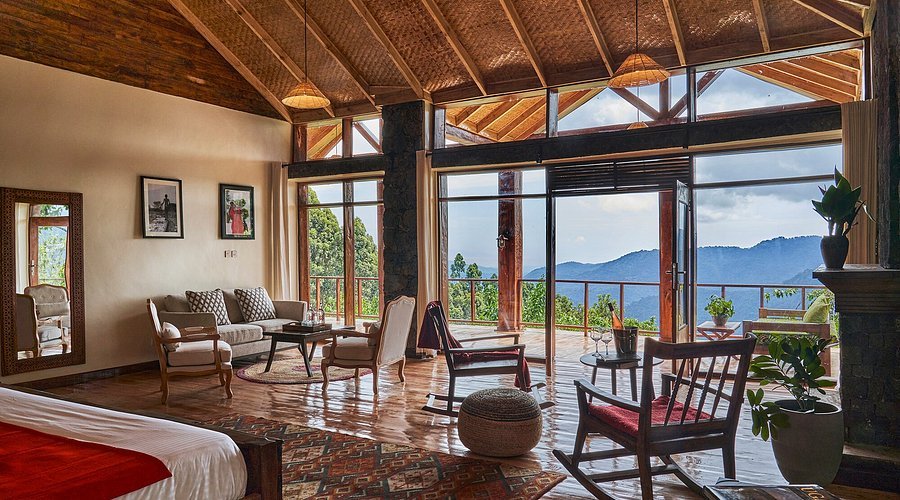
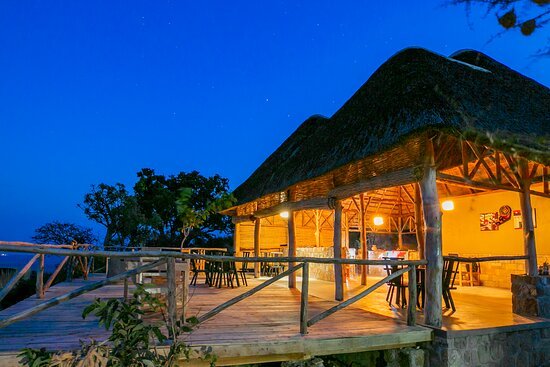
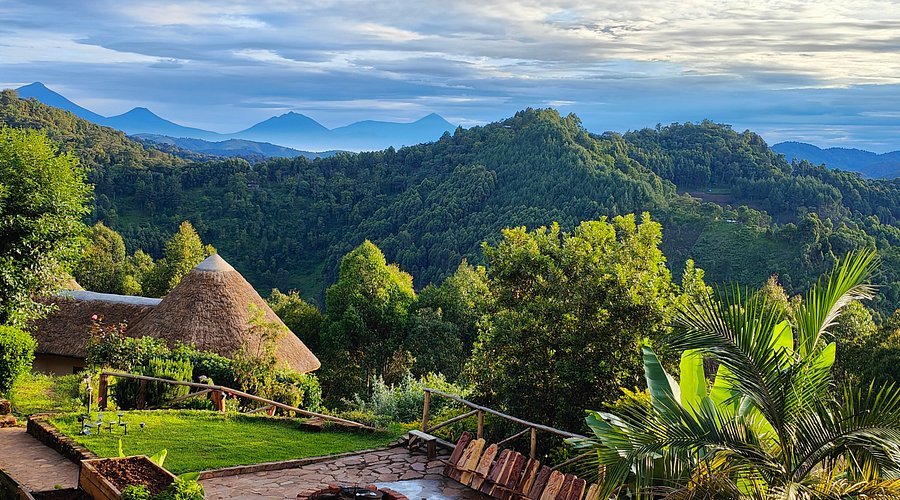
Musanze provides convenient accommodation for travelers wanting easy access to restaurants, shops and town facilities. Properties around Kinigi place visitors closer to the park headquarters and are particularly convenient for early-morning trekking.
Luxury lodges are positioned throughout the surrounding foothills and often feature dramatic views of the Virunga Mountains. These properties may include spacious suites, fireplaces, fine dining, spa treatments, private gardens and highly personalized service.
Mid-range accommodation provides comfortable rooms, warm hospitality and practical access to gorilla trekking without the very high rates associated with luxury properties.
Budget-conscious visitors can stay in Musanze or select smaller locally operated properties around the park region.
The best choice depends on budget, preferred comfort level, travel style and the activities included in the itinerary.
Best Time to Travel From Kigali to Volcanoes National Park
The journey from Kigali to Volcanoes National Park can be made throughout the year.
Rwanda’s drier periods are particularly popular for gorilla trekking because forest trails can be less muddy and hiking conditions generally more manageable. June through September is commonly considered one of the most desirable travel periods, while another relatively dry period occurs around December through February.
However, mountain forests receive rainfall throughout the year, and visitors should be prepared for showers regardless of travel month.
The wetter periods can provide beautiful green vegetation, dramatic cloud formations and excellent atmospheric photography. There may also be fewer visitors compared with peak travel months.
Gorilla trekking remains a year-round activity, so the best month ultimately depends on personal preferences, permit availability, budget and the wider Rwanda itinerary.
Gorilla Trekking During the Rainy Season
Traveling during wetter months should not automatically discourage visitors. Mountain gorillas remain in their natural habitat throughout the year, and trekking continues unless unusual circumstances require operational changes.
The primary difference is trail condition. Rain can make forest paths muddy, slippery and more physically demanding.
Good hiking boots, gaiters, gloves and waterproof clothing become particularly important during these months. Hiring a porter can also make the trek considerably easier, especially when navigating steep or slippery terrain.
Rain can create beautiful photographic conditions in the forest because mist and moisture intensify the rich green vegetation surrounding the gorillas.
What to Wear for Gorilla Trekking
Visitors should dress for a humid mountain environment rather than for a traditional open-savannah safari.
Strong waterproof or water-resistant hiking boots with good grip are highly recommended. Long trousers protect the legs from vegetation, mud and insects, while long-sleeved shirts provide additional protection for the arms.
A lightweight waterproof jacket should remain easily accessible because rain can arrive quickly in the mountains. Gardening-style gloves can be useful when holding vegetation for support, while gaiters help keep mud and insects away from the lower legs.
Clothing should be comfortable enough to allow unrestricted movement on uneven forest terrain.
A small daypack can carry water, packed food if provided, camera equipment and rain protection.
Hiring a Porter for Gorilla Trekking
Hiring a porter at Volcanoes National Park can significantly improve the trekking experience.
Porters can carry backpacks, water, camera equipment and other personal items while also providing support on difficult sections of the trail. Even travelers who consider themselves physically fit may appreciate having someone available when crossing muddy areas or climbing steep slopes.
Using local porters also provides direct economic benefits to communities living around the conservation area.
For senior travelers, photographers carrying heavy equipment and visitors concerned about fitness, hiring a porter is particularly worthwhile.
Gorilla Trekking Fitness Requirements
Gorilla trekking does not require professional mountaineering ability, but visitors should be prepared to walk through natural mountain terrain.
The difficulty of each trek varies depending on the current location of the assigned gorilla family. One group may encounter gorillas relatively quickly while another may walk for several hours.
Elevation, mud, vegetation and steep slopes can increase the physical challenge.
Travelers with concerns about mobility or fitness should communicate this before the trek. While no particular gorilla sighting can be guaranteed based on difficulty preferences, guides generally consider the composition and physical abilities of trekking groups when organizing the day’s activities where practical.
Golden Monkey Trekking From Kigali
Gorilla trekking is not the only primate experience available in Volcanoes National Park. Golden monkey trekking provides another excellent reason to extend a Kigali to Volcanoes National Park safari.
Golden monkeys live primarily within bamboo forest and are energetic, social and highly photogenic. Their behavior is very different from that of mountain gorillas, creating a complementary experience rather than simply repeating another primate trek.
Visitors often dedicate one morning to gorilla trekking and another to golden monkeys.
A three-day itinerary can therefore provide an excellent balance between both primate experiences while still allowing travelers to return comfortably to Kigali.
Hiking in Volcanoes National Park
Travelers who enjoy hiking can spend additional time exploring the volcanic landscapes surrounding Volcanoes National Park.
Mount Bisoke is among the best-known hiking experiences in the region. The trail climbs through different vegetation zones toward the volcanic summit and crater lake. Weather, elevation and muddy terrain can make the hike physically demanding.
The wider Virunga landscape also provides opportunities for nature walks and other guided outdoor experiences.
Travelers considering serious hiking should add extra nights instead of attempting to combine a demanding mountain hike immediately before or after gorilla trekking.
Musanze and Kinigi
Understanding the difference between Musanze and Kinigi is useful when planning accommodation.
Musanze is the main urban center in northern Rwanda and provides shops, restaurants, accommodation and transport services. It is commonly used as the gateway town to Volcanoes National Park.
Kinigi lies closer to the park headquarters and many trekking-related facilities. Several lodges are located in or around the Kinigi area because of its convenient position for morning gorilla trekking departures.
Travelers staying in Musanze simply need to allow additional time in the morning for their transfer toward Kinigi.
Combining Kigali and Volcanoes National Park
A Rwanda safari does not have to begin immediately with gorilla trekking. Kigali itself deserves time within the itinerary.
Travelers can spend their first day exploring the capital before traveling north. This approach is particularly useful after a long international flight because it provides time to recover before moving into the mountains.
After gorilla trekking, visitors may also return to Kigali for their final night. This arrangement provides easier access to Kigali International Airport and reduces the risk of road delays affecting an international departure.
A typical short Rwanda journey can therefore include Kigali on the first night, Volcanoes National Park for two nights and Kigali again before departure.
Kigali to Volcanoes National Park for Honeymooners
The route is particularly well suited to honeymoon safaris because luxury accommodation can be combined with private transportation and an intimate wildlife experience.
Couples can travel privately from Kigali, spend several nights overlooking the Virunga volcanoes and include gorilla trekking as the centerpiece of their honeymoon.
Additional experiences may include private dining, spa treatments, cultural visits and relaxed evenings around fireplaces in mountain lodges.
For honeymooners, a three-night stay around Volcanoes National Park usually feels considerably more relaxed than trying to complete the journey as a one-day excursion.
Kigali to Volcanoes National Park for Senior Travelers
Senior travelers regularly visit Volcanoes National Park, although careful planning makes the journey more comfortable.
Private transportation minimizes unnecessary waiting and allows regular stops during the drive from Kigali. Staying close to Kinigi reduces transfer time on trekking morning.
A porter is highly recommended during gorilla trekking, even for active senior travelers. Walking poles, appropriate footwear and sufficient hydration can also improve comfort.
Visitors should disclose relevant mobility considerations to their safari planner in advance so that logistics can be organized appropriately.
Kigali to Volcanoes National Park for Photographers
Volcanoes National Park is an exceptional destination for wildlife and landscape photography.
The journey north provides opportunities to photograph Rwanda’s hills, agricultural landscapes and dramatic Virunga peaks. Gorilla trekking then presents an entirely different photographic environment where subjects may be positioned within dark forest vegetation.
Photographers should prepare for low light, moisture and rapidly changing conditions. Extra batteries and memory cards are essential, while waterproof protection for cameras and lenses is strongly recommended.
Flash photography should not be used when photographing gorillas.
Because the standard gorilla encounter is limited in duration, photographers should understand their equipment before entering the forest rather than spending valuable time adjusting unfamiliar camera settings.
Combining Volcanoes National Park With Lake Kivu
Travelers do not necessarily need to return directly to Kigali after gorilla trekking.
The route can continue toward Lake Kivu, particularly the Rubavu area, where visitors can enjoy lakeside scenery and a slower pace after trekking.
This combination works particularly well for honeymooners and travelers who want relaxation after physically demanding activities.
After Lake Kivu, visitors can return to Kigali or continue toward other parts of Rwanda depending on the available number of days.
Combining Volcanoes National Park With Akagera
Another excellent itinerary combines mountain gorillas with traditional African wildlife viewing.
After Volcanoes National Park, travelers can return through Kigali and continue toward Akagera National Park in eastern Rwanda. Akagera provides a completely different environment characterized by savannah, woodland, wetlands and lakes.
Combining these destinations allows travelers to experience primates in the mountainous northwest and classic wildlife safari activities in eastern Rwanda within one country.
A longer itinerary provides the most comfortable pace.
Is the Kigali to Volcanoes National Park Road Safe?
The main route between Kigali and Musanze is widely used by residents, commercial traffic and tourism vehicles.
Travelers should still use an experienced driver, particularly when unfamiliar with Rwanda’s roads and mountainous terrain. Heavy rain, fog, local traffic and pedestrians can occasionally affect driving conditions.
Private safari vehicles provide the advantage of an experienced local driver who understands the route and can adjust travel speed according to conditions.
Night driving is generally unnecessary for a properly planned Volcanoes National Park itinerary, except for very early departures when undertaking gorilla trekking directly from Kigali.
Should You Stay in Kigali or Near Volcanoes National Park Before Trekking?
Staying near Volcanoes National Park is generally the better choice before gorilla trekking.
While traveling directly from Kigali early in the morning is possible, it requires waking several hours before sunrise and beginning the day with a long drive before undertaking a potentially demanding forest trek.
Staying around Kinigi or Musanze allows travelers to wake later, eat breakfast comfortably and reach the briefing point without rushing.
A Kigali departure works best when the traveler has extremely limited time and accepts the early start.
For a more relaxed holiday, arrive near Volcanoes National Park the afternoon before trekking.
How Many Days Do You Need for Kigali and Volcanoes National Park?
Two days is generally the practical minimum for a comfortable gorilla trekking trip from Kigali.
Three days provides a better overall experience because travelers can include gorilla trekking plus golden monkeys, cultural activities or relaxation.
Four or more days allows the journey to become part of a broader northern Rwanda holiday rather than simply transportation to a gorilla trek.
Travelers arriving from long-haul destinations should also consider spending at least one night in Kigali before beginning their safari.
Planning Your Kigali to Volcanoes National Park Safari
The most important part of planning is securing the required trekking permit before finalizing the rest of the itinerary.
Once permit availability is confirmed, accommodation can be selected according to budget and preferred comfort. Transport should then be arranged between Kigali, the lodge, park headquarters and activity starting points.
International flight schedules should be considered carefully. Travelers should provide enough time between arriving in Rwanda and undertaking their trek, while the return journey should also leave a reasonable buffer before an international departure.
A well-planned Kigali to Volcanoes National Park safari can therefore be remarkably straightforward. Rwanda’s relatively compact size means travelers can move from an international airport and modern capital city to one of the world’s most extraordinary mountain wildlife environments within only a few hours.
Frequently Asked Questions About Kigali to Volcanoes National Park
How long does it take from Kigali to Volcanoes National Park?
The drive normally takes approximately 2½ to 3 hours, depending on traffic, weather, your starting point in Kigali and the location of your accommodation around Musanze or Kinigi.
Can I visit Volcanoes National Park from Kigali in one day?
Yes. A one-day gorilla trekking trip is possible, but departure from Kigali normally needs to be extremely early, often around 4:30 AM to 5:00 AM, so that travelers reach the park area in time for registration and briefing.
Is it better to stay overnight near Volcanoes National Park?
Yes. Staying overnight near Kinigi or Musanze is much more relaxed and avoids beginning gorilla trekking day with a long predawn drive from Kigali.
How much is a Rwanda gorilla trekking permit?
The standard international gorilla trekking permit is generally US$1,500 per person for one trek. Different eligibility categories or special offers may sometimes have separate conditions or rates.
How old must you be to trek gorillas in Rwanda?
The standard minimum age for gorilla trekking in Rwanda is 15 years.
Where does gorilla trekking start in Volcanoes National Park?
Visitors report to the designated park briefing area in the Kinigi region before being organized into trekking groups and transferred or guided toward the appropriate trailhead.
Is the Kigali to Volcanoes National Park road paved?
The principal road from Kigali toward Musanze is paved and generally provides a comfortable journey. Some smaller roads connecting lodges and activity starting points can vary, particularly after heavy rain.
Can I go directly from Kigali Airport to Volcanoes National Park?
Yes. Travelers arriving early enough can meet their driver at Kigali International Airport and transfer directly toward Musanze or Kinigi. Those arriving late at night may prefer to stay in Kigali and travel the following morning.
What should I pack for gorilla trekking?
Strong hiking boots, long trousers, a long-sleeved shirt, lightweight waterproof jacket, gloves, gaiters, drinking water and a small daypack are among the most useful items. Camera equipment should have protection against moisture.
Can I combine gorilla trekking and golden monkey trekking?
Yes. A popular arrangement is to undertake gorilla trekking on one morning and golden monkey trekking the following day. This works particularly well within a three-day Kigali to Volcanoes National Park itinerary.
Can senior travelers visit Volcanoes National Park?
Yes. Many senior travelers undertake gorilla trekking. Private transfers, appropriate trekking preparation, good footwear and hiring a porter can make the experience more comfortable.
Is Volcanoes National Park worth visiting without gorilla trekking?
Yes. The region offers beautiful volcanic scenery, golden monkey trekking, hiking, cultural experiences and opportunities to explore the Musanze area. However, gorilla trekking remains its most internationally recognized wildlife experience.
What is the best time of year to travel from Kigali to Volcanoes National Park?
The route can be traveled throughout the year. Drier periods are popular because trekking trails can be easier, while wetter months offer lush landscapes and atmospheric photography. Gorilla trekking operates year-round.
Can I return to Kigali immediately after gorilla trekking?
Yes. Many travelers finish their trek, have lunch and then drive back to Kigali during the afternoon. The timing depends on how long the morning trek takes.
Is Kigali the best starting point for Volcanoes National Park?
For most international travelers, yes. Kigali International Airport is Rwanda’s principal international gateway, and the relatively short road transfer makes the capital an extremely convenient starting and finishing point for a Volcanoes National Park safari.
Kigali to Volcanoes National Park: A Convenient Gateway to Rwanda’s Mountain Gorillas
Traveling from Kigali to Volcanoes National Park brings together two very different sides of Rwanda within a remarkably short distance. The journey begins among the modern streets of the capital and gradually climbs through the country’s rolling agricultural landscapes before arriving beneath the enormous Virunga volcanoes.
For travelers whose main goal is mountain gorilla trekking, the accessibility of Volcanoes National Park makes Rwanda particularly attractive. A short safari can be completed in only two or three days, while travelers with more time can add golden monkeys, hiking, cultural experiences, Lake Kivu, Akagera National Park or additional nights in Kigali.
The key to a successful trip is good planning. Gorilla permits should be secured in advance, accommodation should match the traveler’s preferred level of comfort, and transport should be arranged with sufficient time for the early-morning trekking schedule.
Whether planned as a quick gorilla trekking escape, a luxury Rwanda safari, a honeymoon adventure or part of a longer East African journey, Kigali to Volcanoes National Park remains one of the most convenient routes to an extraordinary mountain gorilla experience.